Source Fuel Can for Gasoline, Chemical, and Food Storage
Compare 30 verified Fuel Can options from suppliers in China. These stainless steel and tin containers support gasoline, chemical, and food applications with customizable sizes and ISO certifications available for bulk orders.
Key considerations
Products List



250ml 500ml Round Brake Oil Can Motor Oil Tin Can Cone Top Brake Oil Can
$0.30 - $0.50
MOQ: 10000 Pieces


Fuel Can 200L Plastic Diesel Fuel Tank Portable Fuel Tank Plastic Diesel Tank
$470.00 - $490.00
MOQ: 20 Pieces


Engine Oil Tin Can Empty Metal Tin Can Customized Logo for Brake Fluid
$0.40 - $0.45
MOQ: 12000 Pieces




Comprehensive Sourcing Guide
Strategic Sourcing Guide for Fuel Can Procurement
Navigating the global market for fuel handling equipment requires a disciplined approach to technical verification and supplier validation. The term "Fuel Can" encompasses a diverse range of vessels designed for the storage, transport, and measurement of liquid hydrocarbons and other chemicals. For procurement professionals, the primary challenge lies in distinguishing between general-purpose containers and specialized measurement devices that meet rigorous safety and accuracy standards. This guide synthesizes available market data to provide a framework for evaluating potential suppliers, ensuring that selected products align with operational requirements for gasoline, chemical, and industrial applications.
Technical Specifications and Material Integrity
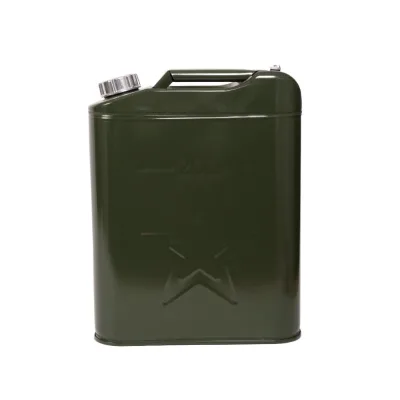
The foundation of a reliable Fuel Can procurement strategy begins with a granular analysis of material composition and dimensional specifications. Market data indicates a significant divergence in material choices, with stainless steel and tin being the primary options observed in current listings. Stainless steel is frequently cited as a preferred material for applications involving gasoline due to its corrosion resistance and structural durability. Conversely, tin-based variants are often associated with smaller package tanks or specific chemical applications where weight and cost are critical factors. Buyers must verify the specific alloy grade of stainless steel, as generic references do not guarantee resistance to the specific chemical properties of the fuel being stored.
Dimensional consistency is equally critical. Specifications vary widely, ranging from small-scale units with capacities of 5 or 10 liters to large industrial containers of 200 or 250 liters. The physical footprint of these units is often defined by standard dimensions such as 360160470mm for specific models, while others are categorized by volume rather than fixed external measurements. The shape of the container, whether square or cylindrical, impacts stacking efficiency and storage logistics. For instance, square-shaped tanks may offer better space utilization in confined warehouse environments, whereas cylindrical designs might be preferred for pressure distribution. Procurement teams must cross-reference the requested capacity (e.g., 1L, 5L, 20L) with the actual external dimensions to ensure compatibility with existing storage racks and transport vehicles.
Compliance, Certification, and Safety Standards
In the industrial sector, compliance is not merely a formality but a prerequisite for operational safety and legal liability. The supply chain for fuel cans is heavily regulated, and buyers must demand verifiable documentation regarding international standards. Current market observations highlight certifications such as ISO and CE as common markers of quality assurance. These certifications suggest that the manufacturing process adheres to specific management and safety protocols, though the exact scope of these certifications must be confirmed with the supplier.
Beyond general certifications, specific product standards are essential for fuel handling equipment. Some listings reference specific dimensional standards or model numbers like TU-005 and MC-250L, which serve as unique identifiers for the product's design lineage. Buyers should verify if these model numbers correspond to recognized industry standards for fuel containment. Additionally, the presence of machinery test reports is a strong indicator of quality control. These reports provide empirical data on the product's performance under stress, ensuring that the can can withstand the pressures and environmental conditions it will face during operation. The absence of such documentation should be treated as a significant red flag, regardless of the supplier's claims regarding their experience or reputation.
Cost Drivers and Pricing Dynamics
Understanding the cost structure of fuel cans requires an analysis of multiple variables, including material costs, customization levels, and order volume. The observed price range in the market is extensive, spanning from $0.02 to $520 per unit. This wide disparity is driven by several factors. The primary driver is material selection; stainless steel units typically command a higher price point than tin or plastic alternatives due to raw material costs and manufacturing complexity. Secondly, the level of customization plays a pivotal role. Products offering custom branding, specific volume capacities, or unique structural modifications will incur higher unit costs compared to standard off-the-shelf inventory.
Order volume is another critical cost determinant. The minimum order quantity (MOQ) observed in the market ranges from a single unit to 20,000 units. Suppliers often structure their pricing tiers to incentivize larger orders, which helps amortize setup and tooling costs. For buyers with high-volume needs, negotiating based on the supply ability of the manufacturer, which can reach 10,000 pieces per month, can yield significant savings. However, buyers must balance cost against lead times. While some suppliers offer rapid delivery windows of 3 to 7 days for standard items, larger quantities or custom orders may extend the delivery timeline to 10-15 days or longer, depending on the consensus between buyer and seller.
Typical Applications and Functional Requirements
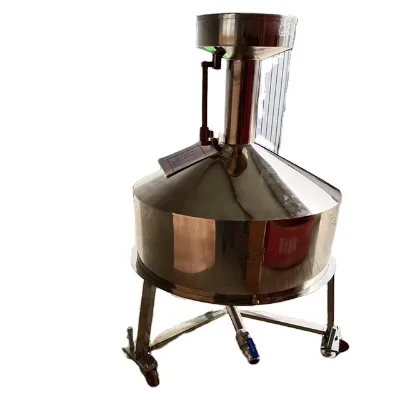
The functional requirements of a Fuel Can are dictated by its intended application. The market data reveals that these products are utilized for a variety of purposes, including gasoline storage, chemical handling, and even food or tea processing in specific contexts. The "Fuel Measure Can" designation suggests a dual function: containment and measurement. For applications requiring precise fuel dispensing, the accuracy of the measurement mechanism is paramount. Some specifications cite an accuracy level of 0.02%, a figure that must be validated through independent testing or certified test reports.
Different applications demand different features. For gasoline usage, the focus is on leak prevention, vapor recovery, and fire resistance. In chemical applications, the material must be inert to prevent reactions with the stored substance. The presence of core components, such as engines in certain complex units, indicates that some "fuel cans" may be part of a larger automated system rather than simple passive containers. Buyers must clearly define the end-use scenario to ensure the selected product possesses the necessary functional attributes, such as the ability to measure volume accurately or the capacity to handle specific chemical compositions without degradation.
Supplier Evaluation and Operational Capabilities
Evaluating a supplier involves looking beyond the product listing to assess their operational maturity and support infrastructure. Geographic origin is a key factor in logistics and communication. Suppliers are located in regions such as Ningbo and Jiangsu, including Wuxi, which are established manufacturing hubs in China. These locations often provide access to robust supply chains and logistics networks, facilitating efficient shipping via ports like Lianyungang, Shanghai, and Qingdao.
Support services are another critical evaluation criterion. The availability of video technical support indicates a supplier's willingness to assist with installation, troubleshooting, and maintenance, which is invaluable for complex equipment. Warranty terms, typically ranging from one year, provide a safety net against manufacturing defects. Buyers should also assess the supplier's packaging capabilities. Standard export cartons, wooden packing, or customized pallets are common, and the choice of packaging affects the safety of the goods during transit. A supplier that offers flexible packaging options demonstrates an understanding of the diverse logistical needs of their clients. Furthermore, the ability to provide free samples allows buyers to physically inspect the product quality before committing to a large order, mitigating the risk of receiving substandard goods.
Quality Control and Long-Term Procurement Considerations
Ensuring long-term value requires a robust quality control (QC) strategy. The provision of machinery test reports is a strong indicator that the supplier employs rigorous internal QC processes. However, buyers should not rely solely on these reports. Implementing a third-party inspection protocol before shipment is recommended to verify that the physical products match the specifications and test data provided. This is particularly important for high-accuracy measurement devices where even minor deviations can lead to significant financial losses or safety hazards.
Long-term procurement considerations also include the sustainability and after-sales lifecycle of the product. Eco-friendly attributes are increasingly important, and buyers should inquire about the recyclability of materials and the environmental impact of the manufacturing process. The availability of spare parts and the duration of the warranty period are critical for minimizing downtime. A supplier that offers a one-year warranty and video technical support is generally more reliable than one that offers limited post-sale assistance. Additionally, the payment terms, such as a 30% deposit with the balance before shipment, are standard but should be negotiated based on the order size and the trust established with the supplier.
Comparative Analysis of Product Attributes
To facilitate decision-making, buyers can compare key attributes across different product offerings. The following table summarizes the observed variations in specifications, materials, and certifications found in the current market.
| Attribute Category | Option A (Stainless Steel) | Option B (Tin/General) | Option C (Customized) |
|---|---|---|---|
| Primary Material | Stainless Steel | Tin | Mixed/Custom |
| Typical Usage | Gasoline, Chemical | Aerosol, Chemical, Food | Variable |
| Capacity Range | 5L to 250L | 250ml to 5L | Customizable |
| Accuracy | 0.02% (High Precision) | Standard | Variable |
| Certification | ISO, CE | ISO | Depends on Request |
| Packaging | Standard Carton | PE Bag + Pallet | Customized |
| Origin | Ningbo, Jiangsu | Jiangsu Wuxi | Variable |
| Warranty | 1 Year | 1 Year | Negotiable |
| Lead Time | 3-7 Days (Standard) | 10-15 Days | Consensus Based |
This comparison highlights that while standard products offer predictable specifications, customized options provide flexibility at the cost of longer lead times and potentially higher complexity in quality verification.
Final Procurement Recommendations
In conclusion, sourcing fuel cans requires a meticulous approach that balances technical specifications, compliance requirements, and cost efficiency. Buyers must prioritize suppliers who can provide verifiable test reports, hold relevant certifications like ISO and CE, and offer clear warranty and support terms. The wide range of materials and capacities available in the market necessitates a clear definition of operational needs before engaging with suppliers. By focusing on verified data rather than marketing claims, and by utilizing the structured evaluation framework outlined above, procurement professionals can secure high-quality fuel handling equipment that ensures safety, accuracy, and long-term reliability for their operations. The key to success lies in rigorous due diligence, clear communication of requirements, and a commitment to quality control throughout the supply chain.
FAQs
What materials are used for fuel cans?
Fuel cans are primarily manufactured from stainless steel or tin. Stainless steel is preferred for gasoline applications due to its durability, while tin is often used for smaller tanks or specific chemical needs.
Can I get customized fuel cans?
Yes, customization is available for fuel cans to meet specific buyer requirements. Buyers can request custom branding, unique volume capacities, or specific structural modifications to align with their operational needs.
What is the accuracy of the fuel measure can?
The fuel measure can offers a high accuracy level of 0.02%. This precision is critical for applications requiring exact volume measurement, though independent verification through test reports is recommended.
How long is the delivery time for orders?
Standard delivery time is about 3 to 7 days after payment, while larger quantities may take 10 to 15 days. Lead times for custom orders depend on the consensus reached between the buyer and seller.
Which certifications do the fuel cans have?
The fuel cans typically hold ISO and CE certifications. These marks indicate adherence to specific management and safety protocols, ensuring the manufacturing process meets recognized international quality standards.
What is the warranty period for the product?
The product comes with a one-year warranty covering manufacturing defects. This warranty period provides buyers with assurance against initial failures and is supported by video technical assistance for troubleshooting.
Can I get free samples before ordering?
Free samples are provided to allow buyers to inspect product quality before committing to large orders. This practice helps mitigate risks associated with receiving substandard goods or mismatched specifications.