Source Fuel Tanker Trailer with Fuwa Axle for Oil, Chemical, and Transport
Compare 30 fuel tanker trailers with Fuwa axles featuring steel construction, varying load capacities up to 50T, and options for self-dumping or flatbed designs. Buyers can evaluate specifications like axle types, tire brands, and tank thickness for diverse industrial applications.
Key considerations
Products List


35000L Diesel Fuel Tanker Truck Trailer with Fuwa Axle and Mechanical Suspension
$12000.00 - $28000.00
MOQ: 1 Pieces

2 Axle 40cbm 45cbm Asphalt Tanker Semi Trailer with Fuwa Axle for Sale
$15000.00 - $28000.00
MOQ: 1 Pieces


$13000.00 - $13500.00
MOQ: 1 Pieces

Best Sales Powder Tank Semi Trailer 3 Axle Fuwa Axle Semi Trailer for Sale
$12600.00 - $13000.00
MOQ: 1 Pieces


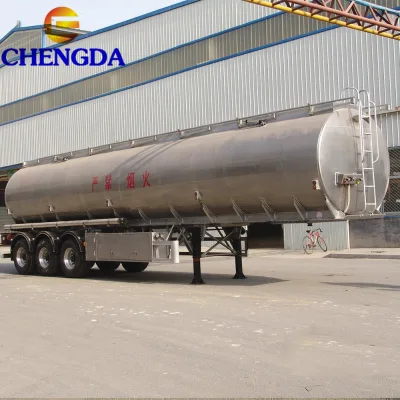
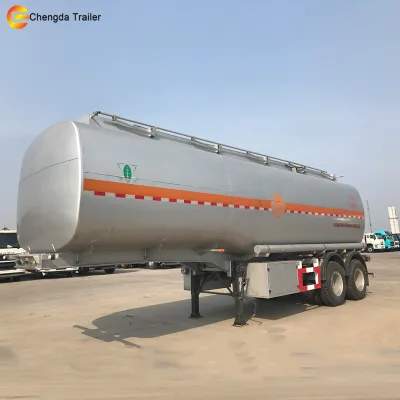


Customized Fuel Tanker Trailer with 1-9 Compartments for Versatility
$11000.00 - $19000.00
MOQ: 1 Sets


Comprehensive Sourcing Guide
Strategic Sourcing Guide for Fuel Tanker Trailers with Fuwa Axles
Technical Architecture and Axle Configuration
When sourcing a fuel tanker trailer equipped with a Fuwa axle, the buyer must first understand that the axle assembly is the critical load-bearing component that dictates the vehicle's stability and payload capacity. The Fuwa brand is frequently cited in the market as a standard for heavy-duty suspension, often appearing alongside other reputable manufacturers like BPW in product specifications. The technical architecture of these trailers typically involves a three-axle configuration, which is essential for distributing the weight of liquid cargo, such as fuel, across the road surface to meet legal limits.
The axle system integrates with a trailing arm type suspension system, a design choice that offers superior stability for heavy loads compared to leaf spring setups in certain operational contexts. For a typical fuel tanker semi-trailer, the working platform size and overall dimensions are crucial for compatibility with existing fleets. Observed specifications for such units often include a working platform size of approximately 11,900 mm in length, 2,500 mm in width, and a height around 3,440 mm to 3,720 mm. The wheelbase for these heavy-duty units generally falls within the 7,000 mm to 9,000 mm range, a dimension that directly influences the turning radius and maneuverability of the tractor-trailer combination.
The material composition of the trailer body is equally significant. The tank body is typically constructed from Q235 carbon steel with a thickness of 5mm, ensuring durability against the corrosive nature of certain fuels and the mechanical stress of transport. The structural frame often utilizes heavy-duty steel grades, though some listings may indicate medium-duty variants depending on the specific load capacity requirements. The trailer connects to the towing vehicle via a semi-trailer connecting type, often featuring a gooseneck design that can rise up to 300 mm to facilitate loading and unloading operations. The towing pin itself is a critical interface, often specified as an "I" type with a diameter of 90 mm, constructed from carbon steel to withstand high tensile forces.
Compliance, Certification, and Regulatory Standards
Navigating the regulatory landscape is paramount when importing fuel tanker trailers, as the transportation of hazardous materials is subject to stringent international and domestic regulations. Buyers must verify that the supplier can provide valid documentation for all required certifications. The market data indicates a range of certifications that may be applicable, including SGS, DOT (Department of Transportation), ISO, ECE (Economic Commission for Europe), GCC (Gulf Cooperation Council), and CCC (China Compulsory Certification). The presence of ISO/TSCCC and ISOCE certifications suggests adherence to specific international quality and safety management systems, which is vital for cross-border trade.
For fuel transport, the ABS Anti-lock Braking System is a non-negotiable safety feature in many jurisdictions. While some product listings may indicate the absence of an ABS system, compliant units for international export must be equipped with an ABS Anti-lock Braking System to ensure braking stability under emergency conditions. The braking system components, such as brake pads, are often made from NAO Ceramic material, which offers high thermal resistance and durability. Furthermore, the trailer must meet specific dimensional standards, such as the ISO standard for container and cargo dimensions, ensuring that the unit fits within legal width and height limits on public roads.
The standard dimensions observed in the market, such as 11,900 mm by 2,500 mm by 3,900 mm, must be cross-referenced with the specific regulations of the destination country. For instance, the width of 2,500 mm is a common standard, but local variations may exist. Buyers should explicitly request the "prod_standard" documentation to confirm that the trailer meets the specific regulatory framework of their operating region. Additionally, the origin of the product, often listed as China (Mainland) or specifically Shandong province, should be verified to ensure that the manufacturing facility adheres to the quality control protocols required for the target market.
Cost Drivers and Pricing Dynamics
The pricing of fuel tanker trailers with Fuwa axles is influenced by a complex interplay of material costs, axle specifications, and customization requirements. The observed price range for these units in the market spans from 5,000 to 30,000 USD, a wide variance that reflects differences in load capacity, tank volume, and the specific configuration of the axle and suspension systems. A unit with a 45,000-liter fuel tank capacity and a 40,000 kg total weight rating will naturally command a higher price point than a lighter, medium-duty variant.
The choice of axle is a primary cost driver. While Fuwa is a premium brand, the inclusion of this specific axle model adds to the overall cost compared to generic or unbranded alternatives. The material grade also plays a significant role; heavy-duty steel grades used for the chassis and tank body increase the manufacturing cost but offer a longer service life. Buyers should also consider the cost of customization. While customization is available for many units, specific requests for extended tank bodies, specialized coatings, or unique suspension setups can significantly alter the final price.
The Minimum Order Quantity (MOQ) is another factor affecting the unit cost. The observed MOQ range is between 1 and 5 units. Purchasing a single unit may result in a higher per-unit cost due to setup and logistics expenses, whereas ordering within the higher end of the MOQ range could potentially unlock volume discounts. Packaging and shipping methods, such as container shipping, bulk cargo ships, or RO-RO (Roll-on/Roll-off) ships, also contribute to the landed cost. The logistics of transporting a large semi-trailer require specialized handling, and the choice of shipping method will impact the final price delivered to the buyer's location.
Typical Applications and Operational Use Cases
Fuel tanker trailers with Fuwa axles are primarily designed for the logistics of transporting liquid commodities, with a specific focus on fuel and other hazardous liquids. The "All Kinds of Tanker" loading capability suggests versatility, allowing these units to handle various types of liquid cargo depending on the tank lining and design. The 45,000-liter capacity mentioned in specific models indicates that these trailers are suitable for long-haul transport operations where maximizing payload efficiency is critical.
The heavy-duty nature of these trailers makes them ideal for construction, mining, and industrial supply chains where robust equipment is required to handle demanding terrains and high-volume loads. The trailing arm suspension system provides a smoother ride, which is beneficial for transporting volatile liquids that require stable conditions to prevent sloshing and potential safety hazards. The self-dumping feature, while noted in some listings, is less common for fuel tankers which typically rely on pump systems for unloading; however, buyers should verify if the specific unit is designed for self-dumping or if this is a feature of a different trailer type in the same product line.
The operational environment also dictates the choice of tires. Listings often mention Triangle or Double Coin tires, which are known for their durability and performance in various road conditions. The choice of tire brand can affect the maintenance schedule and overall operating costs. For buyers operating in regions with extreme weather or rough road conditions, selecting a trailer with high-quality tires and a robust axle system is essential for maintaining uptime and safety.
Supplier Evaluation and Verification Protocols
Evaluating a supplier for fuel tanker trailers requires a rigorous due diligence process that goes beyond the initial product listing. Buyers should verify the supplier's ability to provide the full suite of certifications, including SGS, DOT, and ISO, which serve as proof of compliance with international standards. The origin of the product, specifically whether it is manufactured in China (Mainland) or Shandong, should be confirmed to ensure transparency in the supply chain.
When assessing a supplier, buyers should request detailed technical drawings and specifications that match the observed attributes, such as the 90mm towing pin diameter and the specific axle configuration. It is crucial to verify the "Condition" of the product, ensuring that the trailers are indeed new and not refurbished units misrepresented as new. The supplier's ability to offer customization is a key differentiator; buyers should inquire about the flexibility of the supplier to modify the tank body, suspension, or axle configuration to meet specific operational needs.
The supplier's track record in handling logistics is also important. Given the size and weight of these trailers, the supplier must have experience in packaging and shipping via container, bulk cargo ship, or RO-RO ship. Buyers should ask for references from previous clients who have purchased similar units to gauge the supplier's reliability and after-sales support capabilities.
Quality Control and Long-Term Procurement Considerations
Quality control for fuel tanker trailers involves a multi-stage inspection process that covers the manufacturing, assembly, and pre-delivery phases. Buyers should insist on a comprehensive quality assurance protocol that includes material testing for the Q235 carbon steel and the Fuwa axle components. The brake system, including the NAO Ceramic brake pads and the ABS Anti-lock Braking System, must be tested to ensure they meet safety standards.
Long-term procurement considerations extend beyond the initial purchase price. Buyers should evaluate the availability of spare parts, particularly for the Fuwa axle and other critical components. The lead time for these units, which can vary based on customization and production schedules, should be clearly defined to avoid delays in the supply chain. The warranty terms and the supplier's commitment to after-sales service are also critical factors in the decision-making process.
| Feature | Observation | Verification Requirement |
|---|---|---|
| Axle Brand | Fuwa, BPW | Request axle certification and load rating docs |
| Tank Material | Q235 Carbon Steel | Verify thickness (5mm) and coating specs |
| Certifications | SGS, DOT, ISO, ECE | Confirm validity for destination country |
| Braking System | ABS, NAO Ceramic Pads | Test braking performance and ABS functionality |
| Dimensions | 11900x2500x3720mm | Cross-reference with local road regulations |
| Load Capacity | 15T to 50T | Confirm Gross Vehicle Weight Rating (GVWR) |
In conclusion, sourcing a fuel tanker trailer with a Fuwa axle requires a balanced approach that considers technical specifications, regulatory compliance, cost factors, and supplier reliability. By adhering to the verification protocols outlined above, buyers can ensure they acquire a high-quality, compliant, and efficient asset that meets their operational needs. The wide range of available options, from medium-duty to heavy-duty configurations, allows for tailored solutions that align with specific logistics challenges and budget constraints.
FAQs
What certifications do fuel tanker trailers with fuwa axle have?
These trailers typically hold SGS, DOT, ISO, ECE, GCC, and CCC certifications. Buyers must verify specific documentation for their destination country, as compliance requirements vary by region and hazardous material regulations.
How much does a Fuel Tanker Trailer with Fuwa Axle cost?
The observed price range spans from 5,000 to 30,000 USD depending on configuration. Costs vary based on load capacity, tank volume, and whether the unit is heavy-duty or medium-duty grade.
Which axle brands are available for fuel tanker trailers with fuwa axle?
The primary axle brands include Fuwa and BPW. These heavy-duty axles are standard for distributing liquid cargo weight across three-axle configurations to meet legal road limits.
Can I customize the Fuel Tanker Trailer with Fuwa Axle dimensions?
Customization is available for specific buyer requirements. Options may include adjusting the tank body thickness or working platform size, though standard dimensions like 11,900 mm length are common.
What is the minimum order quantity for fuel tanker trailers with fuwa axle?
The minimum order quantity ranges from 1 to 5 units. Ordering within this range affects the per-unit cost due to setup and logistics expenses associated with large semi-trailers.
How is the Fuel Tanker Trailer with Fuwa Axle connected to the truck?
The connection type is a semi-trailer configuration featuring an I-type towing pin. The pin has a 90 mm diameter made of carbon steel to withstand high tensile forces.
What material is used for the tank body of fuel tanker trailers with fuwa axle?
The tank body is constructed from Q235 carbon steel with a 5 mm thickness. This material ensures durability against corrosive fuels and mechanical stress during long-haul transport operations.