Source Fuel Tank Anti-Collision Motorcycle Bumper for Honda, Click, and Custom Builds
Find 30 verified listings for the Fuel Tank Anti-Collision Motorcycle Bumper designed for Honda, Click, and custom builds. Buyers can compare materials like iron and stainless steel, certifications including ISO9001 and CE, and customization options to select the right heavy-duty protection.
Key considerations
Products List


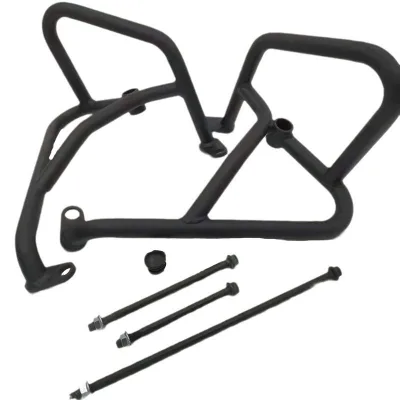

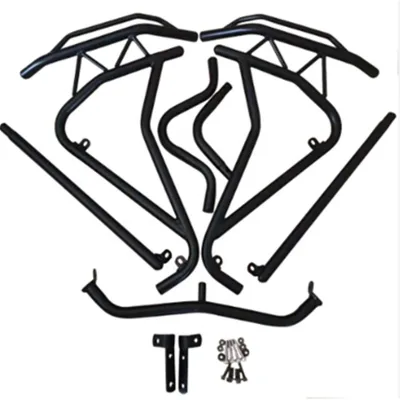
Hotsale Motorcycle Front Bumper for Click 125i Accessories Crash Guard Bumper
$15.90 - $22.50
MOQ: 100 sets
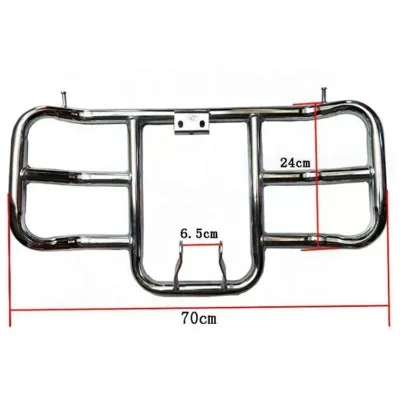
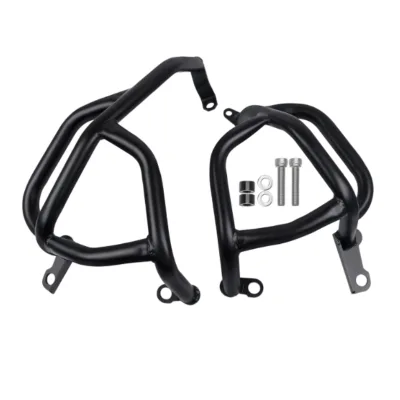
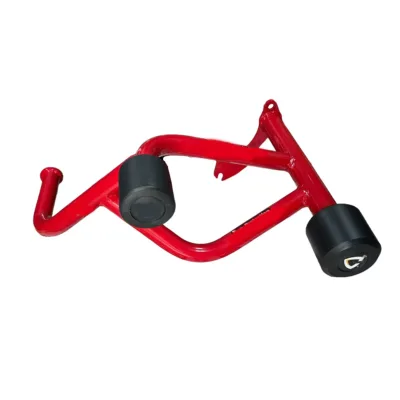


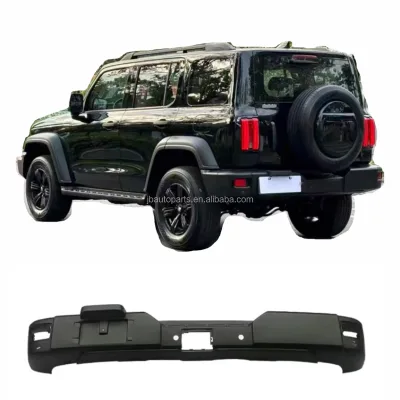
Brand New ABS Rear Bumper for Tank 300 Low-Speed Collision Protection for Car's Exterior
$274.99 - $290.27
MOQ: 1 centimeters


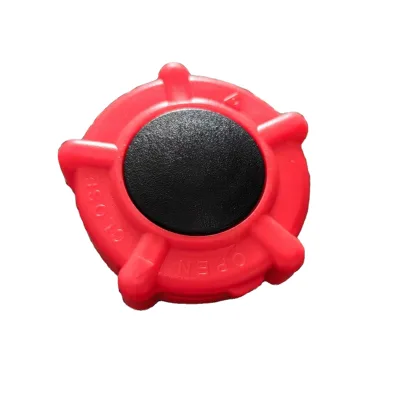

High Quality Modified Front Tire Bumper Bumper Guards Front Fenders Motorcycle Mudguard
$16.00 - $18.00
MOQ: 55 Pieces

Comprehensive Sourcing Guide
Fuel Tank Anti-Collision Motorcycle Bumper Sourcing Guide
Procuring fuel tank anti-collision motorcycle bumpers requires a precise understanding of the specific vehicle platform and the protective role these components play in both urban commuting and off-road scenarios. These parts, often categorized as crash guards or bumper buffers, are designed to absorb impact energy and prevent damage to the fuel tank and engine casing during low-speed collisions or accidental drops. Buyers must distinguish between general-purpose protective bars and specialized units engineered for specific models, such as the Honda CM300 or the Click 125, as fitment tolerances vary significantly across different manufacturers and engine capacities.
The sourcing landscape for these components reveals a diverse range of materials and structural designs, from heavy-duty iron and stainless steel bars to rubber-filled gas springs used as shock absorbers. While some listings emphasize customization options for logos and dimensions, others focus on standardized replacement parts for repair purposes. Understanding whether the procurement need is for a rigid structural guard or a damping buffer is critical, as the material selection directly influences the weight, durability, and aesthetic integration with the motorcycle's existing frame and bodywork.
Product Scope and Observed Listing Signals
The market for motorcycle anti-collision bumpers presents a wide spectrum of product attributes, including variations in color, material composition, and structural configuration. Observed listings indicate that these components are frequently available in silver and black finishes, constructed from materials ranging from iron and carbon steel to stainless steel and rubber. Buyers should note that while some products are marketed as "Heavy Duty" crash guards, others are specifically identified as "Rubber Anti Shock Bumpers" with single-cylinder gas-filled structures, necessitating a clear definition of the intended function before initiating a purchase order.
Listing signals also highlight significant variability in packaging and customization capabilities, which can impact logistics and branding strategies. Suppliers often offer options for plywood cases, cartons with pallets, or custom packaging upon request, while many explicitly state that logo addition and OEM customization are available services. The observed price range spans from nominal entry-level costs to premium pricing for specialized units, with minimum order quantities (MOQ) fluctuating between single items and bulk orders of 100 pieces or more, requiring buyers to align their volume requirements with supplier thresholds.
Technical Specifications to Verify
Verifying the technical specifications of a fuel tank anti-collision bumper is essential to ensure compatibility and functional integrity, particularly regarding the model number and fitment data. Buyers must cross-reference the product model, such as "Click 125" or "Honda CM300 bars," against their specific motorcycle inventory to avoid fitment issues. Additionally, the physical dimensions and weight, such as a 1.2kg unit or specific single package sizes, must be confirmed to ensure the added component does not adversely affect the vehicle's center of gravity or handling characteristics.
Structural and material specifications further define the performance capabilities of the bumper, requiring verification of the spring type, damping force direction, and cylinder structure. For instance, some units utilize air springs with rubber materials and single-effect damping forces, while others rely on rigid carbon steel or stainless steel frames. Buyers should also confirm the drawing format availability, such as PDF or DXF files, to validate that the supplier can provide the necessary engineering data for custom modifications or integration into existing assembly lines.
Compliance and Safety Documentation
Ensuring that the supplied motorcycle bumpers meet relevant safety and quality standards is a fundamental requirement for B2B procurement, particularly for components that interact with the vehicle's structural integrity. The observed product data indicates that suppliers may hold certifications such as ISO9001, CCC, CE, and ISO-TS16949, which serve as indicators of a manufacturer's commitment to quality management systems and automotive industry standards. However, buyers must treat these certifications as observations of specific listings rather than universal guarantees, verifying that the specific batch of goods being purchased carries the appropriate documentation.
Safety documentation should also include clear statements regarding the product condition, warranty terms, and compliance with local regulations. Listings often specify that products are "New" and come with warranty periods, such as a 6-month coverage, which provides a baseline for liability and replacement policies. Furthermore, the standard of the product, whether defined as "Custom" or "As Per Drawing," must be explicitly agreed upon in the contract to ensure that the final delivered goods meet the precise safety and performance expectations required for the target market.
Cost Drivers and Commercial Terms
The commercial terms associated with sourcing fuel tank anti-collision bumpers are heavily influenced by the level of customization, material costs, and order volume. Payment terms typically require a 50% deposit followed by a 50% balance, a standard practice that mitigates risk for both the buyer and the supplier during the production cycle. The lead time, observed at approximately 35 days for customized orders, is a critical factor in supply chain planning, as delays in production can disrupt inventory levels and affect the availability of replacement parts for end-users.
Material selection and packaging requirements also serve as significant cost drivers, with options ranging from standard cartons to specialized plywood cases or custom palletized shipments. The ability to add a logo or customize the product model number often incurs additional tooling or setup costs, which should be factored into the total landed cost calculation. Buyers must carefully evaluate the trade-off between the lower unit price of standard items and the higher value of customized solutions that offer better brand differentiation and market fit.
Supplier Qualification and Quality Control
Supplier qualification for motorcycle bumper components requires a rigorous assessment of their manufacturing capabilities, particularly regarding their ability to handle custom drawings and maintain consistent quality. The presence of specific certifications like ISO-TS16949 suggests a supplier's capacity to meet automotive industry requirements, but buyers should verify these credentials through direct communication or third-party audits. Additionally, the supplier's location, such as Zhejiang in China, and their experience with specific motorcycle models like the Click 125 or Honda CM300, are key indicators of their technical proficiency and supply chain reliability.
Quality control processes must be clearly defined to ensure that the delivered bumpers meet the specified performance criteria, such as heavy-duty durability or specific damping characteristics. Buyers should request sample units to test the fitment, material strength, and finish quality before committing to large-scale orders. The availability of detailed product drawings in PDF or DXF formats is also a positive indicator of a supplier's transparency and readiness to collaborate on engineering specifications, ensuring that the final product aligns with the buyer's technical requirements.
Long-Term Procurement Checks
Establishing a long-term procurement strategy for fuel tank anti-collision bumpers involves regular monitoring of supplier performance, product consistency, and market trends. Buyers should implement a system for tracking lead times, defect rates, and adherence to agreed-upon specifications to identify any deviations that could impact the supply chain. Regular audits of the supplier's quality management systems and certification renewals are necessary to maintain the high standards required for automotive components, ensuring that the products remain compliant with evolving safety regulations.
Furthermore, maintaining a flexible relationship with suppliers allows buyers to adapt to changes in demand, material costs, and customization requirements. The ability to source parts for various motorcycle models, from 125CC to 150CC engines, provides a buffer against market fluctuations and ensures a steady supply of replacement parts for repair and maintenance services. By continuously evaluating the supplier's capacity for innovation and their responsiveness to feedback, buyers can secure a reliable source for high-quality motorcycle bumpers that support their long-term business objectives.
FAQs
What materials are used for fuel tank anti collision motorcycle bumpers?
These bumpers are typically manufactured from iron, stainless steel, or carbon steel to ensure durability and impact resistance. The choice of material depends on the desired weight and corrosion resistance. Some variants also incorporate rubber components for shock absorption, providing a robust solution for protecting the motorcycle's fuel tank and frame during off-road or urban riding conditions.
Can I customize the design of the motorcycle bumper?
Yes, customization is available for most fuel tank anti collision motorcycle bumpers. Buyers can provide PDF or DXF drawings for specific dimensions and shapes. The service supports OEM customized production, allowing for tailored fits for various motorcycle models. This ensures that the bumper meets specific aesthetic or functional requirements while maintaining structural integrity and proper installation.
What is the typical lead time for ordering these bumpers?
The standard lead time for production is approximately 35 days from the confirmation of the order and deposit. This timeframe allows for manufacturing, quality control, and preparation for shipment. Buyers should account for this duration when planning inventory, especially for customized orders that require additional processing time for tooling or specific material sourcing before final assembly.
Which certifications do these motorcycle bumpers typically hold?
Manufacturers often provide products certified under ISO9001, CCC, CE, and ISO-TS16949 standards. These certifications indicate adherence to quality management systems and safety regulations. Buyers should verify specific certification documents with the supplier to ensure compliance with local import regulations and quality expectations. These standards are crucial for maintaining consistent product quality and reliability in the automotive aftermarket sector.
What are the payment terms for bulk orders?
The common payment term requires a 50% deposit to initiate production and the remaining 50% balance before shipment. This structure protects both the buyer and the manufacturer during the production cycle. Buyers should confirm the exact payment schedule with the supplier, as terms may vary based on order size, customization complexity, and the established relationship between the parties involved in the transaction.
How are the bumpers packaged for shipping?
Products are typically packed in plywood cases, cartons, or on pallets to ensure safe transit. The packaging is designed to prevent damage during long-distance shipping, especially for heavy-duty metal components. Some suppliers offer carton cases or specific packaging upon request to meet particular logistical requirements. Proper packaging is essential to maintain the condition of the bumpers until they reach the final destination.