Source Fuel Tanker Male Coupler for Bus Stations, Ports, and Wharves
Find and compare 30 Fuel Tanker Male Coupler options for underground and semi-underground installations. Evaluate metal spherical and column designs with horizontal or vertical mounting, including quick coupling and dispenser components for industrial logistics.
Key considerations
Products List


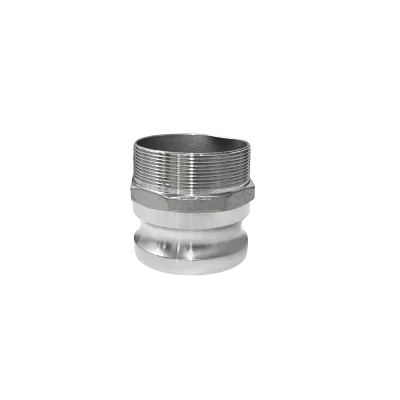


Fuel Tank Truck Joint 3" Male Dry Quick Coupling Oil Tanker Accessories
$110.00 - $120.00
MOQ: 10 Pieces


Best Quality 2 Inch Dry Quick Connection Coupling Male Oil Tanker Accessories
$53.00 - $55.00
MOQ: 10 Pieces


Comprehensive Sourcing Guide
Fuel Tanker Male Coupler Sourcing Guide
Procuring fuel tanker male couplers requires a disciplined approach to aligning component specifications with the rigorous demands of liquid fuel logistics. These critical connectors serve as the primary interface between transport vehicles and storage infrastructure, ensuring a leak-free transfer of volatile liquids like gasoline, kerosene, and diesel. Buyers must recognize that the market offers a diverse range of designs, from spherical quick couplings to column-mounted dispensers, each tailored for specific operational environments such as bus stations, ports, and wharves. The selection process hinges on matching the coupler's mechanical properties, such as operating pressure and temperature tolerance, to the specific fluid dynamics of the intended application.
The sourcing landscape for these components is characterized by a wide variance in product attributes, including mounting types, material compositions, and capacity ratings. While some listings highlight spherical metal couplers designed for underground or semi-underground installations, others focus on vertical column units with specific flow rates and working pressures. This diversity necessitates a clear definition of requirements before engaging with suppliers, as a component suitable for a high-flow port terminal may be incompatible with a smaller bus station dispenser. Understanding these distinctions prevents the procurement of mismatched hardware that could compromise safety or operational efficiency during fuel transfer operations.
Product Scope and Observed Listing Signals
The observed product listings reveal a broad spectrum of fueling hardware, ranging from specialized vapor recovery couplers to standard fuel nozzles and quick couplings. Buyers should note that specific models, such as the GY514SS and GY-514, are associated with aluminum vapor recovery systems, while other entries describe standard export carton packaging for different nozzle types. The presence of items labeled as "Full Trailer" or "Fuel Dispenser" components indicates that the market includes both the coupling hardware itself and the broader assembly units in which they are integrated. This variety suggests that a single supplier may offer a portfolio of related products, requiring buyers to carefully distinguish between the specific male coupler and the complete dispenser assembly.
Listing signals also indicate significant variation in physical characteristics, including shape, capacity, and mounting orientation. Some products are described as spherical with horizontal mounting, while others are column-shaped with vertical mounting, reflecting different installation requirements for underground versus above-ground systems. Capacity ratings observed in the data range from 30ml to 50ml, though these figures likely refer to specific component volumes or packaging capacities rather than the total fuel transfer capacity of the tanker system. Buyers must verify that the listed shape and mounting type align with the physical constraints of their existing infrastructure to ensure a seamless fit during installation.
Technical Specifications to Verify
Technical verification begins with confirming the material composition and casting methods used in the coupler's construction. The available data points to the use of metal, specifically nonferrous alloys, often produced via sand casting with permanent form usage. This manufacturing approach influences the durability and corrosion resistance of the component, which is critical for handling aggressive media like gasoline and diesel. Buyers should request detailed metallurgical reports to ensure the alloy composition meets the specific chemical resistance requirements of the fuel types being transported, as variations in alloy content can significantly impact long-term performance in harsh environments.
Pressure and temperature ratings are equally critical parameters that must be validated against operational conditions. Observed specifications include a working pressure of 5bar and a pressure rating of 0.6MPa, with an operating temperature range spanning from -20°C to +70°C. These figures define the safe operating envelope for the coupler, and exceeding them could lead to seal failure or structural deformation. Additionally, the sealing material, identified as NBR in some listings, must be compatible with the specific fuel medium to prevent degradation. Buyers should verify that the stated flow rates, such as 2500L/Min, are achievable without causing excessive pressure drops or turbulence that could damage the coupling mechanism.
Compliance and Safety Documentation
Safety compliance for fuel handling equipment relies heavily on adherence to recognized international standards and rigorous certification processes. The observed product data references standards such as BS and specific size standards like 3" and 4", which serve as benchmarks for dimensional and functional compatibility. However, buyers must ensure that the specific coupler model being sourced is certified against the relevant safety standards for the target market, as local regulations may impose stricter requirements than the general industry standards listed. Documentation should explicitly confirm that the product meets the necessary safety protocols for handling volatile fuels in industrial settings.
Certification status is a primary indicator of a supplier's commitment to quality and safety management. Listings indicate the presence of CE and ISO 9001:2000 certifications, which suggest that the manufacturing processes adhere to established quality management systems. These certifications are essential for verifying that the production facility maintains consistent quality control and that the products undergo necessary testing before shipment. Buyers should request current copies of these certificates and verify their validity with the issuing bodies to ensure that the supplier's quality claims are legitimate and up to date, rather than relying on outdated or unverified documentation.
Cost Drivers and Commercial Terms
The cost of fuel tanker male couplers is influenced by a complex interplay of material costs, manufacturing complexity, and customization requirements. The use of nonferrous alloys and specialized casting methods like sand casting contributes to the base material cost, while surface treatments such as spray painting and precision machining with tolerances of +/-0.02mm add to the processing expenses. Customization availability is a significant factor, as bespoke designs or specific packing requirements, such as aluminum vapor recovery couplers, often command a premium over standard off-the-shelf components. Buyers should anticipate that higher precision and specialized finishes will result in higher unit costs.
Commercial terms, including Minimum Order Quantity (MOQ) and packaging specifications, play a crucial role in the total cost of ownership. The observed MOQ range spans from 1 to 100 units, offering flexibility for both small-scale procurement and bulk industrial orders. Packaging varies from standard export carton boxes to specific configurations like 10PCS per 14kgs for fuel nozzles, which affects shipping logistics and handling costs. Buyers must evaluate the trade-off between unit price and order volume, considering that larger orders may reduce the per-unit cost but increase the initial capital outlay and storage requirements.
Supplier Qualification and Quality Control
Supplier qualification for fuel handling components requires a thorough assessment of their manufacturing capabilities and quality assurance protocols. The data indicates that suppliers are located in regions such as Jiangsu and Jiangsu Xuzhou in China, which are known industrial hubs for metal casting and machinery. Buyers should verify the supplier's specific production capacity and their ability to maintain consistent quality across large batches, particularly given the critical safety nature of the products. A qualified supplier should demonstrate a robust track record in producing components with precise machining tolerances and reliable surface treatments.
Quality control measures must extend beyond final inspection to include process monitoring during casting and machining. The observed specifications, such as surface roughness of Ra0.2 and machining tolerances of +/-0.02mm, require strict process control to achieve. Buyers should inquire about the supplier's internal testing procedures, including pressure testing and leak detection, to ensure that every unit meets the required performance standards. Additionally, the use of permanent casting forms and specific casting methods suggests a need for consistent mold maintenance and quality checks to prevent defects that could compromise the integrity of the coupler during high-pressure fuel transfer.
Long-Term Procurement Checks
Establishing a long-term procurement relationship for fuel tanker male couplers involves regular performance monitoring and supply chain stability assessments. Buyers should implement a system for tracking the performance of installed couplers in the field, noting any instances of leakage, wear, or seal failure. This data is essential for validating the supplier's claims regarding product durability and for identifying potential issues before they escalate into safety hazards. Continuous feedback loops between the buyer and the supplier can drive improvements in product design and manufacturing processes over time.
Supply chain resilience is another critical factor for long-term success, particularly given the specialized nature of fuel handling equipment. Buyers should assess the supplier's ability to maintain consistent lead times and inventory levels, especially for customized components or specific models like the GY608 or JSCLK01. Diversifying the supplier base or establishing backup agreements can mitigate the risk of supply disruptions. Furthermore, regular audits of the supplier's quality management systems and certification status ensure that the partnership remains compliant with evolving safety standards and regulatory requirements.
FAQs
What customization options are available for fuel tanker male couplers?
Customization is available for these products to meet specific buyer requirements. The items include various models like GY514SS and GY-514 with different capacities and mounting types to suit diverse operational needs.
Which mounting types are offered for underground fuel couplers?
Horizontal mounting types are available for underground applications. Some products also support vertical mounting for semi-underground installations, ensuring flexibility in how the equipment is installed at bus stations or ports.
Can I find fuel couplers with CE and ISO certifications?
Yes, certified products are available with CE and ISO 9001:2000 standards. These certifications ensure the quality and safety of the metal components used in the manufacturing process for reliable fuel handling operations.
What is the typical capacity range for these fuel dispenser components?
The observed capacity ranges from 30ml to 50ml for specific models. These capacities are designed for efficient fuel transfer in environments like wharves and ports where precise measurement is critical for safety.
How are these metal couplers packaged for export?
Packaging options include aluminum vapor recovery couplers and standard export carton boxes. Some items are packed as 10 pieces per 14 kilograms, ensuring safe transport and protection during international shipping logistics.
What materials are used to manufacture these fuel couplers?
The products are primarily made of metal using nonferrous alloys. The manufacturing process involves sand casting with permanent form usage, followed by spray-paint surface treatment to achieve a roughness of Ra0.2.
Which operating methods are used for these mechanical couplers?
Mechanical operating methods are standard for these quick coupling devices. They are designed to handle gasoline, kerosene, and diesel at temperatures between -20 and +70 degrees Celsius with a pressure rating of 0.6MPa.