Source Full Body Foot Bath Massager for Home Spa, Clinic Recovery, and Wellness Retail
Browse 30 listings for the Full Body Foot Bath Massager, from manual spa units to air compression therapy systems with LCD controls and FDA/ISO-CE certification. Compare pressure range, cuff sizes, voltage, plug types, packing options, and customization to match home wellness, clinic recovery, or retail needs.
Key considerations
Products List


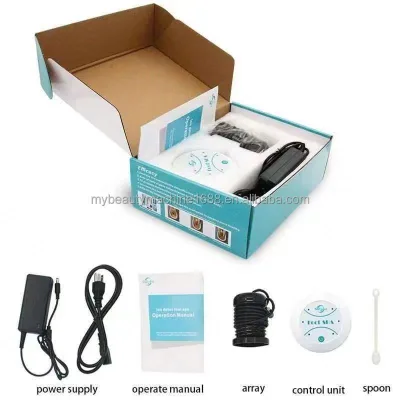
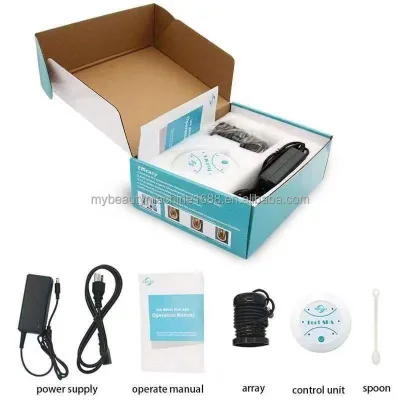


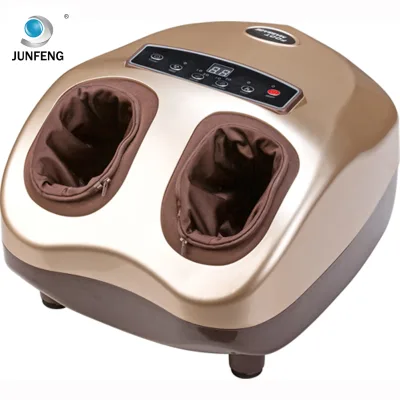


Plastic Handheld Back Massager, Full Body SPA Bath Shower Body Massager
$0.65 - $0.80
MOQ: 1000 Pieces


Comprehensive Sourcing Guide
Full Body Foot Bath Massager Sourcing Guide
Sourcing full body foot bath massagers requires a nuanced understanding of the intersection between hydrotherapy, pneumatic compression, and general wellness devices. The market for these products is diverse, ranging from simple electric foot spas designed for basic soaking and heating to complex air compression systems that target the legs, arms, and waist. Buyers must distinguish between devices that rely primarily on water and heat for relaxation and those that utilize mechanical pressure or electrical stimulation for therapeutic circulation improvement. This distinction is critical because it dictates the technical specifications, safety certifications, and commercial terms required for a successful procurement cycle.
The procurement landscape for these items is characterized by a wide variance in product attributes, including power sources, material compositions, and target user groups. While some listings emphasize features like waterproofing and specific plug types for global compatibility, others focus on orthopedic applications and blood circulation improvement. Understanding these variations allows buyers to align their sourcing strategy with their specific end-market needs, whether that be retail wellness centers, medical supply distributors, or direct-to-consumer e-commerce platforms. The following guide provides a structured approach to navigating these complexities.
Product Scope and Observed Listing Signals
The observed product range includes devices categorized under orthopedics, air compression therapy, and general foot care. Specific models identified in market listings include the FMR0923, Fo3001-Digital, Fo3002, and FO3009, indicating a variety of form factors and functionalities. These products are often marketed with attributes such as "Air Compression Leg Massager Pants" or "Foot Spa Bath Massager," highlighting the dual nature of the category. Buyers should note that while some units are designed for localized foot treatment, others are part of a larger system that includes cuffs for legs, arms, and waists, suggesting a broader scope of application for full-body circulation support.
Key attributes observed in current listings provide insight into the technical capabilities and user experience of these devices. For instance, many units feature LCD displays, multiple operating modes (such as 6 modes labeled A through G), and adjustable pressure ranges, with some citing specific metrics like 30-250mmhg. The power specifications vary, with some devices being manual while others operate on electrical power, with observed wattage around 30W and voltage ranges of 100v-240v. Additionally, the presence of accessories like remote controls and various plug types (JP, US, EU, UK, etc.) underscores the importance of verifying compatibility with the target market’s electrical standards before placing bulk orders.
Technical Specifications to Verify
When evaluating technical specifications, buyers must prioritize the verification of physical dimensions and material composition to ensure product durability and user comfort. The observed data indicates that cuff materials often include TPU (Thermoplastic Polyurethane), which is selected for its flexibility and resistance to wear, while the main body of foot spas may utilize PP (Polypropylene) and TPE blends. It is essential to confirm the exact dimensions of the cuffs, as observed ranges for leg sizes include 91cm, 110cm, and 125cm, and arm sizes around 87cm and 90cm. These measurements directly impact the fit and effectiveness of the compression therapy, making accurate specification verification a critical step in quality assurance.
Electrical and operational parameters require rigorous testing to ensure safety and performance consistency. Buyers should verify the treating time options, which may include intervals of 10, 20, 30, 40, 50, and 60 minutes, and confirm the stability of the pressure output across different modes. The waterproof rating is another crucial specification, particularly for foot bath models, where direct water exposure is inevitable. Additionally, the single package size and weight, such as the observed 45X36X43 cm dimensions and 3.9KG weight, are vital for calculating logistics costs and storage requirements. Ensuring that the voltage and plug types match the destination market is non-negotiable to prevent electrical hazards and customer returns.
Compliance and Safety Documentation
Compliance with international safety and quality standards is a prerequisite for importing and selling health and wellness devices. The observed listings frequently mention certifications such as FDA, ISO, and CE, which are critical for market access in regions like North America, Europe, and Asia. Buyers must request valid certification documents and verify their authenticity with the respective issuing bodies, as the presence of a logo on a product does not guarantee compliance. For devices claiming therapeutic benefits, such as improving blood circulation, regulatory scrutiny may be higher, requiring additional documentation to substantiate these claims and ensure the device is classified correctly as a wellness aid rather than a medical device.
Beyond product-specific certifications, buyers must ensure that the manufacturing process adheres to recognized quality management standards. ISO certification, particularly ISO 13485 for medical devices or ISO 9001 for general quality management, indicates a supplier’s commitment to consistent production processes. It is also important to verify that the materials used, such as TPU and PP, are free from harmful substances like phthalates or heavy metals, especially since these products come into direct contact with the skin. Buyers should include clauses in their contracts that hold suppliers accountable for providing up-to-date compliance documentation and adhering to any changes in regulatory requirements for the target markets.
Cost Drivers and Commercial Terms
The cost structure for full body foot bath massagers is influenced by several factors, including the complexity of the electronic components, the quality of materials, and the level of customization offered. Devices with advanced features such as digital LCD displays, multiple pressure modes, and remote controls typically command higher prices than basic models. The observed price range of 0.65-356 USD reflects this disparity, with lower-end items likely being simple foot spas and higher-end items being comprehensive air compression systems. Buyers should analyze the bill of materials to understand the cost breakdown and negotiate based on volume, as the observed MOQ range of 1-1000 units offers flexibility for different business models.
Commercial terms, including packaging and warranty, play a significant role in the total cost of ownership. The observed packaging options, such as color boxes, carry bags, and backpacks, add to the unit cost but can enhance the product’s retail appeal. Buyers should clarify whether the packaging is designed for individual sale or bulk shipping, as this affects logistics efficiency. Additionally, the warranty period, often cited as 1 year in listings, should be clearly defined in the purchase agreement, including the process for handling defective units and the provision of spare parts. Understanding these terms helps in forecasting long-term costs and managing customer service expectations.
Supplier Qualification and Quality Control
Supplier qualification is a critical step in mitigating supply chain risks, particularly for electronic health devices. Buyers should conduct thorough due diligence on potential suppliers, verifying their business licenses, manufacturing capabilities, and export experience. Given that the observed products originate from regions like Zhejiang and Guangdong in China, buyers should consider visiting the factory or hiring a third-party inspection agency to assess the production environment and quality control processes. This is especially important for verifying that the suppliers have the necessary equipment to test electrical components and pressure systems before shipment.
Quality control measures should be integrated into the procurement process from the initial sample stage to final shipment. Buyers should establish clear acceptance criteria based on the technical specifications, including dimensional accuracy, material integrity, and functional performance. Random sampling inspections should be conducted to check for defects in packaging, labeling, and accessories. It is also advisable to perform functional tests on a sample batch to ensure that the pressure modes, timing functions, and electrical safety features operate as intended. Establishing a robust quality control protocol helps in maintaining product consistency and protecting the brand’s reputation in the market.
Long-Term Procurement Checks
Long-term procurement success depends on continuous monitoring of supplier performance and market trends. Buyers should establish key performance indicators (KPIs) to track supplier reliability, including on-time delivery rates, defect rates, and responsiveness to issues. Regular audits and performance reviews should be conducted to ensure that suppliers continue to meet quality and compliance standards. Additionally, buyers should stay informed about changes in regulatory requirements and technological advancements in the health and wellness sector to ensure that the products they source remain competitive and compliant.
Building a strong relationship with suppliers can lead to better pricing, priority production, and access to new product developments. Buyers should engage in open communication with their suppliers, providing feedback on product performance and customer experiences. This collaborative approach can help in identifying areas for improvement and fostering innovation. Furthermore, diversifying the supplier base can mitigate risks associated with supply chain disruptions. By maintaining a strategic approach to supplier management, buyers can ensure a stable and efficient supply of full body foot bath massagers, supporting their business growth and customer satisfaction.
FAQs
How does a Full Body Foot Bath Massager improve blood circulation?
A Full Body Foot Bath Massager improves blood circulation by combining water massage, heat, and acupressure on the feet, which stimulates blood flow in the lower limbs. Many related air compression leg massager pants work with pressure settings from 30 to 250 mmHg across multiple modes, applying sequential inflation to push blood and lymph fluid upward. Adults with sensitive circulation should consult a doctor before regular use.
What certifications should a Full Body Foot Bath Massager have before importing?
Listed products carry ISO, CE, and FDA certification, which are the most commonly requested documents for this category. Ask each supplier for the certificate numbers and scope covering the exact model, such as the FO3001 or FO3002, rather than a factory-wide certificate. For US retail, confirm FDA registration applies to the device classification, and verify CE documentation includes test reports for electrical safety.
Can the massage settings be adjusted for different treatment times and modes?
Yes, models such as the FO3001-Digital offer six modes labeled A through G with selectable treating times of 10, 20, 30, 40, 50, and 60 minutes, shown on an LCD display. Pressure range settings between 30 and 250 mmHg let users match intensity to comfort. Check with suppliers whether the remote control and preset programs can be customized for your market.
What comes in a standard set when ordering a compression leg massager system?
A standard set typically includes one machine plus two leg cuffs, with arm and waist cuffs available as part of a full leg, arm, and waist massager system. Cuffs are made of TPU and come in sizes such as XXL, XL, L, and M for legs measuring 91, 110, and 125 centimeters. Packaging options include a color box, carry bag, or backpack, so confirm the configuration before ordering.
Which cuff sizes and voltage options are available for international buyers?
Cuffs are offered in multiple sizes including XXL, XL, L, and M, with leg sizes of 91, 110, and 125 centimeters and arm sizes around 87 and 90 centimeters. Devices support 100V to 240V voltage, and plug types include US, EU, UK, JP, ZA, and IT, so the product can be configured for most destination markets. Confirm your plug type and size mix with the supplier at order time.
How is a foot spa massager packed and what are the unit dimensions?
Standard packing is a box, with color box, carry bag, and backpack options available depending on the model. A typical single package size is 45 by 36 by 43 centimeters with a unit weight around 3.9 kilograms, which matters for calculating shipping cost and container loading. Ask suppliers for the exact packing list per carton and whether retail-ready packaging can be customized with your brand.
Can I order custom-branded full body foot bath massagers in small quantities?
Yes, customization is available from listed suppliers, and minimum order quantities vary widely from as low as 1 unit for some listings up to 1000 units. Lower MOQs usually apply to stock models, while custom colors, logos, packaging, or programming changes typically require higher volumes. Request a written quotation stating MOQ, customization scope, and lead time before committing.
What warranty and after-sales support do these massagers include?
Listed foot spa massager products include a 1 year warranty, which covers manufacturing defects under normal household or professional use. When comparing suppliers, confirm what the warranty specifically covers, such as the motor, pump, or control unit, and whether spare parts or repair documentation are provided. Also clarify who bears return shipping costs for warranty claims in cross-border orders.