Source Swing Feet and Legs Ankle Rest for Gym, Home, and Commercial Use
Compare 30 products featuring Swing Feet and Legs Ankle Rest options for gymnasiums, home setups, and commercial facilities. Listings include models with steel tubes, fabric materials, and customizable features from suppliers in China.
Key considerations
Products List
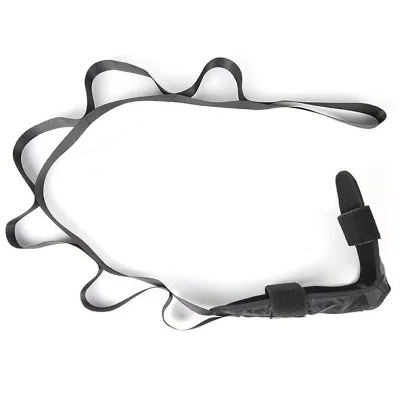


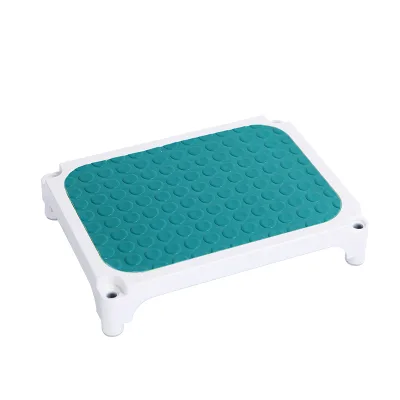


Adjustable Adjustable Foot Calf Stretcher Incline Board Wooden Slant Board
$13.28 - $14.88
MOQ: 100 Pieces


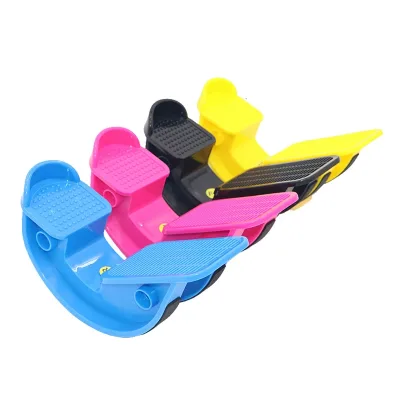


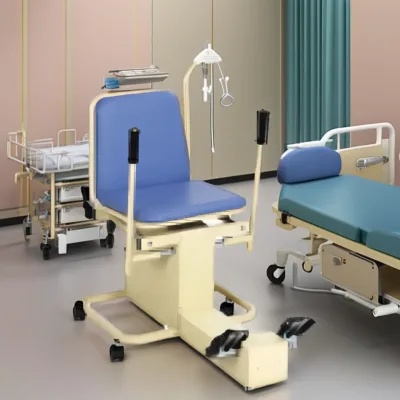

Adjustable Incline Elastic Wooden Slant Board Exercises for Foot Rest W01f099
$10.00 - $20.00
MOQ: 100 Pieces
Comprehensive Sourcing Guide
Strategic Sourcing Guide for Swing Feet and Legs Ankle Rest Components
The procurement of Swing Feet and Legs Ankle Rest components requires a nuanced understanding of the intersection between structural integrity, ergonomic design, and regulatory compliance. In the B2B market, these components are not merely hardware; they are critical safety and functional elements found in gymnasium equipment, home fitness machines, and specialized rehabilitation devices. Buyers must navigate a complex landscape where material grades, manufacturing origins, and certification standards dictate the viability of a supplier partnership. This guide provides a disciplined approach to sourcing these specific components, relying strictly on observable product attributes and established industry knowledge to mitigate risk and ensure quality.
Technical Specifications and Material Composition
When evaluating Swing Feet and Legs Ankle Rest units, the primary technical differentiator lies in the material composition and structural dimensions. The supplied product data reveals a distinct split in material profiles, indicating that different models serve different load-bearing requirements. Some units are constructed from a combination of Oxford fabric and sponge, suggesting applications where user comfort and portability are paramount, such as in foldable or lightweight home gym setups. Conversely, other entries explicitly list steel as the primary material, with specific references to Q235 steel tubes. This grade of steel is a standard for structural applications, offering a balance of strength and weldability essential for heavy-duty gymnasium equipment.
Dimensional specifications are equally critical for integration. The data indicates specific tube sizes, such as 50100mm, which serve as a baseline for structural rigidity. Buyers must verify that the tube dimensions align with the intended load capacity of the final assembly. Furthermore, the presence of stainless steel feet in certain models points to environments where corrosion resistance is necessary, such as high-humidity commercial gyms or outdoor facilities. The standard dimensions provided, such as 168011301290mm or 1260590*990mm, likely refer to the overall footprint or packaging dimensions of the complete unit rather than the individual ankle rest component. Sourcing managers must clarify whether the component dimensions are fixed or customizable, as the data notes that customization is available for several product lines.
| Feature Category | Observed Attribute | Implication for Procurement |
|---|---|---|
| Primary Material | Oxford + Sponge, Steel, Fabric | Determines use case: Comfort vs. Structural Load |
| Structural Grade | Q235 Steel Tube | Indicates standard industrial strength for heavy equipment |
| Surface Finish | Stainless Steel Feet | Essential for corrosion resistance in wet environments |
| Dimensions | 50*100mm Tube, Variable Standard Sizes | Must match machine frame specifications exactly |
| Configuration | Foldable, Unfolded, 2 Fixing Straps | Affects storage logistics and assembly complexity |
Compliance and Certification Verification
In the fitness and rehabilitation equipment sector, compliance is not optional; it is a prerequisite for market entry. The product data explicitly lists certifications such as CE, ISO, RoHS, and ISO9001. These are not merely marketing labels but indicators of adherence to specific safety and quality management protocols. The CE marking, for instance, signifies conformity with health, safety, and environmental protection standards for products sold within the European Economic Area. Similarly, ISO9001 certification validates that the manufacturer operates under a robust quality management system, which is crucial for maintaining consistency in batch production.
Buyers must exercise caution when interpreting these certifications. The data shows variations, such as "CE, ISORoHS" versus "CE & ISO9001," suggesting that different models or production lines may hold different certification statuses. It is imperative to request valid, up-to-date certificates for the specific model number being procured, such as TZ 5051 or TZ-8130, rather than accepting generic claims. The RoHS (Restriction of Hazardous Substances) directive is particularly relevant for components containing metals and plastics, ensuring that the materials do not exceed limits on hazardous substances like lead or mercury.
Furthermore, the "Exercise Part" attribute in the data mentions specific body areas like "Leg" and "Neck." This implies that the equipment may be subject to mechanical safety standards related to dynamic loading. Buyers should verify that the swing feet and ankle rests have undergone stress testing to ensure they can withstand the repetitive motion and weight of adult users without structural failure. The absence of specific test result data in the general product listing means that buyers must request third-party test reports or internal quality control logs to confirm that the components meet the necessary safety thresholds before finalizing an order.
Cost Drivers and Pricing Dynamics
The pricing structure for Swing Feet and Legs Ankle Rest components is influenced by a complex array of factors, including material costs, manufacturing complexity, and order volume. The observed price range in the market spans from $0.01 to $620, a variance that reflects the difference between simple replacement parts and complete, integrated machine units. For a buyer sourcing individual components, the lower end of this spectrum likely represents basic hardware or accessories, while the higher end corresponds to fully assembled units with advanced features like custom logos, specific folding mechanisms, or premium packaging.
The Minimum Order Quantity (MOQ) is another significant cost driver. The data indicates an MOQ range from 1 to 100,000 units. Suppliers with high MOQs often offer lower per-unit costs due to economies of scale, making them suitable for large-scale manufacturers. Conversely, suppliers with low MOQs cater to smaller buyers or those testing new product lines, though the per-unit cost may be higher. The "Selling Units" attribute noting "Single item" suggests that some suppliers are willing to sell in small batches, which can be advantageous for prototyping but less cost-effective for mass production.
Packaging also impacts the final landed cost. The data lists "Opp bag" for some items and "Plywood Box" or "Plywood Case" for others. Plywood packaging is more expensive but offers superior protection for heavy steel components during international shipping, reducing the risk of damage and associated replacement costs. Buyers should calculate the total cost of ownership, including shipping and insurance, rather than focusing solely on the unit price. Additionally, the "Customization" attribute, which includes options for custom logos and colors, will invariably add to the cost. Buyers must weigh the marketing value of customization against the additional expense, especially if the component is an internal part not visible to the end consumer.
Typical Applications and Usage Scenarios
The versatility of Swing Feet and Legs Ankle Rest components is evident in the diverse applications listed in the product data. These components are primarily designed for "Gymnasium" and "Home" environments, serving both commercial and residential markets. The "Age Group" is specified as "Adult," and the "Gender" is "Unisex," indicating that the design is intended for general adult fitness and rehabilitation use. The specific mention of "Exercise Part: Leg" and "Neck" suggests that these components are integral to machines targeting lower body strength training and neck rehabilitation, respectively.
In commercial gymnasiums, durability and safety are the primary concerns. The use of Q235 steel and stainless steel feet in these settings ensures that the equipment can withstand high-frequency use by multiple users daily. The "Commercial" grade designation further supports this application, implying that the materials and construction are built to withstand the rigors of a public facility. In contrast, home gym equipment often prioritizes space-saving features. The "Foldable" and "Eco-friendly" attributes found in the data are particularly relevant for home users who may have limited space and are increasingly conscious of environmental impact.
The "Power Source: Manual" attribute clarifies that these components are part of non-motorized resistance training systems. This distinction is important for buyers, as it eliminates the need for electrical safety certifications related to motors but places a higher premium on mechanical reliability. The "Style: Modern" and "Color: Black, Grey, Red, Blue" options allow manufacturers to align the equipment with current interior design trends, which is a key selling point for both home and commercial buyers. Understanding these application contexts helps buyers select the right component specifications for their target market, ensuring that the product meets the specific needs of the end-user.
Supplier Evaluation and Origin Analysis
Selecting the right supplier is a critical step in the procurement process, and the origin of the product plays a significant role in this decision. The data indicates that the primary places of origin are Jiangsu, China, and Dezhou, Shandong. These regions are known for their robust manufacturing capabilities in the steel and fitness equipment sectors. Jiangsu, in particular, is a hub for textile and composite materials, which aligns with the "Oxford+sponge" material profile. Shandong is renowned for its heavy industry and steel production, supporting the "Steel" and "Q235" material profiles.
When evaluating suppliers, buyers should verify the authenticity of the origin claims. The data lists "prod_origin" for different models, suggesting that different factories or production lines may be involved. It is essential to confirm that the supplier has direct control over the manufacturing process or a verified partnership with the factory in the specified location. This verification helps prevent issues related to quality inconsistency or supply chain disruptions. Additionally, the "Condition: New" attribute confirms that the products are not refurbished, which is a standard expectation but worth explicitly confirming to avoid misunderstandings.
The "Customization: Available" and "Logo: Custom" attributes indicate that suppliers are capable of offering OEM (Original Equipment Manufacturer) services. This is a valuable capability for buyers looking to brand the equipment under their own name. However, buyers should assess the supplier's capacity to handle custom orders without compromising lead times or quality. The "Package: Opp bag" versus "Plywood Box" distinction also serves as an indicator of the supplier's logistics capabilities. Suppliers offering robust packaging solutions are better equipped to handle international shipping and ensure that the components arrive in pristine condition.
Quality Control and Long-Term Procurement Strategy
Implementing a rigorous quality control (QC) strategy is essential for maintaining the integrity of the supply chain. Given the structural nature of Swing Feet and Legs Ankle Rest components, QC should focus on material verification, dimensional accuracy, and finish quality. Buyers should request mill certificates for the steel components to verify the Q235 grade and ensure that the stainless steel feet meet corrosion resistance standards. Dimensional checks should be performed to confirm that tube sizes, such as the 50*100mm specification, are within acceptable tolerances.
For long-term procurement, building a relationship with a reliable supplier is more beneficial than seeking the lowest price. The data shows a wide range of MOQs, suggesting that suppliers are flexible in their order quantities. Buyers should negotiate terms that allow for gradual scaling of orders, starting with smaller batches to validate quality before committing to larger volumes. The "Customization" aspect should be leveraged to create a unique product offering, but buyers must ensure that the customization process does not introduce new failure points.
Finally, buyers should consider the lifecycle of the product. The "Eco-friendly" attribute suggests that some components are designed with sustainability in mind, which can be a significant selling point in modern markets. However, the "Folded" and "Unfolded" states also imply a need for durability in the folding mechanisms. Long-term procurement should include a plan for spare parts and maintenance, ensuring that the equipment remains operational for its intended lifespan. By focusing on these strategic elements, buyers can secure a supply chain that is resilient, compliant, and capable of delivering high-quality Swing Feet and Legs Ankle Rest components.
FAQs
What materials are used for Swing Feet and Legs Ankle Rest units?
Materials include Oxford fabric with sponge for comfort and Q235 steel for structural strength. Some units feature stainless steel feet for corrosion resistance in humid environments. The choice depends on whether the application requires portability or heavy-duty load bearing.
Which certifications do these fitness components typically hold?
Common certifications include CE, ISO, RoHS, and ISO9001. These indicate compliance with safety and quality management standards. Buyers should verify specific certificates for models like TZ 5051 to ensure they meet regional regulatory requirements before ordering.
How can I find suppliers offering custom logo options?
Suppliers explicitly list customization as available for logos and colors. You can request OEM services from manufacturers in Jiangsu or Shandong. This allows branding the equipment while maintaining the standard foldable or fixed configurations found in the product data.
What is the typical MOQ range for these ankle rest components?
The minimum order quantity ranges from 1 to 100,000 units depending on the supplier. Lower MOQs suit prototyping, while higher volumes reduce per-unit costs. Check specific listings to confirm if single-item sales are available for your initial needs.
Can these units be sourced from specific Chinese manufacturing regions?
Yes, products originate from Jiangsu and Dezhou, Shandong. Jiangsu is known for textile composites, while Shandong specializes in steel production. Selecting a supplier from these regions ensures access to the specific material grades like Q235 steel or Oxford fabric.
What packaging options are available for shipping heavy steel units?
Options include Opp bags for lighter items and plywood boxes or cases for heavy steel components. Plywood packaging offers superior protection during international transit. Choose based on the machine weight, which can reach up to 165kg for larger units.