Source Cute Fluffy Embroidered Rabbit Doll for Gifts, Decor, and Play
Find 30 options for the Cute Fluffy Embroidered Rabbit Doll, featuring soft microfiber and polyester materials. Compare sizes from 24cm to 78cm, check CE and ASTM certifications, and review OEM customization details for bulk orders; compare the available evidence and request quotations based on your requirements.
Key considerations
Products List


Eco-Friendly Rabbit Plush Toy Decoration Soft Partner Rabbit Doll for Home Decoration
$2.50 - $10.38
MOQ: 500 Pieces


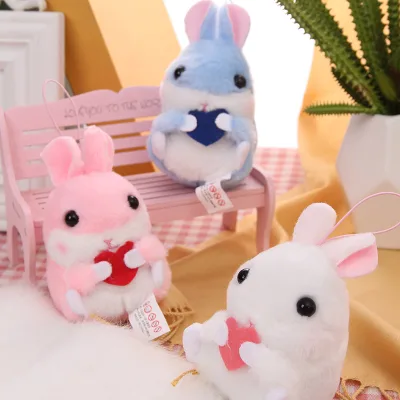
Cute Colorful Rabbit Doll Plush Stuffed Toy Simulation Little Rabbit Toy
$0.80 - $3.00
MOQ: 500 Pieces




Comprehensive Sourcing Guide
Cute Fluffy Embroidered Rabbit Doll Sourcing Guide
Buyers seeking cute fluffy embroidered rabbit dolls must first distinguish between generic plush items and those with specific design attributes like the observed soft polyester and acrylic fabric combinations. The market offers variations ranging from short plush toys to larger models, with some suppliers providing customization options for size and design. Understanding these distinctions is critical before initiating contact, as the intended application—whether for birthday gifts, home decoration, or direct entertainment—dictates the required material quality and structural integrity.
Procurement teams should verify that the selected supplier can consistently deliver the "soft" tactile experience implied by the product descriptions while maintaining the embroidered details that define the rabbit aesthetic. The observed listings indicate a wide range of sizes, from 24cm to 78cm, which directly impacts material consumption and shipping costs. Buyers must clarify whether the "fluffy" descriptor refers to the pile density of the microfiber or polyester fabric, as this affects the final hand-feel and durability of the finished doll.
Product Scope and Observed Listing Signals
The current market signals for rabbit plush toys reveal a diverse range of specifications, including models with cotton filling and others utilizing high-quality soft fabrics. Some listings explicitly mention a "sitting animal" style, while others focus on general modeling sources like animals or specific design inspirations. Buyers should note that while many products are suitable for all ages, specific listings target the 3-8 years demographic, requiring careful alignment with the intended end-user group to ensure the product matches the safety and play expectations of the target market.
Pricing and minimum order quantities (MOQ) show significant variance, with observed ranges spanning from $0.64 to $10.38 and MOQs between 10 and 1000 units. This disparity suggests that buyers can access both low-volume trial orders and large-scale production runs, but the unit cost will fluctuate based on the chosen size, material complexity, and customization level. It is essential to confirm whether the listed price includes the swing tag and OPP bag packaging or if these are separate line items, as the observed packing methods vary from individual OPP bags to bulk carton shipments.
Technical Specifications to Verify
When evaluating technical specifications, buyers must confirm the exact dimensions and modeling source of the rabbit doll to ensure it meets the design brief. The observed data includes specific standard sizes such as 24cm, 35cm, and 58cm, alongside custom options, but the final product must match the requested length precisely. Verification of the filling material, specifically whether it is cotton or another soft filler, is necessary to guarantee the desired plushness and shape retention over time, as these factors directly influence the perceived quality and longevity of the toy.
Manufacturing techniques also require strict verification, particularly regarding the "hand-made" attributes and the specific embroidery quality of the rabbit features. Buyers should request samples to assess the stitching density and the durability of the embroidered details against the soft polyester and acrylic fabric. Additionally, the packaging specifications, which range from individual LDPE bags with swing tags to bulk cartons, must be confirmed to ensure the product arrives in the condition required for retail display or direct gifting without damage.
Compliance and Safety Documentation
Safety compliance is non-negotiable for plush toys intended for children, and buyers must verify that the supplier holds valid certifications such as CE, EN71, ASTM, CPSIA, and REACH. These standards are critical for ensuring the product meets international safety requirements regarding flammability, chemical content, and mechanical hazards. Without these specific certifications, the product may face regulatory hurdles in key markets, potentially leading to recalls or shipment rejections, so documentation must be current and applicable to the specific model and material composition.
Beyond certifications, buyers should ensure that the product design aligns with the age recommendations provided, particularly for items targeting the 3-8 years age group. The presence of small parts or loose embroidery threads can pose choking hazards, so the supplier must demonstrate that the construction methods prevent such risks. Verification of the "suitable for all ages" claim requires a thorough review of the physical sample to confirm that no components can be easily detached or ingested, ensuring the toy remains safe throughout its intended lifecycle.
Cost Drivers and Commercial Terms
The final cost of a Cute Fluffy Embroidered Rabbit Doll is driven by several variables, including the complexity of the embroidery, the type of fabric used, and the chosen size. Larger models require more material and filling, which increases the unit cost, while custom designs or logos may incur additional setup fees. Buyers should analyze the trade-off between the observed price range of $0.64 to $10.38 and the specific features requested, ensuring that the budget accommodates the necessary quality standards without compromising on safety or durability.
Commercial terms regarding lead times and sample availability are equally important for effective procurement planning. The observed data indicates that samples can be finished within one week, which is a favorable timeline for product validation, but bulk production lead times must be explicitly confirmed. Buyers should also clarify the payment terms and the impact of the MOQ on the unit price, as ordering closer to the 1000-unit threshold may yield better economies of scale compared to smaller orders near the 10-unit minimum.
Supplier Qualification and Quality Control
Supplier qualification should focus on their ability to handle OEM and ODM requests while maintaining consistent quality across large production runs. The observed listings confirm that customization is available, including the ability to incorporate customer logos and specific design elements, but the supplier must demonstrate a robust quality control process to ensure these customizations do not compromise the structural integrity of the plush toy. Buyers should request evidence of their production capacity and past performance in delivering similar items to verify their reliability.
Quality control measures must extend to the final inspection of the finished rabbit dolls, checking for defects in the stitching, fabric consistency, and filling distribution. Since the products are described as "hand-made," there is a higher risk of variation between units, making a rigorous inspection protocol essential. Buyers should establish clear acceptance criteria for visual defects and ensure the supplier has a mechanism for addressing any non-conformities before the goods are shipped, thereby minimizing the risk of receiving substandard inventory.
Long-Term Procurement Checks
Establishing a long-term partnership requires regular audits of the supplier's production processes and adherence to agreed-upon quality standards. Buyers should schedule periodic reviews to ensure that the materials, such as the microfiber or polyester fabric, remain consistent in quality and that the embroidery techniques continue to meet the specified aesthetic and safety requirements. This proactive approach helps prevent drift in product quality over time and ensures that the supplier remains aligned with the buyer's evolving market needs.
Continuous monitoring of market trends and regulatory changes is also vital for maintaining a competitive edge in the plush toy sector. As safety standards and consumer preferences evolve, the supplier must be agile enough to adapt their production methods and material sourcing accordingly. Buyers should maintain open communication channels to discuss potential design updates or new certifications that may become necessary, ensuring that the supply chain remains resilient and responsive to future challenges.
FAQs
What materials are used for the rabbit plush toy?
The rabbit plush toy is crafted from soft microfiber and polyester fabrics, ensuring a comfortable and durable texture for all ages. The filling consists of high-quality cotton, providing a plush and supportive feel. These materials are selected to meet safety standards such as CE, En71, ASTM, and CPSIA, making them suitable for children and collectors alike.
Can I customize the design and logo of the plush toy?
Yes, customization is available for both OEM and ODM requests. Buyers can provide custom designs and logos to be printed or embroidered on the plush toy. The product supports various sizes, including 24cm, 38cm, 58cm, and 78cm, allowing for tailored specifications. This flexibility ensures the final product aligns perfectly with your brand identity or specific project requirements.
What are the packaging options for bulk orders?
Each toy is individually packed in an OPP bag or LDPE plastic bag with a swing tag. For bulk shipments, items are packed into export-standard cartons. Specific carton dimensions are available, such as 34x20x24 cm, ensuring efficient storage and transportation. This packaging method protects the plush toys from damage while maintaining their aesthetic appeal upon arrival at the destination.
How long does it take to produce a sample?
Samples are typically finished within one week. For rabbit plush toys, the sample process is straightforward and efficient. While some samples may be charged, others are provided free of charge depending on the supplier's policy. This quick turnaround allows buyers to verify quality, material, and design accuracy before committing to larger production runs.
What certifications do the plush toys hold?
The plush toys hold several key safety certifications, including CE, En71, ASTM, CPSIA, and Reach. These certifications ensure that the products meet international safety and quality standards for children's toys. Compliance with these standards is crucial for importing and selling in various global markets, providing assurance of safety and quality for end-users and retailers.
What is the minimum order quantity for these toys?
The minimum order quantity ranges from 10 to 1000 pieces, depending on the specific product and customization requirements. This flexible MOQ allows both small businesses and large retailers to place orders that suit their inventory needs. Buyers can negotiate specific quantities with suppliers to find the best balance between cost efficiency and stock availability.