Source Full Face Diving Mask for Scuba, Snorkeling, and Swimming
Compare 30 Full Face Diving Mask options from verified suppliers. Browse models like M-193 and BZ with silicone materials, CE certification, and customization available for scuba diving, snorkeling, and swimming applications; compare the available evidence and request quotations based on your requirements.
Updated
Key considerations
Products List
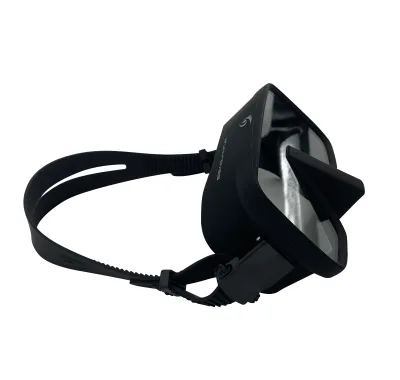


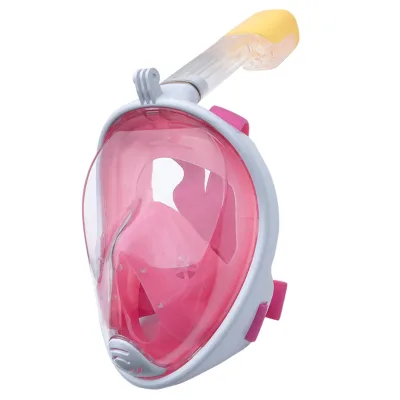
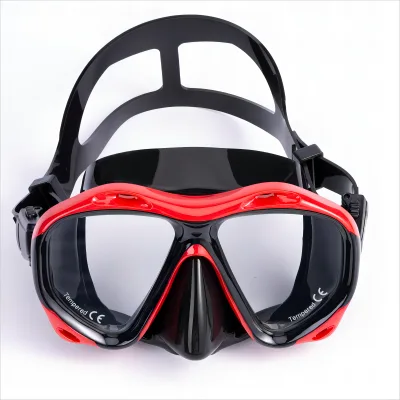
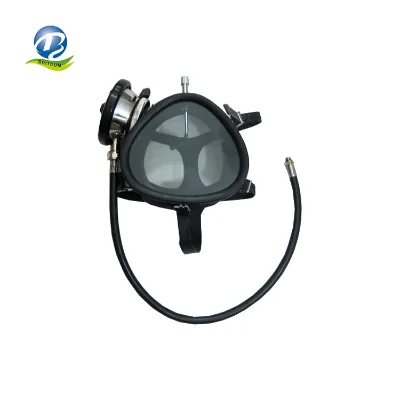
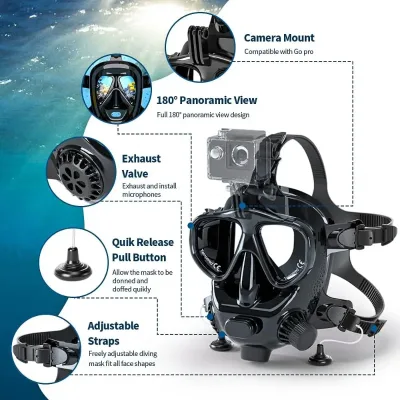
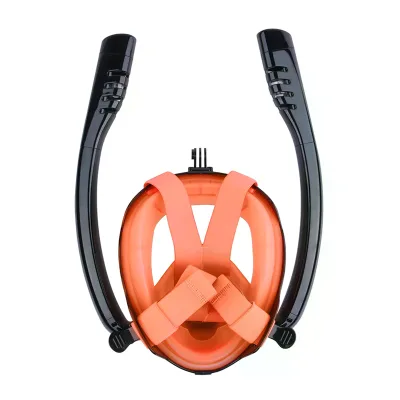
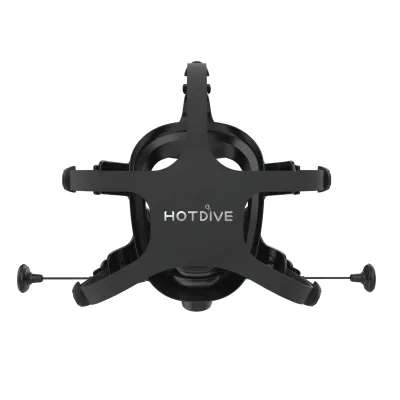
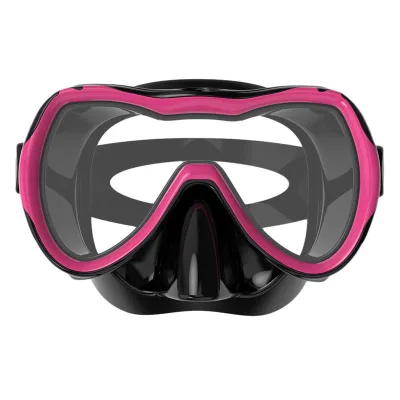
HotDive DM11 Diving Mask | Soft Silicone Clear View Scuba and Snorkeling Mask
$5.1956 - $9.4398
MOQ: 1 pieces
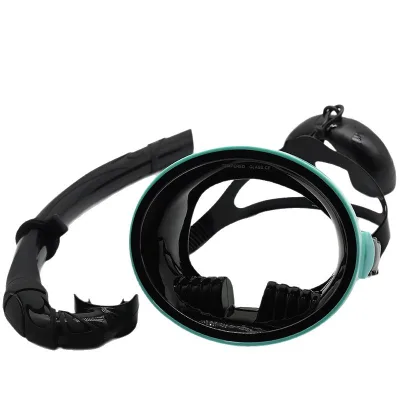


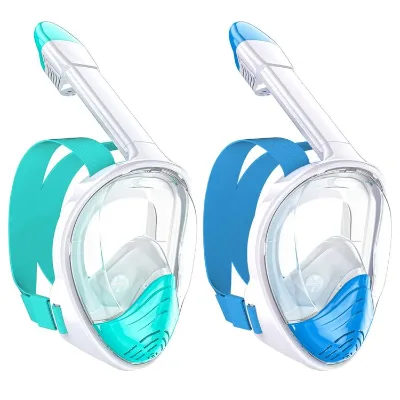


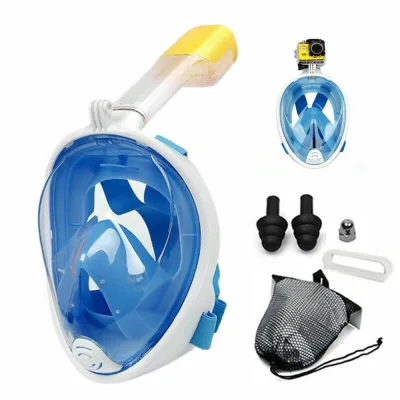
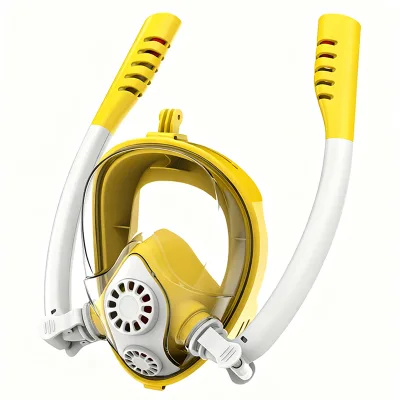
Comprehensive Sourcing Guide
Full Face Diving Mask Sourcing Guide
Procuring full face diving masks requires a nuanced understanding of product variations, as the market offers distinct designs ranging from single-lens configurations to specialized seal goggles. Buyers must first distinguish between masks intended for recreational snorkeling and those engineered for technical scuba diving, as the structural integrity and material composition differ significantly. The observed product landscape includes items labeled as "Free diving Face Mask" alongside those designated for "Snorkeling Swimming Diving," indicating a broad spectrum of utility. Sourcing teams should carefully evaluate whether the intended use case demands the specific design features found in seal-style goggles or standard single-lens masks, ensuring the selected product aligns with the operational environment.
Commercial listings reveal a diverse array of specifications, with model numbers such as M-193, BZ, M106, and GN-FSM21 appearing across various supplier catalogs. These identifiers are critical for traceability and quality assurance, allowing buyers to request precise technical datasheets for each variant. The presence of multiple model numbers suggests that manufacturers often produce similar-looking masks with underlying differences in frame geometry, lens curvature, or skirt material. Procurement specialists should treat these model codes as primary verification points, cross-referencing them against supplier documentation to confirm that the physical product matches the advertised technical profile before initiating any bulk orders.
Product Scope and Observed Listing Signals
The observed market signals indicate a wide range of product attributes, including materials such as PC combined with silicone or pure silicone constructions. These material choices directly impact durability, comfort, and optical clarity, with eco-friendly silicone emerging as a notable advantage in current listings. Buyers should note that while some products are described as having a "Black" or "Blue" color, the core functional difference often lies in the silicone quality and the rigidity of the polycarbonate lens. The weight variations, ranging from 0.2kg to 0.6kg per unit, suggest differences in material thickness and frame robustness, which are key indicators of build quality and long-term wear resistance.
Listing data also highlights significant variability in packaging and branding, with options including clam shells, paper boxes, and carton packing for bulk shipments. Brands such as Marset and LXY are present, alongside OEM service availability for logo and package customization. This flexibility allows buyers to tailor products for specific retail channels or corporate gifting needs. However, the presence of "Customization: Available" and "OEM Service: Available" requires careful contract management to ensure that branding changes do not compromise the structural integrity of the mask. Procurement teams must verify that custom packaging does not introduce additional risks during transit, particularly for fragile lens components.
Technical Specifications to Verify
Dimensional accuracy is a critical verification step, as observed sizes vary from compact packages measuring 14.5x8x10 cm to larger single package sizes of 16x8x12 cm. These dimensions reflect the internal volume and external footprint of the mask, influencing fit and compatibility with different face shapes. Buyers should request detailed size charts, noting that some listings specify "S" size while others imply universal fit for adults and youth. The discrepancy between "Applicable People: Adults" and "Suitable for: Adult Youth" necessitates clear sizing guidelines to prevent returns due to fit issues. Verifying the exact internal volume and skirt diameter is essential for ensuring a watertight seal across diverse user demographics.
Model-specific technical data must be scrutinized, particularly regarding the lens type and frame design. Products identified as "Single lens mask" or "Diving Mask" may have different optical properties and pressure-equalization mechanisms. The inclusion of "Design: Seal Goggles" suggests a specialized form factor that may offer wider peripheral vision but requires specific fitting protocols. Buyers should confirm whether the mask includes display features or remains a standalone unit, as this affects the user experience and potential need for additional accessories. Detailed technical sheets should outline the lens material thickness, anti-fog coating availability, and the specific silicone grade used in the skirt to ensure optimal performance.
Compliance and Safety Documentation
Safety certification is paramount for diving equipment, with CE marking observed in several product listings as a baseline compliance indicator. Buyers must verify that the CE certification covers the specific model and material composition, ensuring that the manufacturer has undergone rigorous testing for pressure resistance and leak prevention. While standards such as EN 16805, EN 1972, and ISO 16900 are mentioned in background contexts, their direct applicability to full face diving masks requires explicit confirmation from the supplier. Procurement teams should request valid test reports that demonstrate compliance with relevant safety standards, focusing on impact resistance, optical clarity, and material toxicity.
Documentation should also include detailed material safety data sheets, particularly for silicone components that come into direct contact with the user's skin. Buyers should verify that the silicone is hypoallergenic and free from harmful phthalates or heavy metals, especially given the "Eco-friendly Silicone" claims in some listings. The "Condition: New" attribute is standard, but buyers must ensure that the manufacturing process maintains strict hygiene and quality controls. Requesting third-party lab test results for material safety and durability can provide additional assurance, reducing liability risks associated with product failure in aquatic environments.
Cost Drivers and Commercial Terms
Pricing structures in the observed market range from $3.8 to $128, reflecting significant variations in material quality, brand positioning, and certification levels. Lower price points may correspond to basic PC and silicone constructions with minimal packaging, while higher prices likely include premium silicone, advanced anti-fog treatments, and comprehensive certification packages. Buyers should analyze the cost breakdown to understand what value drivers are included, such as OEM customization, specialized packaging, or extended warranty terms. It is crucial to avoid selecting products based solely on unit price, as lower costs may correlate with reduced durability or inadequate safety testing.
Minimum Order Quantities (MOQ) vary widely, with observed ranges from 1 to 1000 units, and some listings specifying an MOQ of 10. This flexibility allows buyers to test market demand with smaller initial orders before committing to larger volumes. However, higher MOQs may offer better per-unit pricing and more favorable lead times, typically ranging from 15 to 30 days. Procurement teams should negotiate terms that balance inventory risk with cost efficiency, considering the seasonal nature of diving and snorkeling equipment. Clear communication regarding lead times is essential to align production schedules with market demand peaks, avoiding stockouts or excess inventory.
Supplier Qualification and Quality Control
Supplier qualification should begin with verifying the place of origin, with Shanghai, Jiangsu, and general China locations noted in the data. Buyers should assess the manufacturing capabilities of suppliers in these regions, focusing on their experience in producing diving masks and their adherence to quality management systems. The availability of OEM services indicates a level of manufacturing sophistication, but buyers must conduct on-site audits or request detailed factory profiles to ensure consistent production standards. Verifying the supplier's history with similar products and their ability to handle customization requests is critical for long-term partnership success.
Quality control protocols must be explicitly defined in the purchase agreement, including pre-shipment inspection criteria and defect rate thresholds. Buyers should specify acceptable tolerances for dimensional accuracy, material defects, and packaging integrity. Given the variability in observed weights and sizes, random sampling inspections are recommended to ensure batch consistency. Establishing a clear process for handling non-conforming products, including return policies and corrective action requirements, protects the buyer from receiving substandard inventory. Regular quality audits and performance reviews help maintain high standards and foster continuous improvement in the supply chain.
Long-Term Procurement Checks
Long-term procurement success depends on establishing robust feedback loops with end-users to monitor product performance in real-world conditions. Buyers should track metrics such as leak rates, comfort levels, and durability over time to identify potential design flaws or material degradation issues. This data can inform future purchasing decisions and guide negotiations with suppliers for improved product specifications. Regularly reviewing supplier performance against agreed-upon KPIs, including on-time delivery and quality consistency, ensures that the supply chain remains reliable and responsive to market changes.
Sustainability and regulatory compliance should be ongoing priorities, with buyers regularly updating their requirements to align with evolving environmental standards and safety regulations. As the market shifts towards more eco-friendly materials, suppliers who proactively adopt sustainable practices may offer competitive advantages. Buyers should encourage suppliers to invest in research and development for improved mask designs and materials, fostering innovation that benefits both the brand and the end-user. Maintaining open communication channels with suppliers facilitates collaborative problem-solving and ensures that both parties are aligned on long-term strategic goals.
FAQs
What materials are used for the Full Face Diving Mask?
The mask is constructed from PC and Silicone materials to ensure durability and comfort during use. Some variants specifically highlight eco-friendly silicone as a key advantage for environmental safety. This combination provides a secure seal while remaining lightweight for extended underwater activities.
Can I customize the logo or packaging for this product?
Yes, customization is available for both logo and package designs to meet specific brand requirements. Buyers can request OEM services to tailor the product appearance. This option allows businesses to create unique offerings while maintaining the core quality of the diving equipment.
What is the minimum order quantity for purchasing these masks?
The minimum order quantity is set at 10 units for standard transactions. Some listings indicate a range from 1 to 1000 units depending on the specific supplier terms. Buyers should verify the exact MOQ with the vendor before finalizing their purchase order.
Which certifications does the diving mask hold for safety?
The product holds CE certification to ensure it meets European safety standards. This certification validates the quality and safety of the mask for professional and recreational use. Buyers can rely on this documented compliance when sourcing equipment for their operations.
How long is the lead time for manufacturing and delivery?
The standard lead time ranges from 15 to 30 days for production and delivery. This duration allows for quality control and packaging preparation before shipment. Buyers should plan their inventory accordingly to ensure timely arrival of the goods.
Where are these diving masks manufactured and shipped from?
The products originate from locations including Shanghai and Jiangsu in China. This regional manufacturing base supports efficient logistics and supply chain management. Buyers can expect consistent quality from these established production centers.
What is the weight of a single diving mask unit?
A single mask unit weighs approximately 0.2kg or 360g depending on the specific model. The single gross weight including packaging is listed as 0.800 kg. This lightweight design ensures ease of transport and comfortable handling during diving activities.