Transparent Polycarbonate Kayak Suppliers and Manufacturers
Find 19 verified Transparent Polycarbonate Kayak suppliers in China Jiangsu and Zhejiang. Compare response times, lead times, certifications, and prices to source clear kayaks for amusement parks or recreational use. Request quotes directly from listed factories; review the available evidence before requesting comparable quotations from suitable candidates.
Suppliers List

Huaian Kaip International Trade Co., Ltd.
- Verified by SGS
- Trading Company
- China Jiangsu
- Lead time15 days
- Avg. response≤ 7h
Main productsFishing Boat, BBQ Boat, Electric Boat, Pedal Boat, Water Bike, Pontoon Boat, Kayak
Main marketsSouth America,Africa,Southeast Asia/ Mideast,East Asia(Japan/ South Korea),Europe,Australia,North America

Hangzhou Winner Kayak Manufacturing Co., Ltd.
- Combined
- China Zhejiang
- Lead time23 days
- Avg. response≤ 3h
Main productsKayak, Plastic Kayak, Sit on Top Kayak, PE Kayak, Sea Kayak, Recreational Kayak, Touring Kayak, Sit in Kayak, Plastic Board, Fishing Kayak
Main marketsOthers(foreignTradeCapacity.exportBusinessCapacityMarketOther),Southeast Asia/ Mideast,Europe,Australia,North America


No Inflatable and 100%New Polycarbonate PC Hull Material Plastic Canoe Kayak
$616.00 - $975.00
MOQ: 10 Pieces
Ningbo Vicking Mould & Plastic Co., Ltd.
- Verified by SGS Group
- Manufacturer, Trading Company
- Lead time15 days
- Avg. response≤ 2h
Main productsKayak, Ice Cooler Box
Main marketsOceania(15%), Mid East(15%), Western Europe(15%)
Zhengzhou Great Amusement Rides Co., Ltd.
- Verified by Intertek
- Trading Company
- Lead time30 days
- Avg. response≤ 2h
Main productsLeisure Boat, Speed Boat, Fishing Boat, Houseboat, Passenger boat
Main marketsDomestic Market(50%), North America(15%), Southeast Asia(15%)
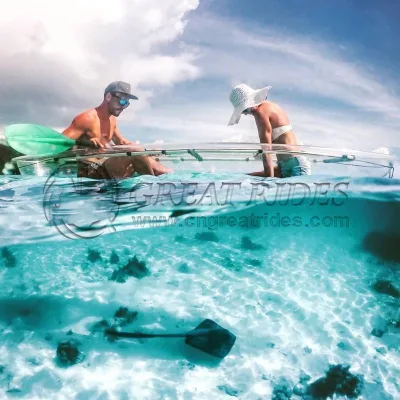
$366.62 - $407.58
MOQ: 6 sets
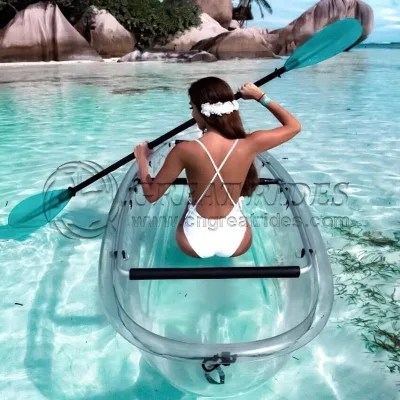
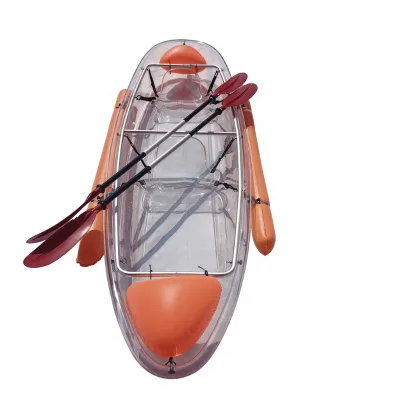
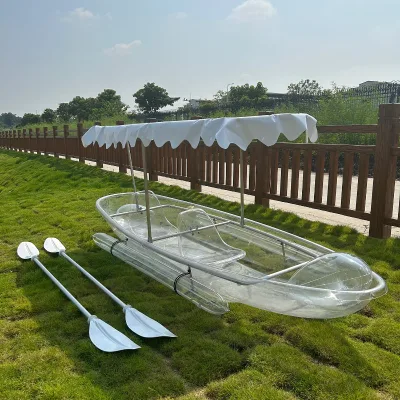
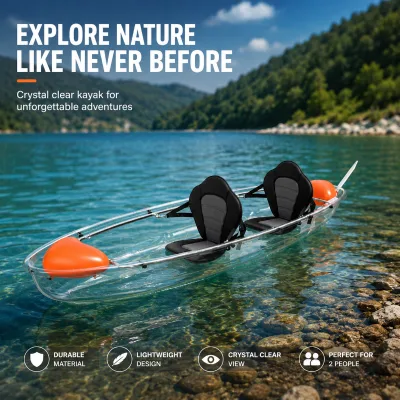
Hot Sale PC Material See Through Crystal Bottom Two Persons Double Seats Clear Transparent Kayak
$365.11 - $405.91
MOQ: 6 sets
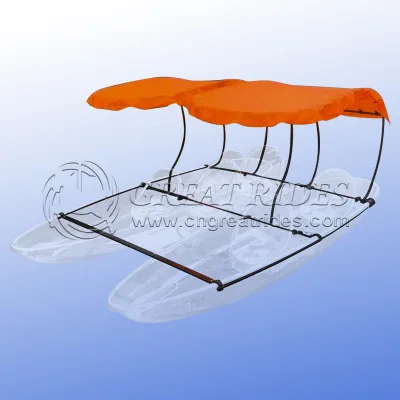
$1609.34 - $2302.85
MOQ: 6 Minimum
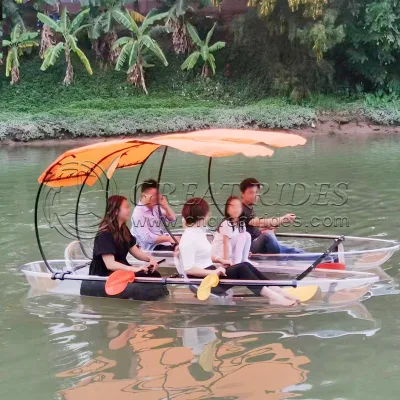
$1609.34 - $2302.85
MOQ: 6 Minimum
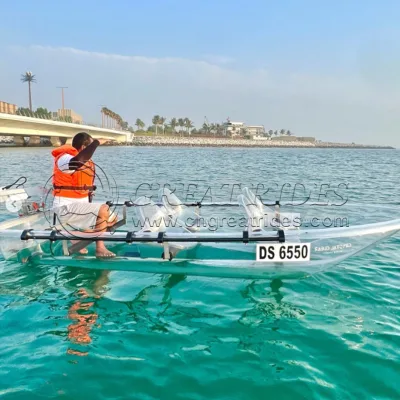
Hot Sale Plastic Transparent Boat Rowing Boats 6 Person Canoe Kayak PC Glass Bottom Crystal Boat
$1602.76 - $2293.43
MOQ: 6
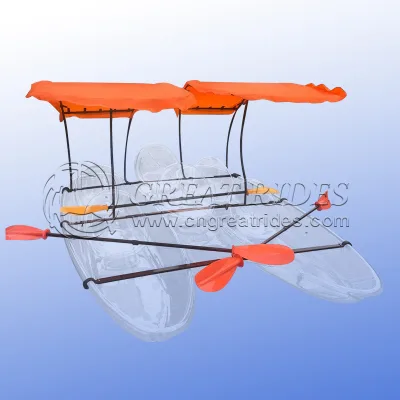
Customized 12FT 6 Person Ocean Entertainment Leisure Six Seat Transparent Crystal Kayak for Sale
$1609.34 - $2302.85
MOQ: 6 Minimum
Anhui Shoufang Outdoor Productions Co., Ltd.
- Trading Company
- Anhui, China
- Lead time25 days
- Avg. response≤ 2h
Main productsCanoe/Kayaks, Surfboard, Jet Ski, Tent
Main marketsNorth America(50.00%), Eastern Asia(50.00%)
Zhengzhou Buyee Trading Co., Ltd.
- Verified by TüVRheinland
- Trading Company
- Lead time30 days
- Avg. response≤ 1h
Main productsSpeed Boat With Cabin, Speed Boat, Passenger Boat, Park Boat, Yacht
Main marketsSouth America(20%), North America(15%), Southeast Asia(10%)
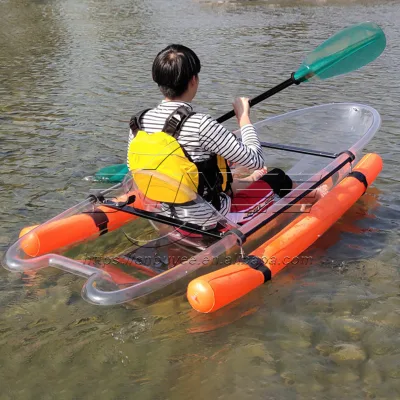
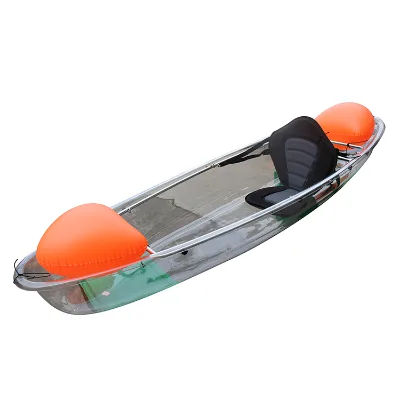
Best Quality One Person Transparent Kayak Polycarbonate Canoe Clear Kayak Without Electric Motor
$324.32 - $365.11
MOQ: 6 units
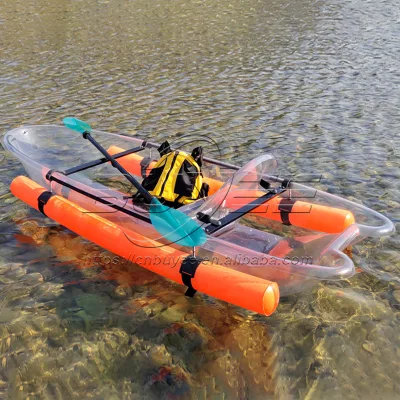
Fascinating Clear Single Person Kayak China Kayak Freestyle Transparent Kayak for Wholesale
$318.00 - $358.00
MOQ: 6 units

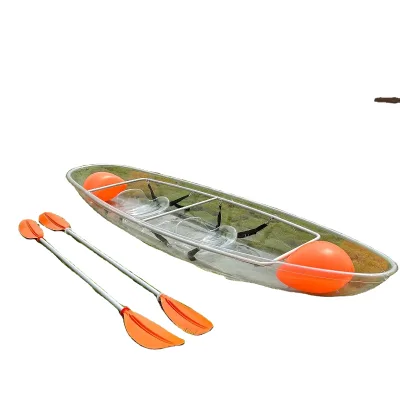
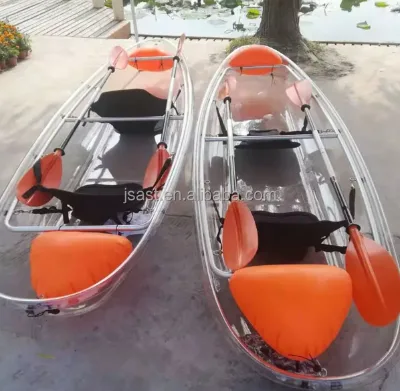
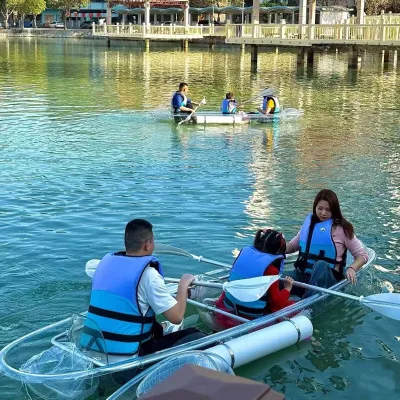
China Suppliers Rowing Transparent Kayak Two Person Kayak PC Clear Kayak with Comfortable Seats
$358.00 - $398.00
MOQ: 6 units
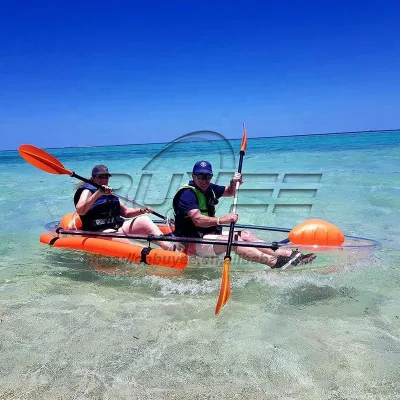
Crystal Clear Kayak Transparent Kayak Trolling Motor Kayaks 2 Person Fishing Boat Hot Selling
$358.00 - $398.00
MOQ: 6 units
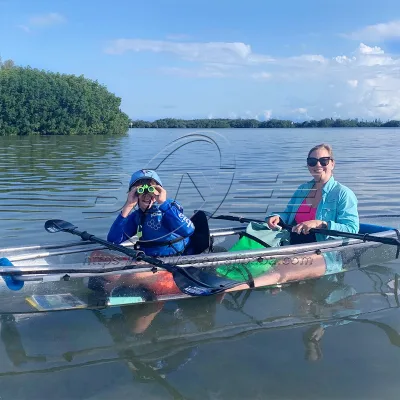
$365.11 - $405.91
MOQ: 6 units
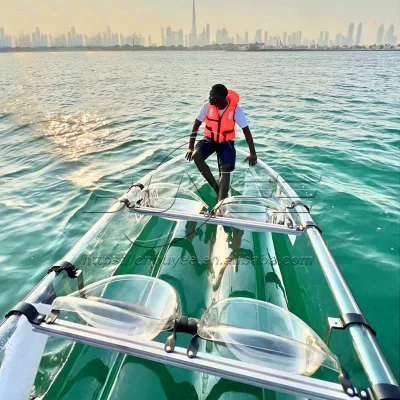
Wholesale Clear Kayak for 6 Person Fishing Recreational Clear Kayak Boat Canoe for Sale
$1609.34 - $2302.85
MOQ: 6 Minimum

Ningbo Vicking Mould&Plastic Co., Ltd.
- Verified by CTI
- Combined
- China Zhejiang
- Lead time15 days
- Avg. response≤ 9h
Main productsKayak, Inflatable Sup, Cooler Box
Main marketsSoutheast Asia/ Mideast,Europe,Australia,North America

Manufacturer New Design Transparent Polycarbonate Kayak / Clear Fishing Boat / Crystal PC Canoe
$230.00 - $338.00
MOQ: 5 Pieces

a Single 1 Persons PC Crystal Glass See Through Clear Bottom Transparent Canoe Kayak
$230.00 - $280.00
MOQ: 5 Pieces


Chinese Factory Direct 11FT 2 Person Clear Canoe Kayak with Deluxe Seat Transparent Boat
$230.00 - $330.00
MOQ: 4 Pieces
Huizhou Chunshan Sporting Goods Co., Ltd.
- Manufacturer
- Guangdong, China
- Lead time0 days
- Avg. response≤ 8h
Main productsSurfboard
Main marketsNorth America(40.00%), Eastern Asia(40.00%), Oceania(10.00%), Domestic Market(10.00%)
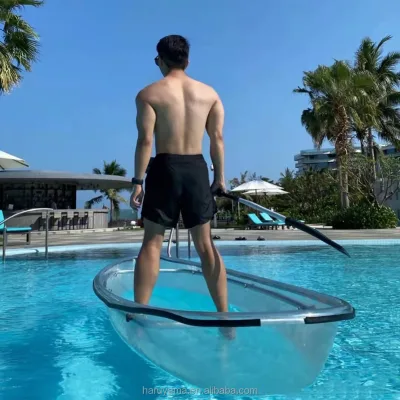
High Quality 2 Person Clear Kayak Made of Imported Polycarbonate Resin Canoe Kayak for Water Sport
$308.28 - $364.80
MOQ: 1 pieces

Manufacturer Cushion Transparent Kayak 1 or 2 Person Outdoor Fishing Kayak With Paddle
$300.00 - $355.00
MOQ: 1 pieces

Clear Transparent Pc Polycarbonate Kayak Conoe Boat Ship
$300.00 - $355.00

Hot Sale Single Person 2.7m Polycarbonate Crystal Kayak for Fishing
$300.00 - $355.00
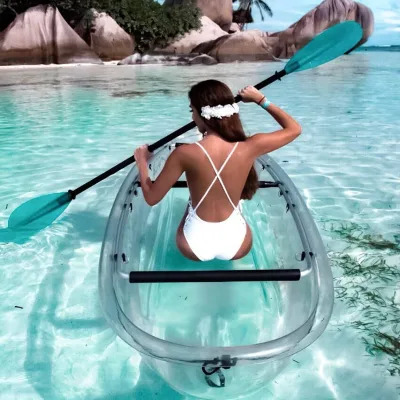
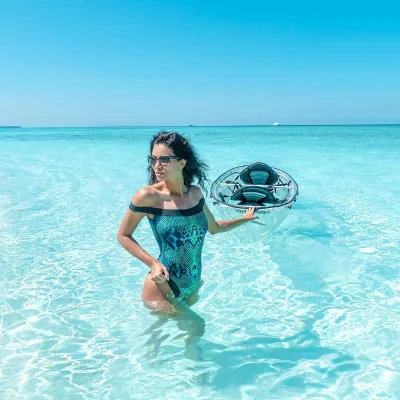
Foshan Duanyi New Materials Co., Ltd.
- Manufacturer, Distributor/Wholesaler, Other
- Guangdong, China
- Lead time7 days
- Avg. response≤ 3h
Main productsTransparent Kayak,Hemispherical skylight,Polycarbonate sheet hot bending,PMMA sheet thermal bending,Plastic sheet forming
Main marketsDomestic Market(30.00%), Eastern Asia(15.00%), Central America(10.00%), Southeast Asia(10.00%), North America(10.00%), South Asia(10.00%), Mid East(5.00%), Oceania(5.00%), Northern Europe(5.00%)
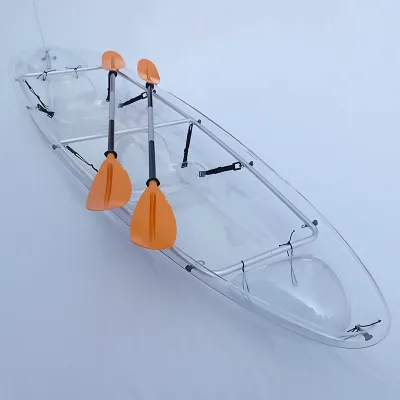
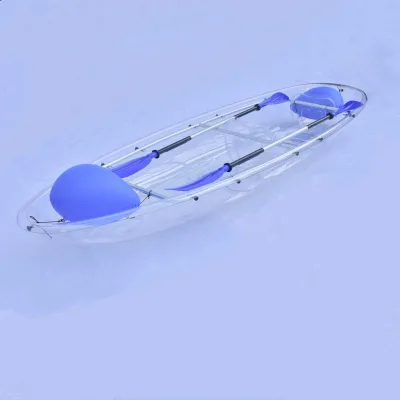
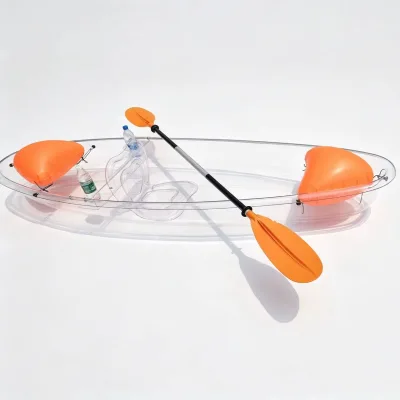
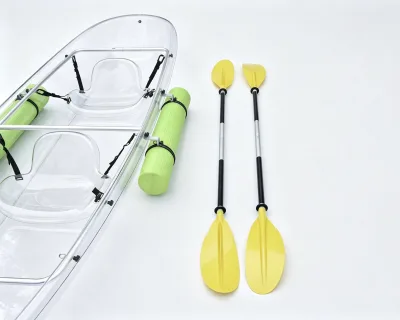
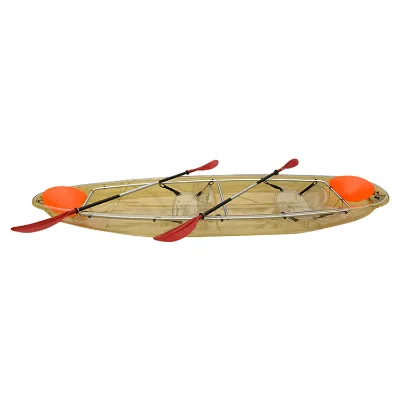
Polycarbonate Paddle Sightseeing Touring Fishing Kayak Crystal Transparent clear Glass Bottom Boat
$293.00 - $330.00
MOQ: 1 pieces
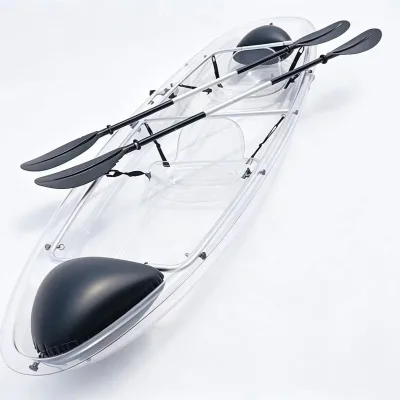
Hefei Jiapeng Import And Export Co., Ltd.
- Trading Company
- Anhui, China
- Lead time15 days
- Avg. response≤ 3h
Main productsALUMINUM BOAT,INFLATABLE BOAT,BOAT MOTOR,OUTBOARD MOTOR,SPORT GOODS
Main marketsOceania(30.00%), Eastern Europe(30.00%), South America(30.00%), Northern Europe(10.00%)

Inborn Plastic Industrial (Ningbo) Ltd.
- Verified by CTI
- Trading Company
- China Zhejiang
- Lead time15 days
- Avg. response≤ 21h
Main productsRotational Moulding, Roto Mould, Kayak Roto Mould, Ice Box Roto Mould, Cooler Roto Mould, Water Storage Tank, Plastic Safety Barrier, Plastic Tank, Roto Mould Tank
Main marketsSouth America,Africa,Southeast Asia/ Mideast,East Asia(Japan/ South Korea),Europe,Australia,North America

- Verified by SGS
- Trading Company,Manufacturer/Factory,Group Corporation,Other
- China Anhui
- Lead time15 days
- Avg. response≤ 12h
Main productsSolar Outdoor Light, Inflatable Jumping Castle, Bagasse Plate, LED Light, Outdoor Products
Main marketsSouth America,Eastern Europe,Mid East,North America,Southeast Asia,Eastern Asia,Oceania,Western Europe,Africa

a Single 1 Persons PC Crystal Glass See Through Clear Bottom Transparent Canoe Kayak
$143.88 - $159.99
MOQ: 1 Pieces


$315.45 - $321.18
MOQ: 1 Pieces


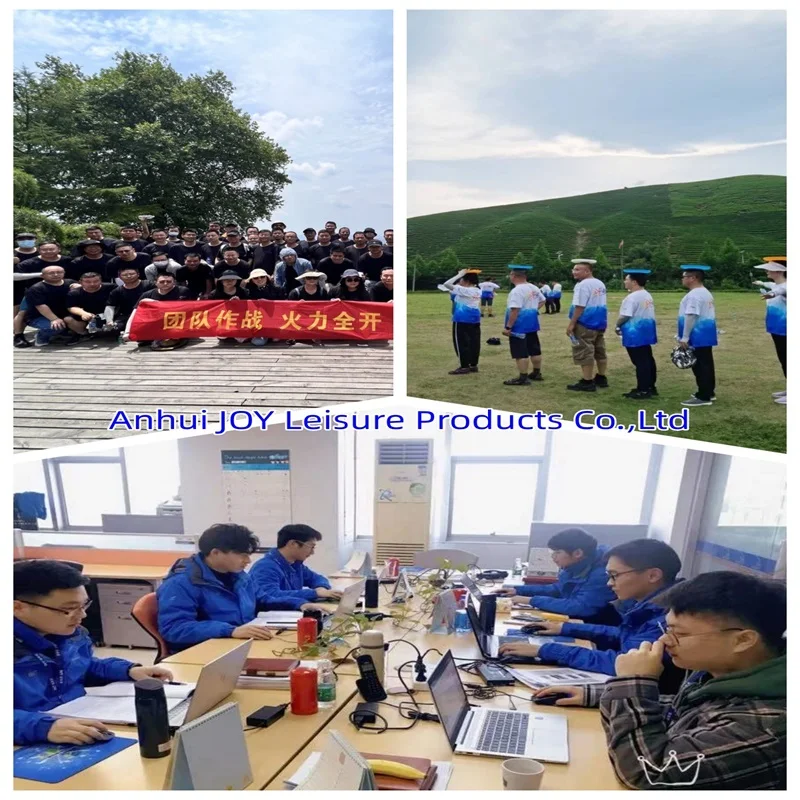
Anhui Joy Leisure Products Co., Ltd.
- Trading Company
- anhui, China
- Lead time10 days
- Avg. response≤ 2h
Main productsCamping&Hiking Gear,Fitness Gear,Bicycle&Bike Gear,Water Sports,Outdoor Gear
Main marketsNorth America(25.00%), Northern Europe(10.00%), Central America(10.00%), Western Europe(10.00%), Mid East(10.00%), Southern Europe(10.00%), Eastern Europe(10.00%), South America(10.00%), Africa(5.00%)
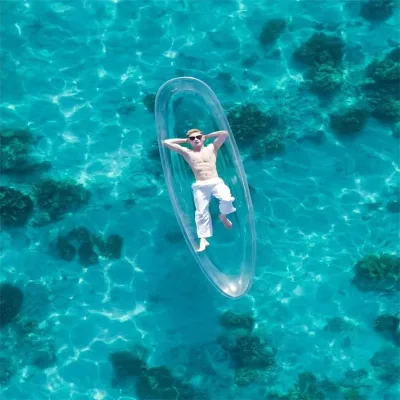
Joy Transparent Polycarbonate Touring Kayak 2 Person Durable Lightweight Fishing Amusement Leisure
$158.88 - $267.25
MOQ: 1 Minimum
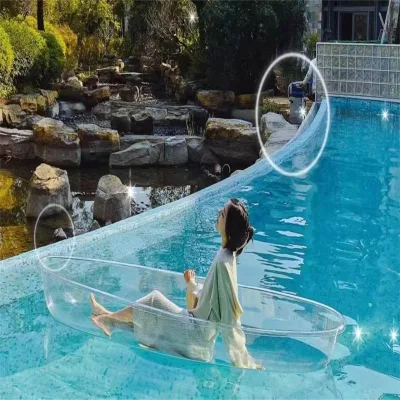
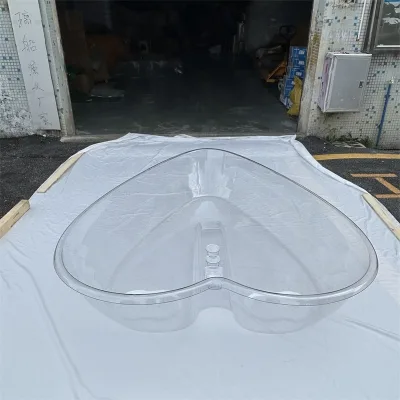
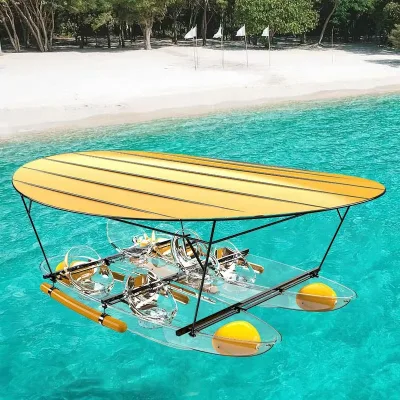
Wholesale Clear Kayak for 6 Person Fishing Recreational Clear Kayak Boat Canoe for Sale
$1348.99 - $1470.52
MOQ: 2
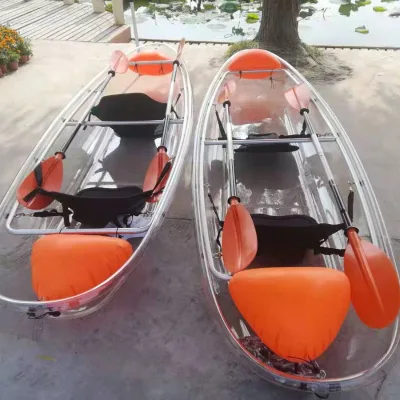
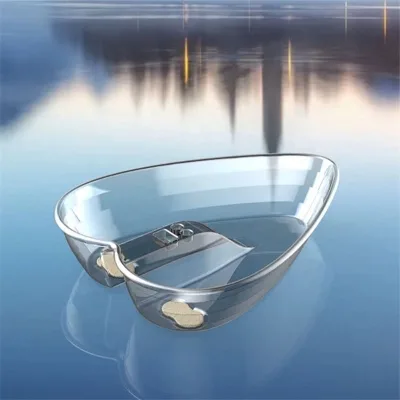
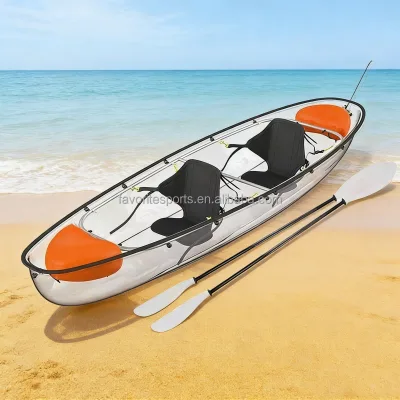
Favorite Sports Goods Co., Ltd.
- Verified by TüVRheinland
- Manufacturer, Trading Company
- Lead time30 days
- Avg. response≤ 2h
Main productsInflatable Sup Board, Kayak, Water Bike
Main marketsDomestic Market(60%), North America(15%), Western Europe(10%)
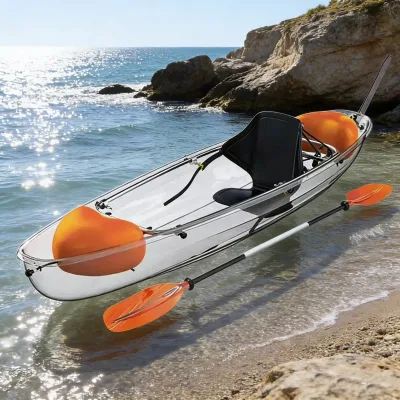
$311.56 - $374.07
MOQ: 1 Minimum
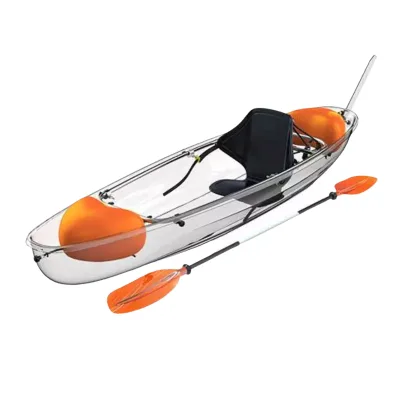
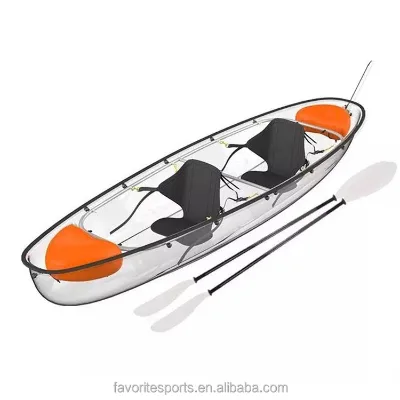
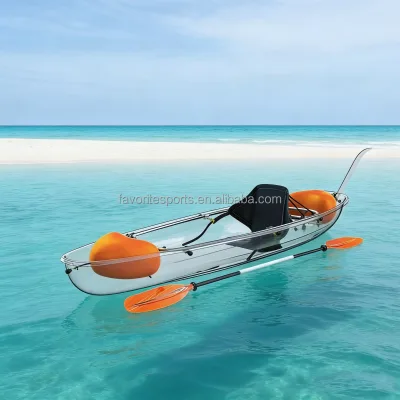
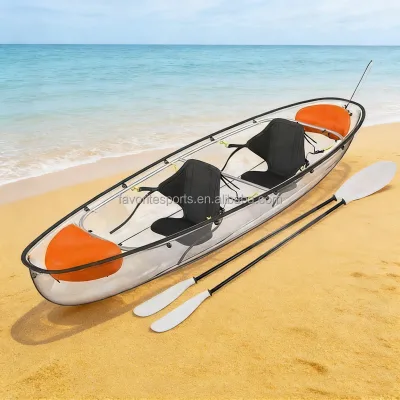
Huaian AST Amusement Equipment Co., Ltd.
- Trading Company
- jiangsu, China
- Lead time7 days
- Avg. response≤ 5h
Main productsplayground equipment,artificial grass,fitness equipment,water boat,pontoon boat
Main marketsMid East(30.00%), North America(20.00%), South America(10.00%), Northern Europe(10.00%), Africa(10.00%), Eastern Europe(10.00%), Southern Europe(7.00%), South Asia(3.00%)

Chongqing New Maritime Import & Export Co., Ltd.
- Trading Company
- China Chongqing
- Lead time23 days
- Avg. response≤ 9h
Main productsFloating Pontoon, Marine Equipment, Marine Propeller, Marine Shaft, Marine Anchor, Anchor Chain, Kayak, Marine Mooring Bollard, Marine Winch, Marine Door
Main marketsSouth America,Eastern Europe,Mid East,North America,Southeast Asia,Eastern Asia,Oceania,Western Europe,Africa
Hefei Johold Outdoor Products Co., Ltd.
- Trading Company
- Anhui, China
- Lead time15 days
- Avg. response≤ 2h
Main productsSurvival Kits,Flashlight,Emergency Whistle,Camping Tent,Tactical backpack
Main marketsNorth America(30.00%), Western Europe(20.00%), Northern Europe(15.00%), Eastern Europe(15.00%), Southeast Asia(5.00%), South America(5.00%), Eastern Asia(5.00%), Africa(5.00%)
- Manufacturer
- Zhejiang, China
- Lead time30 days
- Avg. response≤ 4h
Main productsWatersports product,Marine product,Aquaculture product,entertainment product
Main marketsNorth America(30.00%), Domestic Market(10.00%), Southern Europe(10.00%), Northern Europe(10.00%), Southeast Asia(5.00%), South Asia(5.00%), Eastern Europe(5.00%), South America(5.00%), Western Europe(5.00%), Eastern Asia(5.00%), Mid East(5.00%), Oceania(5.00%)
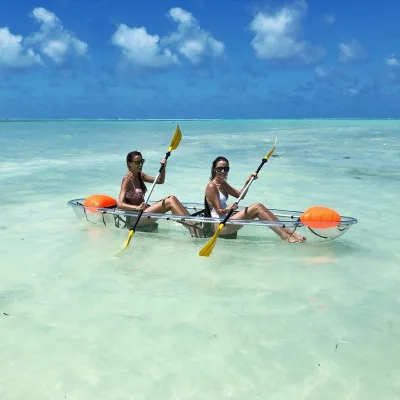
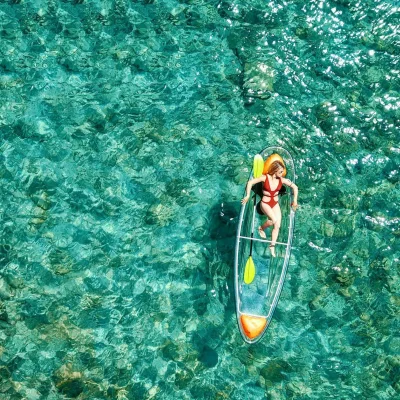
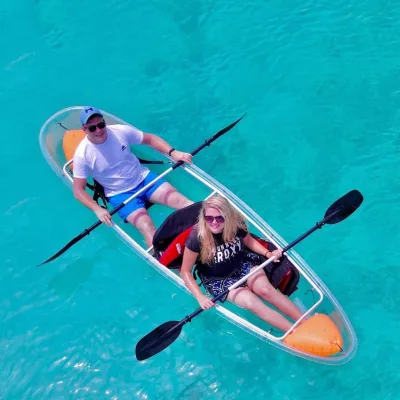
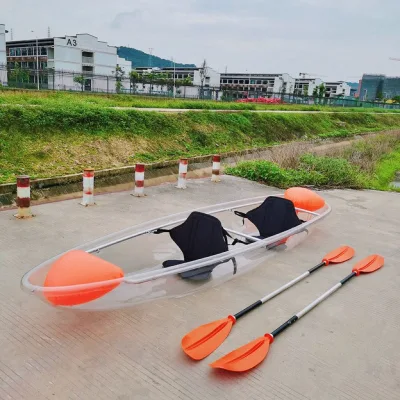
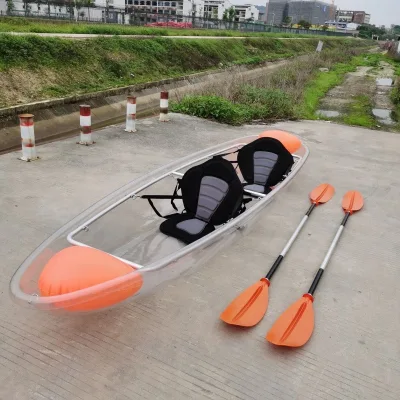
Rito Clear Canoe Kayak PC Transparent Fishing Boat with Paddle for Lake River Ocean
$400.00
MOQ: 10 Minimum

Qingdao Aqualand Marine Co., Ltd
- Trading Company,Manufacturer/Factory
- China Shandong
- Lead time15 days
- Avg. response≤ 1h
Main productsBoat, Rib Boat, Aluminum Boat, Aluminium Boat, Fishing-Boat, Passenger Boat, Motor Boat, Patrol Boat, Military Boat, Speed Boat
Main marketsSouth America,Eastern Europe,Mid East,North America,Southeast Asia,Eastern Asia,Oceania,Western Europe,Africa










Comprehensive Sourcing Guide
Transparent Polycarbonate Kayak Supplier Concentration and Factory Types
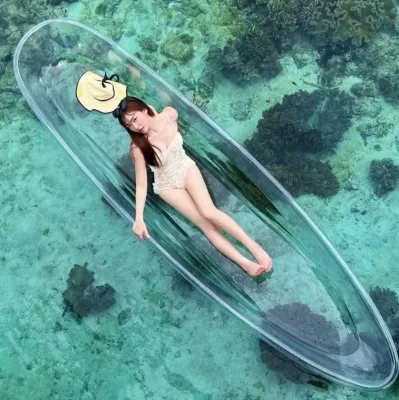
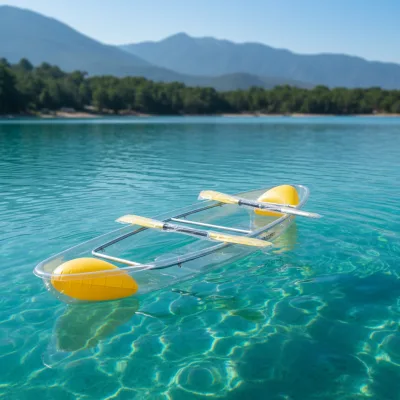
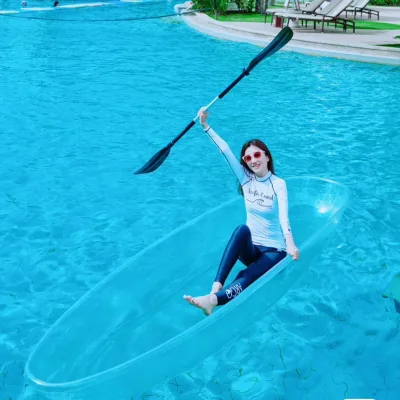
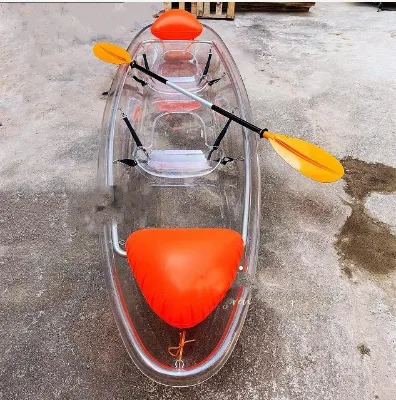
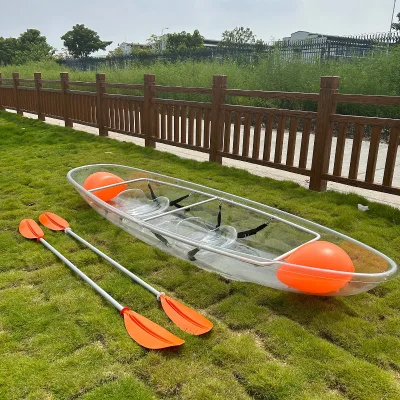
Current data indicates a concentration of suppliers in China Jiangsu and China Zhejiang, where manufacturers produce fishing boats, electric boats, and various watercraft including clear kayaks. These regions host both trading companies and combined entities that manage the supply chain for transparent polycarbonate kayaks. Some suppliers list their main products as fishing boats, BBQ boats, and pedal boats, while others focus specifically on clear plastic boats and transparent rowing boats. The presence of these diverse product lines suggests that factories in these areas often maintain flexible production lines capable of switching between different watercraft types. Buyers should verify if a specific factory specializes in polycarbonate materials or if they are general watercraft traders sourcing from third-party manufacturers.
Factory types vary significantly among the available results, with some identified as trading companies and others as combined entities offering both OEM and ODM services. A trading company typically acts as an intermediary, whereas a combined entity may have direct manufacturing capabilities or close partnerships with production facilities. When evaluating these suppliers, buyers must distinguish between those who simply resell products and those who control the manufacturing process. The distinction is critical for understanding quality control, customization options, and the ability to meet specific design requirements for transparent kayaks. Always confirm the actual production location and the nature of the business relationship before proceeding with large orders.
How to Verify Transparent Polycarbonate Kayak Suppliers
Verification is a critical step when sourcing transparent polycarbonate kayaks, as not all suppliers possess the same level of credibility or quality assurance. Some suppliers in the current results have undergone verification by SGS, which serves as a tangible indicator of their operational standards. However, buyers should not assume that all listed suppliers hold this certification without explicit confirmation. It is essential to request current verification documents directly from the supplier to ensure the status is active and relevant to the specific product category. Relying solely on platform badges without independent validation can lead to sourcing from entities that may not meet international safety or quality standards.
Beyond verification badges, buyers should assess the supplier's response time and communication efficiency as indicators of reliability. Data shows response times ranging from approximately 2.28 to 6.04 hours, which can influence the speed of negotiation and problem resolution. A faster response time often correlates with better customer service and more attentive account management. Additionally, checking for specific product certifications like CE is vital, as some listings explicitly mention CE certificates for their transparent kayaks. Buyers must ensure that the certification applies to the specific model being purchased and is not a generic claim. Always ask for the certificate number and verify its authenticity with the issuing body to protect against fraudulent claims.
What to Compare Across Transparent Polycarbonate Kayak Suppliers
When comparing suppliers, lead time is a primary factor that directly impacts project scheduling and inventory planning. Current data reveals lead times varying from 15 days to 23 days, with some products specifying a production time of 7-10 days after deposit. These variations can significantly affect the total delivery timeline, especially when combined with shipping durations. Buyers should calculate the total time from order placement to arrival, considering both the manufacturing window and the logistics phase. It is crucial to clarify whether the stated lead time includes packaging and preparation or if it refers strictly to the production phase. Misunderstanding these timelines can result in delays that disrupt business operations or miss seasonal demand peaks.
Minimum Order Quantity (MOQ) and pricing structures also require careful comparison to ensure alignment with budget and volume requirements. Some suppliers offer an MOQ of just one set, while others require orders of 5 or 10 units. Price ranges observed in the data span from approximately $319 to $975, depending on the model, capacity, and customization level. Buyers must evaluate whether the lower MOQ options come with higher per-unit costs or if they are part of a promotional strategy. Additionally, comparing the specifications such as hull material, capacity, and dimensions is necessary to ensure the product meets the intended use case. Always request a detailed quotation that breaks down costs for customization, packaging, and shipping to avoid hidden expenses.
Common Transparent Polycarbonate Kayak Sourcing Risks
One significant risk in sourcing transparent polycarbonate kayaks is the potential mismatch between product specifications and actual delivery. While some listings claim the product is made of clear polycarbonate, others may use polyethylene or other plastics that differ in durability and clarity. Buyers must verify the hull material and production standards to ensure the kayak meets the expected performance criteria. Discrepancies in material composition can lead to premature wear, reduced transparency, or failure to meet safety standards. It is advisable to request physical samples or detailed material test reports before committing to a large order to mitigate this risk.
Another risk involves the reliability of the supplier's ability to fulfill orders within the agreed timeframe and quality standards. Variations in response times and lead times suggest that some suppliers may struggle with capacity or logistics management. If a supplier promises a 15-day lead time but consistently delivers later, it can disrupt the buyer's supply chain. Furthermore, the lack of standardized packaging across different suppliers, such as wooden boxes versus bubble film, can lead to damage during transit. Buyers should establish clear packaging requirements and include penalties for non-compliance in their contracts. Regular communication and milestone checks are essential to ensure the supplier adheres to the agreed-upon schedule and quality benchmarks.
Transparent Polycarbonate Kayak Regional Sourcing and Logistics
Sourcing from China Jiangsu and China Zhejiang offers access to a robust manufacturing ecosystem, but logistics planning must account for regional differences. Suppliers in these regions often utilize specific ports for export, which can influence shipping costs and transit times. Buyers should confirm the exact port of loading and the available shipping methods to optimize the logistics chain. Understanding the distance from the factory to the port is also important, as inland transportation costs can add to the overall expense. Additionally, some suppliers may offer different packing options, such as wooden boxes or air bubble film, which affect the volume and weight of the shipment.
Logistics risks also include potential delays due to customs clearance or seasonal shipping bottlenecks. Buyers should verify if the supplier has experience with international shipping and can provide necessary documentation for customs. The use of specific packing standards, such as 5 pieces in one case or individual foam paper wrapping, can impact how efficiently the goods are loaded and unloaded. It is crucial to discuss these details with the supplier to ensure the packaging is suitable for the chosen shipping method. Furthermore, buyers should consider the impact of seasonal demand on shipping availability and costs, as peak seasons can lead to higher freight rates and longer wait times.
Transparent Polycarbonate Kayak Commercial Terms and Order Planning
Commercial terms such as payment methods, escrow usage, and warranty policies are critical components of order planning for transparent polycarbonate kayaks. While some suppliers may offer escrow services to protect the buyer's funds, others might require direct bank transfers or letters of credit. Buyers should carefully review the payment terms to ensure they align with their financial risk tolerance and cash flow needs. It is also important to clarify the warranty period and the process for handling defects or damages upon delivery. A clear understanding of these terms can prevent disputes and ensure a smooth transaction process.
Order planning must also account for customization requirements and the associated lead times. Many suppliers indicate that customization is available, but the specific details and additional costs must be agreed upon before production begins. Buyers should provide detailed specifications for color, size, and capacity to avoid misunderstandings. Additionally, the production time of 7-10 days after deposit should be factored into the overall timeline. It is advisable to plan for buffer time to accommodate any unforeseen delays or changes in the order. By carefully managing these commercial and planning aspects, buyers can ensure a successful sourcing experience and a reliable supply of high-quality transparent kayaks.
FAQs
What is the price range for transparent polycarbonate kayaks?
Prices for these kayaks typically range from $319 to $975 per unit. The final cost depends on the specific model, size, and customization options selected by the buyer. Suppliers offer various tiers, with basic single-person models starting at the lower end and tandem or specialized versions costing more.
What is the minimum order quantity for these kayaks?
The minimum order quantity varies by supplier, ranging from one set to ten units. Some manufacturers allow single-unit purchases for testing, while others require a batch of ten or more. Buyers should check the specific MOQ listed for each product to ensure it matches their procurement volume.
How long does production take for these kayaks?
Production lead times generally range from 15 to 23 days after deposit. Some suppliers specify a production window of 7-10 days following the deposit payment. Buyers should confirm the exact timeline with the supplier, as it may vary based on order size and customization requirements.
Are these kayaks certified for safety standards?
Many transparent kayaks come with CE certification to meet safety standards. Some products also reference SGS standards for quality assurance. Buyers should verify the specific certificates provided for each model to ensure compliance with local regulations and safety requirements for water sports equipment.
Where are these transparent kayaks manufactured?
These kayaks are primarily manufactured in China, with specific production hubs in Jiangsu and Zhejiang provinces. Ningbo is also noted as a key origin point for certain models. Buyers can expect products to originate from these established manufacturing regions known for watercraft production.
What materials are used for the hull?
Hulls are typically made from polycarbonate or polyethylene materials. Some models feature aluminum alloy for metal parts to enhance durability. The choice of material affects transparency, weight, and strength, so buyers should select based on their specific usage needs and performance expectations.