Source non-slip neoprene swim shoes for beach, pool, and diving
Compare 30 listings of non-slip neoprene swim shoes featuring breathable fabric, TPR outsoles, and fast-drying properties. Buyers can evaluate models like EST-002SS-3 and L668 for water sports, beach walking, and swimming applications with customizable logos; compare the available evidence and request quotations based on your requirements.
Updated
Key considerations
Products List

Neoprene Kids Water Beach Non-Slip Sea Swim Pool Wetsuits Aqua Sock Shoes
$1.50 - $3.50
MOQ: 500 Pairs


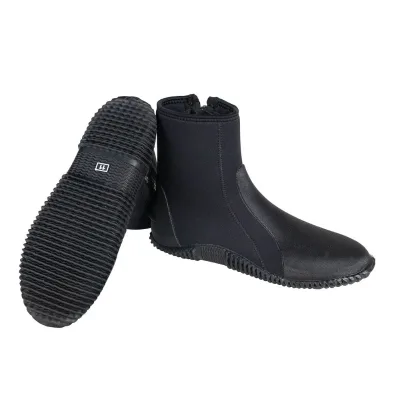
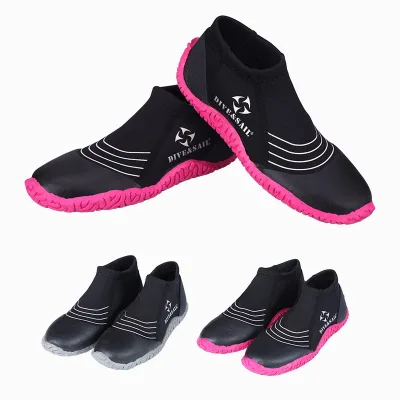
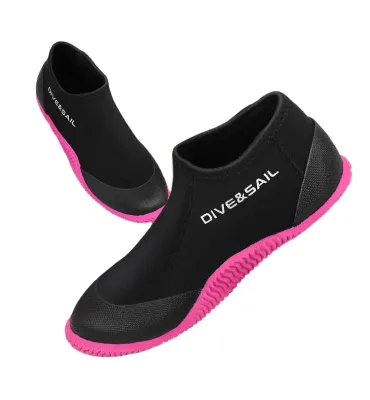
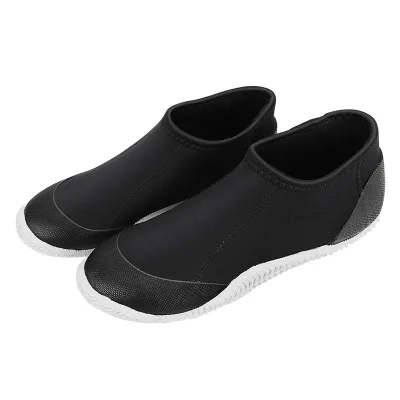
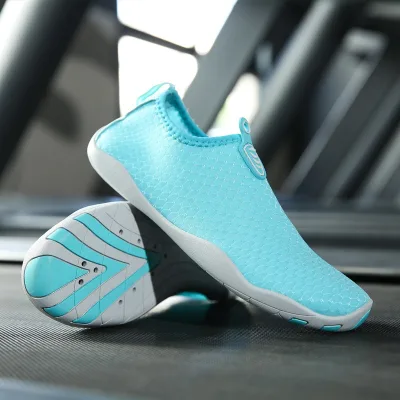
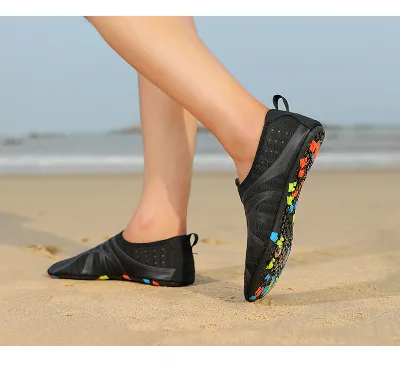
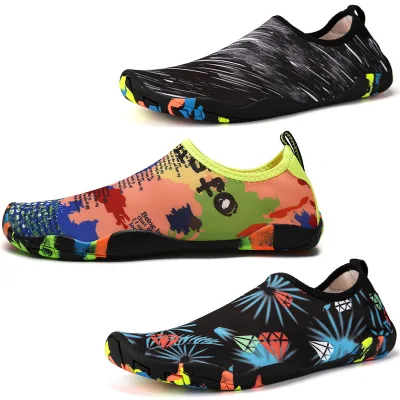
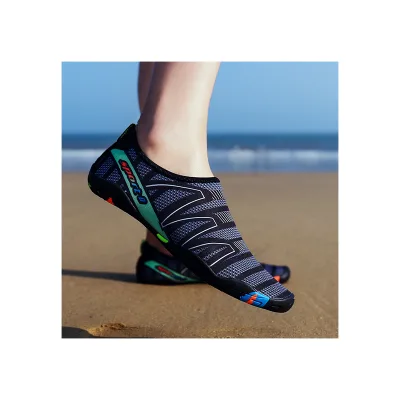
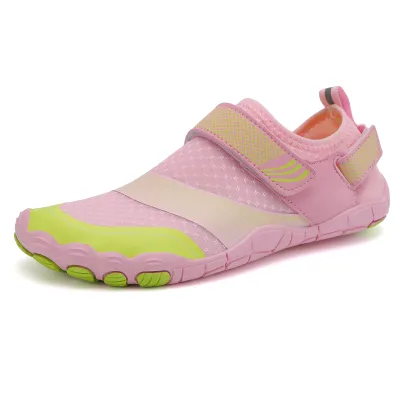
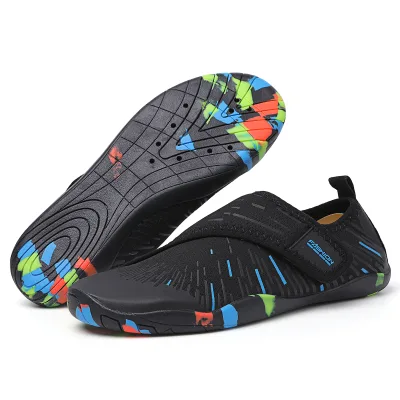
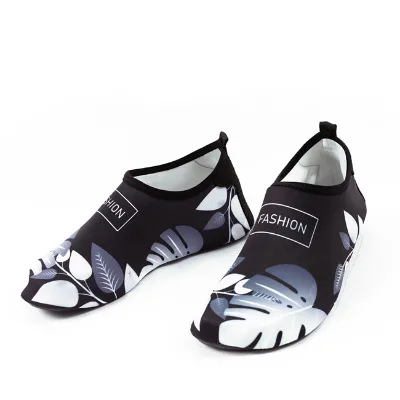


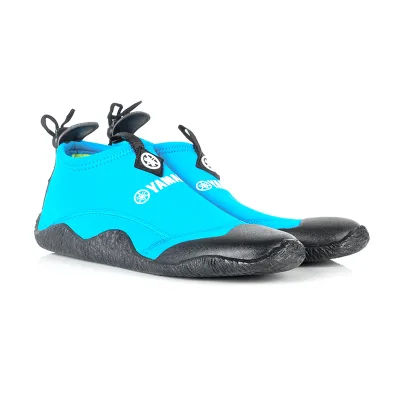
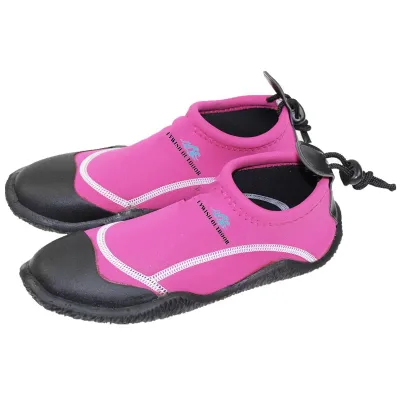
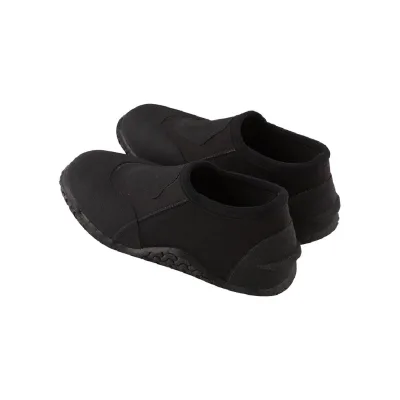
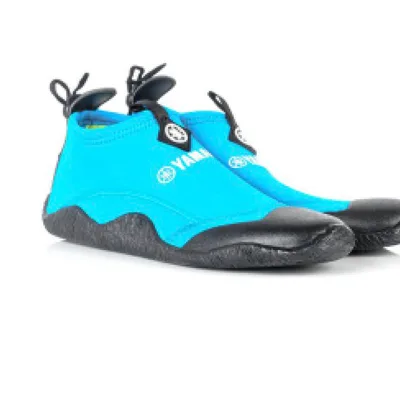
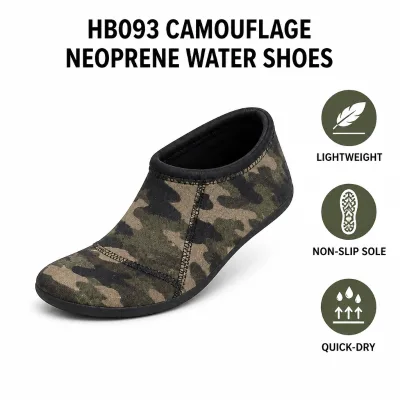
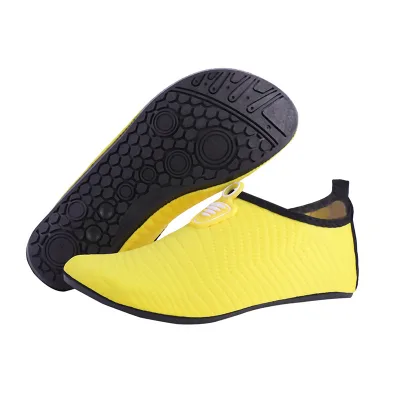
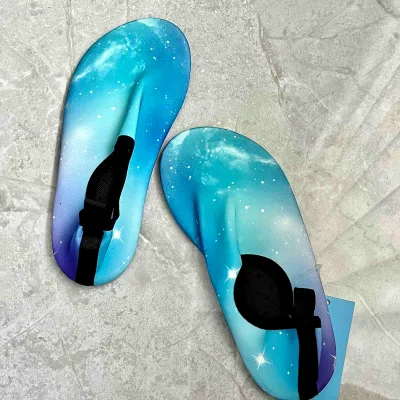
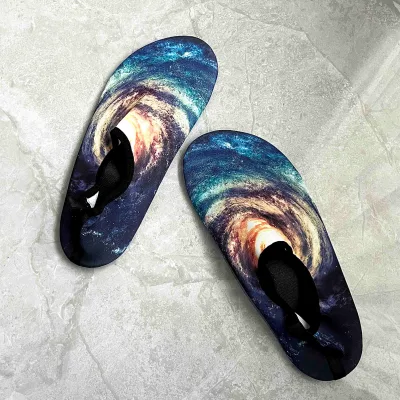

Low Cut Anti Slip Neoprene Rubber Snorkeling Socks Swimming Beach Water Shoes
$2.30 - $7.86
MOQ: 128 Pieces

PVC Beach Socks Diving Wading Rivers Non-Slip Cross-Border Drifting Water Shoes
$0.20 - $1.36
MOQ: 736 Pieces

Non Slip Rubber Elastic Beach Snorkeling Swimming Soft Soled Skin Water Shoes
$1.20 - $4.57
MOQ: 219 Pieces
Comprehensive Sourcing Guide
Non-Slip Neoprene Swim Shoes Sourcing Guide
Sourcing non-slip neoprene swim shoes requires a clear understanding of the specific material properties and functional design elements that define this category. These footwear items are primarily constructed from fabric and neoprene, often featuring a cotton fabric lining for enhanced comfort against the skin. The insoles are typically made from TPR (Thermoplastic Rubber), which provides a balance of flexibility and durability suitable for wet environments. Buyers must recognize that these products are generally not waterproof, meaning they are designed to drain water quickly rather than keep feet dry. This distinction is critical for applications involving water sports, beach walking, and aqua fitness, where rapid drying and breathability are more valuable than complete water exclusion.
The market offers a variety of styles, including slip-on designs and lace-up options, with a strong emphasis on unisex appeal. Common features include anti-slip firmer outsoles, often made from TPR, to ensure traction on wet surfaces like pool decks or rocky shores. Many listings highlight fast-drying capabilities and moisture-wicking properties, which are essential for maintaining foot health during extended wear in aquatic settings. The toe box is frequently round, and the opening depth is low, contributing to a streamlined profile that reduces drag in the water. Understanding these baseline attributes helps buyers filter through the diverse product landscape and identify suppliers who specialize in the specific performance characteristics required for their target market.
Product Scope and Observed Listing Signals
The current product landscape for non-slip neoprene swim shoes reveals a wide range of specifications and branding strategies. Observed listings indicate a price range from $0.20 to $24.90 USD, reflecting significant variation in quality, brand positioning, and order volume. Minimum Order Quantities (MOQs) vary drastically, ranging from just one unit for sample testing to over 700 units for bulk production, suggesting that suppliers cater to both small boutique brands and large-scale distributors. The product models identified include codes such as EST-002SS-3, EST-004SS series, LZ001, and L668, indicating a fragmented market with multiple manufacturers producing similar but distinct items. Buyers should note that while some products are branded under names like CIMI, others are offered under OEM arrangements, allowing for private labeling.
Geographic origins are predominantly China, with specific mentions of Zhejiang and Guangdong provinces as key manufacturing hubs. This concentration suggests a mature supply chain with established expertise in textile and rubber footwear production. The materials observed include neoprene, fabric, and cotton lining, with colors ranging from standard black and white to vibrant options like bright pink, gradient blue, and deep green. Some listings specify a thickness of 3mm, which is a common standard for providing adequate insulation and protection without compromising flexibility. The single gross weight of items typically ranges from 0.300 kg to 0.600 kg, providing a baseline for calculating shipping costs. Buyers must carefully review these signals to align their procurement strategy with the specific volume and customization needs of their business.
Technical Specifications to Verify
Verifying technical specifications is paramount to ensuring the footwear meets performance expectations. The outsole material is a critical factor, with many products specifying an anti-slip firmer TPR outsole designed to provide traction on wet surfaces. Buyers should confirm the exact composition and hardness of the TPR, as this directly impacts durability and slip resistance. The upper material is often described as fabric or neoprene, with a thickness of 3mm being a common specification. This thickness offers a balance between thermal insulation and flexibility, but buyers should request physical samples to assess the actual feel and resilience of the material. The insole material, typically TPR, should be evaluated for its ability to provide cushioning and support during prolonged use.
Additional technical details include the shoe size range, which often spans from size 30 to 48, catering to a broad demographic. The toe design is frequently round, which can affect fit and comfort for different foot shapes. The opening depth is usually low, contributing to a slip-on convenience but potentially affecting heel stability. Buyers should also verify the packaging dimensions, which can vary significantly, such as 47x20x10 cm or 10x10x9 cm per unit, as this impacts storage and logistics efficiency. Customization options are widely available, including logo placement and color variations, but buyers must clarify the minimum quantities required for these customizations. Ensuring that all technical specifications are clearly defined in the purchase order prevents discrepancies between samples and bulk production.
Compliance and Safety Documentation
Compliance and safety documentation are essential for mitigating risk in the footwear supply chain. While specific certifications like OEKO-TEX are mentioned in background contexts, buyers must verify the actual certification status of their chosen supplier. This involves requesting valid certificates and confirming that the materials used, particularly the neoprene and rubber components, meet relevant safety standards for chemical content and physical durability. Buyers should inquire about the testing procedures used to validate the anti-slip properties of the outsole, as this is a key safety feature for water-based activities. Understanding the regulatory requirements in the destination market is crucial, as standards for footwear can vary significantly between regions.
Documentation should also cover the manufacturing processes, including any hand-made elements that may affect consistency. Some listings indicate that the shoes are hand-made, which can introduce variability in quality. Buyers should establish clear quality benchmarks and request detailed inspection reports to ensure that each pair meets these standards. Additionally, buyers should verify the origin of the materials, particularly if there are restrictions on certain chemicals or substances. Clear communication with the supplier regarding compliance requirements helps to avoid potential customs issues or product recalls. Proactive engagement on these fronts ensures that the sourced footwear is not only functional but also legally compliant and safe for end-users.
Cost Drivers and Commercial Terms
Cost drivers for non-slip neoprene swim shoes include material selection, customization complexity, and order volume. The use of neoprene and TPR outsoles contributes to the base cost, while additional features like custom logos or specific colorways can increase pricing. MOQs play a significant role in unit cost, with lower quantities typically commanding higher prices due to setup and production inefficiencies. Buyers should negotiate terms that align with their sales forecast, considering the trade-off between lower unit costs and higher inventory risk. The observed price range of $0.20 to $24.90 USD highlights the importance of defining clear quality expectations to avoid overpaying for features that may not be necessary.
Commercial terms also encompass packaging and shipping logistics. The single package size and gross weight vary, affecting freight costs and storage requirements. Buyers should clarify whether packaging is standardized or customized, as this can impact both cost and sustainability goals. Payment terms, lead times, and warranty policies should be explicitly agreed upon in the contract. Given the variability in supplier capabilities, it is advisable to include clauses that address quality disputes and delivery delays. Understanding these commercial dynamics allows buyers to structure deals that optimize cash flow and minimize operational disruptions. A thorough review of all cost components ensures that the total landed cost remains competitive.
Supplier Qualification and Quality Control
Supplier qualification is a critical step in securing a reliable supply of non-slip neoprene swim shoes. Buyers should conduct thorough due diligence, including verifying business licenses, production capacity, and past performance. Given the prevalence of OEM and private label options, it is important to assess the supplier’s ability to maintain brand consistency and quality standards. Requesting references from existing clients can provide insights into the supplier’s reliability and responsiveness. Additionally, buyers should evaluate the supplier’s quality control processes, including in-line inspections and final random inspections. A robust QC system helps to identify and rectify defects before shipment, reducing the risk of receiving substandard products.
Quality control should also extend to the materials used in production. Buyers should verify the source of neoprene, fabric, and TPR components to ensure they meet specified quality grades. Sampling is a vital part of the qualification process, allowing buyers to assess the fit, comfort, and durability of the footwear. It is advisable to order multiple samples from different production batches to check for consistency. Establishing clear acceptance criteria and inspection protocols helps to align expectations between the buyer and supplier. Regular communication and feedback loops can further enhance the quality of the final product. A proactive approach to supplier management ensures a stable and high-quality supply chain.
Long-Term Procurement Checks
Long-term procurement checks involve continuous monitoring of supplier performance and market trends. Buyers should regularly review key performance indicators such as on-time delivery, defect rates, and responsiveness to issues. Establishing a scorecard system can help to objectively evaluate suppliers and identify areas for improvement. Additionally, buyers should stay informed about changes in material costs, regulatory requirements, and consumer preferences. This proactive stance allows for timely adjustments to sourcing strategies and product specifications. Building strong relationships with suppliers can also facilitate better collaboration on innovation and cost-saving initiatives.
Sustainability and ethical sourcing are increasingly important considerations in the long term. Buyers should assess their suppliers’ environmental practices and labor standards, ensuring alignment with corporate social responsibility goals. Regular audits and site visits can provide valuable insights into the supplier’s operational practices. Furthermore, buyers should diversify their supplier base to mitigate risks associated with single-source dependencies. This strategy enhances supply chain resilience and provides flexibility in responding to market fluctuations. By implementing these long-term checks, buyers can ensure a sustainable and competitive sourcing strategy for non-slip neoprene swim shoes.
FAQs
What materials are used for the lining and insole?
The lining material is cotton fabric, providing comfort against the skin. The insole is made of TPR, which offers durability and support. These materials are combined with a fabric upper to create a breathable and comfortable shoe suitable for summer water sports and beach activities.
Are these shoes waterproof or fast drying?
These shoes are not waterproof but are designed to be fast drying. They feature moisture-wicking properties to keep feet dry during water sports. The breathable fabric construction ensures quick evaporation of water, making them ideal for swimming, diving, and beach walking where quick drying is essential.
Can I customize the logo and product specifications?
Yes, customization is available for logos and product specifications. Buyers can request customized logos to be applied to the shoes. The product models such as EST-002SS-3 and EST-004SS series allow for specific design adjustments. This service supports branding needs for retailers and distributors in the water sports market.
What are the key features of the outsole?
The outsole is anti-slip and firmer, made from TPR material. It provides secure traction on wet surfaces, enhancing safety during water sports. The design includes a comfortable elastic collar and a round toe shape. These features ensure stability and protection for the feet while walking on beaches or rocks.
Where are these shoes manufactured and what sizes are available?
These shoes are manufactured in China, with origins in Zhejiang and Guangdong provinces. Available sizes range from 30 to 48, covering a wide spectrum of foot lengths. The unisex design makes them suitable for both men and women, ensuring a broad market appeal for various water sport applications and casual beach wear.
What is the typical packaging size and weight?
The single package size varies, with one common dimension being 47x20x10 cm. The single gross weight is typically 0.600 kg for standard models, while some variants weigh 0.300 kg. This packaging information helps buyers calculate shipping costs and storage requirements efficiently for bulk orders of these neoprene water shoes.