TPE Swimming Training Resistance Cord Suppliers and Manufacturers
Explore 30 verified options for TPE Swimming Training Resistance Cord from manufacturers and trading companies. Compare response times, lead times, certifications, and customization capabilities to find the right partner. Contact suppliers directly to request samples and pricing details; review the available evidence before requesting comparable quotations from suitable candidates.
Suppliers List
Danyang Zhenxing Latex Products Co., Ltd.
- Verified by SGS Group
- Manufacturer, Trading Company
- Lead time20 days
- Avg. response≤ 10h
Main productsLatex Products (Latex Resistance Bands, Latex Tubes, Latex Bladder, Latex Bulb, Latex Hip Bands, Latex Resistance Tube, Yoga Bands)
Main marketsNorth America(40%), Eastern Asia(10%), Western Europe(10%)
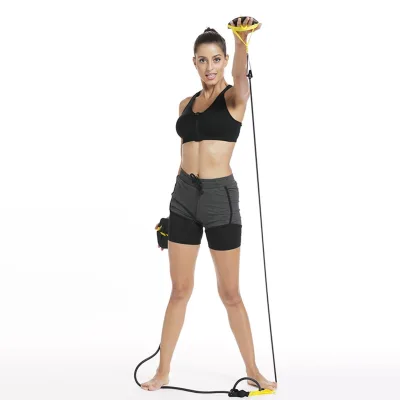
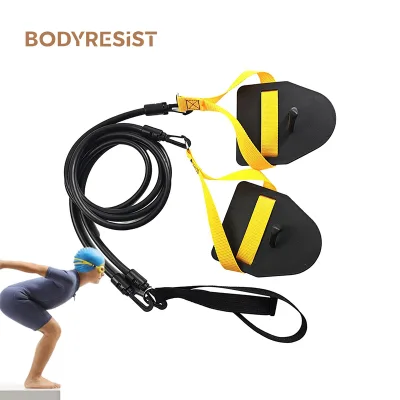
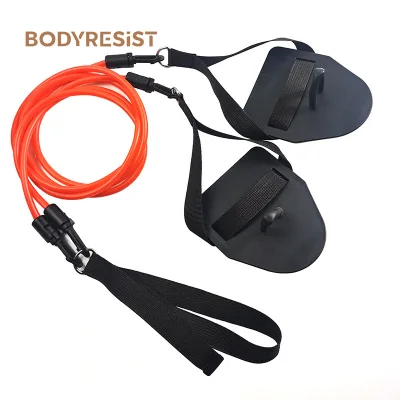
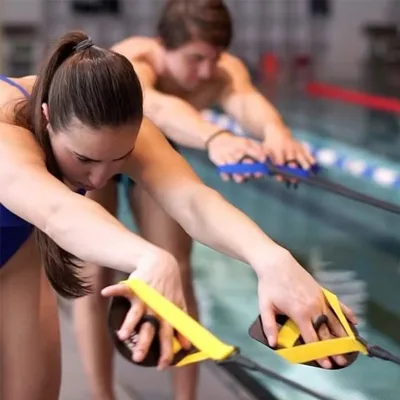
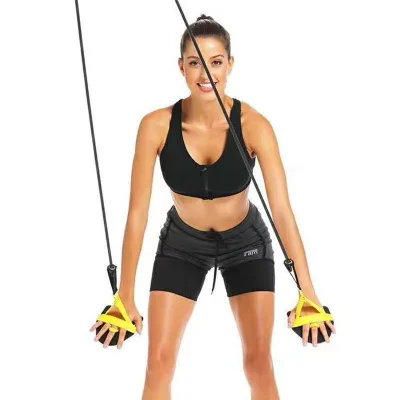
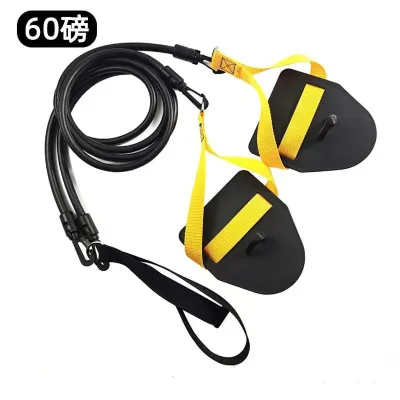
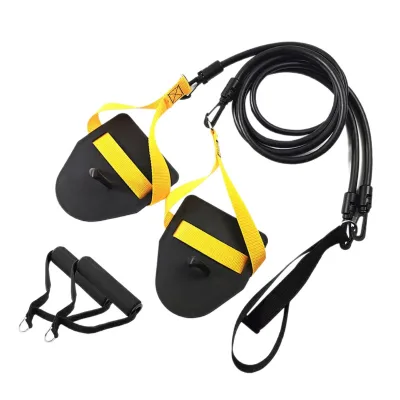
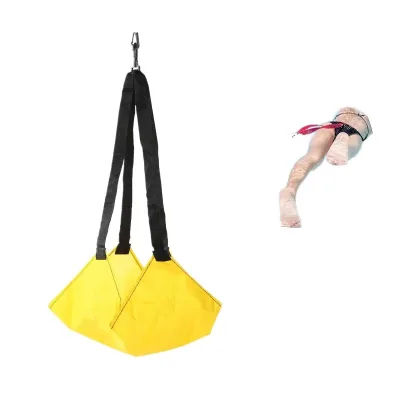
Sports & Entertainment TPE Swimming Trainer Exerciser with Paddle and Cord
$2.00 - $2.90
MOQ: 100 sets
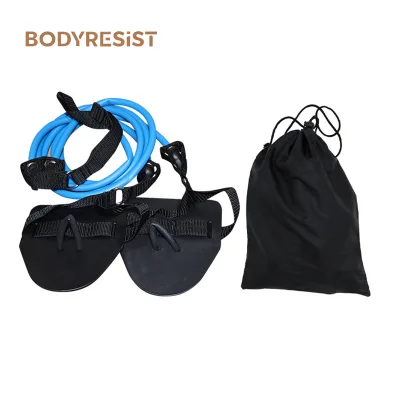
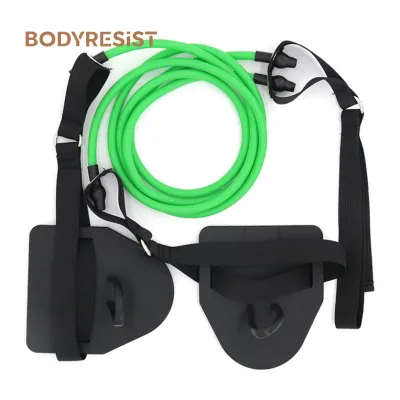
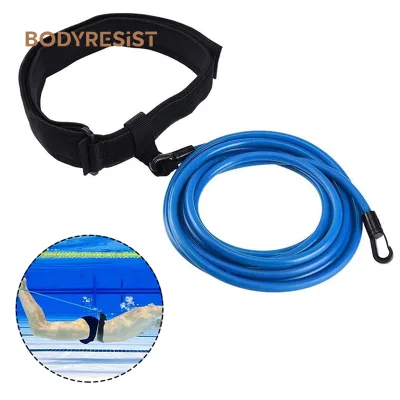

Nantong Splendid Sporting Co., Ltd.
- Verified by BV
- Trading Company,Manufacturer/Factory
- China Jiangsu
- Lead time45 days
- Avg. response≤ 6h
Main productsGym Bench, Power Rack, Functional Machine, Dumbbell, Kettlebell, Barbell, Foam Roller, Yoga Mat, Resistance Band, Slam Ball
Main marketsSouth America,Eastern Europe,Mid East,North America,Southeast Asia,Eastern Asia,Oceania,Western Europe,Africa
Dongguan Runhong Sports Products Co., Ltd.
- Verified by SGS
- Manufacturer
- China Guangdong
- Lead time15 days
- Avg. response≤ 15h
Main productsLoptop Bag, Cup Covers, Lunch Bag, Wine Bags, Stubby Holders, Cooler Bags, Koozies, Beach Tote Bag
Main marketsSouth America,Southeast Asia/ Mideast,Europe,Australia,North America
Yiwu Greefun Import & Export Co., Ltd.
- Trading Company
- Zhejiang, China
- Lead time5 days
- Avg. response≤ 15h
Main productsSports & Exercise,Yoga & Fitness,Training Kit,Toys,Camping & Hiking
Main marketsNorth America(39.00%), Western Europe(20.00%), Oceania(10.00%), South America(8.00%), Eastern Asia(5.00%), Mid East(5.00%), Southeast Asia(3.00%), Eastern Europe(3.00%), Domestic Market(3.00%), South Asia(2.00%), Africa(1.00%), Central America(1.00%)

Jiangsu Baizhou Safety Technology Co., Ltd.
- Combined
- China Jiangsu
- Lead time15 days
- Avg. response≤ 4h
Main productsLife Jacket, Inflatable Life Jacket, Life Buoy, Rescue Tube, FRP Box, Fire Hose Box, Scba
Main marketsSouth America,Africa,Southeast Asia/ Mideast,East Asia(Japan/ South Korea),Domestic,Europe,Australia,North America


Silicone Diving Swim Training Gloves Water Resistance Training Webbed Gloves
$2.48 - $2.71
MOQ: 100 Pieces

Manufacture Adult Training Water Sports Surfing Kids Safe Neoprene Life Vest
$11.50 - $12.50
MOQ: 100 Pieces


Hebei Haoxuan Imp&Exp Co., Ltd.
- Trading Company
- Hebiei, China
- Lead time20 days
- Avg. response≤ 8h
Main productsFitness products,Outdoor products,martial arts products,Jump ropes
Main marketsSouth Asia(10.00%), Southern Europe(10.00%), Central America(10.00%), Eastern Europe(10.00%), South America(10.00%), North America(10.00%), Domestic Market(5.00%), Oceania(5.00%), Africa(5.00%), Northern Europe(5.00%), Southeast Asia(5.00%), Western Europe(5.00%), Eastern Asia(5.00%), Mid East(5.00%)
Nantong Get Power Fitness Equipment Co., Ltd.
- Verified by TüVRheinland
- Trading Company
- Lead time30 days
- Avg. response≤ 2h
Main productsDumbbell, Barbell, Weight Plate, Power Rack, Bench
Main marketsNorthern Europe(40%), North America(20%), Southeast Asia(20%)

Shenzhen Zhifengda Sports Co., Ltd.
- Verified by SGS
- Manufacturer/Factory
- China Guangdong
- Lead time0 days
- Avg. response≤ 9h
Main productsSwim Goggles, Swim Cap, Board Shorts, Swimwear, Swim Trunk, Sports Cap, Mesh Bag, Diving Mask
Main marketsSouth America,Eastern Europe,North America,Oceania,Western Europe


Swimming Training Swim Hand Paddles for Swimming Beginners Silicone Straps
$2.14 - $4.88
MOQ: 500 Pairs

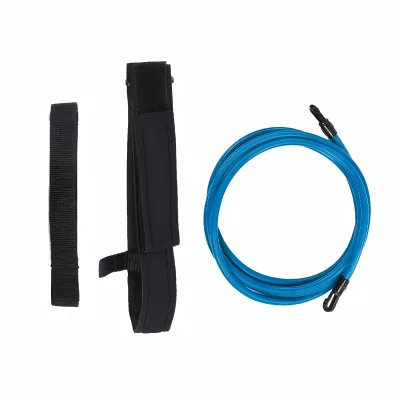
Customized Swim Goggles Bungee Cords Binding Strap Adjustable Bungee Cord
$1.50 - $3.00
MOQ: 100 Pieces


NINGBO KINGSLINGS IMPORT AND EXPORT CO., LTD.
- Trading Company,Manufacturer/Factory
- China Zhejiang
- Lead time45 days
- Avg. response≤ 10h
Main productsRatchet Strap, Ratchet Buckle, Tow Strap, Webbing Slings, Towing Accessories, Tie Down Strap Hardware, Bungee Cords, Winch & Winch Bar, Rigging Hardware, Aramid /Pbo/UHMWPE New Material
Main marketsSouth America,Eastern Europe,Mid East,North America,Southeast Asia,Eastern Asia,Oceania,Western Europe,Africa

Kingslings Heavy Duty 11mm Nylon Elastic Rope Resistance Training Bungee Cords
$0.10 - $0.59
MOQ: 100 Meters


Yongkang Deheng Industry & Trade Co., Ltd.
- Manufacturer, Trading Company
- Zhejiang, China
- Lead time15 days
- Avg. response≤ 4h
Main productsResistance Bands,Ankle exercise bands,mini loop band,latex product,gymnastic rings
Main marketsNorth America(45.00%), Western Europe(30.00%), Eastern Europe(15.00%), Central America(5.00%), Southeast Asia(5.00%)
Changzhou Sitan Imp. and Exp. Co., Ltd.
- Verified by BV
- Trading Company
- China Jiangsu
- Lead time15 days
- Avg. response≤ 10h
Main productsFitness Equipment, Barbell Series, Resistance Bands, Agility & Speed, Yoga Ball, Massage Series, Power Rack, Weight Ball, Charging Notebook, Custom Logo Goods
Main marketsSoutheast Asia/ Mideast,Domestic,Europe,North America

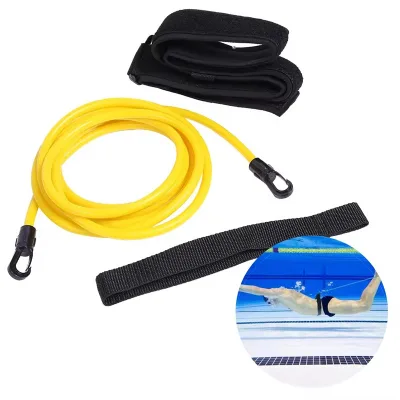
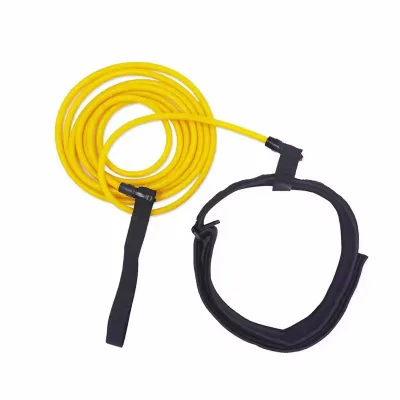
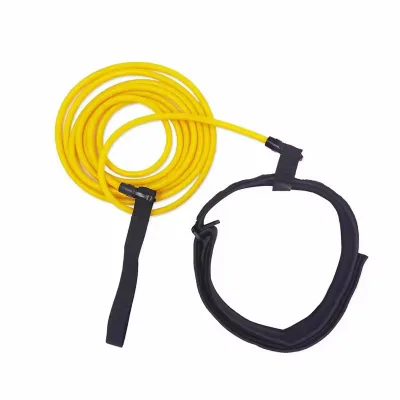
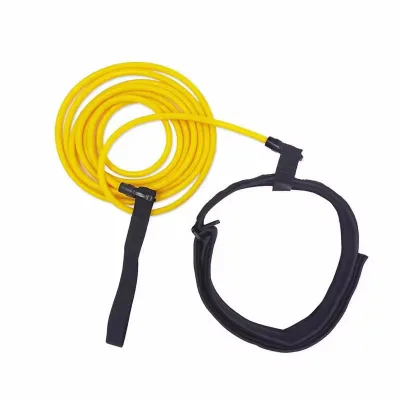
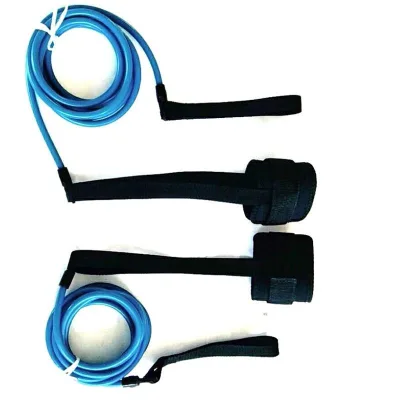
Elastic Swimming Training Rope for Dive Strength Practice and Aquatic Fitness
$4.50 - $7.00
MOQ: 2 Pairs

Resistance Swim Training Rope Elastic Band for Pool Strength Practice Equipment
$4.50 - $7.00
MOQ: 2 Pairs

Swim Training Elastic Rope Resistance Band for Strength Practice and Pool Training
$4.50 - $7.00
MOQ: 2 Pairs
Guangzhou Ynuo Technology Co., Ltd.
- Manufacturer, Trading Company, Distributor/Wholesaler
- Guangdong, China
- Lead time15 days
- Avg. response≤ 2h
Main productsstorage baskets,kitchen accessories,Baby products,Pet products,Cake Tools
Main marketsSouth America(25.00%), North America(25.00%), Southern Europe(10.00%), Northern Europe(10.00%), Western Europe(10.00%), Eastern Europe(10.00%)
Shenzhen JLD Textile Co., Ltd.
- Manufacturer, Trading Company
- Guangdong, China
- Lead time10 days
- Avg. response≤ 3h
Main productsHook and Loop,Cord Management,Outdoor Sports Tactical Equipment,Car Storage Organize,Fishing Gear Accessories
Main marketsNorth America(30.00%), Eastern Asia(10.00%), Domestic Market(10.00%), Southeast Asia(10.00%), Western Europe(10.00%), Eastern Europe(10.00%), Oceania(5.00%), Southern Europe(5.00%), Central America(3.00%), Northern Europe(2.00%), South America(2.00%), Africa(1.00%), South Asia(1.00%), Mid East(1.00%)
Milesun Rubber & Plastic Technology Co., Ltd.
- Verified by CTI
- Manufacturer/Factory
- China Guangdong
- Lead time23 days
- Avg. response≤ 13h
Main productsRubber Components, Rubber Damper/Shock Absorber/Sheet, Rubber-Metal Components, Sealing Ring, Home Appliance Rubber and Metal Components, Power Tool Rubber and Metal Components, Auto Rubber and Metal Components, Sanitary Rubber and Metal Components, Kitchen Ware / Daily Use Rubber Products, Food Grade Rubber Products/Toy
Main marketsSouth America,Eastern Europe,Mid East,North America,Southeast Asia,Eastern Asia,Oceania,Western Europe,Africa
Zhongshan Acsi Sports Products Co., Ltd.
- Manufacturer, Trading Company
- Guangdong, China
- Lead time10 days
- Avg. response≤ 5h
Main productsSwimming caps,Swimming goggles,swimming kickboards,Swimming Ring,Swimming toys
Main marketsEastern Europe(30.00%), Northern Europe(25.00%), Western Europe(10.00%), Southern Europe(10.00%), North America(10.00%), South Asia(5.00%), Central America(5.00%), Mid East(2.00%), Africa(1.00%), Southeast Asia(1.00%), South America(1.00%)
Danyang Skyhope Health & Sports Industry Co., Ltd.
- Verified by TüVRheinland
- Manufacturer, Trading Company
- Lead time0 days
- Avg. response≤ 3h
Main productsResistance Bands, Resistance Tubing, Hand Pump, Ear Syringe, Hip Bands
Main marketsNorth America(50%), Domestic Market(20%), Western Europe(7%)
- Trading Company
- Hong Kong S.A.R.
- Lead time0 days
- Avg. response≤ 4h
- Verified by TUVRHEINLAND
- Trading Company
- China Jiangsu
- Lead time15 days
- Avg. response≤ 2h
Main productsEVA Foam, PE Foam, EPDM Foam, Cr Foam/Neoprene Foam, NBR/PVC Foam, Closed Cell Foam, IXPE/XPE Foam, Ixpp Foam, Foam Gasket Sealing, XPE Floating Mat/Marine EVA Foam
Main marketsAfrica,Southeast Asia/ Mideast,Australia,North America

Hangzhou Yale Industrial Co., Ltd.
- Verified by SGS
- Combined
- China Zhejiang
- Lead time15 days
- Avg. response≤ 14h
Main productsRatchet Lashing, Webbing Sling, Polyester Woven Lashing, Composite Strap, Safety Harness, Slackline Set, Corner Protector, Safety Lanyard, Round Sling, Air Dunnage Bags
Main marketsSouth America,Southeast Asia/ Mideast,East Asia(Japan/ South Korea),Domestic,Europe,Australia
Guangzhou Huayueda Trading Co., Ltd.
- Trading Company, Distributor/Wholesaler
- Guangdong, China
- Lead time7 days
- Avg. response≤ 5h
Main productsTACTICAL GEAR & TOOL,ILLUMINATION,OUTDOOR & RESCUE,EDC & TRAINING,OEM LOGO
Main marketsSouthern Europe(30.00%), South Asia(30.00%), Eastern Europe(30.00%), Mid East(10.00%)

Jinhua Cowin Import & Export Co., Ltd.
- Verified by TUVRHEINLAND
- Trading Company
- China Zhejiang
- Lead time30 days
- Avg. response≤ 4h
Main productsHand Tool, LED Lighting, Car Tool, Hardware, Trailer Light, Trailer Hitch Mount, Power Tool, Garden Tools, Air Tools, Tie Down
Main marketsEurope
Hebei Changfeng Rubber and Plastic Products Co., Ltd.
- Combined
- China Hebei
- Lead time23 days
- Avg. response≤ 8h
Main productsRubber Seal Strips, Rubber Sealing Strips, Rubber Grommet, Rubber Hose, Auto Parts, Rubber Gaskets, Silicone Hose, Molded Rubber Parts, Weatherstrips, EPDM Rubber Products
Main marketsEurope,Australia,North America
Shenzhen Gloffie Outdoor Products Co., Ltd
- Verified by SGS
- Manufacturer/Factory
- China Guangdong
- Lead time45 days
- Avg. response≤ 2h
Main productsSwimming Goggles, Diving Mask, Skiing Goggles, Swimming Cap, Snorkel, Fins, Power Inverter, Helmet, Solar Inverter, Sunglass
Main marketsSouth America,Eastern Europe,Mid East,North America,Southeast Asia,Eastern Asia,Oceania,Western Europe,Africa


Gloffie Extra Large Waterproof Anti Lost Cord Tapered Swimming Earplugs
$0.85 - $1.00
MOQ: 1000 Pieces


Shenzhen Pengyifa Precision Mould co., Ltd.
- Verified by TUVRHEINLAND
- Combined
- China Guangdong
- Lead time45 days
- Avg. response≤ 1h
Main productsSki Goggles, Snow Goggles, Swimming Goggles, Swimming Caps, Sporting Sunglasses, Swimming Accessories, Swimming Paddles, Nose Clips, Swim Goggles, Swimming Float
Main marketsSouth America,Southeast Asia/ Mideast,Europe,Australia,North America


Single Color Soft Silicone Adjustable Strap Trax Paddle Swimming Freediving Use
$0.79 - $1.20
MOQ: 500 Pieces
Taixing S&H International Trade Co., Ltd.
- Verified by BV
- Trading Company
- China Jiangsu
- Lead time15 days
- Avg. response≤ 7h
Main productsGlasses Cases, Glasses Suitcase, Glasses Chains, Glasses Cleaning Cloth, Glasses Screwdriver, Glasses Spray, Glasses Accessories
Main marketsDomestic,Europe
Suzhou One Two Three Sports Goods Co., Ltd.
- Verified by TüVRheinland
- Trading Company
- Lead time15 days
- Avg. response≤ 5h
Main productsMulti-function Fitness Equipment, Adjustable Dumbbells, Treadmill Walking Pad, Exercise Bands, Yoga Pilates Reformer
Main marketsWestern Europe(40%), Eastern Europe(23%), North America(10%)
Dongguan Zhishang Polymer Materials Co., Ltd
- Verified by SGS
- Combined
- China Guangdong
- Lead time15 days
- Avg. response≤ 5h
Main marketsDomestic
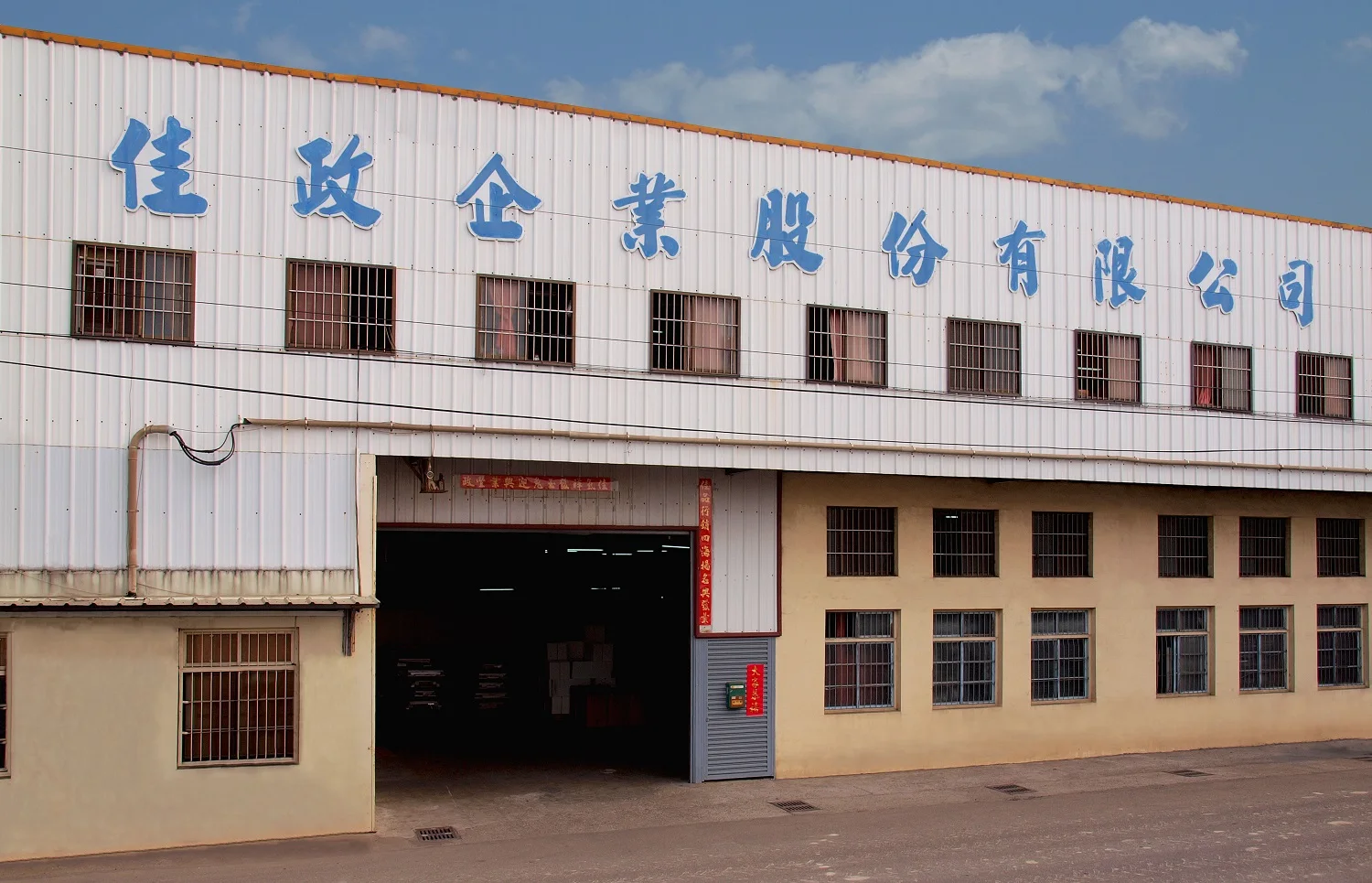
CHIA JENGS ENTERPRISE CO., LTD.
- Manufacturer
- Taiwan, China
- Lead time45 days
- Avg. response≤ 1h
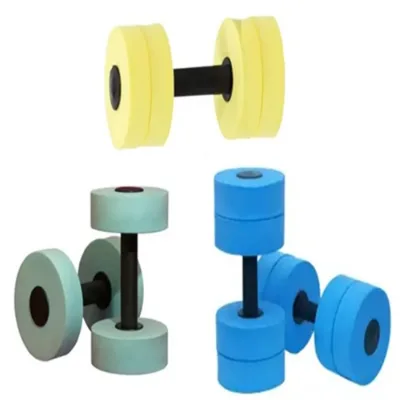
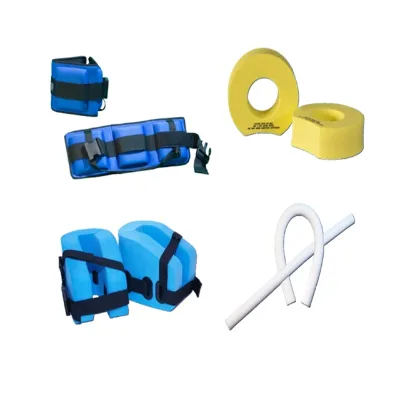
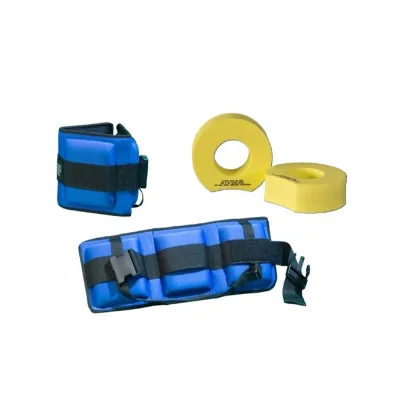
Main productsSwimming Floating Equipment,Sporting Equipment,Sporting Protector,Medical protector,EVA panel,EVA Foam Related Product
Main marketsNorth America(62.00%), Southeast Asia(38.00%)
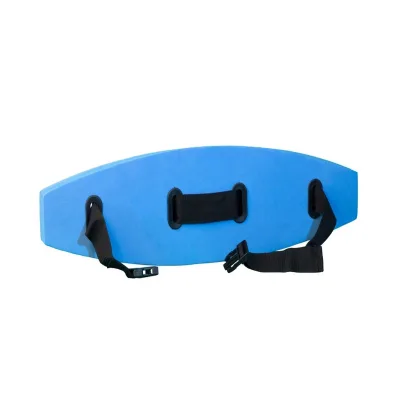
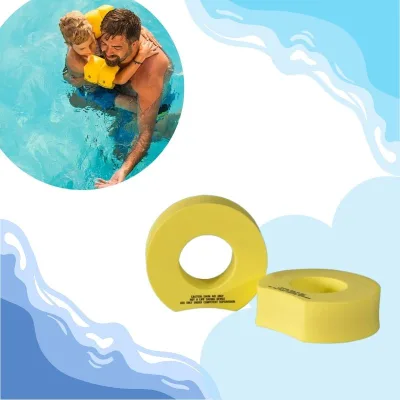
$9.19 - $12.25
MOQ: 200 pairs
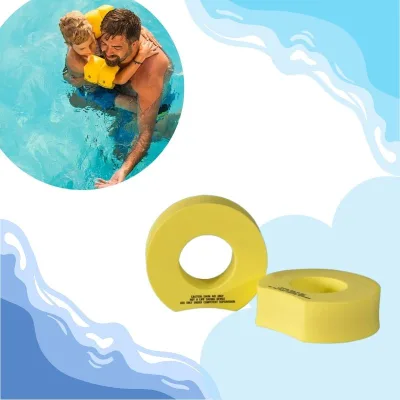
$14.00 - $16.00

HAWSON INTERNATIONAL INDUSTRIAL LIMITED
- Trading Company
- China Zhejiang
- Lead time45 days
- Avg. response≤ 25h
Main productsSaddlery, Equestrian Products, Grooming Kit, Whips, Harness, Brush Hoof Pick, Dog Apparel, Girth Halter Lead Rope Bandage, Bag, Horse Stable Rack
Main marketsSouth America,Southeast Asia/ Mideast,Europe

Tianjin Wortai International Trade Co., Ltd.
- Verified by SGS
- Trading Company,Manufacturer/Factory
- China Tianjin
- Lead time23 days
- Avg. response≤ 4h
Main productsRubber Seal, Door Seal, Shower Door Seal Strip, Shower Screen Seals, Magnetic Shower Seals, Window Screen Mesh, Cleaning Ball, Rubber Fender, Auto Door Seal, Weather Strip
Main marketsSouth America,Eastern Europe,Mid East,North America,Southeast Asia,Western Europe


Customized Size Silicone Rubber Seal Cord Rubber Cord Rubber O-Ring Cord
$0.05 - $1.00
MOQ: 1000 Meters


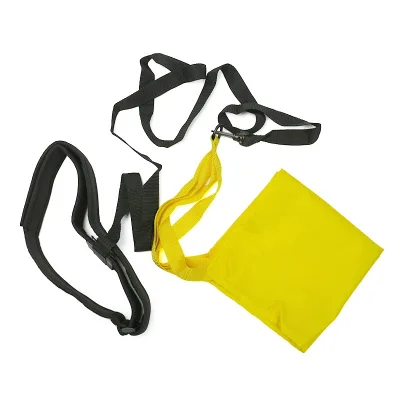
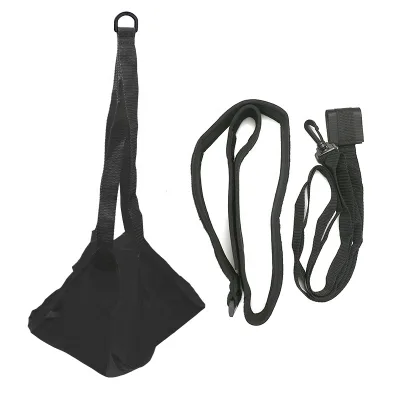
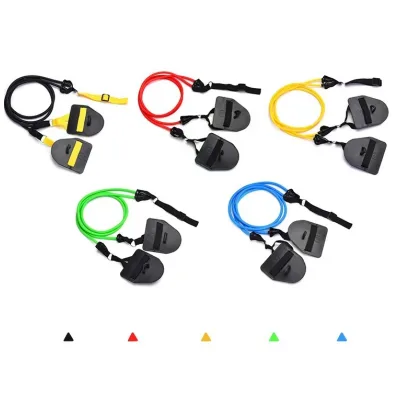
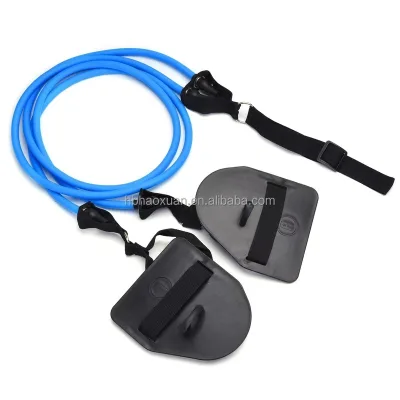
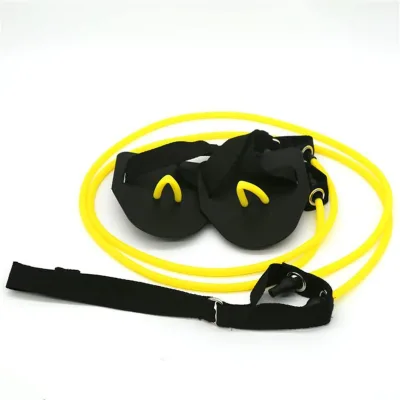
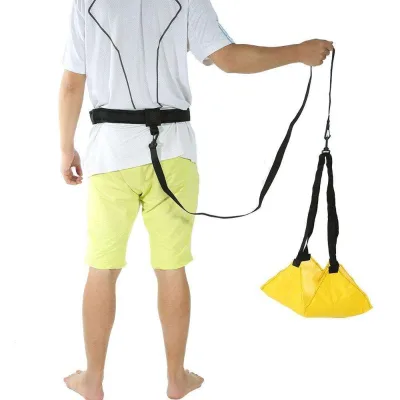
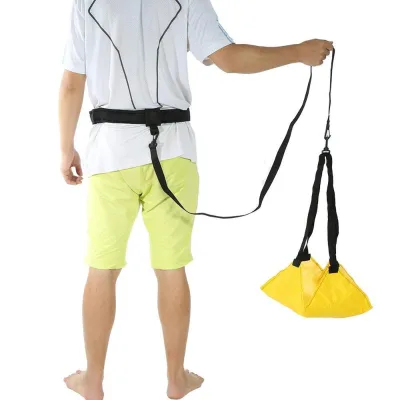
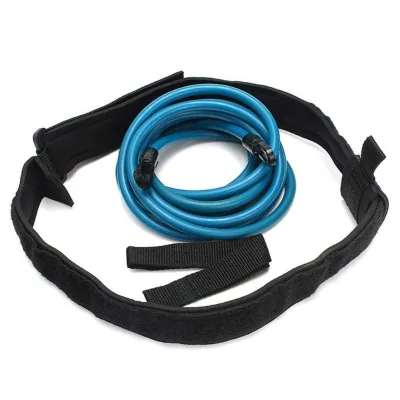


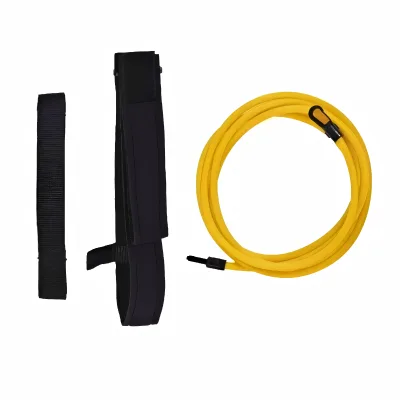
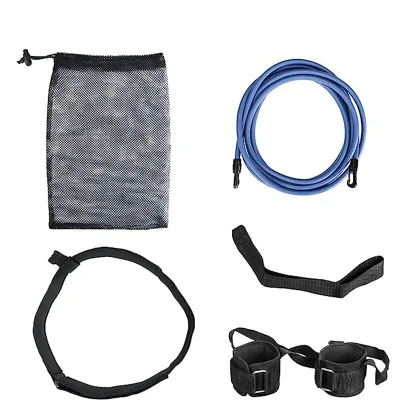
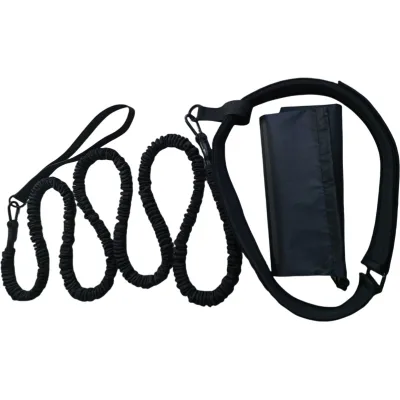
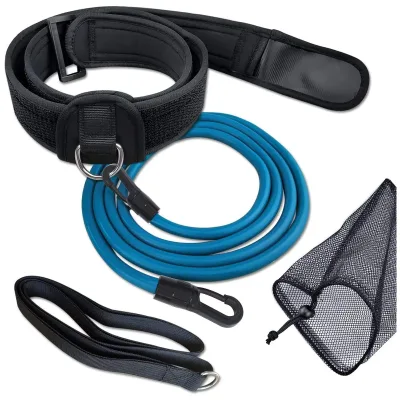






Comprehensive Sourcing Guide
TPE Swimming Training Resistance Cord Supplier Concentration and Factory Types
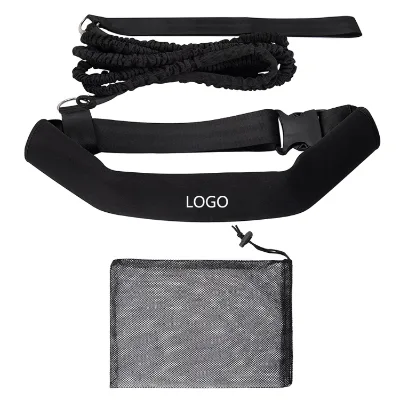
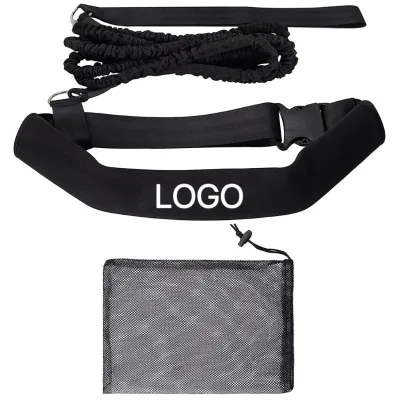
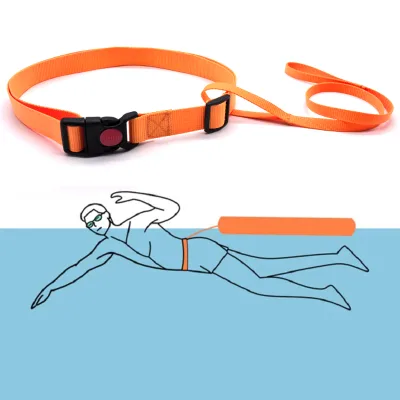
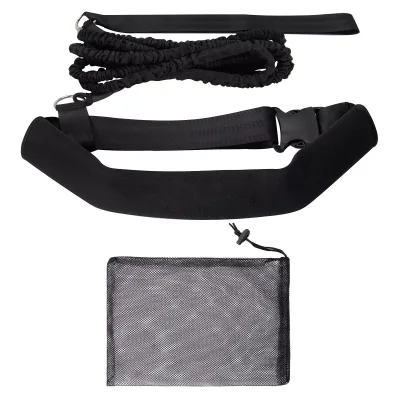
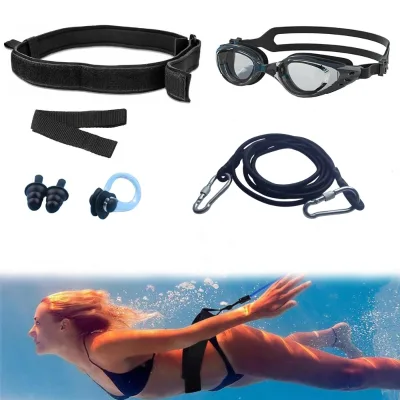
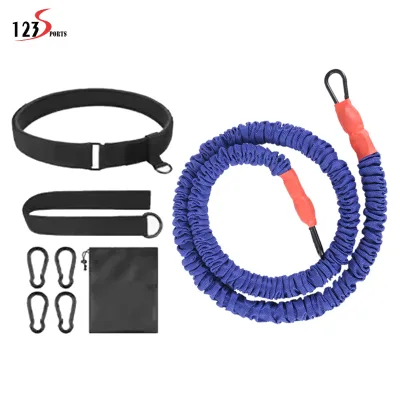
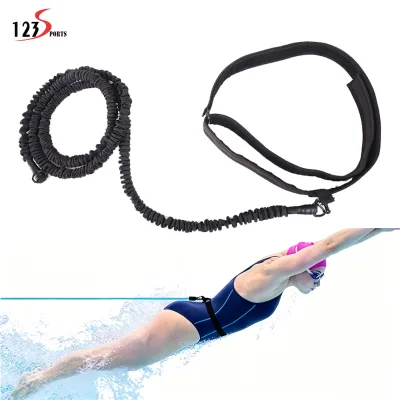
The current supplier landscape for TPE swimming training resistance cords reveals a distinct concentration of manufacturing activity within specific Chinese provinces, with Jiangsu and Guangdong emerging as the primary hubs for this category. Fact-based observations confirm that a significant portion of verified manufacturers and trading companies operate out of Jiangsu, China, where facilities produce items such as swimming arm strength tubes and resistance bands with TPE materials. This regional clustering suggests a mature supply chain ecosystem in Jiangsu, likely offering specialized raw material access and established logistics networks for aquatic sports equipment. Buyers should prioritize verifying the specific factory address against these known clusters to ensure proximity to the core manufacturing base, as this often correlates with faster production cycles and lower shipping costs for bulk orders.
In terms of company structure, the market presents a mix of direct manufacturers and trading companies, each offering different value propositions for sourcing TPE swimming training resistance cords. Some entities are identified as manufacturers capable of light customization, sample processing, and graphic processing, while others function as trading companies that may aggregate products from multiple factories. The presence of both types indicates that buyers can choose between direct factory engagement for custom OEM/ODM projects or trading partners for broader product variety and consolidated shipping. It is critical to distinguish between these entity types during the initial screening, as manufacturers typically offer more flexibility in material specifications like TPE density, whereas trading companies might provide faster access to existing stock but less control over the production process.
How to Verify TPE Swimming Training Resistance Cord Suppliers
Verification of TPE Swimming Training Resistance Cord suppliers requires a rigorous examination of third-party audit reports and system certifications to confirm operational legitimacy and quality standards. Current data indicates that some suppliers hold SGS Group verification status, while others have been verified by BV, providing an external layer of trust regarding their business operations. Additionally, system certifications such as RoHS, SVHC, and ISO 9001 are present in the profiles of certain manufacturers, signaling adherence to international safety and quality management protocols. Buyers must request and review these specific documents directly from the supplier, ensuring that the certification covers the exact product line of swimming resistance cords and is not merely a general company credential.
Beyond external audits, buyers should scrutinize the supplier's response time and capacity for customization to gauge their operational readiness and reliability. Response times in the current dataset vary, with some suppliers indicating a 10-day window while others show significantly faster or slower metrics, which can impact project timelines. Furthermore, the ability to handle light customization, sample processing, and graphic processing is a key indicator of a supplier's technical capability. Buyers should explicitly ask for sample turnaround times, as some data points suggest samples can be prepared within seven days, while others may require longer periods. Confirming these operational metrics through direct communication ensures that the supplier can meet the specific production and delivery requirements of the swimming training equipment order.
What to Compare Across TPE Swimming Training Resistance Cord Suppliers
When evaluating multiple suppliers for TPE swimming training resistance cords, the primary comparison points should include lead times, minimum order quantities, and pricing structures to determine the most viable commercial partner. Lead times in the observed data range from 15 to 45 days, with some suppliers offering faster turnaround capabilities while others require longer production windows. Minimum order quantities also vary significantly, with some suppliers setting thresholds at 100 units while others require 500 units or more, directly influencing the initial capital outlay and inventory risk for the buyer. Buyers must align these constraints with their own demand forecasts and cash flow capabilities to avoid overstocking or facing production delays that could disrupt their sales cycle.
Pricing and product specifications form another critical dimension for comparison, as costs per unit can fluctuate based on material quality, customization levels, and order volume. Current product evidence shows price ranges for swimming resistance trainers starting as low as $1.76 and extending up to $2.90, depending on the specific model and features such as color customization or included accessories like paddles. Buyers should compare not just the base price but also the total landed cost, including packaging details and shipping terms, to ensure accurate budgeting. Additionally, comparing the main product portfolios of suppliers can reveal whether a vendor specializes in swimming-specific gear or offers a broader range of fitness equipment, which may affect their expertise and focus on the specific TPE resistance cord requirements.
Common TPE Swimming Training Resistance Cord Sourcing Risks
One significant risk in sourcing TPE swimming training resistance cords involves the potential mismatch between advertised product attributes and actual material composition or durability. While many suppliers list TPE as the primary material, variations in quality can exist, and some product listings may include conflicting attributes such as "Latex Band" alongside TPE descriptions, creating confusion about the final product received. Buyers must verify the exact material composition through sample testing and request detailed material safety data sheets to ensure the product meets the intended performance standards for swimming training. Relying solely on product titles or keywords without physical verification can lead to receiving substandard goods that fail to provide the necessary resistance or durability for professional use.
Another critical risk is the inconsistency in response times and lead times, which can severely impact supply chain reliability and project scheduling. The observed data shows response times ranging from under 6 days to over 14 days, and lead times varying from 15 to 45 days, indicating a lack of standardization across the supplier base. If a buyer selects a supplier with a slower response time or longer lead time without accounting for these variables in their planning, they risk missing critical market windows or facing stockouts. It is essential to establish clear communication protocols and confirm realistic delivery schedules before placing an order, ensuring that the supplier's operational capacity aligns with the buyer's urgent needs and that any potential delays are communicated proactively.
TPE Swimming Training Resistance Cord Regional Sourcing and Logistics
Regional sourcing strategies for TPE swimming training resistance cords should focus on leveraging the established manufacturing clusters in Jiangsu and Guangdong to optimize logistics and reduce shipping costs. The concentration of suppliers in these provinces suggests that freight forwarders and logistics providers in these regions are well-accustomed to handling aquatic sports equipment, potentially offering more competitive rates and faster transit times. Buyers should prioritize suppliers located in these verified clusters to benefit from the existing infrastructure and expertise in exporting similar products. However, if a supplier is located outside these known hubs, buyers must carefully evaluate the additional logistics costs and potential delays that may arise from less developed supply chain networks in other regions.
Logistics planning must also account for the specific packaging requirements and dimensions of TPE swimming training resistance cords to ensure efficient container utilization and cost control. Product data indicates that single package sizes can vary, with some items measuring 19x16x7 cm and others 12x8x6 cm, which directly impacts the number of units that can be shipped per container. Buyers should request detailed packing lists and volume calculations from suppliers to optimize freight costs and minimize wasted space. Additionally, understanding the weight of individual packages, which ranges from 0.15 kg to 0.38 kg, is crucial for calculating total shipping weights and determining the most cost-effective shipping method, whether by sea or air, based on the urgency of the order and the total volume required.
TPE Swimming Training Resistance Cord Commercial Terms and Order Planning
Commercial terms for TPE swimming training resistance cords must be carefully negotiated to align with the buyer's financial constraints and risk tolerance, particularly regarding payment methods and escrow services. While specific escrow details are not universally provided in the current data, buyers should insist on using secure payment platforms that offer protection for both parties until the goods are verified and accepted. Establishing clear terms for sample costs, bulk pricing tiers, and penalties for late delivery is essential to protect the buyer's interests and ensure a smooth transaction. Buyers should also clarify whether the quoted prices include all taxes, duties, and shipping costs to avoid unexpected expenses that could erode profit margins.
Order planning for TPE swimming training resistance cords requires a strategic approach to inventory management and production scheduling to maintain a steady supply of high-quality products. Given the varying lead times and minimum order quantities observed, buyers should plan their orders well in advance to accommodate production cycles and avoid stockouts during peak seasons. It is advisable to maintain a buffer stock of popular models while negotiating flexible terms for reordering based on sales performance. Additionally, buyers should consider the customization capabilities of the supplier, such as graphic processing and color options, to differentiate their product offerings in the market. By integrating these commercial and planning considerations, buyers can build a resilient supply chain that supports long-term growth and customer satisfaction.
FAQs
What is the typical lead time for TPE swimming resistance cords?
Manufacturers generally require 20 to 45 days to produce and ship TPE swimming resistance cords. This timeframe depends on order volume and customization needs. Some suppliers offer faster turnaround for standard items, while others with larger production capacities may take longer to ensure quality control and material availability.
What is the minimum order quantity for these products?
The minimum order quantity typically ranges from 100 to 500 pieces. Buyers can find suppliers accepting lower MOQs for sample orders or standard configurations. Higher volumes often unlock better pricing tiers. Always verify the specific MOQ with the supplier before finalizing the purchase agreement to avoid delays.
Are these cords made from natural latex or TPE material?
Products are available in both natural latex and TPE materials. TPE options are often preferred for their durability and resistance to chlorine. Latex bands provide different elasticity characteristics. Buyers should check the product specifications to confirm the material type, as some listings may mix both options in their catalog.
What certifications do these swimming trainers have?
Common certifications include RoHS, SVHC, and ISO 9001 standards. These indicate compliance with environmental and quality management systems. Some suppliers undergo third-party verification by SGS or BV. Buyers should request valid certificates to ensure the products meet international safety and quality requirements for sports equipment.
Can I get custom colors or branding on the cords?
Many manufacturers offer customization services including graphic processing and custom colors. Buyers can specify solid colors or unique designs for their orders. OEM and ODM services are available for larger quantities. Confirm the customization options and any additional costs with the supplier before placing the order.
What is the price range for TPE swimming resistance cords?
Prices typically range from $1.76 to $2.90 per unit. The cost varies based on material, length, and order volume. Bulk orders usually result in lower per-unit prices. Buyers should compare quotes from multiple suppliers to find the best value while considering quality and service levels.
How quickly do suppliers respond to inquiries?
Response times vary, with some suppliers replying within 6 hours and others taking up to 15 hours. Faster response times often indicate better customer service. Buyers should prioritize suppliers with quick reply rates for efficient communication. Check the supplier profile for average response time metrics before initiating contact.