Source Fully Automatic Corn Tortilla Machine for Tortillas, Chips, and Donuts
Compare 30 fully automatic corn tortilla machines from verified Chinese suppliers. Buyers can evaluate specifications like voltage, power, and production capacity to find the right equipment for tortilla, chip, and donut manufacturing; compare the available evidence and request quotations based on your requirements.
Key considerations
Products List


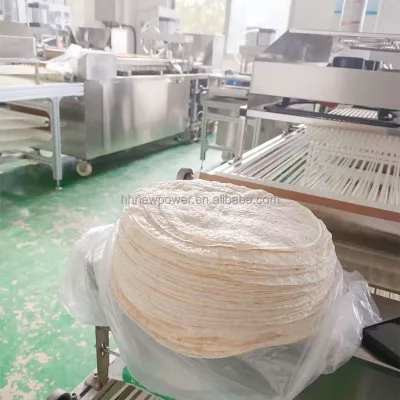


Automatic Tortilla Making Machine Grain Product Making Machines Tortilla
$9800.00 - $20000.00
MOQ: 1 piece


Commercial Corn Tortilla Making Machine Mexico Maquina PARA Hacer Tortillas De Maize
$6500.00 - $10000.00
MOQ: 1 Pieces


Comprehensive Sourcing Guide
Fully Automatic Corn Tortilla Machine Sourcing Guide
Sourcing a Fully Automatic Corn Tortilla Machine requires careful evaluation of production capacity, voltage compatibility, and material construction to ensure seamless integration into your existing manufacturing line. Buyers must prioritize machines that offer customizable voltage options, such as 220V or 380V, to match local electrical infrastructure, while also considering the power consumption ratings which can range from 4KW to 20KW depending on the model’s throughput capabilities.
The decision-making process should also account for the machine’s physical footprint and automation level, as dimensions vary significantly from compact units measuring around 800x800x1400mm to larger systems exceeding 5000mm in length. Selecting a machine with a PLC control system or manual override options allows for greater operational flexibility, while ensuring the core components, particularly the motor, are sourced from reputable manufacturers to guarantee long-term reliability and minimal downtime during high-volume production cycles.
Product Scope and Observed Listing Signals
The market for tortilla making equipment includes a diverse range of models, from specific spring roll sheet makers to dedicated corn tortilla presses, often sharing similar mechanical principles but differing in output speed and sheet thickness capabilities. Listings frequently highlight multifunctional designs that can handle various dough types, with production capacities ranging from 50 to 100 pieces per minute, allowing buyers to scale operations based on demand fluctuations without requiring multiple specialized units.
Observed product attributes indicate a strong emphasis on customization, with many suppliers offering OEM services and tailored packaging solutions such as standard export wooden packages or custom wooden cases to protect the machinery during international shipping. Buyers should note that while some models are marketed under generic keywords like "lumpia wrapper machine," the underlying technology often supports the production of corn tortillas, provided the thickness settings can be adjusted within the typical 0.2-3mm range required for authentic tortilla textures.
Technical Specifications to Verify
When evaluating technical specifications, buyers must verify the machine’s dimensional constraints to ensure it fits within their facility’s available floor space, as standard models may measure approximately 2900x2000x2200mm or vary significantly based on the manufacturer’s design philosophy. It is crucial to confirm the material composition, with stainless steel being the preferred choice for food-contact surfaces to ensure hygiene and durability, while also checking the weight of the unit, which can range from 260kg to 500kg, to determine if additional floor reinforcement is necessary.
Power requirements and voltage compatibility are critical technical factors that must align with your site’s electrical supply, as machines may operate on 220V, 380V, or customizable voltages with power ratings from 4KW to 20KW. Additionally, buyers should inquire about the timing device integration and automatic grade features, as these components directly influence the consistency of the tortilla thickness and the overall efficiency of the production process, ensuring that the machine can maintain stable output rates under continuous operation.
Compliance and Safety Documentation
Ensuring that the machinery meets international safety and quality standards is a prerequisite for successful procurement, with CE certification being a common requirement for equipment exported to European markets and other regions with strict regulatory frameworks. Buyers should request valid certification documents to verify that the machine’s electrical components, moving parts, and emergency stop mechanisms comply with relevant safety directives, thereby reducing the risk of workplace accidents and ensuring legal compliance in your operating jurisdiction.
Beyond basic certifications, buyers should ask for machinery test reports that demonstrate the equipment’s performance under load, including data on energy efficiency, noise levels, and operational stability. These documents provide objective evidence of the machine’s reliability and help buyers assess whether the equipment meets their specific production standards, while also serving as a reference point for future maintenance and troubleshooting activities, ensuring that any deviations from expected performance can be quickly identified and addressed.
Cost Drivers and Commercial Terms
The total cost of ownership for a Fully Automatic Corn Tortilla Machine is influenced by several factors, including the machine’s production capacity, automation level, and the complexity of its control system, with prices varying widely based on these specifications. Buyers should consider not only the initial purchase price but also the long-term operational costs, such as energy consumption and maintenance requirements, to make an informed decision that aligns with their budget and production goals.
Commercial terms, including delivery lead times and warranty coverage, play a significant role in the procurement process, with typical delivery periods ranging from 15 to 30 days and warranty periods often extending to two years. Buyers should negotiate clear terms regarding after-sales support, spare parts availability, and technical assistance to ensure that any issues arising during installation or operation can be resolved promptly, minimizing production downtime and protecting their investment in the new equipment.
Supplier Qualification and Quality Control
Selecting a reliable supplier is essential for ensuring the quality and longevity of the tortilla making machine, with buyers prioritizing manufacturers that have a proven track record in producing food processing equipment. Suppliers should be evaluated based on their production capacity, quality control processes, and ability to provide customized solutions, as these factors directly impact the machine’s performance and the buyer’s ability to scale operations effectively.
Quality control measures should include rigorous testing of the machine’s core components, such as the motor and control system, to ensure they meet specified performance standards before shipment. Buyers should request detailed information about the supplier’s quality assurance protocols, including inspection procedures and testing methodologies, to verify that the equipment delivered matches the agreed-upon specifications and is free from defects that could compromise production efficiency or product quality.
Long-Term Procurement Checks
Long-term procurement success depends on establishing a strong relationship with the supplier and ensuring ongoing support for the machinery throughout its lifecycle. Buyers should verify the availability of spare parts and technical documentation to facilitate routine maintenance and repairs, reducing the risk of prolonged downtime and ensuring that the machine continues to operate at peak efficiency over time.
Additionally, buyers should monitor the supplier’s ability to provide updates and upgrades to the machine’s software and hardware, as technological advancements can significantly enhance production capabilities and product quality. By maintaining open communication with the supplier and staying informed about industry trends, buyers can make informed decisions about future investments and ensure that their tortilla production line remains competitive and adaptable to changing market demands.
FAQs
What is the power consumption of the Fully Automatic Corn Tortilla Machine?
The Fully Automatic Corn Tortilla Machine typically operates with a power rating of 20KW or 4KW depending on the specific model configuration. This electric power source ensures efficient thermal processing for consistent dough sheeting. The system supports 220V or 380V voltage inputs, allowing flexibility for various industrial electrical standards. This energy profile supports continuous production cycles while maintaining stable motor performance for high-volume output requirements.
Can the Fully Automatic Corn Tortilla Machine be customized for specific needs?
Yes, the Fully Automatic Corn Tortilla Machine offers extensive customization options to meet diverse production requirements. Buyers can select from various model numbers such as CJ-35, CJ-350, or YN-LB series variants. The machine supports customized dimensions and thickness settings ranging from 0.2 to 3mm. This adaptability allows manufacturers to tailor the equipment to specific dough types and desired wrapper sizes for optimal operational efficiency.
What certifications are available for the Fully Automatic Corn Tortilla Machine?
The Fully Automatic Corn Tortilla Machine is available with CE certification to ensure compliance with international safety and quality standards. Some configurations may also carry ISOCE certification for broader regulatory adherence. These certifications verify that the machinery meets essential engineering requirements for industrial food processing environments. Buyers should verify specific certification documents provided with the machinery test reports to confirm compliance for their target markets.
What is the production capacity of the Fully Automatic Corn Tortilla Machine?
The Fully Automatic Corn Tortilla Machine features variable production capacities ranging from 50 to 100 pieces per minute. Output rates can also be specified in weight terms, such as 120-140 Kg/H or 180-240 Kg/H. These capacity options allow buyers to select a machine that aligns with their specific throughput requirements. The automatic grade ensures consistent output speeds without manual intervention during the continuous thermal processing cycle.
How long is the warranty period for the Fully Automatic Corn Tortilla Machine?
The Fully Automatic Corn Tortilla Machine comes with a standard 2-year warranty period to protect against manufacturing defects. This coverage typically includes core components like the motor and essential mechanical parts. The warranty ensures long-term reliability and support for continuous industrial operations. Buyers should review the specific terms provided with the machinery test reports to understand the full scope of coverage and maintenance obligations during the warranty duration.
What is the lead time for ordering the Fully Automatic Corn Tortilla Machine?
The lead time for ordering the Fully Automatic Corn Tortilla Machine generally ranges from 15 to 30 days. This timeframe accounts for manufacturing, quality control, and preparation for standard export wooden packaging. The delivery schedule may vary based on customization requirements and order volume. Buyers should confirm exact lead times with suppliers to align production planning with their operational timelines and ensure timely installation.