Source Fully Automatic DPF Cleaning Machine for Vans Trucks Cars
Find and compare 27 fully automatic DPF cleaning machines from verified Chinese suppliers. Buyers can evaluate models with electric or diesel power, varying weights, and specific cleaning functions for automotive beauty shops and fleet maintenance.
Key considerations
Products List


15minutes Automatic DPF Cleaning Diesel Particulate Filter Cleaner Machine
$2500.00 - $3500.00
MOQ: 1 Pieces


Professional Automobile DPF/Fap/SCR Cleaning Machine DPF Cleaner Machine for Heavy Truck
$24800.00 - $36800.00
MOQ: 1 Pieces

Prolongs The Service Life of DPF Catalytic Converters DPF Maintenance Cleaning Machine
$24800.00 - $36800.00
MOQ: 1 Pieces

All Dpfs Can Be 100% Cleaned DPF Cleaning Machine DPF Cleaning Equipment for Filter System
$9000.00 - $14000.00
MOQ: 1 Pieces

Easy to Operate Automatic DPF Cleaning Machine DPF Cleaner Clean All Kinds of DPF & SCR
$24800.00 - $36800.00
MOQ: 1 Pieces

SCR DPF Cleaning Machine DPF Cleaning Machine High Pressure Clean Machine for Truck
$9000.00 - $14000.00
MOQ: 1 Pieces

Security DPF Catalyst Cleaner Advanced DPF Cleaning Machine Clean DPF Product
$24800.00 - $36800.00
MOQ: 1 Pieces


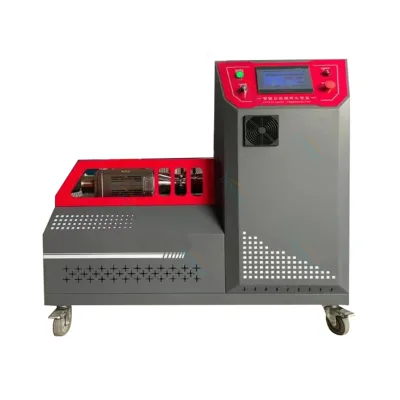
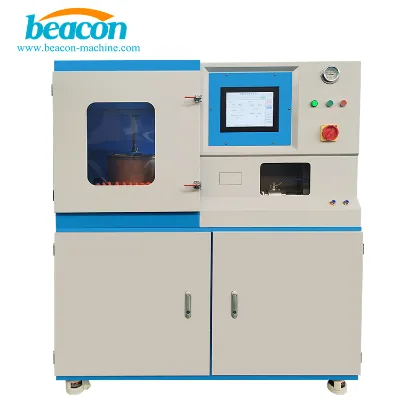
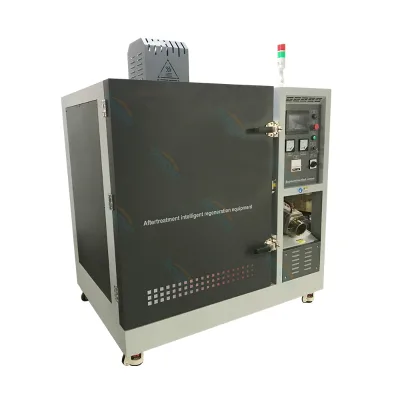
Comprehensive Sourcing Guide
Strategic Sourcing Guide for Fully Automatic DPF Cleaning Machines
Procuring a fully automatic Diesel Particulate Filter (DPF) cleaning machine represents a significant capital investment for automotive service centers, fleet maintenance facilities, and specialized automotive beauty shops. The market offers a diverse array of equipment ranging from compact mobile units to large-scale stationary systems. Buyers must navigate a complex landscape of technical specifications, power requirements, and certification standards to ensure the selected machinery aligns with operational needs. This guide synthesizes available product data and industry best practices to provide a disciplined framework for evaluating potential suppliers and selecting the appropriate equipment.
Technical Architecture and Operational Specifications
The core functionality of a DPF cleaning machine relies on precise control over air pressure, water flow, and thermal dynamics. When evaluating technical specifications, buyers should look for systems that offer distinct cleaning processes, such as cold water cleaning or high-pressure water washing, often integrated with vacuum capabilities. The observed market data indicates that machines vary significantly in power consumption and physical dimensions. For instance, specific models are rated at 3kw or 14kw, while others operate at 13kw or 6kw, necessitating a careful audit of the facility's electrical infrastructure.
Voltage requirements are a critical compatibility factor. Available units operate on 380V, 3-phase, 50Hz systems, which are standard for industrial equipment in many regions, while other models may utilize 220V or 380V configurations. Some suppliers offer customized voltage designs to accommodate specific regional grid standards. The physical footprint of the machine is equally important; dimensions observed in the market range from compact units measuring approximately 730mm by 750mm by 855mm to larger industrial units reaching 1450mm by 850mm by 1900mm.
Air and water handling capabilities define the cleaning efficiency. High-performance units feature air scanning pressures between 0.3 and 0.7 MPa and air collecting negative pressures ranging from -25 to 0 Kpa. Water systems often include filtration mechanisms, such as fine filter bags, and flow rates that can reach 10 cubic meters per hour. The integration of an air drying function is a notable feature in several models, ensuring that the cleaned DPFs are dry and ready for reinstallation immediately. Buyers must verify that the water tank capacity, observed in some units at 120 liters, matches the volume of filters they intend to process daily.
Compliance, Certification, and Safety Standards
In the B2B procurement of industrial machinery, compliance with international safety and quality standards is non-negotiable. The presence of CE certification is a primary indicator that a product meets European Union safety, health, and environmental protection requirements. Furthermore, ISO9001 certification signifies that the manufacturer adheres to a recognized quality management system, which often correlates with more consistent product reliability and better after-sales support.
When reviewing supplier documentation, buyers should explicitly request proof of these certifications rather than relying on marketing claims. The "Standard" designation found in product attributes often refers to adherence to specific industry norms, but the exact nature of these standards should be clarified. For machines operating with high-pressure water or steam, safety protocols regarding pressure relief valves and electrical grounding are paramount. The operating environment is another compliance factor; equipment is typically rated for ambient temperatures between 0 and 45 degrees Celsius. Procuring a machine without verifying its suitability for the local climate can lead to operational failures or safety hazards.
Cost Drivers and Pricing Structures
The pricing for fully automatic DPF cleaning machines is influenced by a combination of factors including power rating, automation level, and material construction. The observed price range in the market spans from 1,500 USD to 36,800 USD, reflecting the vast difference between basic mobile units and advanced, fully automated systems. The primary cost drivers include the rated power of the motor, the complexity of the water filtration system, and the inclusion of features like air drying or foam generation.
Material quality also plays a significant role in the final price. Units constructed from high-grade metal components generally command a premium over those with mixed material builds, offering better durability and resistance to corrosion in wet environments. The inclusion of OEM services, where the supplier supports custom branding or specific design modifications, can also impact the cost structure. While the Minimum Order Quantity (MOQ) for these machines is frequently observed as low as one unit, allowing for single-unit procurement, buyers should be aware that bulk orders might negotiate different pricing tiers or shipping terms.
Application Scenarios and Vehicle Compatibility
Understanding the intended application is crucial for selecting the right machine. These units are primarily designed for automotive beauty shops, fleet maintenance centers, and specialized DPF cleaning services. The versatility of the equipment is often highlighted by its suitability for a wide range of vehicles, including passenger cars, vans, sprinters, and heavy-duty trucks. A machine with a high flow rate and robust vacuum capability is essential for cleaning the larger filters found in commercial trucks, whereas a compact unit may suffice for a shop focusing on passenger vehicles.
The cleaning process itself varies by model. Some machines utilize a "Micro High Pressure Water Cleaning" method combined with high-power vacuuming, while others focus on cold water cleaning or sudsing/foaming techniques. The choice of process depends on the type of contamination typically encountered in the target vehicle fleet. For instance, soot-heavy filters from heavy-duty diesel engines may require the higher pressure and specialized filtration found in more expensive models. Buyers should match the machine's "Function" attributes to the specific maintenance protocols of their facility.
Supplier Evaluation and Customization Capabilities
When evaluating potential suppliers, the focus should extend beyond the product listing to the manufacturer's capability for customization and support. The availability of customization options is a key differentiator in this market. Suppliers that offer "Customized Design at Your Need" for voltage, dimensions, or functional modules provide greater flexibility for buyers with unique facility constraints. The ability to support OEM services indicates a supplier's willingness to integrate the buyer's brand into the product, which is valuable for businesses looking to expand their service offerings under their own name.
The update method for the equipment is another indicator of supplier sophistication. Machines that support updates via the internet suggest a level of modern engineering that allows for firmware improvements or feature additions post-purchase. This is particularly relevant for automated systems that may require software adjustments to optimize cleaning cycles. Buyers should also inquire about the warranty period, with one year being a common standard in the observed data. A robust warranty reflects the manufacturer's confidence in the product's longevity and provides a safety net for the buyer.
Quality Control and Long-Term Procurement Considerations
Ensuring long-term reliability requires a rigorous approach to quality control during the procurement phase. Buyers should verify the condition of the equipment, ensuring it is delivered as "New" and packaged securely, typically in wooden boxes to prevent transit damage. The weight of the unit, ranging from 90kg to 350kg depending on the model, affects logistics planning and the need for specialized handling equipment upon delivery.
Long-term considerations include the availability of spare parts and the ease of maintenance. The presence of specific components like connecting pipes of 40mm diameter and specific water tank capacities should be cross-referenced with the availability of replacement parts. Suppliers that provide detailed technical documentation and clear maintenance schedules are preferable. Additionally, the "Standard" packaging and adherence to specific product standards (such as dimensions listed in millimeters) ensure that the machine will fit within the designated workspace without requiring costly facility modifications.
Comparative Analysis of Key Product Attributes
To facilitate a clearer decision-making process, the following table summarizes the key technical attributes observed across different models in the market. This comparison highlights the diversity in specifications and helps buyers identify which features are essential for their specific operational context.
| Attribute | Model A (Mobile/Cleaning) | Model B (DPF/Industrial) | Model C (High Power) |
|---|---|---|---|
| Product Model | BR-SCR-B02 | BR-SCR/DPF B02 Plus | BR-IDP-MA01 |
| Rated Power | 13kw | 13kw | 6kw |
| Voltage | 380V, 3-phase | 380V, 3-phase | 220V |
| Weight | 350kgs | 350kgs | 90kgs |
| Dimensions | 730750855mm | 14508501900mm | 1400650920mm |
| Water Tank | 120L | N/A | N/A |
| Flow Rate | 10m^3/H | N/A | N/A |
| Air Pressure | N/A | 0.3-0.7 MPa | N/A |
| Fuel Type | Electric | Electric | Diesel |
| Key Function | Micro High Pressure Water Cleaning | DPF Cleaning | Sudsing / Foaming |
| Certification | CE, ISO9001 | CE | CE |
This comparative view underscores that there is no single "best" machine; rather, the optimal choice depends on the specific balance of power, size, and function required. A buyer operating a small car wash might prioritize the compact 90kg unit with 220V operation, while a heavy-duty truck depot would require the 350kg, 13kw unit with high flow rates and industrial dimensions.
Final Procurement Recommendations
The acquisition of a Fully Automatic DPF Cleaning Machine requires a methodical approach that prioritizes technical compatibility, regulatory compliance, and long-term operational efficiency. Buyers must rigorously verify that the voltage, power rating, and physical dimensions of the selected unit match their facility's infrastructure. The presence of CE and ISO9001 certifications should be confirmed through documentation to ensure safety and quality standards are met.
Furthermore, the evaluation of supplier capabilities regarding customization, warranty support, and update mechanisms is essential for securing a partnership that supports long-term growth. By carefully analyzing the specific attributes of available models—such as air pressure ranges, water filtration systems, and cleaning processes—buyers can make informed decisions that align with their specific vehicle service requirements. Ultimately, the goal is to select a machine that not only meets immediate cleaning needs but also offers the durability and flexibility required for the evolving automotive maintenance landscape.
FAQs
What certifications do fully automatic dpf cleaning machines have?
Available units typically hold CE and ISO9001 certifications. These marks indicate compliance with European safety standards and adherence to quality management systems, ensuring reliable operation in automotive beauty shops.
How much does a Fully Automatic DPF Cleaning Machine cost?
Prices range from 1500 to 36800 USD depending on the model and features. The cost is driven by power ratings, automation levels, and material construction, with mobile units generally costing less than industrial systems.
Which voltage options are available for these machines?
Machines operate on 380V three-phase 50Hz or 220V configurations. Some suppliers offer customized voltage designs to meet specific regional grid requirements or facility infrastructure needs.
Can fully automatic dpf cleaning machines be customized?
Yes, customization is available for voltage, dimensions, and functional modules. Buyers can request specific designs to fit unique facility constraints or to integrate OEM branding services.
What is the warranty period for these cleaning units?
The standard warranty period is one year. This coverage reflects the manufacturer's confidence in the product's longevity and provides a safety net for the buyer against early operational failures.
How heavy is a typical Fully Automatic DPF Cleaning Machine?
Weights vary significantly, ranging from 90kg to 350kg depending on the model. Heavier units often feature larger water tanks and higher power ratings suitable for heavy-duty truck maintenance.
What is the air scanning pressure for these systems?
High-performance units feature air scanning pressures between 0.3 and 0.7 MPa. This range ensures effective cleaning of diesel particulate filters by maintaining optimal airflow dynamics during the process.