Source Fully Automatic Fruit Core Remover for Apple, Cherry, Plum
Compare 30 Fully Automatic Fruit Core Remover units from verified Chinese manufacturers. These machines handle apple, cherry, and plum processing with capacities ranging from 50kg/h to 1t/h and feature 304 stainless steel construction; compare the available evidence and request quotations based on your requirements.
Key considerations
Products List
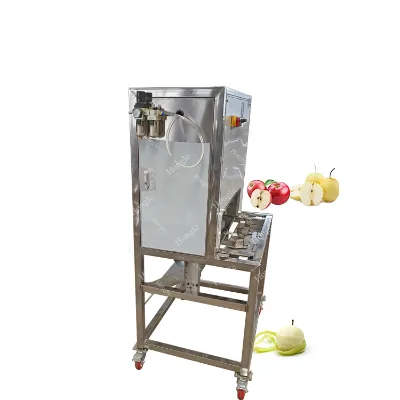


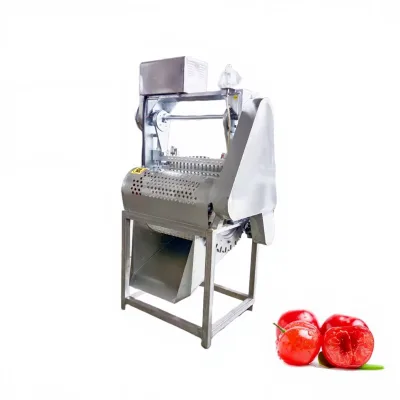


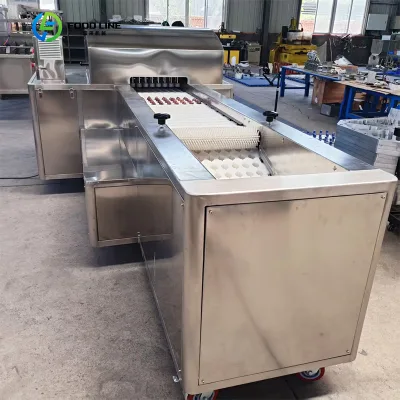
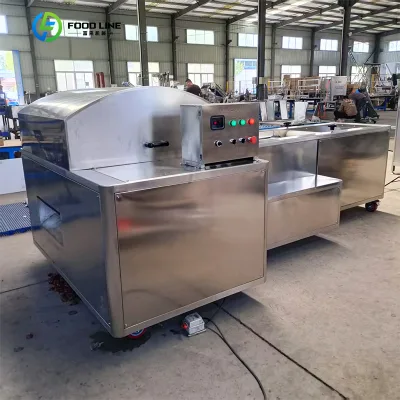
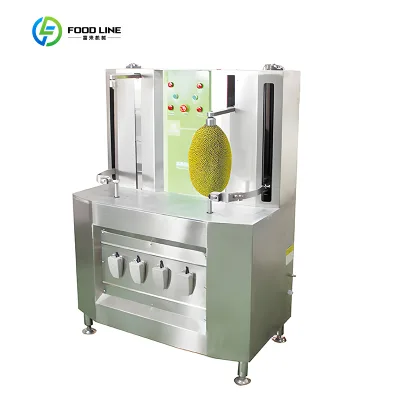
High Quality New Fruit Stem Removing Machine Fruits Stone Removing Machine
$3286.09 - $7187.30
MOQ: 1 units
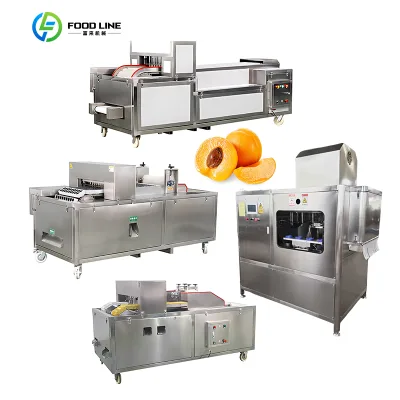

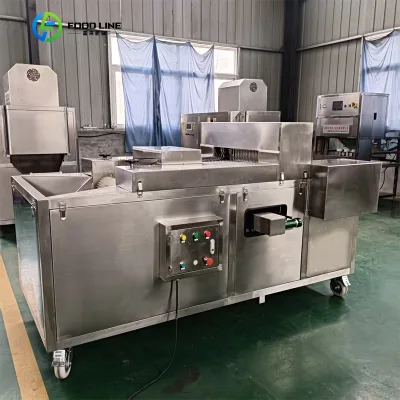
Easy Operation Apricot Plum Cherry Machine Fruit Core Remover Machine
$6350.00 - $16000.00
MOQ: 1 Pieces


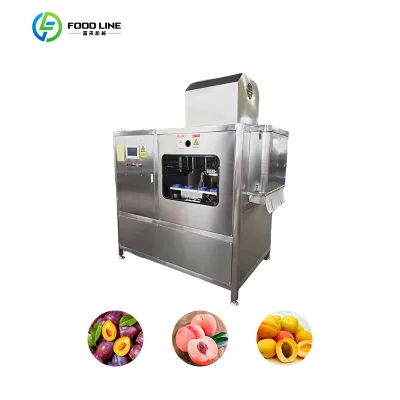
High Productive Fruit Stone Extractor Apricot and Apple Core Removal Machine
$6350.00 - $16000.00
MOQ: 1 Pieces


Comprehensive Sourcing Guide
Fully Automatic Fruit Core Remover Sourcing Guide
Procuring a Fully Automatic Fruit Core Remover requires a clear understanding of the specific mechanical actions involved in fruit processing. These machines are primarily designed to peel, core, and slice apples and similar stone fruits with high precision. Buyers must distinguish between simple core removal units and integrated systems that also handle washing or peeling. The selection process hinges on matching the machine’s mechanical capabilities with the volume and variety of fruit intended for processing.
The observed market listings indicate a wide range of capabilities, from small-scale peelers to high-capacity industrial strippers. Key functional attributes include automatic positioning, which ensures consistent core removal across varying fruit sizes. Some models offer customizable settings for denucleation size, allowing operators to adjust the machine for different apple diameters. Understanding these functional nuances is critical for selecting equipment that minimizes waste and maximizes yield in a commercial production environment.
Product Scope and Observed Listing Signals
The current market for these machines shows significant variation in capacity and physical dimensions. Listings reveal capacities ranging from 50-60 kg/h for smaller units up to 1 ton per hour for larger industrial models. Some high-speed units claim outputs of 80-120 pieces per minute, which translates to approximately 60-70 kg/h. Buyers should carefully correlate these capacity claims with their actual production needs, as higher speeds often require larger footprints and more robust power supplies.
Physical specifications also vary widely, with dimensions observed from compact 800500400mm units to large 290015001650mm systems. The material composition is predominantly 304 stainless steel or SUS304, ensuring durability and compliance with food safety standards. Voltage options include both 220V and 380V configurations, which is a critical consideration for facility electrical infrastructure. Packaging is typically described as standard export wooden boxes or cases, indicating the need for careful logistics planning upon delivery.
Technical Specifications to Verify
When evaluating technical specifications, the motor and drive power are primary indicators of machine performance. Observed power ratings range from 250W for basic peelers to 1.5kW for drive motors and 1.1kW for pump systems in washing-integrated units. Buyers must verify that the electrical supply at their facility matches the machine’s voltage requirements, whether 220V or 380V. Mismatched power specifications can lead to operational failures or safety hazards during installation.
Dimensional accuracy and fruit compatibility are equally important technical factors. The diameter of apples that the machine can process typically ranges from 30-90mm, but this must be confirmed for each specific model. The brush length in washing components, such as 1200mm in certain washer models, affects cleaning efficiency. Additionally, the core removal mechanism’s adjustability allows for different denucleation sizes, which should be tested with actual fruit samples before finalizing the purchase to ensure optimal performance.
Compliance and Safety Documentation
Safety and compliance documentation are essential for integrating these machines into a regulated food processing environment. Buyers should request machinery test reports, which are provided by some suppliers, to verify operational safety and mechanical reliability. These reports often include data on electrical safety, mechanical stability, and performance under load. Ensuring that the machine meets local electrical and mechanical safety standards is a non-negotiable requirement for facility approval.
Material certifications are also critical, particularly regarding the use of 304 stainless steel for all food-contact surfaces. This material is standard for its corrosion resistance and ease of cleaning, which are vital for maintaining hygiene in fruit processing. Buyers should verify that the stainless steel grade matches the specified SUS304 or 304 standards to prevent contamination risks. Additionally, warranty terms, typically observed as one year, should be clearly defined in the contract to cover potential mechanical or electrical failures.
Cost Drivers and Commercial Terms
The cost of a Fully Automatic Fruit Core Remover is influenced by several key factors, including capacity, automation level, and material quality. Higher capacity machines, such as those processing 1 ton per hour, naturally command higher prices than smaller 50-60 kg/h units. The inclusion of additional functions, such as integrated washing or peeling, also increases the base cost. Buyers should obtain detailed quotes that break down these components to understand the true value proposition of each model.
Commercial terms, including minimum order quantities (MOQ) and payment structures, vary among suppliers. Observed MOQs range from 1 to 100 units, with many suppliers offering single-item purchases for smaller operations. Pricing in the market spans a wide range, from affordable entry-level units to high-end industrial systems. Buyers should negotiate clearly on warranty coverage, spare parts availability, and after-sales support to mitigate long-term operational risks and ensure sustained productivity.
Supplier Qualification and Quality Control
Supplier qualification is a critical step in ensuring the reliability of the purchased equipment. Buyers should verify the supplier’s manufacturing capabilities and quality control processes, particularly regarding the construction of stainless steel components. The presence of a machinery test report is a strong indicator of a supplier’s commitment to quality assurance. Suppliers who provide detailed technical documentation and transparent testing results are generally more reliable partners for long-term procurement.
Customization options are another important aspect of supplier evaluation. Many suppliers offer customized solutions for core removal size, voltage, and capacity to meet specific production needs. Buyers should assess the supplier’s flexibility and responsiveness to customization requests. Additionally, the packaging method, such as standard export wooden boxes, should be reviewed to ensure that the machine arrives in pristine condition. A supplier’s ability to provide robust packaging and clear assembly instructions is a key indicator of their professionalism.
Long-Term Procurement Checks
Long-term procurement success depends on establishing a sustainable relationship with the supplier and ensuring ongoing support. Buyers should prioritize suppliers who offer comprehensive warranty services and readily available spare parts. The one-year warranty observed in many listings is a baseline, but buyers should negotiate extended coverage for critical components like motors and control systems. Regular maintenance schedules and training for operating staff are also essential to maximize the machine’s lifespan and efficiency.
Continuous monitoring of performance metrics is necessary to ensure the machine meets expected output levels. Buyers should track actual processing speeds, waste rates, and maintenance frequency to identify any deviations from initial specifications. If the machine’s capacity drops below the claimed 50-60 kg/h or 1 t/h, it may indicate a need for recalibration or part replacement. Establishing a clear communication channel with the supplier for technical support and troubleshooting is vital for resolving issues quickly and minimizing production downtime.
FAQs
What is the capacity of the Fully Automatic Fruit Core Remover?
The Fully Automatic Fruit Core Remover offers a capacity of 50 to 60 kilograms per hour for standard models. Some advanced units can process up to 120 pieces per minute, which equals approximately 60 to 70 kilograms per hour. This ensures efficient processing for various fruit sizes.
Can the machine handle different apple sizes for core removal?
Yes, the machine is designed to handle apples with a diameter ranging from 30 to 90 millimeters effectively. It features adjustable denucleation sizes to accommodate various fruit dimensions. This flexibility allows it to process different apple varieties without requiring major mechanical adjustments.
What material is used to construct the Fully Automatic Fruit Core Remover?
The machine is constructed primarily from 304 stainless steel to ensure durability and hygiene. This material is resistant to corrosion and easy to clean, making it suitable for food processing environments. The robust construction supports long-term operation in commercial settings.
How much power does the Fully Automatic Fruit Core Remover consume?
The standard model operates with a power consumption of 250 watts at 220 volts. Other variants may utilize 380 volts or higher power ratings like 1.5 kilowatts depending on the specific configuration. This ensures energy efficiency while maintaining high performance during operation.
What is the warranty period for the Fully Automatic Fruit Core Remover?
The machine comes with a standard one-year warranty covering core components and motor functionality. This warranty ensures protection against manufacturing defects during the initial operational period. Buyers should verify specific terms with the supplier for detailed coverage information.
Is customization available for the Fully Automatic Fruit Core Remover?
Customization is available for this machine to meet specific production requirements. Buyers can request tailored specifications or modifications to the standard design. This flexibility allows businesses to adapt the equipment to their unique processing needs and facility layouts.
What is the final product output of the Fully Automatic Fruit Core Remover?
The final product output consists of clean fruit slices with the core successfully removed. The machine efficiently peels and cores apples, preparing them for further processing or direct consumption. This results in high-quality, ready-to-use fruit pieces for various applications.