Find fully automatic esd-safe ic programmer for repair, testing, and programming
Source 30 listings of fully automatic esd-safe ic programmer units from verified Chinese suppliers. Compare specifications including readout modes, certifications, and customization options to select the right tool for your electronic manufacturing needs.
Key considerations
Products List


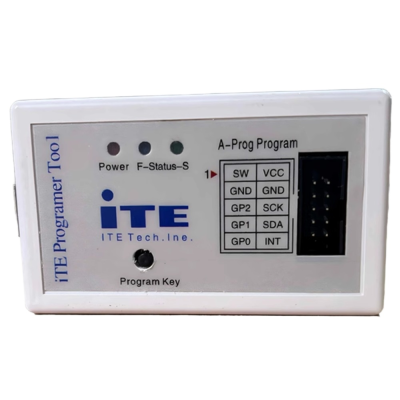
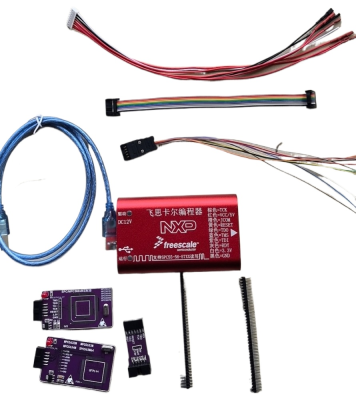


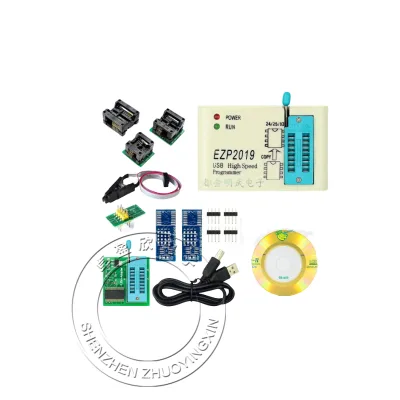
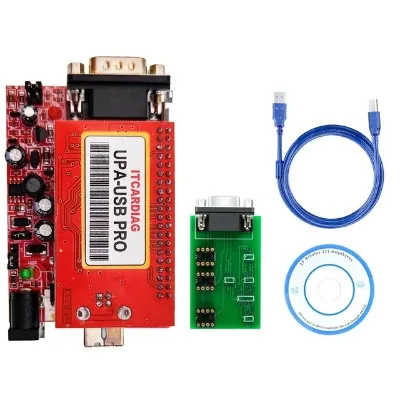





Comprehensive Sourcing Guide
Strategic Sourcing Guide for Fully Automatic ESD-Safe IC Programmers
Procuring a fully automatic ESD-safe IC programmer requires a rigorous approach that balances technical capability with supply chain reliability. In the B2B electronics manufacturing sector, the selection of programming hardware is not merely a transactional purchase but a strategic decision that impacts production throughput, component integrity, and long-term operational costs. The market offers a diverse array of devices, ranging from simple handset simulators to complex, multi-function programmers capable of handling various integrated circuit types. Buyers must navigate a landscape where product attributes vary significantly, necessitating a detailed verification process to ensure the selected equipment aligns with specific production requirements.
Technical Specifications and Operational Capabilities
The core of any IC programmer evaluation lies in its technical specifications. A fully automatic device must demonstrate robust control mechanisms and signal processing capabilities. Based on observed market data, effective programmers often feature a Contact readout mode, ensuring reliable physical connection with the target chip. The operational structure is frequently described as a Combination of hardware and software, allowing for Automatic Control and Monitoring of the programming process. This automation is critical for high-volume manufacturing environments where human error must be minimized.
Signal integrity is another paramount consideration. The devices in the current market spectrum often utilize a Continuous signal type, which is essential for maintaining data integrity during the programming cycle. Furthermore, the mathematical model governing the programming logic is typically Linear, suggesting a predictable and stable progression of operations. Buyers should verify that the specific unit they are sourcing supports the Program task with a high degree of precision.
Physical dimensions and environmental resilience are equally important. Observed specifications indicate that some units have dimensions of approximately 19010036 mm (7.5"*3.9"*1.4"), a form factor that must fit within the available bench space or automated assembly lines. Environmental ratings are also critical; a standard IP 53 rating suggests protection against dust and water spray, making the device suitable for various factory floor conditions. The operating ambient temperature range is a vital specification, with many units designed to function between -20°C to 50°C (-4°F to 122°F). This wide range ensures operational stability in non-climate-controlled environments or during seasonal fluctuations.
Compliance, Certification, and Safety Standards
In the global electronics supply chain, compliance with international standards is non-negotiable. When sourcing a fully automatic ESD-safe IC programmer, buyers must verify that the product carries recognized certifications. The market data highlights several key certifications, including CCC, ISO, CE, and RoHS. The presence of CE certification indicates conformity with health, safety, and environmental protection standards for products sold within the European Economic Area. Similarly, RoHS compliance ensures that the device is manufactured without specific hazardous materials, a requirement for most major electronics manufacturers.
Safety is further reinforced by the device's construction. The Conductive Type is often listed as Unipolar Integrated Circuit, and the Integration level is described as GSI (Giant Scale Integration), reflecting the complexity of the internal circuitry. The Technics employed, such as Thick Film IC, suggest a durable manufacturing process. Additionally, the Standard classification of the product often aligns with Standard industry practices, though buyers must confirm that the specific model meets the latest regulatory updates.
It is crucial to note that while some listings mention CCC and ISO, others may only list CE or RoHS. Buyers should not assume that a single listing represents a universal standard across all units. Instead, the procurement strategy must involve requesting specific certification documents for the exact model number being purchased. The Standard of the product, sometimes referenced with specific weight metrics like 0.27 kg (0.6 lb), serves as a baseline for quality, but the actual compliance status must be validated through official documentation from the manufacturer.
Cost Drivers and Pricing Structures
Understanding the cost drivers for fully automatic IC programmers is essential for budgeting and total cost of ownership (TCO) analysis. The observed price range in the market is exceptionally broad, spanning from 0.6 to 25,900 USD. This vast disparity is not indicative of a single product category but rather reflects the diversity of capabilities, from basic handset simulators to advanced, full-function programmers.
Several factors influence the final price. First, the Customization level plays a significant role. Products offering Customized features or OEM (Original Equipment Manufacturer) capabilities often command higher prices. The OEM Level Programmer status, which implies Full Programming Function, is a premium feature that increases the unit cost. Second, the Update Method affects pricing; devices that support updates by Hard Disk or by Email may have different licensing or software support costs associated with them.
The Packing method also contributes to the cost structure. While some units come in a Carton or OEM Box, others may require Vacuum packing or Standard Package configurations, which can impact shipping and handling expenses. Furthermore, the Brand Name associated with the device, such as Curtis, can influence market positioning and pricing. Buyers should analyze whether the brand reputation justifies the premium or if a generic equivalent with similar specifications offers a better value proposition.
Typical Applications and Use Cases
The versatility of fully automatic ESD-safe IC programmers allows them to serve a wide range of applications. One common use case involves the programming of Handset sim devices, which are essential for telecommunications testing and simulation. Another specific application is the M35080V6 Eeprom Eraser Programmer, which targets specific memory chips used in various electronic systems. These devices are often employed in the repair and reprogramming of Unipolar Integrated Circuit components.
The Special Feature of these programmers, such as the ability to erase and reprogram EEPROMs, makes them indispensable in the lifecycle management of electronic components. They are frequently used in the production of Automatic Control systems where precise data writing is required. The Task of Program execution is central to their function, ensuring that chips are correctly configured for their intended applications.
In addition to manufacturing, these devices are used in quality assurance and testing phases. The Condition of the product is typically listed as New, indicating that they are intended for fresh production runs rather than refurbishment. The Color of the device, often Blue, is a cosmetic attribute but may also serve as an identification marker in a multi-machine environment. The Selling Units are typically Single item, allowing for flexible procurement based on immediate needs without the requirement for bulk purchases.
Supplier Evaluation and Origin Verification
Evaluating suppliers for IC programmers requires a focus on origin and reliability. The Place of Origin for these devices is predominantly China, with specific regions like Anhui and Guangdong frequently cited. While these regions are known for their electronics manufacturing capabilities, buyers must verify the specific factory credentials. The prod_origin field often lists Anhui, China or Guangdong, China, but the distinction between these locations can impact logistics and lead times.
When assessing suppliers, buyers should look for evidence of OEM capabilities. The OEM attribute being Yes indicates that the supplier is willing to customize the product or branding, which is a sign of a flexible and capable manufacturer. The Update Method provided by the supplier, whether by Hard Disk or by Email, also reflects their level of technical support and software maintenance.
It is imperative to avoid relying solely on the Brand Name listed in product descriptions. While names like Curtis appear in the data, the actual manufacturer behind the brand may vary. Buyers should request detailed information about the manufacturing facility, including their quality control processes and capacity to meet MOQ (Minimum Order Quantity) requirements. The observed MOQ range of 1-10 suggests that many suppliers are flexible, but this should be confirmed for the specific model.
Quality Control and Long-Term Procurement Considerations
Quality control is a critical factor in the long-term success of IC programming operations. The Quality of the device is often described as Strong and Steady, and the Performan is rated as Excellent. However, these are observational attributes that must be validated through independent testing or third-party audits. Buyers should verify the Weight of the device, which is listed as 0.3kg for some models, as this can affect portability and mounting requirements.
Long-term procurement considerations include the availability of spare parts and software updates. The Update Method is a key indicator of future-proofing; a device that supports updates by Email may offer more frequent and convenient software patches compared to those requiring physical media. The Standard of the product, often aligned with CE or ISO, should be reviewed periodically to ensure continued compliance with evolving regulations.
The Structure of the device, described as a Combination, implies a modular design that may facilitate easier maintenance and repair. Buyers should inquire about the warranty terms and the availability of technical support. The Condition of the product being New is a baseline, but the long-term durability depends on the build quality and the Technics used in its construction.
Comparative Analysis of Key Product Attributes
To assist in the decision-making process, the following table summarizes key attributes observed in the market for fully automatic ESD-safe IC programmers. This comparison highlights the variability in specifications and helps buyers identify the most relevant features for their specific needs.
| Attribute Category | Observed Specification | Relevance to Procurement |
|---|---|---|
| Readout Mode | Contact | Ensures physical connection reliability. |
| Customization | Available / Customized | Determines flexibility for specific needs. |
| Certification | CCC, ISO, CE, RoHS | Critical for regulatory compliance. |
| Operating Temp | -20°C to 50°C | Defines environmental suitability. |
| Dimensions | 19010036 mm | Impacts bench space and integration. |
| Update Method | Hard Disk / Email | Affects software maintenance strategy. |
| Packing | OEM Box / Carton / Vacuum | Influences shipping and protection. |
| Brand Name | Curtis (Example) | Indicates market positioning. |
| Model Number | 1314-4401, M35080V6, UC-0013 | Essential for specific feature matching. |
| Origin | Anhui, Guangdong, China | Affects logistics and supply chain. |
This table serves as a reference point for buyers to cross-reference their requirements against the available market data. It is important to note that not every product will satisfy all listed attributes; rather, these represent the spectrum of options available. Buyers must prioritize the attributes that are most critical to their specific application, such as certification for regulatory reasons or update methods for long-term support.
Final Procurement Recommendations
In conclusion, sourcing a fully automatic ESD-safe IC programmer requires a meticulous approach that integrates technical verification, compliance checks, and supplier evaluation. The market offers a wide range of options, from basic handset simulators to advanced, customizable programmers. Buyers should focus on verifying the Certification status, ensuring the Operating Ambient Temp. Range matches their facility conditions, and confirming the Update Method for long-term viability.
By adhering to the principles of evidence-based procurement and avoiding assumptions about unverified claims, buyers can secure high-quality equipment that meets their production needs. The broad price range and diverse specifications necessitate a tailored selection process, where the specific model number and its associated attributes are carefully matched to the intended application. Ultimately, the success of the procurement lies in the ability to navigate the complexities of the market and select a device that offers both immediate functionality and long-term reliability.
FAQs
What certifications are available for these programmers?
Common certifications include CCC, ISO, CE, and RoHS. Buyers should verify specific documents for the exact model, as listings vary between single or multiple certifications depending on the manufacturer and region.
How is the update method handled for these devices?
Updates are typically performed via Hard Disk or Email. The specific method depends on the model, with some units supporting direct digital transfers while others may require physical media for firmware changes.
Which operating temperature range do these units support?
The standard operating ambient temperature range is -20°C to 50°C. This wide range ensures stable performance in non-climate-controlled environments or during seasonal fluctuations in factory settings.
Can these programmers be customized for specific needs?
Yes, customization is available and many units offer OEM capabilities. Buyers can request specific branding or functional adjustments, though this may influence the final pricing and lead time for the order.
What is the typical price range for these programmers?
Prices range from 0.6 to 25,900 USD depending on capabilities. Basic handset simulators cost less, while advanced full-function programmers with customization and specific certifications command higher market rates.
Where are these products typically manufactured?
Products originate primarily from China, specifically regions like Anhui and Guangdong. Buyers should confirm the exact place of origin to assess logistics and potential lead times for international shipping.
What is the minimum order quantity for these items?
The observed minimum order quantity ranges from 1 to 10 units. Many suppliers offer flexible purchasing options, allowing buyers to acquire single items or small batches without strict bulk requirements.