Source G Spot Vibrator for Couples, Solo, and Travel Use
Compare 30 G Spot Vibrator options from verified Chinese manufacturers. Buyers can evaluate features like waterproofing, multi-speed settings, and rechargeable power types for adult use.
Key considerations
Products List








Comprehensive Sourcing Guide
G Spot Vibrator Sourcing Guide
Sourcing intimate wellness devices requires a nuanced understanding of both technical specifications and regulatory landscapes, particularly when dealing with products designed for specific anatomical stimulation. The G Spot Vibrator category encompasses a range of devices, from compact finger vibrators to larger handheld units, each serving distinct user preferences and usage scenarios. Buyers must navigate a market where product attributes vary significantly, including power sources, material compositions, and functional features like waterproofing or multi-speed settings. This guide provides a structured approach to evaluating suppliers and products within this niche, ensuring that procurement decisions are grounded in verified data and industry best practices.
The observed market signals indicate a diverse product range originating primarily from China, with specific manufacturing hubs like Dongguan playing a central role in production. Listings reveal a wide spectrum of models, such as the SY152, XB-0136, and XB-0189B#, each with unique dimensional standards and feature sets. Prices observed in the market range from $0.9 to $21.35, reflecting variations in complexity, material quality, and order quantities. Minimum Order Quantities (MOQs) typically range from 1 to 50 units, offering flexibility for both small-scale retailers and larger distributors. Understanding these baseline signals is crucial for setting realistic expectations regarding cost, availability, and product diversity.
Product Scope and Observed Listing Signals
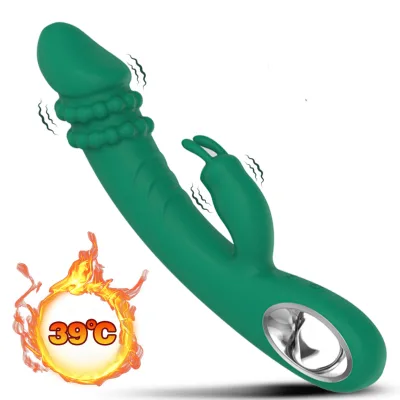
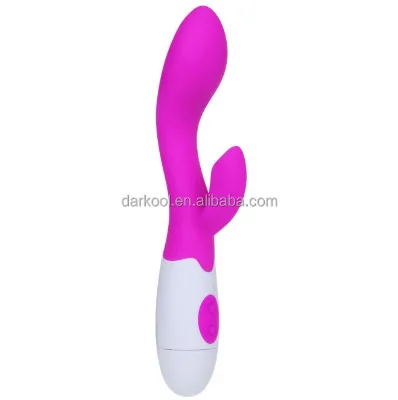
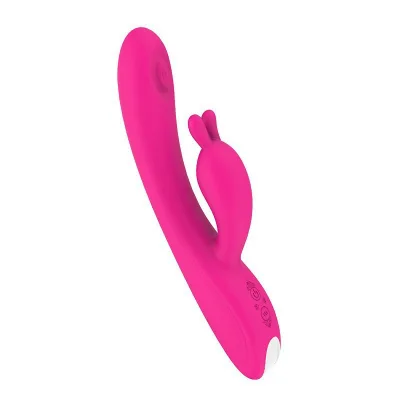
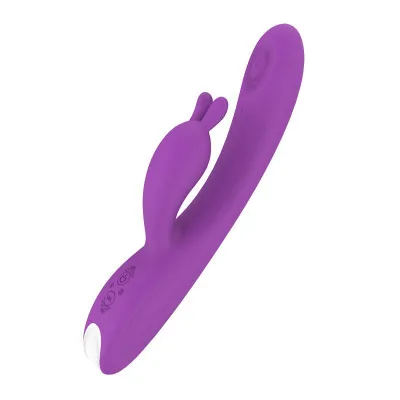
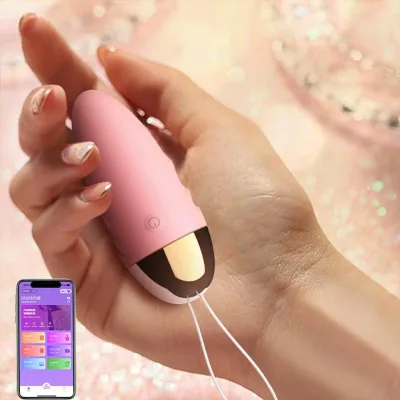
The product scope for g spot vibrators includes various form factors, ranging from mini finger vibrators to handheld devices with specific ergonomic designs. Observed listings highlight features such as dual motors, waterproof capabilities, and heating functions, which are increasingly demanded by consumers seeking enhanced user experiences. Materials predominantly consist of ABS plastic, often marketed as latex-free and phthalate-free to address safety concerns. Color options are diverse, including purple, green, rose red, and black, with customization available for bulk orders. These attributes suggest a market that values both aesthetic appeal and functional versatility, requiring buyers to align product selections with their target consumer demographics.
Listing signals also reveal important logistical details, such as delivery times and packaging options. Standard delivery dates are often cited as 5-7 days, though bulk orders may depend on quantity, indicating potential variability in supply chain responsiveness. Customized samples typically require 7-10 days, which is a critical consideration for buyers testing new product lines. Packaging options include bulk, neutral, and OEM packaging, allowing for brand differentiation. Payment methods are varied, accepting T/T, L/C, Western Union, and PayPal, which provides financial flexibility but also necessitates careful verification of transaction security. These operational details are essential for planning inventory and managing cash flow effectively.
Technical Specifications to Verify
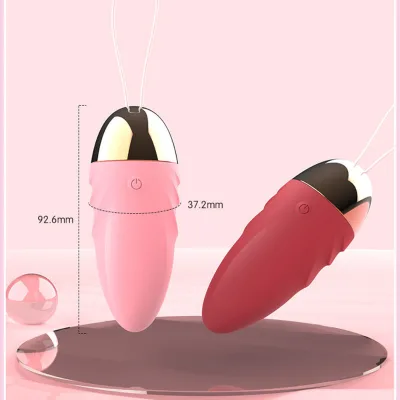
Technical verification begins with assessing the physical dimensions and power requirements of the devices. Listings show a wide range of sizes, from products less than 10 cm in length to those over 20 cm, with specific models like XB-0306 measuring 3131190mm. Power types vary between rechargeable USB charging and battery-operated units, each with distinct advantages regarding convenience and longevity. Buyers must verify the actual battery capacity and charging efficiency, as these factors directly impact user satisfaction and product reliability. Additionally, features like multi-speed settings and silent operation should be validated through sample testing to ensure they meet advertised performance levels.
Material composition and structural integrity are equally critical technical aspects. The use of ABS material is common, but buyers should confirm the grade and quality of the plastic, especially for products marketed as "MID Toys." The presence of two motors in some models suggests enhanced vibration patterns, but the placement and strength of these motors should be evaluated. Waterproof ratings, often implied by the term "waterproof," need clarification regarding IP ratings to determine suitability for bath or shower use. Furthermore, the form factor, whether solid or handheld, should be assessed for ergonomic comfort and ease of use, ensuring that the design aligns with the intended application for g spot stimulation.
Compliance and Safety Documentation
Compliance with international safety standards is non-negotiable for intimate wellness products. Certifications such as CE and RoHS are frequently cited in listings, indicating adherence to European health, safety, and environmental protection standards. Buyers must verify the authenticity and scope of these certifications, ensuring they cover the specific models being procured. RoHS compliance, in particular, is crucial for confirming that the devices are free from hazardous substances like lead, mercury, and cadmium, which is a key selling point for health-conscious consumers. Documentation should be obtained directly from the supplier and cross-referenced with issuing bodies to prevent fraud.
Allergen safety is another critical compliance area, with listings often highlighting latex-free and phthalate-free attributes. These claims must be substantiated by material safety data sheets (MSDS) or third-party lab tests, especially since the products are intended for direct skin contact. Buyers should also verify that the products are clearly labeled for adult use, with age restrictions of over 18 years old prominently displayed. Warranty terms, such as the 15-month warranty observed in some listings, should be reviewed for clarity on coverage and return policies. Ensuring robust compliance documentation not only mitigates legal risks but also builds consumer trust in the brand.
Cost Drivers and Commercial Terms
Cost structures in the G Spot Vibrator market are influenced by several factors, including material costs, manufacturing complexity, and order volume. The observed price range of $0.9 to $21.35 reflects significant variation, with higher prices likely corresponding to features like dual motors, waterproofing, and heating functions. Buyers should analyze the cost breakdown to understand where value is added, such as in the quality of the ABS material or the sophistication of the electronic components. Customization options, including OEM packaging and specific color requests, may incur additional costs, which should be factored into the total landed cost calculation.
Commercial terms, including MOQs and payment methods, play a significant role in financial planning. MOQs ranging from 1 to 50 units offer flexibility, but buyers should negotiate for better terms as order volumes increase. Payment methods like T/T and L/C provide security for large transactions, while PayPal and Western Union may be suitable for smaller, faster orders. Delivery times, typically 5-7 days for standard orders, should be considered in inventory planning, with bulk orders potentially extending lead times. Understanding these commercial dynamics allows buyers to optimize their procurement strategy, balancing cost efficiency with supply chain reliability.
Supplier Qualification and Quality Control
Supplier qualification is a critical step in mitigating procurement risks. Buyers should conduct thorough due diligence on suppliers, verifying their business licenses, manufacturing capabilities, and quality control processes. Given that many products originate from Dongguan, China, buyers may consider on-site audits or third-party inspections to assess production standards. Supplier reputation, as indicated by customer reviews and transaction history, should also be evaluated. It is essential to establish clear communication channels and ensure that suppliers are responsive to inquiries and capable of meeting specific product requirements.
Quality control measures should be implemented at various stages of the procurement process. Pre-production samples should be tested for functionality, durability, and safety compliance before mass production begins. During production, random inspections can help identify and rectify defects early. Post-production, final random inspections should be conducted to ensure that the shipped goods match the approved samples in terms of quality and quantity. Establishing a robust quality control protocol helps maintain product consistency and reduces the risk of receiving substandard goods, thereby protecting the buyer’s brand reputation.
Long-Term Procurement Checks
Long-term procurement success depends on continuous monitoring and adaptation to market changes. Buyers should regularly review supplier performance metrics, including delivery times, product quality, and responsiveness to issues. Building strong relationships with reliable suppliers can lead to better pricing, priority production, and access to new product innovations. Additionally, staying informed about regulatory changes and emerging safety standards is crucial for maintaining compliance. Buyers should also monitor consumer trends and feedback to ensure that their product offerings remain relevant and competitive.
Sustainability and ethical sourcing are increasingly important considerations in the long term. Buyers should explore opportunities to work with suppliers who prioritize environmentally friendly materials and manufacturing processes. This not only aligns with growing consumer demand for sustainable products but also mitigates potential regulatory risks associated with environmental compliance. By integrating these long-term checks into their procurement strategy, buyers can build a resilient and responsible supply chain that supports sustained business growth and customer satisfaction.
FAQs
What certifications do these g spot vibrators have?
These products hold CE and RoHS certifications to ensure safety and compliance. The materials used are ABS and marked as latex-free and phthalate-free for user health. This ensures the items meet international standards for adult toys.
Can I customize the packaging for bulk orders?
Yes, customization is available for bulk orders with options like OEM packaging. Buyers can choose from bulk, neutral, or custom packaging styles. This flexibility supports branding needs for distributors and retailers.
What is the lead time for delivery of these items?
The standard delivery date is 5 to 7 days for most orders. Bulk order lead times depend on the specific quantity requested by the buyer. Customized samples require 7 to 10 days to prepare and ship.
Which power types are available for these vibrators?
Available power types include rechargeable USB charging and battery-operated options. Some models feature multi-speed settings and heating functions powered by these sources. This variety allows users to select based on their usage preferences.
What are the dimensions of the different product models?
Product sizes vary, with some models measuring less than 10 cm and others over 20 cm. Specific standards include dimensions like 68.31 by 37.34 mm or 19.5 by 3.6 cm. Buyers should check the specific model number for exact length details.
Are these products suitable for couples or individual use?
These vibrators are designed for use by couples and are intended for adults over 18 years old. The features include silent operation and waterproof capabilities for versatile use. They are classified as mini finger vibrators or handheld devices.