Source G4EE Engine for Hyundai Starex for Santa Fe, Sonata, Sorento
Find 30 listings for the G4EE Engine for Hyundai Starex to compare specifications like displacement, torque, and warranty. Buyers can review options from manufacturers in China with varying lead times and packaging details.
Key considerations
Products List
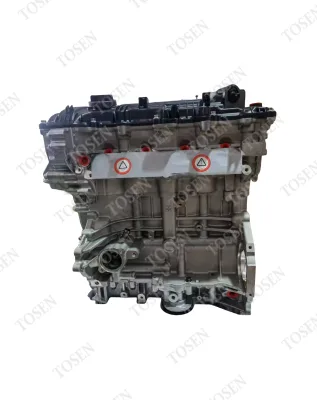
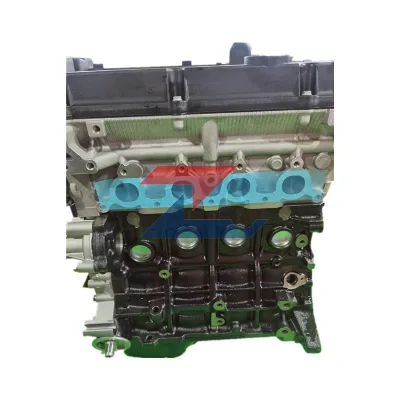
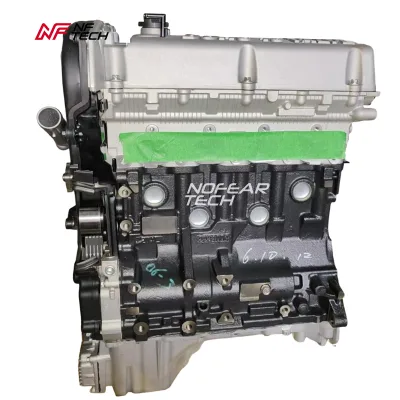


G4fa G4FC G4na G4la G4LC G4ke G4kd G4fg G4kg G4kj G4kh Auto Engine for Hyundai KIA
$619.00 - $704.00
MOQ: 1 Pieces


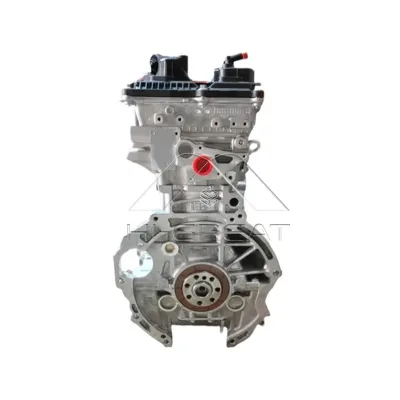
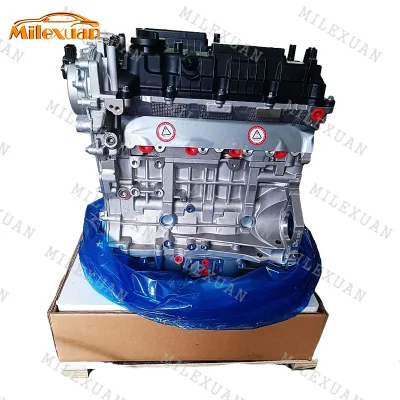
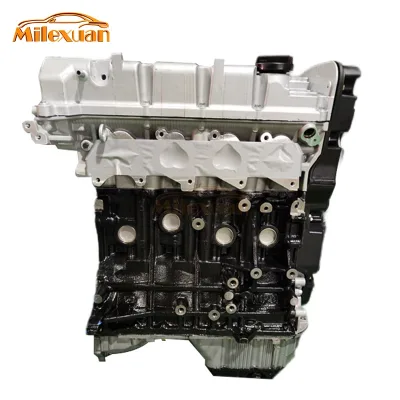
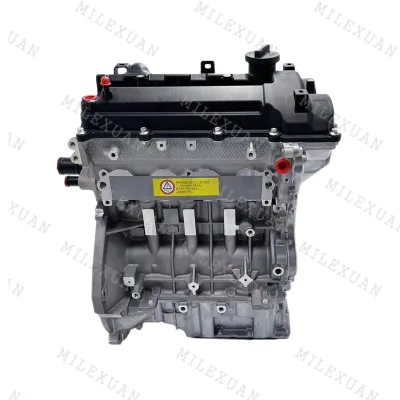


G4la G4LC Hyundai KIA G4ke Car Engine G4FC G4fg G4fa G4nb G4na G4kj G4GB Engine Assembly
$490.00 - $500.00
MOQ: 1 Pieces

New Car Engine Hyundai KIA G4ka G4kc G4fa G4na G4la G4LC G4gc Engine Assembly Auto Parts
$450.00 - $500.00
MOQ: 1 Pieces

Auto Parts Diesel Engine Long Cylinder D4CB Engine for Hyundai Starex KIA Sorento Car Engine
$1110.00 - $1150.00
MOQ: 1 Pieces

Car Engine G4na G4kd G4FC G4la G4gc G4ED Hyundai KIA Car Engine Long Block Assembly.
$450.00 - $500.00
MOQ: 1 Pieces


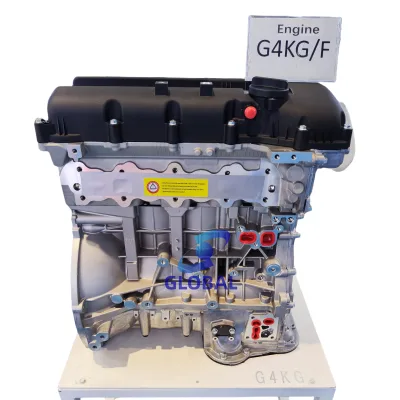
Comprehensive Sourcing Guide
G4EE Engine for Hyundai Starex Sourcing Guide
Sourcing a replacement or upgrade engine for the Hyundai Starex requires a disciplined approach to technical verification and supplier qualification. The G4EE engine is a specific internal combustion unit designed for Hyundai and Kia platforms, often utilized in commercial and passenger vehicles like the Starex. Buyers must navigate a market where listings may vary significantly in condition, origin, and exact specification alignment. This guide provides a structured framework for evaluating available inventory, ensuring that the procured unit meets the mechanical and operational requirements of the target vehicle without relying on unverified marketing claims.
The procurement process for heavy-duty components like engine blocks and complete assemblies demands rigorous due diligence. While online marketplaces offer a wide array of options, the disparity between observed listing signals and actual product quality can be substantial. This guide focuses on evidence-based verification steps, helping buyers distinguish between generic listings and genuine, compatible units. By adhering to the technical and commercial checkpoints outlined below, purchasers can mitigate the risks associated with cross-border trade, logistical delays, and mechanical incompatibility.
Product Scope and Observed Listing Signals
The current market landscape for G4EE engines reveals a diverse range of offerings, primarily originating from manufacturing hubs in China, with specific mentions of Zhejiang and Chongqing as points of origin. Listings frequently describe these units as "New" condition products, intended for replacement or repair purposes. Buyers should observe that while the core keyword targets the Starex, the product attributes often extend to a broader range of Hyundai and Kia models, including the Accent, Sonata, Santa Fe, and Sorento. This broad applicability suggests that the G4EE engine is a versatile component within the Hyundai powertrain ecosystem, but it also necessitates careful cross-referencing to ensure compatibility with the specific Starex variant in question.
Observed listing data indicates a price range between $400 and $3,600 USD, reflecting variations in engine configuration, completeness, and supplier tier. The Minimum Order Quantity (MOQ) is typically low, ranging from 1 to 3 pieces, which facilitates trial orders for small fleets or individual repairs. Shipping methods commonly cited include DHL, UPS, EMS, and FEDEX, indicating that suppliers are equipped to handle international logistics for heavy items. However, the single gross weight of these units can be substantial, with some listings noting weights up to 180 kg, which significantly impacts shipping costs and handling requirements. Buyers must account for these logistical factors when calculating the total landed cost.
Technical Specifications to Verify
Verifying the technical specifications of the G4EE engine is critical to ensuring proper fitment and performance. The engine is identified by the code G4EE and is characterized as a four-cylinder, water-cooled, naturally aspirated unit running on gasoline. It typically features a displacement of 1.4 liters, although some related listings may reference different displacements such as 2.4 liters for other engine codes like G4JS. Buyers must confirm the exact displacement and cylinder configuration to match their vehicle’s requirements. Additionally, the ignition mode is electric, and the piston movement is reciprocating, which are standard characteristics for this class of internal combustion engine. Misidentification of these core attributes can lead to installation failures and operational inefficiencies.
Beyond the basic engine code, buyers should scrutinize additional technical details provided in supplier listings. Some sources mention a torque output of 190 to 210 N.m, which is a key performance metric for assessing the engine’s capability. The cylinder arrangement is often described as "L" type, and the number of strokes is listed as two-stroke in some contexts, though this requires careful verification as most modern automotive engines are four-stroke. It is essential to cross-reference these specifications with the vehicle’s service manual or original equipment manufacturer (OEM) data. Discrepancies in stroke count or cylinder arrangement could indicate a mismatch between the listed product and the actual hardware, necessitating direct communication with the supplier for clarification.
Compliance and Safety Documentation
While specific certification standards are not explicitly detailed in the observed listings, buyers must ensure that the procured engines comply with relevant environmental and safety regulations in their destination market. The products are described as meeting "standard" specifications, but this term is vague and does not guarantee adherence to international norms such as Euro emissions standards or local safety protocols. Buyers should request documentation proving that the engine meets the regulatory requirements for import and operation in their region. This may include certificates of conformity, emissions test reports, or material safety data sheets, particularly if the engine contains hazardous substances or requires specific disposal procedures.
Quality assurance is another critical aspect of compliance. Listings often claim that the engines are "100% tested" and come with a warranty of 12 months or 1 year. While these claims provide some assurance, buyers should verify the scope of these tests and the terms of the warranty. It is advisable to request detailed test reports or inspection certificates from the supplier to validate the "100% tested" claim. Additionally, buyers should clarify whether the warranty covers parts, labor, or both, and understand the process for claiming warranty support. Ensuring that the supplier provides clear and enforceable warranty terms is essential for protecting the investment and mitigating the risk of post-purchase defects.
Cost Drivers and Commercial Terms
The cost of a G4EE engine is influenced by several factors, including the engine’s condition, completeness, and the supplier’s pricing strategy. The observed price range of $400 to $3,600 USD suggests that basic engine blocks may be at the lower end, while complete, assembled engines with additional components may command higher prices. Buyers should carefully evaluate what is included in the quoted price, such as whether the engine comes with accessories, mounts, or wiring harnesses. Transparent pricing that breaks down these components can help buyers make informed decisions and avoid unexpected costs.
Commercial terms also play a significant role in the total cost of ownership. Lead times for these engines are reported to be between 7 and 15 weekdays, which can impact project timelines and inventory management. Buyers should confirm the lead time with the supplier before placing an order, as delays can occur due to production schedules or logistical constraints. Payment terms, shipping costs, and insurance should also be negotiated clearly. Given the high gross weight of the units, shipping costs can be substantial, and buyers should explore options for consolidated shipping or freight forwarding to optimize expenses. Understanding these commercial terms upfront helps in budgeting accurately and avoiding disputes.
Supplier Qualification and Quality Control
Selecting a reliable supplier is paramount when procuring automotive engines. Buyers should prioritize suppliers who provide detailed product information, responsive customer service, and a track record of positive feedback. The observed listings mention brands such as ZMC and NOFEAR, but buyers should not rely solely on brand names to assess quality. Instead, they should request samples or detailed photos of the actual product before committing to a large order. Verifying the supplier’s business license, manufacturing capabilities, and quality control processes can provide additional confidence in their reliability.
Quality control measures should be integrated into the procurement process. Buyers should insist on pre-shipment inspections or third-party verification services to ensure that the delivered engines match the agreed-upon specifications. The claim of "neutral packing" suggests that the products are packaged without branding, which may be suitable for private label or resale purposes, but it also means that buyers must rely on the supplier’s internal quality checks. Establishing clear quality acceptance criteria and communication channels with the supplier can help resolve issues promptly. Regular audits or periodic reviews of supplier performance can further enhance the quality of the supply chain.
Long-Term Procurement Checks
Long-term success in sourcing G4EE engines depends on establishing a robust and adaptable procurement strategy. Buyers should monitor market trends, technological advancements, and regulatory changes that may affect the availability and compliance of these engines. Building a relationship with multiple suppliers can provide flexibility and reduce dependency on a single source. Regularly reviewing supplier performance and updating qualification criteria ensures that the supply chain remains resilient and efficient.
Continuous improvement in the procurement process is essential for maintaining cost-effectiveness and quality. Buyers should analyze feedback from end-users or mechanics who install the engines to identify any recurring issues or areas for improvement. This feedback loop can inform future purchasing decisions and help refine technical specifications. Additionally, staying informed about warranty claims and return policies can help buyers manage risks and protect their interests. By adopting a proactive and data-driven approach, buyers can optimize their sourcing of G4EE engines for Hyundai Starex and other compatible vehicles.
FAQs
What is the warranty period for the G4EE engine?
The warranty period is 12 months for the G4EE engine. This coverage applies to new units sourced from manufacturers in China, ensuring reliability for replacement or repair purposes in Hyundai vehicles.
How many cylinders does the G4EE engine have?
The G4EE engine features a 4-cylinder configuration. This design supports standard power output for gasoline applications, making it suitable for models like the Santa Fe and Sonata requiring this specific engine code.
Can I find the G4EE engine with neutral packing?
Yes, the G4EE engine is available with neutral packing. This packaging option is standard for the product, facilitating safe transport via carriers like DHL or UPS while keeping the unit protected during shipping.
What is the lead time for ordering the G4EE engine?
The lead time for ordering the G4EE engine is 7 to 15 weekdays. This duration accounts for processing and shipping from the origin in Zhejiang or Chongqing, China, to the destination.
Which car models are compatible with the G4EE engine?
The G4EE engine is compatible with Hyundai and Kia models including the Santa Fe, Sonata, Starex, and Magentis. It is specifically designed as a replacement unit for these vehicles requiring the G4EE engine code.
What is the minimum order quantity for the G4EE engine?
The minimum order quantity is 1 piece for the G4EE engine. This low MOQ allows buyers to purchase single items for immediate repair needs without requiring bulk commitments from the supplier.
How is the G4EE engine cooled?
The G4EE engine uses a water-cooling system. This method ensures efficient temperature regulation for the 4-cylinder gasoline engine, maintaining performance standards during operation in various Hyundai vehicle applications.