Source Movable Futsal Goal Post Units for Training
Compare 30 listings for Futsal Goal Post options including steel and aluminum models with wheels. Evaluate sizes, materials, and customization features for outdoor sports fields and training applications. Review warranty terms, packing details, and OEM availability to select the best equipment for your specific needs and budget constraints.
Key considerations
Products List
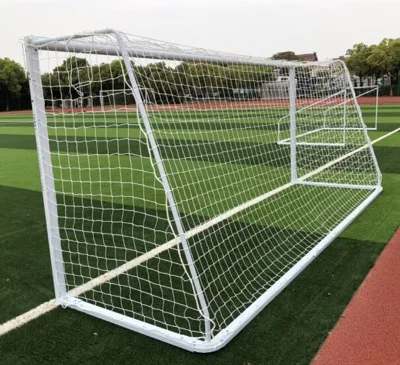
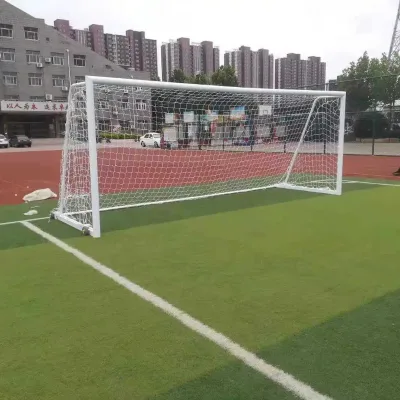
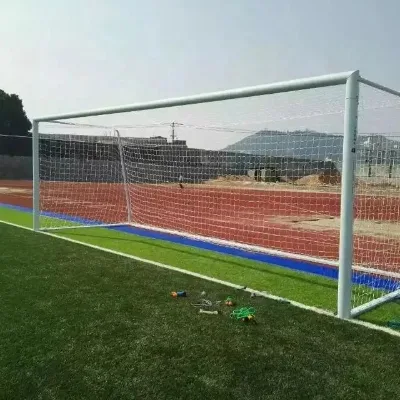
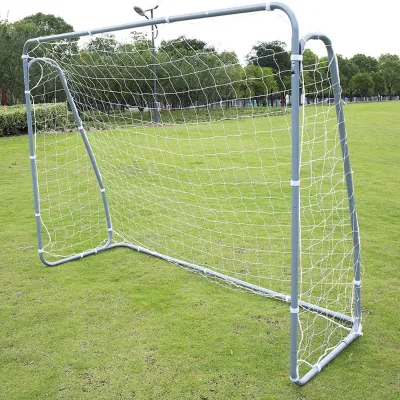


Custom Size Football Goal for Stadium and Training Field Installation
$500.00 - $899.00
MOQ: 10 Pieces

Professional Soccer Cage Fence Football Goal Post Sport Equipment Panna Cage
$50.00 - $200.00
MOQ: 10 Square Meters


High Quality Easy to Install Aluminum Soccer Goal Posts Portable 11-a-Side Football Goal
$9.80 - $13.00
MOQ: 100 Pieces
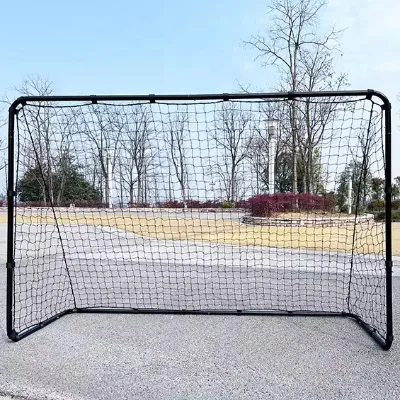
Factory Customization Portable Soccer Goal Folding Soccer goal Post for Training
$27.60 - $29.60
MOQ: 100 sets

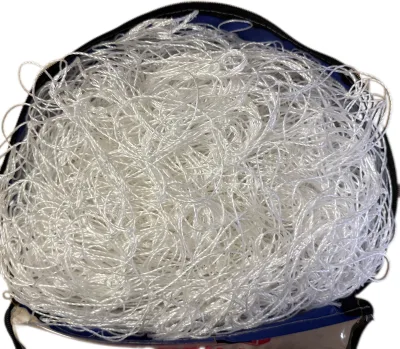


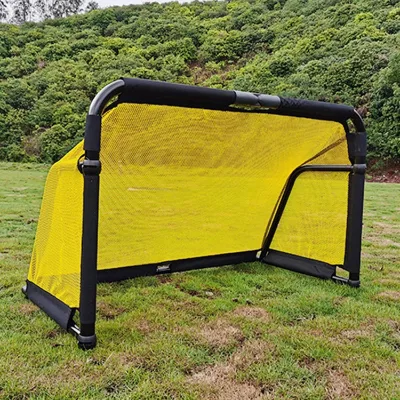


Outdoor Indoor Football Soccer Goal Post Net for Kids and Adults Custom
$50.00 - $70.00
MOQ: 50 Pieces


Comprehensive Sourcing Guide
Futsal Goal Post Sourcing Guide
Procuring futsal goal posts requires distinguishing between specialized indoor units and versatile outdoor training equipment, as the supplied market data reveals a mix of steel and aluminum alloy constructions. Buyers must carefully evaluate the intended environment, noting that specific listings highlight applications for outdoor sports fields and general football training, while others emphasize portability for entertainment or racing events. The presence of wheels on certain models indicates a design priority for mobility, which is critical for facilities that need to reconfigure spaces frequently.
When initiating a search, buyers should scrutinize the product attributes to ensure the selected unit matches the specific sport requirements, such as the distinction between a standard 7-player football goal and a compact mini soccer goal. The observed listings show variations in size, ranging from 30002000mm to larger 50002000*2000mm configurations, which directly impacts the suitability for different field dimensions. Understanding these physical constraints is essential before engaging with suppliers, as the structural integrity and net inclusion vary significantly across the available inventory.
Product Scope and Observed Listing Signals
The current market offers a diverse range of goal post systems, from heavy-duty steel pole sets designed for permanent outdoor installation to lightweight aluminum alloy units intended for portable training scenarios. Buyers will encounter products explicitly labeled as "movable" with integrated wheels, which facilitates rapid deployment and storage, alongside foldable mini goals that prioritize compactness for recreational use. This variation necessitates a clear definition of the end-use case, whether it involves professional training, community entertainment, or temporary event setups.
Listing signals such as "Customized Logo" and "OEM Available" suggest that many suppliers are prepared to offer branded solutions for clubs or organizations seeking identity alignment. However, the presence of "Single item" selling units alongside bulk capabilities indicates that procurement strategies must account for both immediate replacement needs and large-scale facility outfitting. The observation of "Eco-friendly" features in some descriptions points to a growing segment of manufacturers focusing on sustainable materials, though this attribute is not universal across all listed models.
Technical Specifications to Verify
Dimensional accuracy is the primary technical verification step, as the observed data includes specific measurements like 30002000mm and 50002000*2000mm that define the playing area coverage. Buyers must confirm that the selected model's height and width align with the governing body standards for the intended game format, noting that some listings specify adjustable heights such as 2.75m or 2.5m for versatility. The material composition, whether steel post or aluminum alloy, dictates the weight and durability profile, requiring a direct comparison against the expected frequency of use and transport requirements.
Structural components like the hoop diameter and net material also demand rigorous verification to ensure safety and performance longevity. Specific listings mention a 38cm hoop diameter and weather-resistant nylon nets, which are critical for outdoor durability against varying weather conditions. Additionally, the backing material composition, described as PP plus SBR Latex in some contexts, influences the shock absorption and rebound characteristics of the goal system. Buyers should request detailed technical drawings to validate that the frame thickness and joint reinforcements meet the stress requirements of competitive play.
Compliance and Safety Documentation
Safety compliance is paramount when sourcing sports equipment, and buyers should verify the availability of recognized certifications such as CE, ISO9001, and OHSAS before finalizing any order. The observed listings indicate that some manufacturers provide these certificates, which serve as evidence of adherence to international quality and safety management systems. However, the mere presence of a "Certificate: Available" tag requires confirmation of the specific scope and validity, ensuring that the documentation covers the exact model and material configuration being purchased.
Beyond general certifications, specific product safety standards regarding structural stability and net tension must be reviewed to prevent accidents during high-impact play. Buyers should request test reports that validate the goal's resistance to tipping, particularly for wheeled models that may be moved during active training sessions. The warranty terms, often listed as 12 months, provide a baseline for manufacturer confidence but should be cross-referenced with the specific defect coverage to ensure that structural failures or net tearing are included in the protection scope.
Cost Drivers and Commercial Terms
Pricing in this sector is heavily influenced by material costs, with aluminum alloy units typically commanding different price points compared to steel post constructions due to weight and corrosion resistance factors. The observed price range of 1.1 to 1657.86 USD reflects the vast disparity between mini portable goals and large-scale professional setups, requiring buyers to align their budget with the specific performance and durability expectations of their project. Volume discounts may be available, as indicated by the wide MOQ range of 1 to 1000 units, allowing flexibility for both small clubs and large distributors.
Commercial terms such as packing specifications and lead times are critical variables that affect the total landed cost and project timeline. Listings mention standard packing like cartons or EPE and weaving sacks, which must be evaluated for their ability to protect the product during international shipping, especially for fragile components like nets and adjustable joints. Buyers should clarify the sample time, which can range from 7 to 15 days, and confirm whether factory-direct pricing applies to their specific order volume to avoid unexpected markups in the final invoice.
Supplier Qualification and Quality Control
Supplier qualification should begin with verifying the place of origin, as the data indicates production from regions like Hebei and Shandong, which are known hubs for sports equipment manufacturing. Buyers must assess the supplier's capacity to handle OEM and ODM requests, ensuring they have the engineering resources to customize dimensions or branding without compromising structural integrity. The availability of customized colors and logos suggests a mature supply chain, but buyers should audit the production facility to confirm that quality control processes are consistent across different batches.
Quality control protocols must extend beyond the final inspection to include raw material verification and in-process checks for welding and assembly. Buyers should request evidence of the manufacturing process for the steel posts or aluminum pipes to ensure that the material grades match the specifications provided in the product listing. Establishing a clear communication channel for addressing potential defects during the sample phase is essential, as the observed sample times indicate that iterative testing is a standard part of the procurement workflow for custom orders.
Long-Term Procurement Checks
Sustaining a successful procurement relationship requires establishing clear protocols for post-sale support and warranty claim resolution. Buyers should document the specific warranty terms, such as the 12-month coverage, and define the procedures for reporting defects like net tearing or frame corrosion to ensure timely remediation. Regular audits of the supplier's inventory and production capacity can help anticipate supply chain disruptions, ensuring that replacement parts or additional units are available when needed for facility expansion or equipment upgrades.
Long-term viability also depends on monitoring the supplier's adherence to evolving industry standards and environmental regulations. As the market shifts toward more eco-friendly materials and sustainable manufacturing practices, buyers should verify that their suppliers are adapting their production methods accordingly. Maintaining a record of all technical specifications and certification documents for each batch purchased will facilitate future audits and ensure that the equipment remains compliant with safety standards throughout its operational lifespan.
FAQs
What sizes are available for movable futsal goals?
Movable futsal goals come in various dimensions to suit different field requirements. Common specifications include 3000 by 2000mm for standard play and larger 5000 by 2000 by 2000mm options for seven-player matches. These sizes ensure appropriate coverage for both indoor and outdoor sports fields while maintaining portability for easy setup and storage.
Can I customize the logo on these football goals?
Yes, customized logos are available for these football goals. Buyers can request specific branding to be applied to the product, allowing for unique identification. This customization option supports OEM services, enabling organizations to display their own marks on the equipment, which is particularly useful for teams, schools, or commercial sports facilities seeking branded gear.
What materials are used to construct these portable goals?
These portable goals are constructed using durable materials such as steel posts and aluminum alloy frames. Steel provides robust stability for the posts, while aluminum alloy offers a lightweight yet strong alternative for the main structure. These material choices ensure the goals are sturdy enough for active sports training and games while remaining manageable for movement.
Do these goals include nets and what type are they?
Yes, these goals typically include nets as part of the package. The nets are often made from weather-resistant nylon, ensuring durability against outdoor elements. This inclusion means buyers receive a complete setup ready for immediate use, eliminating the need to purchase separate netting components and ensuring compatibility with the goal frame dimensions.
What warranty is provided for these sports training equipment?
A twelve-month warranty is provided for these sports training equipment items. This coverage ensures that buyers are protected against manufacturing defects or material failures for one year after purchase. The warranty applies to the structural integrity and functionality of the goals, providing peace of mind for organizations investing in long-term sports infrastructure and training solutions.
Are these goals suitable for outdoor sports fields?
Yes, these goals are designed for use on outdoor sports fields. Their construction features weather-resistant components, such as nylon nets and durable metal frames, to withstand outdoor conditions. This suitability makes them ideal for permanent or semi-permanent installation in parks, schools, and community centers where exposure to weather is a regular factor in equipment selection.