Source Gaming Table Options for Home, Office, and Internet Bar
Explore 30 distinct Gaming Table models available for sourcing. Compare features like cup holders, folding designs, and material options including metal and wood. These desks suit home setups, internet bars, and office environments with various customization and packing standards; compare the available evidence and request quotations based on your requirements.
Key considerations
Products List


Gaming Table Modern Gamer Gaming Table Computer PC Laptop Table for Gaming
$12.00 - $19.00
MOQ: 100 Pieces


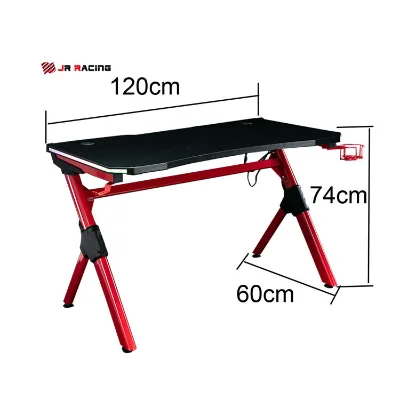

Gaming Computer Desk Gaming Table and Chair Set Electronic LED Gaming Table
$23.00 - $30.00
MOQ: 30 Pieces
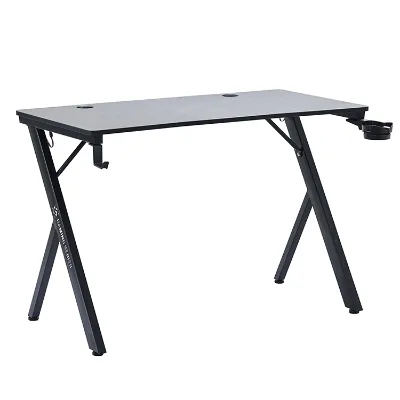
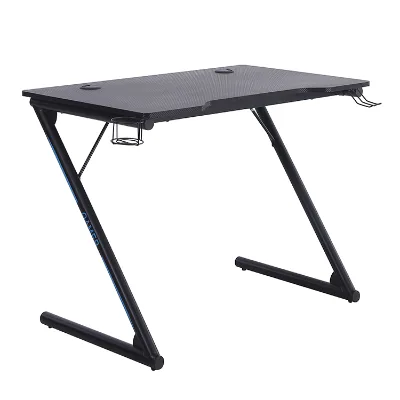
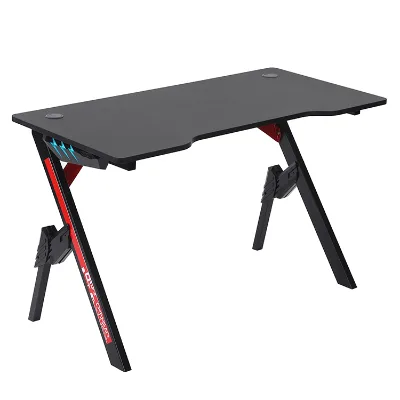


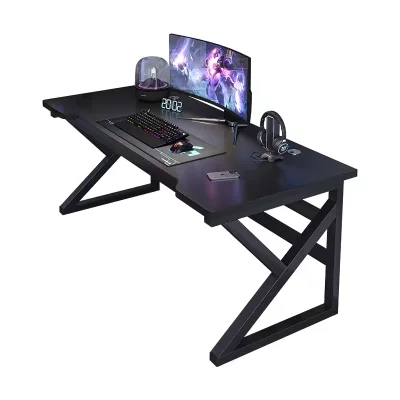
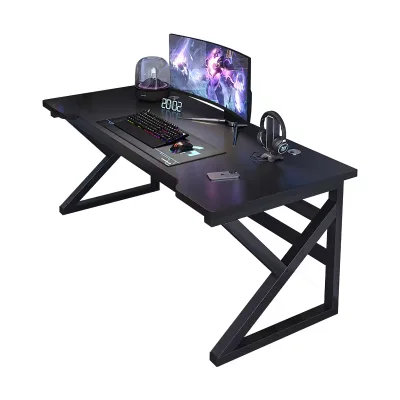
High-quality Modern Simple Esports Room Carbon Steel Computer Game Table
$21.51 - $29.70
MOQ: 30 Minimum
Comprehensive Sourcing Guide
Gaming Table Sourcing Guide
The global market for gaming tables presents a diverse range of options, from compact home setups to large-scale commercial installations for internet cafes and esports arenas. Buyers must distinguish between specialized K-shaped designs and standard rectangular configurations, as the structural geometry directly impacts cable management and peripheral placement. The observed product listings indicate a strong presence of foldable units, which offer logistical advantages for retailers with limited storage space or those requiring flexible event setups.
Procurement strategies should account for the variation in surface materials, including metal frames paired with wood or man-made board tops. These material combinations influence both the durability of the desk and the aesthetic appeal for different end-user segments. Sourcing teams need to verify whether the selected model supports specific customization needs, such as cup holder integration or specific color finishes, to ensure the final product aligns with the target demographic's expectations.
Product Scope and Observed Listing Signals
Buyers should carefully evaluate the listed product models, such as the CT-EST series and OOL variants, to understand the specific design intent behind each SKU. Some models are explicitly marketed as K-shaped esports tables, featuring modern styling that caters to high-performance gaming environments, while others adopt a simpler, more utilitarian approach suitable for general office or home use. The presence of both folded and unfolded states in the data suggests that portability is a key differentiator for certain suppliers in this category.
It is critical to note the variation in packaging standards, ranging from standard brown cartons to five-layer exporting cartons, which directly correlates with the fragility of the components and the required shipping protection. The observed price range of 9.5 to 860 USD reflects significant differences in build quality, size, and feature sets, requiring buyers to align their budget with the intended application. Understanding these listing signals helps in filtering out products that may not meet the specific spatial or functional requirements of the project.
Technical Specifications to Verify
Verification of physical dimensions is paramount, as observed listings show sizes ranging from 100x41x80cm to larger configurations like 140x60x75cm. Buyers must confirm that the desktop thickness and overall footprint match the available floor space and ergonomic requirements of the users. The standard thickness of 1.2 to 1.5cm is a common benchmark, but deviations may impact the stability of heavy gaming monitors and mechanical keyboards, necessitating a precise check of the surface material specifications before finalizing an order.
Surface material composition requires close scrutiny, with options including melamine MDF, man-made board, and solid wood finishes. The choice of material affects the resistance to scratches, heat, and moisture, which are common stressors in gaming environments. Additionally, the presence or absence of integrated features like cup holders must be confirmed, as this small detail can significantly alter the user experience and the suitability of the table for long-duration gaming sessions or commercial internet bar applications.
Compliance and Safety Documentation
While specific certification documents are not explicitly detailed in the provided product facts, buyers must request proof of compliance with relevant safety standards for furniture used in public spaces. For applications in internet cafes or offices, the structural integrity of the metal frames and the stability of the folding mechanisms are critical safety concerns that require third-party verification. Ensuring that the product meets local building codes and fire safety regulations is essential to mitigate liability risks associated with commercial deployments.
Documentation regarding the warranty terms should be obtained to understand the manufacturer's commitment to product longevity. The observed one-year warranty period serves as a baseline expectation, but buyers should clarify the scope of coverage, including whether it extends to surface wear or structural failures. Clear terms on warranty claims and the process for handling defective units are necessary to protect the buyer's investment and ensure operational continuity in high-traffic gaming environments.
Cost Drivers and Commercial Terms
The minimum order quantity (MOQ) is a significant cost driver, with observed requirements ranging from a single unit to 200 pieces per color. Buyers with smaller volume needs may face higher per-unit costs or must negotiate mixed container shipments to meet the 100-piece mix requirement often seen in the market. Understanding these thresholds is vital for budgeting, as the cost per unit can fluctuate dramatically based on whether the order qualifies for full container loads or requires partial shipment arrangements.
Payment terms and delivery timelines also play a crucial role in the total cost of ownership. Standard terms like T/T 30% deposit with 70% balance or L/C at sight are common, but buyers should assess the impact of these terms on their cash flow. The observed delivery time of 20 to 30 days after deposit indicates a moderate lead time, which must be factored into the project schedule. Delays in production or shipping can disrupt inventory planning, making it essential to secure firm delivery commitments in the purchase agreement.
Supplier Qualification and Quality Control
Supplier qualification should focus on the origin of the products, with observed manufacturing locations in Zhejiang and Hebei, China, indicating established industrial hubs for furniture production. Buyers should verify the supplier's capacity to maintain consistent quality across different batches, especially given the variation in packing standards from simple cartons to export-grade five-layer packaging. A supplier's ability to provide samples that match the described specifications is a key indicator of their reliability and attention to detail.
Quality control processes must be rigorously defined to ensure that the final products meet the agreed-upon standards for surface finish and structural stability. Buyers should request inspection reports or arrange for third-party inspections prior to shipment to verify that the metal frames are free from defects and that the desktop materials are free from warping or delamination. Establishing clear acceptance criteria for the finished goods helps prevent disputes and ensures that the delivered inventory is ready for immediate deployment in gaming venues.
Long-Term Procurement Checks
Sustaining a successful procurement relationship requires regular audits of the supplier's ability to maintain the specified product attributes over time. Buyers should monitor whether the supplier continues to offer the same customization options, such as color variations and foldable designs, as market demands evolve. Consistency in the product model numbers and specifications is essential for maintaining brand identity and ensuring that replacement parts or additional units are compatible with existing inventory.
Long-term checks should also include an evaluation of the supplier's responsiveness to after-sales issues and their ability to adapt to changing market conditions. As the gaming industry shifts towards new trends, the supplier must demonstrate flexibility in updating their product lines to include modern features or materials. Establishing a clear communication channel for feedback and continuous improvement ensures that the procurement strategy remains aligned with the evolving needs of the end-users and the competitive landscape.
FAQs
What customization options are available for gaming tables?
Customization is available for gaming tables, allowing buyers to tailor specific attributes to their needs. The product line includes various models such as CT-EST-102 and OOL-48, with options for different colors like black, white, and red. Buyers can also request specific sizes, such as 140*60*75cm, ensuring the table fits their designated space perfectly.
Can gaming tables be folded for storage?
Yes, gaming tables can be folded, offering convenience for storage and transport. Some models are listed as folded, while others are unfolded. This feature is particularly useful for internet bars or home offices where space is limited. Buyers should check the specific model details to confirm if the folded option is included in their selected configuration.
What is the typical MOQ for Gaming Table orders?
The typical MOQ for Gaming Table orders ranges from 1 to 200 pieces, depending on the supplier and model. Some suppliers require 200 pieces per color, while others allow 100 pieces mixed with other items for a full container. Buyers should verify the specific MOQ requirements with their chosen supplier to ensure their order meets the minimum threshold.
Where are gaming tables typically manufactured?
Gaming tables are typically manufactured in China, with specific origins including Zhejiang and Hebei provinces. These regions are known for producing high-quality furniture and esports equipment. Buyers can expect products to be packed in brown cartons or export cartons, ensuring safe delivery from these manufacturing hubs to international destinations.
What materials are used for Gaming Table surfaces?
Gaming Table surfaces are made from various materials, including wood, metal, and manmade board. Some models feature melamine MDF for durability and style. The choice of material affects the table's weight, appearance, and longevity. Buyers should select the material that best suits their aesthetic preferences and functional requirements for their gaming setup.
What is the lead time for Gaming Table delivery?
The lead time for Gaming Table delivery is typically 20-30 days after deposit. This timeframe allows for production and quality checks before shipping. Buyers should plan their orders accordingly to ensure timely arrival. Payment terms often include T/T 30%/70% or L/C at sight, facilitating smooth transactions between buyers and suppliers.