Source Gaming Monitor for Computer, Advertising, and Graphic Design
Find a wide selection of Gaming Monitor options with resolutions up to 3840x and LED backlight displays. Compare 30 available products from Chinese manufacturers featuring VGA interfaces and customizable logos for indoor and outdoor applications.
Key considerations
Products List


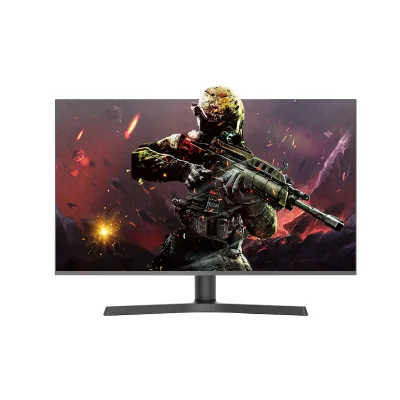


Gaming Monitor with a 43-Inch Curved Display for an Engaging Experience
$930.00 - $960.00
MOQ: 50 Pieces
Comprehensive Sourcing Guide
Gaming Monitor Sourcing Guide
Sourcing gaming monitors requires a careful balance between high-performance display specifications and reliable supply chain logistics. The market offers a wide variety of options, ranging from compact 19-inch units to large 55-inch screens, each serving different user needs from competitive esports to immersive single-player experiences. Buyers must navigate a complex landscape of panel technologies, resolution standards, and interface types to ensure the selected hardware meets the specific demands of their target audience. This guide provides a structured approach to evaluating suppliers, verifying technical claims, and managing commercial risks associated with importing these electronic devices.
The procurement process is heavily influenced by the origin of manufacturing, with China serving as a primary hub for production. Suppliers in regions such as Guangzhou and Shenzhen offer diverse product lines, including models with LG original panels and various backlight technologies. Understanding the specific model numbers and brand names, such as JRY, helps in tracking product lineage and verifying authenticity. Buyers should focus on establishing clear communication channels with suppliers to confirm that the physical goods match the digital listings, particularly when dealing with customized orders or bulk purchases where minor specification drifts can impact end-user satisfaction.
Product Scope and Observed Listing Signals
The observed market data indicates a significant variance in pricing and minimum order quantities, reflecting the diversity of the Gaming Monitor category. Prices range from approximately $11 to $960, suggesting that the catalog includes everything from basic display panels to high-end, feature-rich monitors. Minimum Order Quantities (MOQs) vary widely from 1 to 1000 units, allowing both small retailers and large distributors to find suitable entry points. This flexibility is crucial for buyers who need to test market demand with small batches before committing to larger investments, or those who require immediate stock replenishment without long lead times.
Listing signals reveal a strong emphasis on customization and specific technical attributes. Many suppliers offer OEM services, allowing buyers to add customized logos and branding, which is essential for private label strategies. The presence of "Small Orders Accepted" policies further supports agile procurement, enabling buyers to mitigate risk by ordering smaller quantities initially. Additionally, the availability of different packing options, such as brown boxes or color box cartons, provides flexibility in logistics and retail presentation. Buyers should pay close attention to these signals to align their procurement strategy with their brand positioning and logistical capabilities.
Technical Specifications to Verify
Panel technology and resolution are the most critical factors in determining the performance of a Gaming Monitor. Listings indicate the use of TFT panels with LED backlighting, available in TN or IPS variants, each offering distinct advantages in terms of response time and color accuracy. Optimum resolutions observed include 1920x1080 (Full HD), 1440x900, and 3840x2160 (4K), catering to different gaming tiers. Buyers must verify the specific panel type and resolution for each model, as these directly impact visual fidelity and competitive advantage in gaming scenarios. The aspect ratio is consistently 16:9, ensuring compatibility with standard gaming content and media.
Interface types and screen sizes also play a vital role in the overall user experience. VGA interfaces are noted in some listings, though modern gaming setups often require HDMI or DisplayPort connections for higher bandwidth and digital signal integrity. Screen sizes range from 19 inches to 55 inches, with specific models like the JRYBR15H-EB10SCWA and KN-C3040 representing different segments of this range. Buyers should confirm the presence of necessary ports and verify that the screen size aligns with the intended usage environment, whether it be a compact desktop setup or a large-scale gaming lounge. Response times of 5ms are commonly cited, but buyers should seek clarification on whether this refers to gray-to-gray or full-on/full-off transitions.
Compliance and Safety Documentation
Regulatory compliance is non-negotiable when importing electronic devices, particularly those intended for consumer use in regulated markets. Certifications such as CE, RoHS, FCC, and ISO9001 are frequently mentioned, indicating adherence to European and American safety and environmental standards. Energy Star certification suggests energy efficiency, which can be a selling point for eco-conscious consumers. Buyers must request valid certificates for each model they intend to import, ensuring that the documentation is current and issued by recognized testing bodies. Failure to verify these documents can result in customs delays, product seizures, or legal liabilities in the destination market.
Beyond standard certifications, buyers should inquire about additional safety standards relevant to their specific region, such as En60601 for medical-grade equipment if applicable, though this is less common for standard gaming monitors. The origin of the products, primarily from Guangzhou and Shenzhen, implies a mature manufacturing ecosystem, but it also necessitates rigorous due diligence. Buyers should ensure that the supplier’s quality management systems, as indicated by ISO9001, are actively maintained and not just a static certificate. Regular audits or third-party inspections can provide assurance that the production processes consistently meet the claimed standards.
Cost Drivers and Commercial Terms
The cost of gaming monitors is influenced by several factors, including panel quality, resolution, screen size, and the level of customization required. Higher resolutions and larger screens typically command premium prices, while basic models with VGA interfaces and smaller screens are more cost-effective. The observed price range of $11 to $960 reflects this disparity, allowing buyers to select products that fit their budget constraints. However, buyers should be cautious of prices that seem too good to be true, as they may indicate compromised quality or hidden costs in shipping and duties.
Commercial terms such as MOQs and lead times are critical for inventory planning. Suppliers offering MOQs as low as 1 unit provide flexibility, while those requiring 1000 units may offer better per-unit pricing. Lead times, such as the 7-8 working days for 500 pieces after artwork confirmation, help buyers manage their supply chain timelines. Buyers should negotiate clear terms regarding payment methods, shipping responsibilities, and return policies. Understanding these commercial dynamics allows for more accurate cost forecasting and reduces the risk of stockouts or excess inventory.
Supplier Qualification and Quality Control
Evaluating supplier reliability is essential to ensure consistent product quality and timely delivery. Buyers should assess the supplier’s production capacity, quality control processes, and customer service responsiveness. The availability of customization options, such as logo printing and packaging design, indicates a supplier’s willingness to work closely with buyers to meet specific brand requirements. Suppliers with a history of accepting small orders may be more adaptable to changing market demands, while those with larger MOQs may offer more stable pricing for bulk purchases.
Quality control measures should be explicitly defined in the purchase agreement. Buyers should request samples before placing large orders to verify the physical quality of the product, including screen uniformity, color accuracy, and build quality. Third-party inspection services can be employed to check the goods before shipment, ensuring that they meet the agreed-upon specifications. Establishing a clear communication channel for addressing defects or discrepancies is also crucial. Buyers should prioritize suppliers who demonstrate a commitment to quality and transparency, as this reduces the risk of receiving substandard products.
Long-Term Procurement Checks
Sustaining a successful procurement relationship requires ongoing monitoring and evaluation of supplier performance. Buyers should regularly review key performance indicators such as on-time delivery rates, product defect rates, and responsiveness to issues. Maintaining a diverse supplier base can mitigate risks associated with single-source dependencies, ensuring continuity of supply in case of disruptions. Regularly updating the product portfolio to include new models with improved specifications can help stay competitive in the fast-evolving gaming market.
Long-term checks also involve staying informed about changes in regulatory requirements and market trends. Buyers should proactively engage with suppliers to discuss future product developments and potential improvements. Building a collaborative relationship with suppliers can lead to better pricing, priority production slots, and access to new technologies. By maintaining a strategic approach to procurement, buyers can ensure that their Gaming Monitor offerings remain relevant, high-quality, and cost-effective, ultimately driving customer satisfaction and business growth.
FAQs
What resolution options are available for these monitors?
Available resolutions include 1920x1080, 1440x, and 3840x depending on the specific model selected. Some units feature a 5ms response time suitable for various applications like computer use or advertising displays.
Can I request a customized logo on the product?
Yes, OEM services are available to add a customized logo for free on the selected units. This customization option allows buyers to brand the monitors according to their specific business requirements.
Which certifications do these monitors hold?
The products hold multiple certifications including CE, RoHS, FCC, ISO9001, En60601, and Energy Star. These standards ensure compliance with international safety and environmental regulations for various usage scenarios.
How long does delivery take for large orders?
Delivery for 500 pieces typically takes 7 to 8 working days after the artwork is confirmed. This lead time applies to standard orders meeting the specified production capacity requirements.
What screen sizes are offered for these displays?
Screen sizes range from 19 inches up to 55 inches depending on the specific model configuration. Options include 15-inch, 17-inch, and 32-inch variants suitable for indoor or outdoor applications.
Are small orders accepted for these monitors?
Yes, small orders are accepted with a minimum order quantity starting from 1 unit. This flexibility allows buyers to test products or fulfill small-scale needs without large initial commitments.