Source Gaming Laptop LCD Screen for Office, Home, Business
Find 30 options for Gaming Laptop LCD Screen tailored for office, home, and business environments. Compare specifications such as 14-17 inch sizes, IPS panels, and Intel CPU compatibility to select the right display for your needs.
Key considerations
Products List


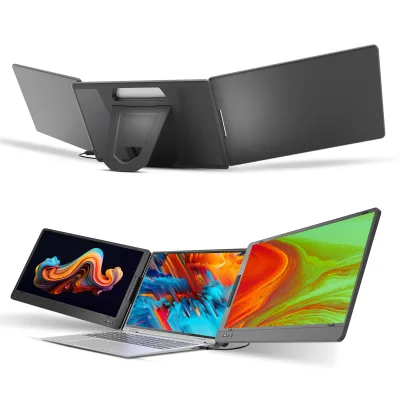


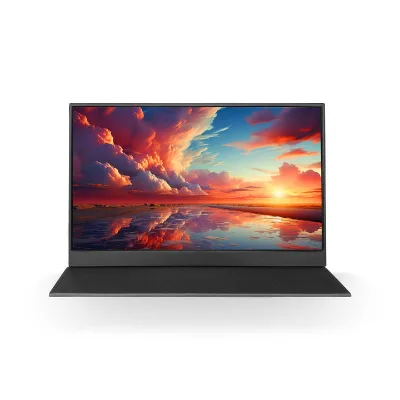

Comprehensive Sourcing Guide
Gaming Laptop LCD Screen Sourcing Guide
Sourcing replacement or upgrade displays for gaming laptops requires a precise alignment of technical specifications, physical form factors, and commercial terms. The market for these components is fragmented, with listings often blending general-purpose portable monitors with specific laptop panel replacements. Buyers must navigate a wide variance in attributes, from screen size and resolution to interface types and backlight technologies. This guide provides a structured approach to evaluating suppliers and products, ensuring that procurement decisions are based on verified data rather than marketing assumptions.
The following sections outline the critical steps for identifying suitable LCD screens, verifying technical compatibility, and managing supplier relationships. By focusing on observable listing signals and mandatory verification steps, buyers can mitigate the risks associated with incompatible hardware or unreliable supply chains. The guidance herein is derived from observed market data and standard industry practices for electronic component procurement.
Product Scope and Observed Listing Signals
The current market landscape for laptop LCD screens includes a diverse range of products, from standard office displays to high-performance gaming panels. Observed listings indicate a price range of $37 to $219 USD, reflecting significant variation in quality, size, and feature sets. The minimum order quantity (MOQ) typically ranges from 0 to 20 units, suggesting that suppliers are flexible with small-batch orders, which is common for replacement parts and low-volume upgrades. Buyers should note that "gaming" specifications are not uniformly applied across all listings; some products are explicitly marketed for business or home use, while others emphasize performance metrics.
Key attributes observed in the market include screen sizes of 14.1, 15.6, and 17.1 inches, with 15.6 inches being a prevalent format for gaming laptops. Display technologies vary, with LCD and IPS panels being common, and resolutions ranging from standard 1920x1080 to higher definitions. Interface types such as Type-C are increasingly common, though traditional LVDS or eDP connectors remain standard for internal laptop replacements. Buyers must carefully distinguish between external portable monitors and internal laptop panels, as the latter require precise compatibility with the laptop’s motherboard and bezel dimensions.
Technical Specifications to Verify
Technical verification is the most critical step in sourcing laptop LCD screens, as incompatibility can render the component useless. Buyers must confirm the exact screen size, resolution, and refresh rate to match their target device. For gaming applications, a refresh rate of 60Hz is a baseline, but higher rates may be available in specific listings. The aspect ratio is typically 16:9, but buyers should verify this against their laptop’s chassis design. Additionally, the panel type, such as IPS or TFT, affects viewing angles and color accuracy, which are vital for gaming experiences.
Connectivity and interface types must be meticulously checked. While some listings mention Type-C interfaces, internal laptop panels often use proprietary connectors that differ in pin count and layout. Buyers should request detailed connector diagrams or part numbers from suppliers to ensure physical compatibility. Other specifications to verify include brightness levels, contrast ratios, and response times, as these directly impact visual performance. For instance, a response time of 25ms may be insufficient for fast-paced gaming, whereas a 5ms response time is more suitable.
Compliance and Safety Documentation
Compliance with international safety and environmental standards is essential for electronic components, even for replacement parts. Buyers should verify that suppliers provide necessary documentation, such as CE, FCC, or RoHS certifications, depending on the destination market. These certifications ensure that the product meets specific safety, electromagnetic interference, and hazardous substance restrictions. Without proper documentation, buyers risk customs delays, fines, or liability issues if the product fails to meet regulatory requirements.
In addition to regulatory compliance, buyers should inquire about warranty terms and after-sales support. A standard warranty period of one year is common, but terms can vary significantly between suppliers. Buyers should clarify what is covered under the warranty, such as dead pixels, backlight failures, or physical damage. Free spare parts or replacement policies can also be valuable, especially for bulk orders. Understanding these terms helps mitigate financial risk and ensures long-term support for the procured components.
Cost Drivers and Commercial Terms
Several factors influence the cost of laptop LCD screens, including screen size, resolution, panel technology, and order volume. Larger screens, such as 17.1-inch models, generally command higher prices than smaller 14-inch panels. High-resolution displays and those with advanced features like IPS technology or higher refresh rates also tend to be more expensive. Buyers should analyze the price-to-specification ratio to ensure they are getting value for money, rather than simply choosing the cheapest option.
Commercial terms, including payment methods, shipping costs, and lead times, also impact the total cost of ownership. Buyers should negotiate clear terms regarding packaging, as improper packaging can lead to damage during transit. The observed single gross weight of 4.500 kg for some packages indicates that shipping costs can be significant, especially for international orders. Buyers should also consider the supplier’s flexibility in handling custom orders, as some listings offer OEM/ODM services and logo customization, which may incur additional costs.
Supplier Qualification and Quality Control
Evaluating supplier reliability is crucial for ensuring consistent quality and timely delivery. Buyers should assess suppliers based on their production capabilities, quality control processes, and customer feedback. Suppliers with private molds or specialized manufacturing processes may offer higher quality and better customization options. However, buyers should verify these claims through site audits or third-party inspections if possible.
Quality control measures should include pre-shipment inspections to check for defects such as dead pixels, scratches, or backlight issues. Buyers should request sample units before placing large orders to evaluate product quality firsthand. Additionally, suppliers should provide clear return and refund policies for defective items. Establishing a strong relationship with a reliable supplier can lead to better pricing, priority support, and improved product quality over time.
Long-Term Procurement Checks
Long-term procurement success depends on continuous monitoring of supplier performance and market trends. Buyers should regularly review supplier delivery times, product quality, and responsiveness to issues. Tracking these metrics helps identify potential problems early and allows for proactive management of the supply chain. Buyers should also stay informed about technological advancements in LCD screens, such as new panel types or interface standards, to ensure their products remain competitive.
Furthermore, buyers should maintain open communication with suppliers to discuss future needs and potential improvements. This collaboration can lead to better product development and more favorable commercial terms. By staying engaged with the supplier network, buyers can adapt to market changes and maintain a steady supply of high-quality laptop LCD screens for their gaming laptop projects.
FAQs
What customization options are available for gaming laptop LCD screens?
Customization is available for these products, allowing buyers to request specific configurations. You can choose from ODM or OEM logo services to brand the device. This flexibility supports tailored business needs without requiring a unique mold for every order.
Which memory capacity options exist for these LCD display units?
The memory capacity is at least 4GB for the listed configurations. Some models offer HDD capacities of 128GB, 256GB, 512GB, or 1TB as optional upgrades. These storage options ensure sufficient space for operating systems and applications.
Can I find gaming laptop LCD screens with IPS panel technology?
Yes, IPS panel type is available for the portable monitor products listed. These screens typically offer a 1920 x 1080 resolution and a 60Hz refresh rate. The brightness is rated at 280±20cd/m for clear visibility in various lighting conditions.
What warranty coverage is provided for these display products?
A 1-Year warranty is standard for the listed portable monitor units. Buyers also receive free spare parts as part of the after-sales service package. This support structure helps maintain product functionality over the warranty period.
Which screen sizes are offered for these gaming laptop displays?
Screen sizes include 14 Inch, 15.6 Inches, and 17.1 Inch options depending on the specific model. Some configurations are listed as 14.1 Inches or generally under 17 inches. The aspect ratio is consistently 16:9 across these variants.
How is the product packed for shipping and delivery?
The products are packed in a standard box for protection during transit. The single package size measures 45x37x15 cm with a gross weight of 4.500 kg. This packaging ensures the unit arrives safely to the destination.