Source Gardening Gloves for Planting, Pet Care, and Cleaning
Find and compare 30 Gardening Gloves from verified Chinese manufacturers. These options feature anti-scratch, anti-static, and anti-puncturing functions suitable for gardening, pet care, and household electrical appliance maintenance.
Key considerations
Products List


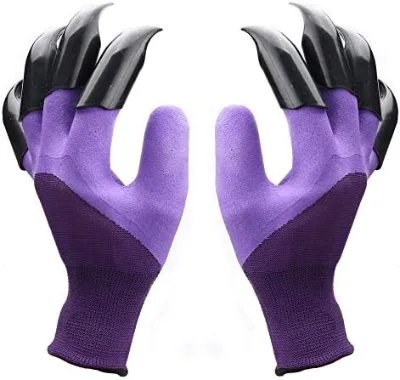

Working Safety Garden Gloves with Claws for Gardening Digging and Planting
$0.50 - $0.70
MOQ: 1200 Pieces


Comprehensive Sourcing Guide
Strategic Sourcing Guide for Industrial Gardening Gloves
Understanding Technical Specifications and Material Composition
When sourcing Gardening Gloves, buyers must first distinguish between the diverse material compositions and structural designs available in the current market. The supplied product data reveals a significant variance in material selection, ranging from synthetic blends to natural fibers. A primary observation in the current inventory is the use of Nylon and Latex combinations, which are often paired to create a durable yet flexible barrier. In other instances, manufacturers utilize HPPE (High-Performance Polyethylene), a material known for its cut resistance and lightweight properties. The outer material composition is equally critical; some listings specify Latex as the primary outer layer, while others feature reinforced leather palms or foam latex coatings.
The structural design of the glove significantly impacts its performance in specific gardening tasks. Thickness is a key differentiator, with many products described as "thickened" to provide enhanced protection against thorns and sharp tools. Conversely, other models are designed with a "medium" length and a "tight" cuff tightness to ensure a secure fit that prevents debris from entering the glove. In contrast, alternative designs offer a "loose" cuff, which may be preferable for tasks requiring high dexterity or extended wear in hot conditions. The liner material also varies, with options including unlined constructions or liners made from Polyester or Nylon. The palm treatment is another critical specification; buyers should look for reinforced leather palms for heavy-duty tasks or foam latex coatings for improved grip and soil handling. Understanding these specific attributes is essential before engaging with suppliers, as a mismatch in material or design can lead to premature failure or user discomfort.
Compliance Verification and Certification Standards
Navigating the regulatory landscape for personal protective equipment (PPE) is a non-negotiable aspect of sourcing Gardening Gloves. The supplied product facts indicate that compliance with the CE EN388 standard is a common requirement across multiple product models. This standard specifically addresses mechanical risks such as abrasion, cut, tear, and puncture resistance. Buyers must verify that the specific model they intend to purchase carries the appropriate certification, such as the "Certificate CE EN388 4121" or "Certificate CE EN388 2121" noted in the data. These numerical codes represent specific test results for abrasion, blade cut, tear, and puncture resistance, respectively.
Beyond the CE mark, some product listings reference additional certifications like CCC (China Compulsory Certification) and ISO standards. While ISO 9001 is mentioned in the background context, it is crucial to treat this as a general quality management reference rather than a specific product performance claim unless explicitly verified by the supplier. When evaluating a potential supplier, procurement teams should request the actual test reports corresponding to the EN388 ratings. It is not sufficient to rely on a generic claim of compliance; the specific model number, such as HCD015, HLG110, or HKL001, must be linked to the valid certification documents. The presence of a "Certificate CE EN388" on a product listing is a strong indicator, but the buyer must confirm that the certification covers the specific batch and model being ordered.
Cost Drivers and Economic Factors in Procurement
The pricing structure for Gardening Gloves is influenced by a complex interplay of material costs, production complexity, and order volume. The observed price range in the market spans from $0.08 to $74.60 per unit, a variance that reflects the difference between basic disposable models and heavy-duty, specialized industrial gloves. Several factors drive these costs. First, the material composition plays a major role; gloves featuring reinforced leather palms or HPPE liners typically command a higher price point than those made from standard Nylon or basic Latex. Second, the level of customization available can impact the final cost. The data confirms that customization is available, which often involves additional setup fees or higher per-unit costs for custom branding or specific design modifications.
Order volume is another critical economic driver. The Minimum Order Quantity (MOQ) ranges widely from 50 units to 24,000 units. Buyers with smaller procurement needs may face a higher per-unit cost due to the lower MOQ thresholds, while those capable of meeting higher volume requirements can leverage economies of scale. The packaging method also influences logistics costs; some products are packed as "One Doz Per Polybag," while others come in larger cartons containing 240 pairs. Additionally, the origin of the product, primarily Zhejiang, China, affects shipping costs and lead times. Buyers should calculate the total landed cost, including freight, duties, and insurance, rather than focusing solely on the factory gate price. The distinction between disposable and non-disposable models also affects the long-term cost of ownership; while disposable gloves may have a lower upfront cost, their single-use nature can lead to higher recurring expenses compared to reusable, thickened alternatives.
Typical Applications and Usage Scenarios
Gardening Gloves serve a wide array of functions beyond simple plant care, extending into general work, household electrical appliance maintenance, and pet care. The versatility of these products is evident in the diverse usage categories listed. For instance, gloves with "Anti-Scratch" and "Anti-Static" functions are particularly suitable for handling sharp plant materials or working in environments where static electricity could be a hazard. The "Dual-Use for Dry and Wet" feature makes certain models ideal for tasks involving water, soil, or cleaning agents, ensuring the user remains protected in varying environmental conditions.
Specific applications dictate the required glove attributes. For heavy-duty gardening, planting, and general work, gloves with "Thickened" specifications and "Reinforced Leather" palms are preferred to withstand abrasion and puncture risks. In scenarios involving household electrical appliances, the "Anti-Static" and "Non-Disposable" attributes become paramount to ensure safety and durability. Similarly, for pet care and cleaning tasks, gloves that are "Lightweight" and offer a "Tight" or "Loose" cuff depending on the user's preference can enhance comfort and efficiency. The "Safety Cuff" design is another feature that aids in preventing debris from entering the glove during intensive work. Buyers should match the specific usage requirements of their workforce with the functional attributes of the gloves, such as "Anti-Puncturing" capabilities for handling thorny plants or "Breathable" materials for work in hot climates.
Supplier Evaluation and Operational Capabilities
Evaluating potential suppliers requires a thorough assessment of their operational capabilities and product consistency. The data indicates that the primary production origin is Zhejiang, China, a region known for its manufacturing infrastructure. When assessing a supplier, buyers should verify their ability to meet the specific MOQ requirements, which can range from 50 to 24,000 units. A supplier's flexibility in handling different order sizes is a key indicator of their reliability. Furthermore, the availability of customization services suggests that the supplier has the capacity to adapt their production lines to meet specific buyer needs, whether for branding or functional modifications.
Packaging standards are another critical area for evaluation. The observed packaging formats, such as "One Doz Per Polybag" or bulk cartons containing 240 pairs, must align with the buyer's logistics and storage requirements. Suppliers who offer clear and consistent packaging protocols are less likely to cause damage during transit or confusion upon receipt. Additionally, the presence of multiple product models, such as HCD015, HLG110, and HKL001, indicates a diverse product portfolio. Buyers should ensure that the supplier can maintain quality consistency across these different models. It is also important to verify the supplier's ability to provide valid certification documents for each model, ensuring that the CE EN388 standards are met for the specific batch being supplied.
Quality Control and Long-Term Procurement Considerations
Implementing a robust quality control (QC) strategy is essential for mitigating risks associated with glove procurement. Given the wide range of materials and specifications, buyers should establish clear acceptance criteria based on the observed attributes. For example, verifying the "Thickness" and "Length" of the gloves against the agreed specifications is a fundamental QC step. The distinction between "Disposable" and "Non-Disposable" models must be clearly communicated and verified, as this affects the intended lifecycle of the product. For reusable gloves, checking the durability of the "Reinforced Leather" palms and the integrity of the "Foam Latex Coating" is crucial to ensure they can withstand repeated use.
Long-term procurement considerations involve building a sustainable supply chain that can adapt to changing needs. The availability of "All seasons" suitable gloves suggests that buyers can source a consistent product line year-round, reducing the need for seasonal inventory fluctuations. However, buyers should also consider the "Usage Times" attribute; while some gloves are marked as "Reusable," the actual number of uses may vary based on the intensity of the work. Establishing a relationship with a supplier who offers consistent quality and reliable certification support is vital for long-term success. Buyers should also monitor the market for any changes in standards or certifications, ensuring that their procurement strategy remains compliant with evolving safety regulations. By focusing on these long-term factors, organizations can secure a reliable supply of high-quality Gardening Gloves that meet both safety and operational requirements.
FAQs
What materials are used in these Gardening Gloves?
The gloves are constructed from Nylon and Latex, with some models featuring HPPE liners. Certain variants also include reinforced leather palms or foam latex coatings to enhance durability and grip during heavy-duty tasks.
Which certifications do the products hold?
Most models carry the CE EN388 standard, with specific ratings like 4121 or 2121 indicating resistance levels. Some listings also reference CCC and ISO certifications to ensure compliance with safety regulations for industrial use.
Can I customize the glove specifications?
Yes, customization is available for these Gardening Gloves. Buyers can request specific modifications, though this may affect the final unit price and requires coordination with the manufacturer to align with their production capabilities.
What is the minimum order quantity for these gloves?
The minimum order quantity ranges from 50 to 24,000 units depending on the specific model and supplier. Lower MOQs are available for smaller procurement needs, while larger volumes often secure better pricing and economies of scale.
How are the gloves packaged for shipment?
Packaging options include one dozen per polybag or bulk cartons containing 240 pairs. The specific packing method varies by model, such as HLG110 which uses cartons, while others may come in individual polybags for retail readiness.
Are these gloves suitable for all seasons?
Yes, the gloves are designed for use in all seasons. They feature breathable materials and dual-use capabilities for dry and wet conditions, making them versatile for various environmental conditions throughout the year.
What functions do the gloves provide?
The gloves offer anti-scratch, anti-static, and anti-puncturing functions to protect hands during work. They are also lightweight and non-disposable, ensuring durability for repeated use in gardening, pet care, and general industrial tasks.
Where are these gloves manufactured?
The products originate from Zhejiang, China, a region known for its manufacturing infrastructure. This location influences shipping logistics and lead times, which buyers should consider when calculating the total landed cost for their orders.