Source Gargle Cup Options for Dental Care, Oral Hygiene, and Medical Use
Explore 30 available Gargle Cup listings tailored for dental care, oral hygiene routines, and medical applications. Compare specifications such as material, capacity, and customization options to find the right fit for your business needs.
Key considerations
Products List









Comprehensive Sourcing Guide
Gargle Cup Sourcing Guide
Sourcing gargle cups requires a nuanced understanding of product diversity, as the term often encompasses a wide range of oral hygiene and promotional items rather than a single standardized device. Buyers must navigate a market where "Gargle Cup" may refer to specialized medical-grade rinsing vessels, casual drinking cups repurposed for hygiene, or promotional glassware with specific capacity constraints. The observed market data indicates a significant variation in product attributes, ranging from single-wall plastic cups to colored glass vessels, which necessitates a rigorous verification process before placing orders. Procurement teams must distinguish between functional medical devices and general-purpose containers, as the regulatory and quality expectations differ substantially between these categories.
The commercial landscape for these items is characterized by flexible manufacturing options and diverse material compositions. Suppliers frequently offer customization services, including heat-transfer printing and silk screen printing, which are critical for corporate branding or promotional campaigns. However, this flexibility introduces complexity in quality control, as the same supplier may produce items with vastly different durability and safety profiles. Buyers should approach sourcing with a clear definition of their end-use, whether it involves clinical settings requiring strict sterilization protocols or casual office environments where aesthetic appeal and basic functionality are paramount. Understanding these distinctions is the first step in mitigating supply chain risks and ensuring the final product meets specific operational needs.
Product Scope and Observed Listing Signals
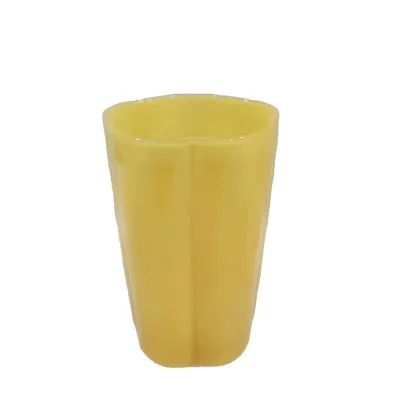
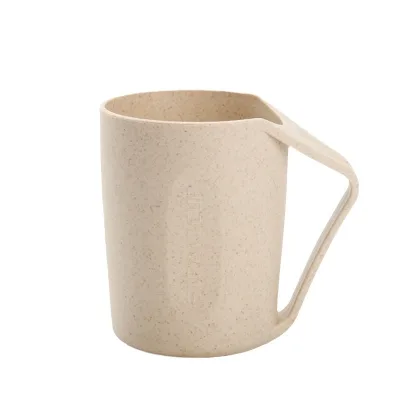
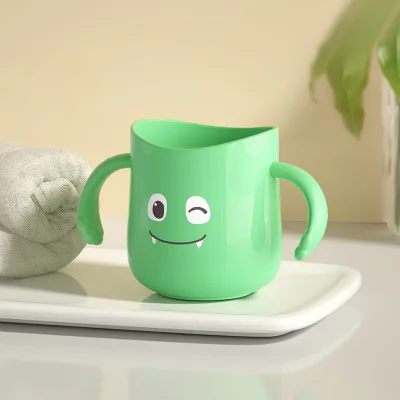
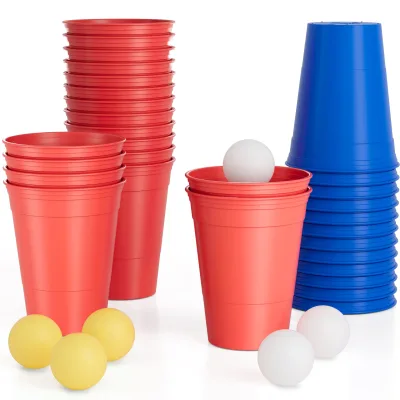
The current market listings reveal a broad spectrum of products labeled under similar terms, creating potential confusion for buyers seeking specific functionalities. Observed data highlights products with capacities ranging from under 10 oz to 250ml (approximately 12 oz), indicating that size is not a standardized metric for this category. Some listings describe items as "drinking cups" with a "cute" style, while others specify "single wall cups" made from PP plastic or colored glass. This disparity suggests that the term "Gargle Cup" is often used loosely in e-commerce contexts to describe any small-volume vessel suitable for liquid handling. Buyers must carefully examine product descriptions to determine if the item is designed for repeated medical use or if it is a disposable or promotional item with limited durability.
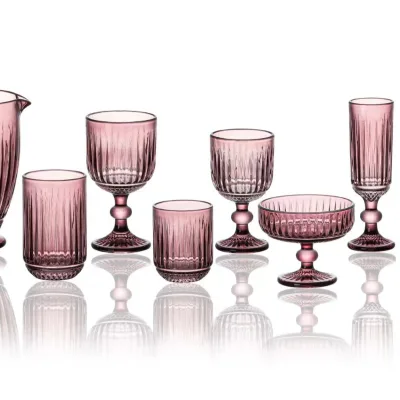
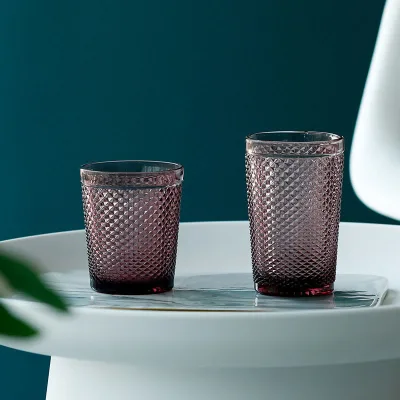
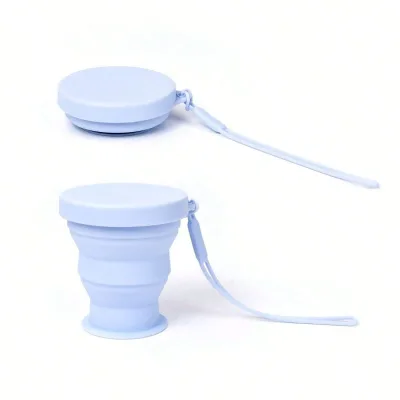
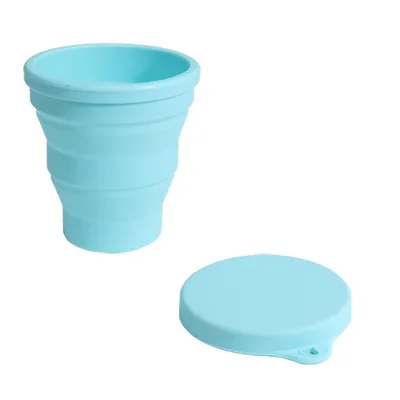
Material composition is another critical signal that defines the product's suitability for its intended purpose. The observed inventory includes items made from crystal, colored glass, and PP plastic, each offering distinct advantages and limitations. Glass and crystal options often appeal to buyers seeking a premium feel or aesthetic alignment with luxury branding, as indicated by references to "Modern Luxury" and "Classic" design styles. In contrast, PP plastic cups are noted for being BPA-free and food-safe, making them suitable for environments where breakage is a concern. Additionally, some listings mention accessories such as lids and straws, which may enhance functionality for specific use cases but could complicate cleaning protocols required for hygiene-sensitive applications.
Technical Specifications to Verify
Verifying technical specifications is essential to ensure that the procured gargle cups meet the physical and functional requirements of the end-user. Capacity is a primary specification that varies significantly across listings, with observed values including 250ml, 12 oz, and capacities under 10 oz. Buyers must confirm the exact volume tolerance, as even minor deviations can impact the efficacy of oral rinsing routines or promotional giveaways. Dimensions also vary, with observed sizes ranging from compact models like D7cm*H10cm to larger packages with single package sizes of 15X15X25 cm. These dimensional differences affect storage, shipping logistics, and user ergonomics, making precise measurement verification a critical step in the procurement process.
Durability and maintenance requirements are equally important technical factors that influence long-term usability. Some products are explicitly marked as "Hand Wash Only," which may limit their suitability for high-volume commercial or clinical settings where automated cleaning is preferred. Conversely, other items are described as having features like "boiling water applicability," suggesting a higher thermal resistance that may be necessary for sterilization purposes. Buyers should also verify the presence of anti-corrosion coatings or other protective treatments, as some listings indicate these are "Not Equipped." Understanding these maintenance constraints helps in selecting products that align with the operational capabilities and hygiene standards of the purchasing organization.
Compliance and Safety Documentation
Compliance with safety standards is non-negotiable for any product intended for oral use, regardless of whether it is marketed as a medical device or a promotional item. The observed market includes products certified under LFGB, FDA, and CE/EU standards, which are critical indicators of material safety and regulatory adherence. Buyers must request and verify these certifications for each specific product model, as certification status can vary even within the same supplier’s catalog. The presence of these certifications ensures that the materials used, such as PP plastic or colored glass, do not leach harmful substances into the liquid being held, thereby protecting user health.
In addition to material safety, buyers should assess the product’s compliance with food contact regulations, especially for items labeled as "food safe." While some listings explicitly state this attribute, others may rely on general certifications without specific food-grade confirmation. It is crucial to distinguish between products intended for direct oral contact and those designed for general use, as the latter may not meet the stringent requirements for medical or hygiene applications. Buyers should also inquire about the testing protocols used to validate these certifications, ensuring that the documentation provided is current and issued by recognized authorities. This diligence helps mitigate legal and reputational risks associated with non-compliant products.
Cost Drivers and Commercial Terms
Cost structures for gargle cups are influenced by a variety of factors, including material choice, customization requirements, and order volume. The observed price range spans from $0.01 to $18, reflecting the vast difference between basic disposable plastic cups and premium glass or crystal items. Minimum Order Quantities (MOQs) also vary widely, with observed values ranging from 1 to 100,000 pieces, allowing buyers to scale their orders based on budget and demand. However, lower MOQs may come with higher per-unit costs, while larger orders can leverage economies of scale but require greater upfront capital and storage capacity.
Commercial terms such as payment methods and packaging options further impact the total cost of ownership. Standard payment terms like T/T are common, but buyers should negotiate favorable conditions based on their relationship with the supplier and the order size. Packaging is another cost driver, with options ranging from simple OPP bags to seaworthy cartons designed for international shipping. Customization services, such as heat-transfer printing, may incur additional fees, so buyers should clarify all potential charges upfront. Understanding these cost drivers enables more accurate budgeting and helps in selecting suppliers that offer the best value proposition for specific project requirements.
Supplier Qualification and Quality Control
Supplier qualification is a critical step in ensuring the reliability and consistency of the sourced gargle cups. Buyers should verify the supplier’s place of origin, with many listings indicating production in China, particularly in regions like Fujian. While geographic location can provide insights into manufacturing capabilities, it is essential to assess the supplier’s overall reputation, production capacity, and quality management systems. Suppliers that offer sample provision services allow buyers to physically evaluate product quality before committing to large orders, which is a valuable risk mitigation strategy.
Quality control measures should be clearly defined and agreed upon before production begins. Buyers should inquire about the supplier’s inspection protocols, including pre-production, during-production, and pre-shipment inspections. Given the variability in product attributes, such as material type and finish, consistent quality control is vital to prevent defects like cracks, discoloration, or printing errors. Additionally, buyers should confirm the supplier’s ability to handle returns or replacements for non-conforming products. Establishing a robust quality assurance framework helps ensure that the final delivered goods meet the specified standards and perform reliably in their intended applications.
Long-Term Procurement Checks
Long-term procurement success depends on continuous monitoring of supplier performance and market trends. Buyers should regularly review supplier delivery times, product consistency, and responsiveness to issues. The observed market data suggests that lead times and production capabilities can vary, so maintaining open communication with suppliers is essential for managing expectations and addressing any delays promptly. Additionally, buyers should stay informed about changes in regulatory standards, particularly regarding food contact materials and safety certifications, to ensure ongoing compliance.
Sustainability and ethical sourcing are increasingly important considerations in the procurement of consumer goods. Buyers should evaluate whether suppliers adhere to environmentally friendly practices, such as using recyclable materials or minimizing waste during production. This assessment can enhance brand reputation and align with corporate social responsibility goals. Furthermore, buyers should periodically reassess their supplier base to identify opportunities for cost savings or improved quality. By maintaining a proactive approach to supplier management, buyers can build a resilient supply chain that supports their long-term business objectives and adapts to changing market conditions.
FAQs
What materials are used for these drinking cups?
The cups are crafted from colored glass and crystal materials. These options provide durability and a premium aesthetic suitable for business gifts. The glass construction ensures clarity and resistance to staining, making them ideal for promotional use or daily office consumption.
Can I customize the design of the Gargle Cup?
Yes, customization is available for these products. Buyers can request specific designs to align with their brand identity. This service supports promotional gifts and corporate events, allowing for unique branding on the glass surface through various printing techniques.
What certifications do these glass cups hold?
The products hold LFGB, FDA, and CE/EU certifications. These standards ensure the materials are safe for food and beverage contact. This compliance is critical for commercial buyers in restaurants and food stores who must adhere to strict health regulations.
What is the minimum order quantity for these cups?
The minimum order quantity is 1000 pieces. Some listings indicate a higher threshold of 3000 pieces depending on the specific model. This MOQ structure supports bulk procurement for business gifts and large-scale promotional campaigns effectively.
How should I clean these crystal drinking cups?
These cups require hand washing only and are not dishwasher safe. This care instruction preserves the integrity of the crystal and colored glass finishes. Proper maintenance ensures longevity and maintains the aesthetic quality for repeated use in office or party settings.
What capacities are available for these drinking cups?
Available capacities include 250ml, 12 oz, and sizes under 10 oz. The standard model measures D7cm by H10cm. These varied sizes cater to different usage scenarios, from small promotional samples to standard beverage servings for business or casual occasions.