Source Gas Powered Aluminum Fishing Boat with Remote Control
Find a Gas Powered Aluminum Fishing Boat with Remote Control from 30 verified listings. Compare models like ABB_060 and SK-E600, ranging from 4.5m to 11.6m, with CE certification and customizable options for sea, river, and lake applications; compare the available evidence and request quotations based on your requirements.
Updated
Key considerations
Products List


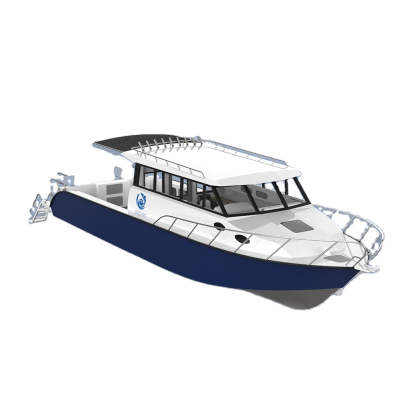
11.6m Aluminum Fishing Charter Boat with CE Certificate
$39000.00 - $49000.00


5m Fishing Boat Aluminum Boat with 2 Consoles and Tempered Glass Windshield
$9600.00 - $9800.00
MOQ: 2 Unit
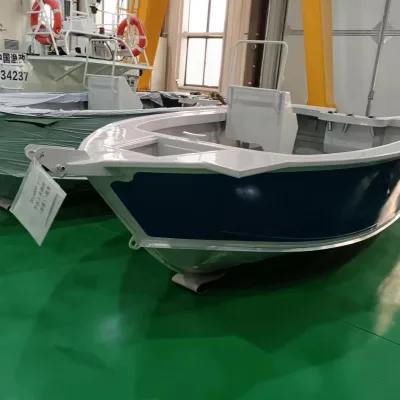
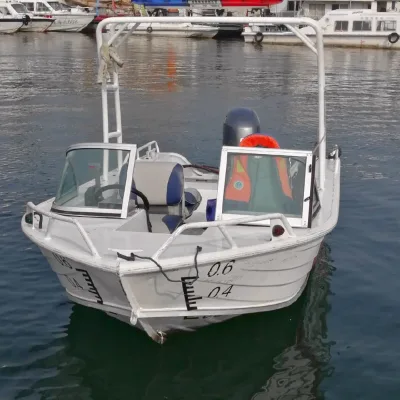
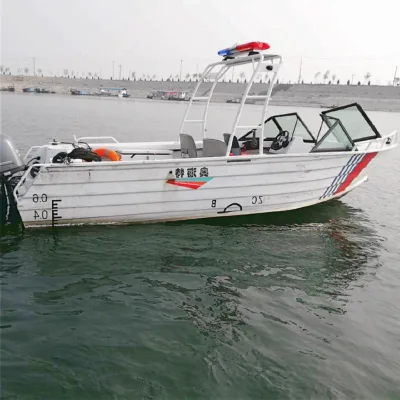

Advanced Aluminum Fishing Boat with Reliable Performance and Design Boat
$132000.00 - $148500.00
MOQ: 1 Pieces


New Design Aluminum Fishing Boat with Excellent Stability and Safety Performance
$132000.00 - $148500.00
MOQ: 1 Pieces

High Performance Aluminum Fishing Boat for Pleasure and Outdoor Boat
$132000.00 - $148500.00
MOQ: 1 Pieces

High Strength Aluminum Fishing Boat Motor Boat with Excellent Maneuverability
$132000.00 - $148500.00
MOQ: 1 Pieces

Lightweight Aluminium Boat with Reliable Performance for Fishing and Recreation
$132000.00 - $148500.00
MOQ: 1 Pieces


Comprehensive Sourcing Guide
Gas Powered Aluminum Fishing Boat with Remote Control Sourcing Guide
Procuring a gas-powered aluminum fishing boat equipped with remote control capabilities requires a nuanced understanding of both marine engineering and automation integration. Buyers must recognize that while the hull material and propulsion system are standard components, the remote control feature represents a specialized modification that significantly impacts design and cost. The core keyword highlights a niche segment where traditional fishing utility meets modern technological convenience, often targeting users who require hands-free operation or enhanced safety in specific scenarios. This guide focuses on verifying the technical feasibility and commercial viability of such vessels, ensuring that the remote control system does not compromise the structural integrity or operational reliability of the aluminum hull.
The sourcing process begins with identifying suppliers who possess the dual expertise in aluminum fabrication and marine electronics integration. It is critical to distinguish between boats that are merely advertised with remote features and those that have been engineered from the ground up to support such systems. Buyers should prioritize manufacturers who demonstrate a clear supply chain for both the aluminum materials and the remote control hardware. This dual-supply chain management is essential for maintaining quality control and ensuring that all components are compatible and certified for marine environments. Understanding these foundational elements helps buyers avoid common pitfalls associated with retrofitting or poorly integrated aftermarket additions.
Product Scope and Observed Listing Signals
The observed product listings reveal a diverse range of aluminum fishing boats, with models such as the ABB_060, SK-E600, and VX450-SC indicating varying sizes and capabilities. Prices observed in the market range from $580 to $148,500, reflecting significant differences in size, material thickness, and included features. The minimum order quantities (MOQ) typically range from 1 to 10 units, suggesting that suppliers are flexible enough to accommodate both individual buyers and small commercial fleets. These signals indicate a mature market with options for various budget levels, but they also highlight the need for careful verification of what is included in the base price versus optional add-ons like remote control systems.
Specific product attributes observed include aluminum hulls, with materials like 5052 aluminum noted for certain models, and overall lengths ranging from 4.5 meters to 11.6 meters. The presence of CE certification in some listings suggests that certain models meet European safety and performance standards, which is a crucial factor for buyers operating in or exporting to regulated markets. However, the term "remote control" is not explicitly detailed in the provided facts, implying that buyers must actively inquire about this feature rather than assuming it is standard. The observed data emphasizes the importance of cross-referencing listing claims with direct supplier confirmation to ensure that the remote control functionality is genuine and fully integrated.
Technical Specifications to Verify
When evaluating technical specifications, buyers must focus on the compatibility of the remote control system with the boat’s powertrain and navigation systems. The observed engine options range from 150-200 HP to 60 HP, with fuel types including gas, LPG, and petrol. It is essential to verify that the remote control unit can effectively manage the specific engine type and horsepower range of the selected boat. For instance, a 150 HP engine may require a more robust remote control interface compared to a 60 HP model, affecting both the cost and the complexity of the installation. Buyers should request detailed schematics of the remote control integration to ensure seamless operation and safety.
Additionally, the structural dimensions and load capacities observed, such as the 5.4m length with a 429kg empty weight for the ABB_060 model, must be considered in relation to the remote control system’s weight and power requirements. The side height and transom height, noted as 0.70m and 0.51m respectively for some models, influence the placement of remote control antennas and sensors. Buyers should verify that the remote control system does not interfere with the boat’s stability or handling characteristics. It is also important to confirm the battery life and charging infrastructure for the remote control unit, ensuring that it can sustain operation for the intended duration of fishing trips or entertainment activities.
Compliance and Safety Documentation
Compliance with marine safety standards is paramount, especially when dealing with remote-controlled vessels. The observed CE certification for certain models indicates adherence to European directives, but buyers must verify if this certification extends to the remote control functionality. It is crucial to ensure that the remote control system meets relevant electromagnetic compatibility (EMC) standards to prevent interference with other onboard electronics. Buyers should request documentation that specifically addresses the safety protocols of the remote control feature, including fail-safe mechanisms that return the boat to a safe state in case of signal loss or system failure.
Furthermore, buyers must consider the legal implications of operating a remote-controlled fishing boat in their jurisdiction. While the observed products are manufactured in China, the end-use location may have specific regulations regarding unmanned or remotely operated vessels. Buyers should consult local maritime authorities to understand any licensing or operational restrictions associated with remote control features. It is also advisable to verify that the boat’s design, including its aluminum hull and fuel system, complies with international safety standards such as ISO or EN norms. This due diligence helps mitigate legal risks and ensures that the vessel can be operated legally and safely in the intended market.
Cost Drivers and Commercial Terms
The cost of a gas-powered aluminum fishing boat with remote control is influenced by several key factors, including the size of the hull, the power of the engine, and the sophistication of the remote control system. The observed price range of $580 to $148,500 reflects these variables, with larger boats and more powerful engines commanding higher prices. The inclusion of a remote control system adds a significant premium, as it requires specialized hardware and integration labor. Buyers should request a detailed breakdown of costs to understand how much is attributed to the remote control feature versus the base boat structure. This transparency helps in budgeting and comparing quotes from different suppliers.
Commercial terms such as MOQ, lead times, and payment conditions also play a crucial role in the procurement process. The observed MOQ of 1-10 units suggests flexibility, but buyers should negotiate for better terms based on their volume requirements. Lead times can vary significantly depending on the customization level, especially for remote control integrations. Buyers should clarify the production schedule and any potential delays due to supply chain issues. Additionally, payment terms should be structured to protect the buyer’s interests, such as using escrow services or milestone-based payments. Understanding these commercial dynamics helps in negotiating favorable terms and ensuring a smooth transaction.
Supplier Qualification and Quality Control
Supplier qualification is a critical step in ensuring the reliability of the remote control system and the overall quality of the aluminum boat. Buyers should verify the supplier’s manufacturing capabilities, including their experience with aluminum fabrication and marine electronics integration. The observed use of 5052 aluminum and various engine types indicates a diverse product range, but buyers must confirm that the supplier has a dedicated quality control process for remote control installations. This includes testing the remote control system under various conditions to ensure reliability and safety. Buyers should request evidence of past projects or case studies involving remote-controlled boats to assess the supplier’s expertise.
Quality control measures should also extend to the raw materials and components used in the boat’s construction. Buyers should verify that the aluminum sheets and other materials meet specified standards for strength and corrosion resistance. The remote control hardware should be sourced from reputable manufacturers with proven track records in marine applications. Buyers should insist on pre-shipment inspections to verify that the remote control system is correctly installed and functioning as intended. Establishing a clear quality assurance protocol with the supplier helps in maintaining high standards and reducing the risk of defects or failures in the field.
Long-Term Procurement Checks
Long-term procurement success depends on establishing a robust relationship with the supplier and implementing continuous monitoring of product performance. Buyers should schedule regular follow-ups to assess the durability and reliability of the remote control system over time. Feedback from initial users can provide valuable insights into any potential issues or areas for improvement. Buyers should also stay informed about advancements in remote control technology and marine regulations to ensure that their fleet remains compliant and competitive. This proactive approach helps in identifying opportunities for upgrades or replacements before they become critical issues.
Additionally, buyers should maintain a comprehensive record of all procurement activities, including contracts, specifications, and quality control reports. This documentation is essential for resolving any disputes or warranty claims that may arise in the future. Buyers should also consider establishing a spare parts inventory for the remote control system to minimize downtime in case of failures. By focusing on long-term relationship management and continuous improvement, buyers can ensure that their investment in gas-powered aluminum fishing boats with remote control delivers sustained value and operational efficiency.
FAQs
What is the overall length of the 5.4m aluminum fishing boat?
The overall length is 5.4 meters. This model features an aluminum hull and floor, weighing 429kg empty without an engine. It accommodates three passengers and supports engines between 150-200HP. The boat carries CE certification and is available in various colors for customization.
Can I customize the packing for the aluminum fishing boat?
Yes, customization is available for the packing. The supplier offers semi-knock down packing options to meet specific client requirements. This approach helps optimize shipping volume and protects the aluminum hull during transit. Buyers can request specific packing configurations to suit their logistics needs.
What is the maximum load capacity for the 4.5m model?
The maximum load capacity is 568kg. This 4.5-meter model has a side height of 0.70m and a transom height of 0.51m. It is constructed from 5052 aluminum and supports a maximum power of 60HP. The boat is suitable for sea, river, lake, and ocean applications.
Which fuel types are supported by the aluminum fishing boats?
The boats support gas, LPG, petrol, and gasoline fuel types. Models like the Z500 and ABB_060 are designed for these fuel sources. The aluminum construction ensures durability while the engine compatibility allows for flexible power options. Buyers can select the fuel type that best suits their operational environment.
What is the MOQ for ordering these aluminum fishing boats?
The minimum order quantity ranges from 1 to 10 units. This flexibility allows buyers to start with small orders or scale up production. The supplier accommodates various order sizes while maintaining quality standards. Buyers should confirm specific MOQ requirements based on the chosen model and customization needs.
How many passengers can the 6m entertainment boat seat?
The 6m entertainment boat can seat six passengers. This model is designed for recreational use and features a spacious layout. It supports applications in sea, river, lake, and ocean environments. The aluminum hull provides stability and durability for various water activities and passenger comfort.