Source Outboard Sea Fishing Boat for Sea, River, and Lake
Compare 30 Outboard Sea Fishing Boat models with varying hull sizes, engine capacities, and materials. Buyers can evaluate specifications like beam, depth, and weight to find the right vessel for sea, river, or lake applications; compare the available evidence and request quotations based on your requirements.
Updated
Key considerations
Products List


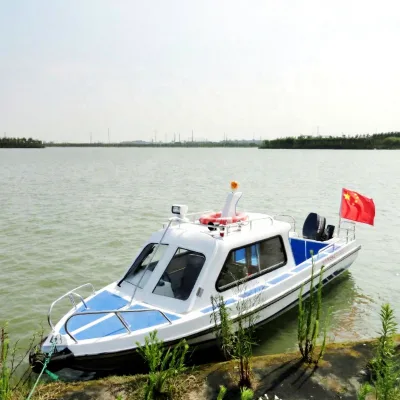
6m High Speed Fishing Boat with Hardtop 20FT Cruiser Offshore Boat
$13900.00 - $14900.00
MOQ: 1 Pieces


7.0m 23FT Outboard Engine Aluminum Fishing Boat with Marine Grade 5083
$16000.00 - $20000.00
MOQ: 1 Unit

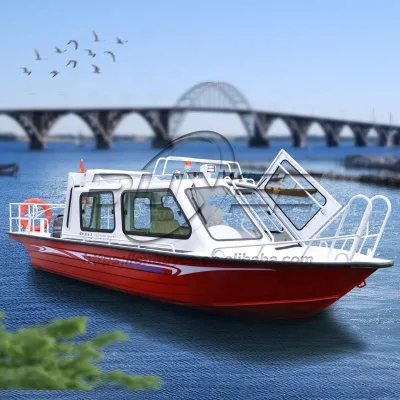
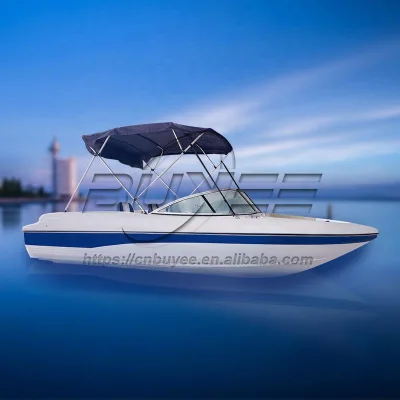
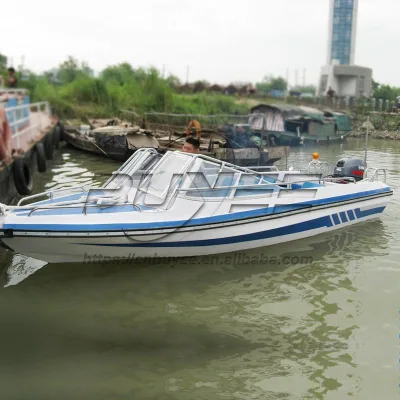
High Quality 6 Passengers Fishing Vessel 5.68m/19ft Outboard Engine Fiberglass Speed Boat
$5198.00 - $5698.00
MOQ: 1 units
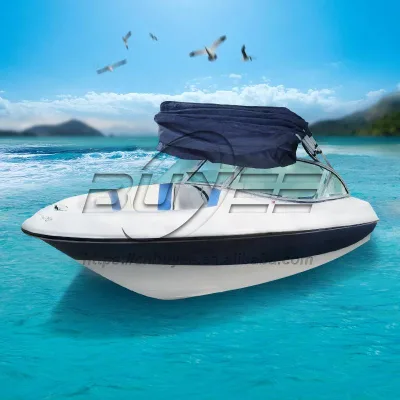
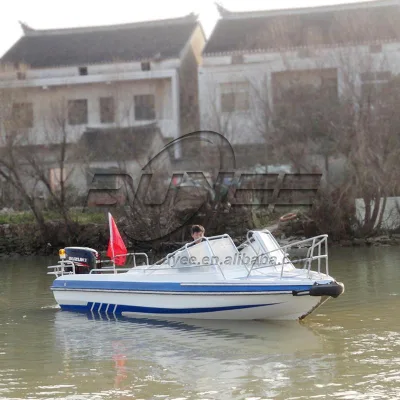
$1741.0598 - $2048.6673
MOQ: 1 units

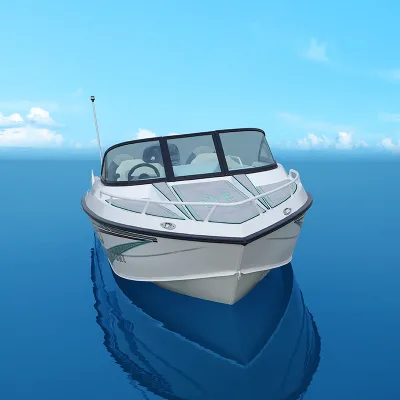
6m Outboard Engine Carp Fishing Boat for Sport Entertainment Leisure
$40986.2112 - $46416.8842
MOQ: 1 sets

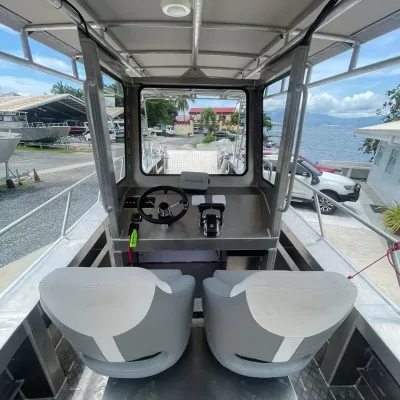


Small Outboard Aluminium Boat 16FT Fishing Boat Speed Boat with Painting
$6500.00 - $9800.00
MOQ: 1 PIECE

7 Person Plastic Rescue Sea Fishing Boat with Outboard Boat Motor for Sale
$1880.00 - $1980.00
MOQ: 2 Pieces


Comprehensive Sourcing Guide
Outboard Sea Fishing Boat Sourcing Guide
Procuring an Outboard Sea Fishing Boat requires a disciplined approach to aligning vessel specifications with operational demands. Buyers must first define the intended use case, whether for coastal inshore work or deeper offshore expeditions, as this dictates hull form and power requirements. The market offers diverse configurations, from single-engine setups to twin stern drive systems, each presenting distinct trade-offs in speed, fuel efficiency, and maintenance complexity. Understanding these mechanical differences is critical before engaging with suppliers, as the chosen configuration directly impacts long-term operational costs and safety margins.
Beyond mechanical choices, the material composition and construction quality of the hull are paramount for durability in harsh marine environments. Aluminum vessels are frequently preferred for their lightweight nature and corrosion resistance, yet buyers must scrutinize weld quality and panel thickness to ensure structural integrity. The sourcing process involves evaluating multiple data points, including beam width, draft depth, and recommended horsepower ranges, to match the vessel’s physical characteristics with the buyer’s specific payload and speed expectations. This foundational due diligence prevents costly mismatches between the boat’s capabilities and the buyer’s operational reality.
Product Scope and Observed Listing Signals
Current market listings reveal a wide spectrum of vessel types, ranging from streamlined aluminum fishing boats to robust catamaran designs. Observed models include specific configurations such as the PT625 and E600, which feature unfolded, non-inflatable hulls designed for stability and speed. These vessels typically accommodate six to twelve passengers, indicating their suitability for both commercial charter operations and private recreational use. The presence of streamlined designs suggests a focus on hydrodynamic efficiency, which is essential for reducing drag and improving fuel economy during extended sea fishing trips.
Listing signals also highlight significant variations in hull dimensions and construction materials. For instance, some models boast a length overall of 6.25 meters with a beam of 2.22 meters, while larger catamaran variants extend to 7.9 meters with a wider beam of 2.46 meters. These dimensional differences directly influence stability and cargo capacity, allowing buyers to select a vessel that matches their specific fleet requirements. Additionally, the observation of twin stern drive engines in some listings points to a segment of the market focused on high-performance applications, whereas single outboard setups may cater to more budget-conscious or simpler operational needs.
Technical Specifications to Verify
When evaluating technical specifications, buyers must prioritize hull construction details such as bottom and topside thicknesses, which directly impact durability and resistance to impact. For example, certain aluminum vessels feature 6mm bottom sides and 4mm topsides, providing a robust barrier against submerged debris and grounding incidents. Verifying these measurements is essential, as thinner hulls may compromise safety in rough seas or frequent shallow-water fishing scenarios. Additionally, the weight of the boat alone, ranging from 1150kg to over 5500kg depending on the model, affects loading capacity and trailerability, requiring careful calculation of total displacement.
Powertrain specifications are equally critical, with recommended horsepower ranges varying significantly across different vessel classes. Buyers should verify whether the listing specifies single outboard engines or twin stern drive systems, as this determines the vessel’s speed potential and redundancy in case of mechanical failure. Observed recommendations range from 115-175HP for smaller models to 200-300HP or even twin 270HP setups for larger catamarans. Confirming the transom shaft length, such as a 25-inch specification for single engines, ensures proper engine mounting and optimal performance, preventing cavitation and ensuring efficient power transfer to the water.
Compliance and Safety Documentation
Compliance with international and regional maritime standards is non-negotiable for safe and legal operation. Buyers must request and verify certification documents, such as CE marking, which indicates conformity with health, safety, and environmental protection standards for products sold within the European Economic Area. These certifications often encompass structural integrity tests, stability calculations, and emissions compliance, providing a baseline assurance of the vessel’s quality. Without proper documentation, buyers risk facing regulatory hurdles, insurance complications, or operational bans in certain jurisdictions, making verification a critical step in the procurement process.
Safety features and passenger capacity approvals are also key areas requiring documentation. Listings may indicate approved passenger counts, such as six or twelve persons, which must align with the vessel’s actual stability and buoyancy characteristics. Buyers should ensure that the manufacturer provides stability certificates and load line markings that correspond to the stated capacity. Additionally, verifying the warranty terms, such as five-year hull warranties or three-year coverage for specific components, offers insight into the manufacturer’s confidence in their build quality. These documents serve as legal protections and operational guidelines, ensuring the vessel meets all necessary safety benchmarks for sea fishing activities.
Cost Drivers and Commercial Terms
Several factors influence the final cost of an Outboard Sea Fishing Boat, with hull size, material thickness, and engine configuration being primary drivers. Larger vessels with wider beams and thicker aluminum panels naturally command higher prices due to increased material usage and manufacturing complexity. Similarly, the inclusion of high-horsepower engines or twin drive systems significantly elevates the base cost, as these components are expensive and require more sophisticated installation processes. Buyers should also consider the packing method, such as 40HQ containers, which affects logistics costs and potential damage risks during transit.
Commercial terms, including minimum order quantities and warranty provisions, play a crucial role in the total cost of ownership. While some listings suggest an MOQ of one unit, others may have different requirements for customized configurations or bulk orders. Warranty coverage, such as five-year hull warranties, can reduce long-term maintenance expenses, effectively lowering the overall cost over the vessel’s lifespan. Buyers must also account for ancillary costs, such as freight, insurance, and import duties, which can substantially impact the final landed cost. Understanding these variables allows for more accurate budgeting and prevents unexpected financial burdens during the procurement process.
Supplier Qualification and Quality Control
Supplier qualification begins with verifying the manufacturer’s location and production capabilities, with many reputable sources originating from regions like Qingdao or Shandong in China. Buyers should assess the supplier’s track record in producing aluminum fishing boats, looking for evidence of consistent quality and adherence to design specifications. Quality control processes, such as weld inspection and pressure testing, are vital indicators of a supplier’s commitment to durability. Suppliers who provide detailed production timelines and quality assurance protocols demonstrate a higher level of professionalism and reliability, reducing the risk of receiving substandard vessels.
Engaging with suppliers who offer customization options can also enhance the procurement outcome, allowing buyers to tailor vessels to specific operational needs. However, customization introduces complexity, requiring close collaboration to ensure that modifications do not compromise structural integrity or compliance. Buyers should request samples or visit facilities if possible, to physically inspect weld quality and finish. Establishing clear communication channels and defining quality acceptance criteria before production begins is essential. This proactive approach ensures that the final product meets the buyer’s expectations and reduces the likelihood of disputes or rework after delivery.
Long-Term Procurement Checks
Long-term procurement success depends on establishing robust post-purchase support and maintenance protocols. Buyers should verify the availability of spare parts and technical support from the supplier, ensuring that any future repairs or upgrades can be handled efficiently. A comprehensive warranty, such as a five-year hull warranty, provides peace of mind but requires clear understanding of the terms and conditions to avoid voiding coverage. Regular maintenance schedules, aligned with the manufacturer’s recommendations, are crucial for extending the vessel’s lifespan and maintaining performance, particularly in corrosive saltwater environments.
Additionally, buyers must monitor changes in maritime regulations and safety standards that may affect their fleet’s operation. Staying informed about updates to certification requirements or emissions standards ensures continued compliance and avoids costly retrofits. Building a long-term relationship with a reliable supplier can facilitate access to new models and technological advancements, keeping the fleet competitive and efficient. Regular performance reviews and feedback loops with the supplier help identify areas for improvement and foster continuous enhancement of the procurement process, ensuring sustained value and operational excellence over time.
FAQs
What is the maximum passenger capacity for these aluminum boats?
The maximum approved passenger capacity is 12 people for the larger deep V aluminum fishing boat model. Smaller variants like the PT625 and E600 are rated for 6 persons each. This capacity ensures safe operation for family fishing trips or small group excursions on calm waters.
Can these boats be customized for specific fishing requirements?
Yes, customization is available for these aluminum fishing boats. Buyers can request specific modifications to suit their operational needs. The streamlined design allows for tailored features while maintaining the structural integrity of the hull. This flexibility ensures the vessel meets precise commercial or recreational fishing standards.
What engine power is recommended for the 6.25m model?
The recommended horsepower for the 6.25m model is between 115 and 175 HP. This power range optimizes performance for the boat's weight and hull design. It ensures efficient fuel consumption and adequate speed for various fishing conditions without overloading the transom shaft or compromising stability.
How long is the warranty period for the boat hull?
The warranty period for the boat hull is five years for the PT625 and C790 models. The E600 model offers a three-year warranty for the hull. This coverage protects against structural defects and ensures long-term durability. Buyers should verify specific terms with the manufacturer to understand the full scope.
What certifications do these aluminum fishing boats hold?
These aluminum fishing boats hold CE certification, indicating compliance with European safety and quality standards. This certification is crucial for international trade and ensures the vessel meets rigorous manufacturing requirements. Buyers can rely on this mark to verify the product's adherence to established industry norms for safety and performance.
What is the typical packaging method for shipping these boats?
The typical packaging method involves fitting the boats into 40HQ or 40FT HC containers. This standard shipping method ensures secure transport and minimizes damage during transit. The compact design allows for efficient loading, reducing logistics costs. Buyers should confirm specific packing details with suppliers to ensure compatibility with their shipping routes.