Source Gasoline Generator for Manufacturing, Emergency, and Outdoor Use
Compare 30 Gasoline Generator listings from verified manufacturers in China. Buyers can evaluate specifications like power output, cooling type, and certifications to find suitable units for manufacturing, emergency power, and outdoor applications.
Key considerations
Products List


Gasoline Generator Power Generator
$199.00 - $210.00
MOQ: 10 Pieces
Dezhou Chuangtao Mechanical and Electrical Equipment Co., Ltd.

Power Generator Gasoline Generator Electric Generator
$160.00 - $200.00
MOQ: 10 Pieces
Dezhou Chuangtao Mechanical and Electrical Equipment Co., Ltd.

Gasoline Generator 2000W Diesel Engine
$160.00 - $200.00
MOQ: 10 Pieces
Dezhou Chuangtao Mechanical and Electrical Equipment Co., Ltd.


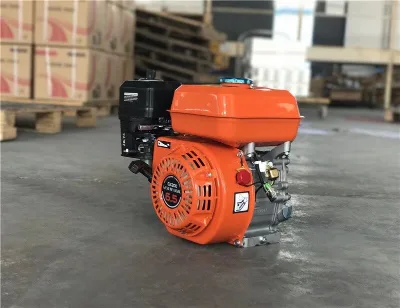


Comprehensive Sourcing Guide
Gasoline Generator Sourcing Guide
Sourcing gasoline generators requires a disciplined approach to balancing power output, portability, and regulatory compliance. Buyers must navigate a market where specifications vary significantly between industrial-grade units and portable emergency models. The following guide outlines the critical verification steps for procurement professionals, focusing on technical integrity, commercial terms, and supplier reliability.
Product Scope and Observed Listing Signals
The current market landscape for gasoline generators reveals a diverse range of product configurations, with observed listing prices spanning from approximately $60.13 to $2,000 USD. This wide variance suggests a spectrum of offerings, from small, high-displacement auxiliary units to larger, high-wattage power stations. Procurement teams should recognize that price alone is an insufficient indicator of quality; instead, it reflects differences in compressor types, material composition, and intended duty cycles. Understanding this price band helps in setting realistic budget expectations for different operational needs.
Minimum Order Quantities (MOQ) in the observed data range from 1 to 100 pieces, indicating flexibility for both single-unit emergency purchases and bulk industrial procurement. The presence of customization options and neutral packaging suggests that many suppliers are equipped to handle private labeling or specific logistical requirements. Buyers should leverage this flexibility by clarifying packaging standards early in the negotiation process, as observed data points to "Strong Export Carton" and "Neutral Packaging" as common practices to ensure product safety during transit.
Technical Specifications to Verify
Technical verification begins with the core power generation components, specifically the compressor and rectifier structure. Observed data highlights the use of scroll compressors and silicon rectification generators with six-tube structures, which are critical for stable power output and efficiency. Buyers must verify the displacement, with observed values around 90cc, to ensure the engine size matches the required wattage. It is essential to confirm whether the driving mode is independent or non-independent, as this affects the generator’s ability to maintain consistent frequency under varying loads.
Physical dimensions and material composition are equally critical for logistics and durability planning. Internal sizes such as 36x36x46cm and external dimensions like 45x24x38cm or 53x33x50cm dictate storage and transport requirements. The construction materials, typically a combination of metal and plastic, influence the unit’s weight and resistance to environmental factors. Procurement teams should request detailed dimensional drawings to ensure compatibility with existing storage facilities or vehicle transport constraints, avoiding costly logistical errors upon delivery.
Compliance and Safety Documentation
Regulatory compliance is a non-negotiable aspect of generator procurement, with CE certification appearing as a standard requirement in many listings. Buyers must verify that the CE marking is accompanied by valid test reports and that the documentation aligns with the specific destination market’s regulations. In some cases, additional certifications such as SONCAP are required, particularly for exports to specific regions. It is crucial to ensure that the supplier provides original, verifiable certificates rather than generic claims, as non-compliant documentation can lead to customs delays or product rejection.
Beyond certification, the operational safety features and electrical standards must be scrutinized. The observed data mentions current levels ranging from 60 to 69A, which implies specific electrical load capacities that must match the end-user’s requirements. Buyers should verify that the generator’s output voltage and frequency stability meet international standards for sensitive electronic equipment. Additionally, confirming the presence of overload protection and stable rectification structures ensures that the generator can handle peak loads without compromising safety or performance.
Cost Drivers and Commercial Terms
The total cost of ownership extends beyond the unit price, encompassing payment terms, shipping logistics, and lead times. Observed payment methods include TT, LC, DA, DP, Western Union, and Moneygram, offering flexibility but also varying levels of security for the buyer. Trade Assurance is highlighted as a protective measure, providing a layer of financial security for transactions. Buyers should prioritize suppliers who offer secure payment channels and clear refund policies to mitigate the risk of non-delivery or quality disputes.
Lead times and shipping logistics significantly impact project timelines, with observed delivery times averaging around 30 days after confirmation. The loading ports, typically Ningbo or Shanghai, are major hubs, but buyers must account for transit times to their final destination. Understanding the supplier’s production capacity and inventory status is essential to avoid delays. Procurement teams should negotiate clear delivery schedules and penalty clauses for late shipments to maintain supply chain continuity, especially for emergency power solutions.
Supplier Qualification and Quality Control
Supplier qualification involves assessing the manufacturer’s R&D capabilities and business type. The observed data identifies suppliers as professional generator manufacturers with R&D capacity, indicating a higher likelihood of product innovation and technical support. Buyers should verify the supplier’s factory location, with observations pointing to origins in Shandong and Zhejiang, China, to understand the regional industrial ecosystem. Engaging with manufacturers rather than trading companies can provide better access to technical specifications and after-sales support.
Quality control processes must be rigorously defined before placing orders. Buyers should request detailed quality assurance protocols, including pre-shipment inspections and material certifications. The observed emphasis on "High-Quality" standards suggests that reputable suppliers implement strict manufacturing controls. Establishing a clear acceptance criteria based on the observed specifications, such as internal size and material composition, ensures that the delivered products meet the agreed-upon standards. Regular audits or third-party inspections can further validate the supplier’s quality management systems.
Long-Term Procurement Checks
Long-term procurement success depends on establishing a robust supplier relationship and continuous performance monitoring. Buyers should implement a system for tracking supplier performance metrics, including delivery accuracy, product quality, and responsiveness to issues. The observed data indicates a focus on emergency power functions, suggesting that reliability is paramount. Regular feedback loops and periodic reviews of supplier capabilities help maintain high standards and identify potential areas for improvement in the supply chain.
Sustainability and after-sales support are also critical for long-term viability. Buyers should inquire about the availability of spare parts, maintenance services, and technical assistance. The observed use of standard components like scroll compressors and silicon rectifiers suggests that maintenance should be straightforward, but verifying the supply chain for replacement parts is essential. By prioritizing suppliers with strong R&D and customer support structures, buyers can ensure the longevity and reliability of their Gasoline Generator investments.
FAQs
What certifications do the gasoline generators have?
The gasoline generators carry CE and Soncap certifications. Some models also meet ISO standards. These certifications ensure compliance with international safety and quality requirements for manufacturing and emergency power applications.
Can I customize the Gasoline Generator specifications?
Yes, customization is available for these gasoline generators. Buyers can request specific adjustments to meet unique operational needs. This flexibility allows for tailored solutions while maintaining high-quality standards and original color options.
What is the minimum order quantity for these units?
The minimum order quantity is one piece for most models. This low MOQ allows buyers to test the product before placing larger orders. It applies to various models including GG-06 and ZH2500FS series units.
How long is the delivery time for orders?
The delivery time is typically 30 days after confirmation. This lead time applies to orders placed with the manufacturer in Zhejiang or Shandong. Packaging is done in strong export cartons to ensure safe transport.
Where are the gasoline generators manufactured?
The generators are manufactured in China, specifically in Shandong and Zhejiang provinces. Factories are located in Dezhou and other industrial zones. This origin ensures access to established supply chains and manufacturing expertise.
What payment methods are accepted for these generators?
Accepted payment methods include TT, PayPal, Western Union, and Trade Assurance. Some suppliers also accept LC, DA, DP, and Moneygram. These options provide flexibility for international buyers to secure their orders safely.
What is the power output of the Gasoline Generator?
The Gasoline Generator has a power output of 3000W. It features a scroll compressor and independent cooling type. This capacity is suitable for manufacturing purposes and emergency power needs when the main power fails.