Source Gasoline Lightweight Rice Weeder for Paddy, Farm, and Field
Find 30 verified options for the Gasoline Lightweight Rice Weeder designed for paddy, farm, and field applications. Buyers can compare specifications, prices, and supplier details to select the right cultivator for their needs.
Key considerations
Products List
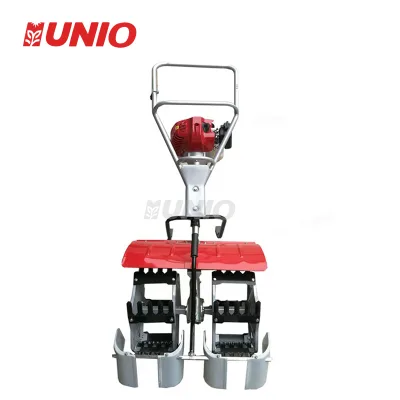
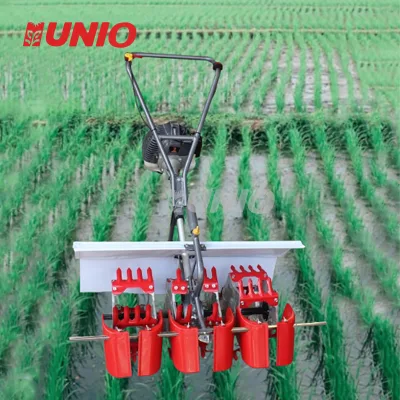
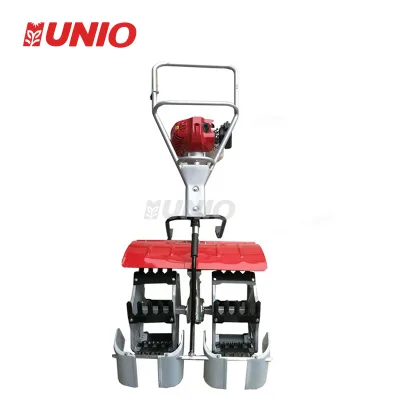
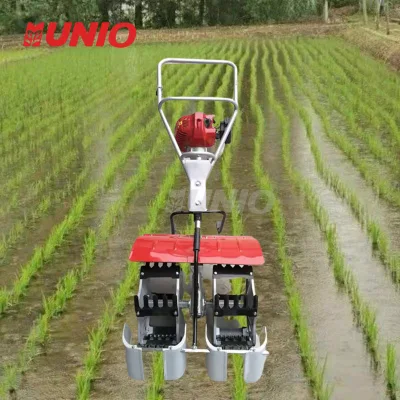
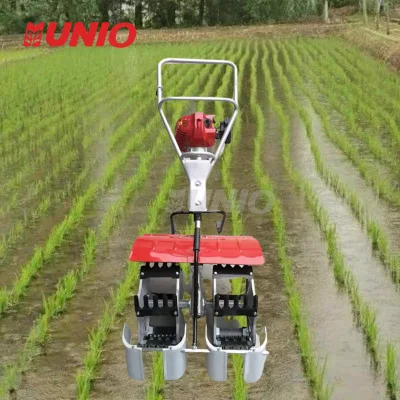
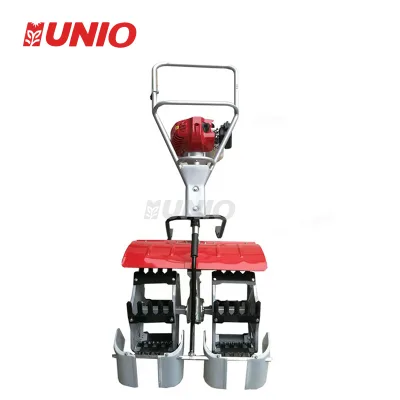
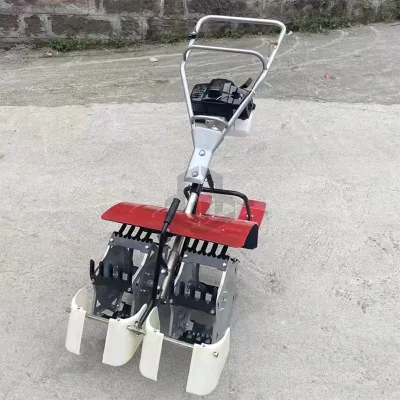
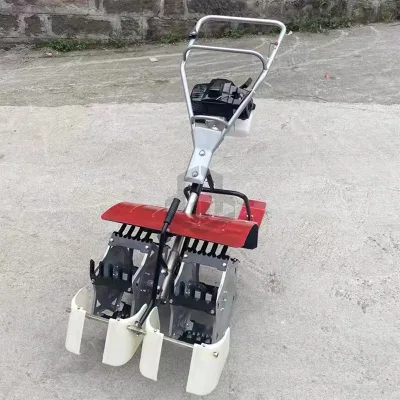
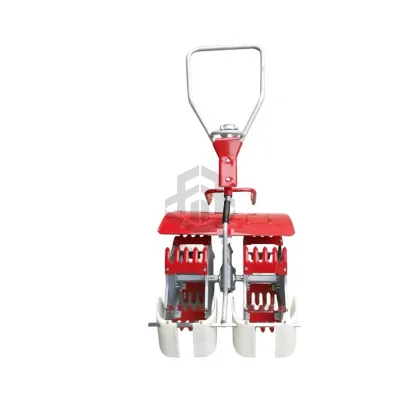
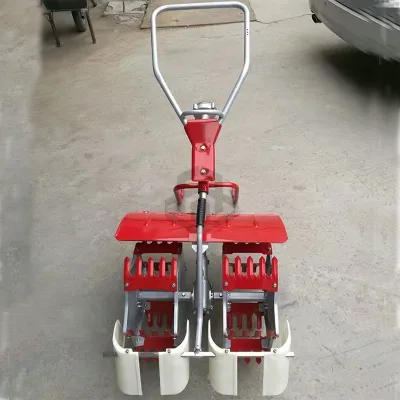
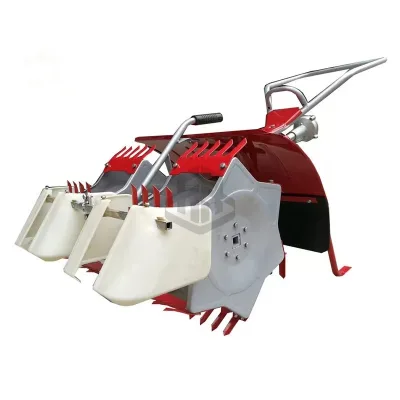
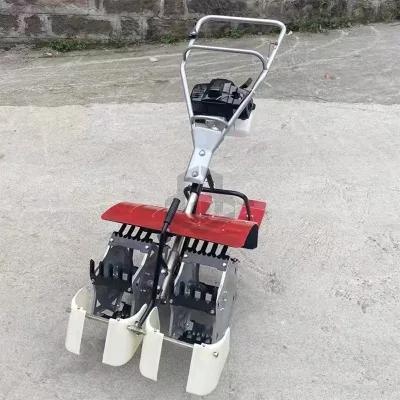
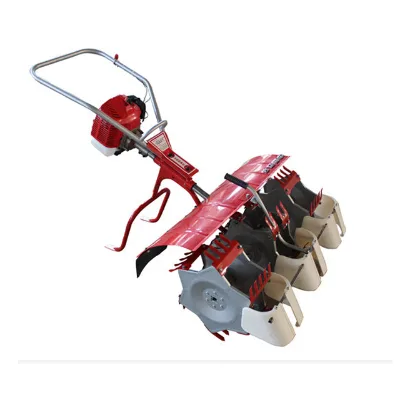
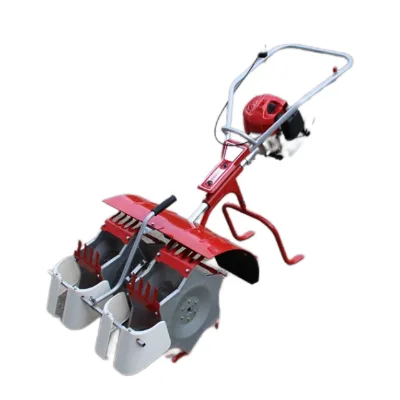
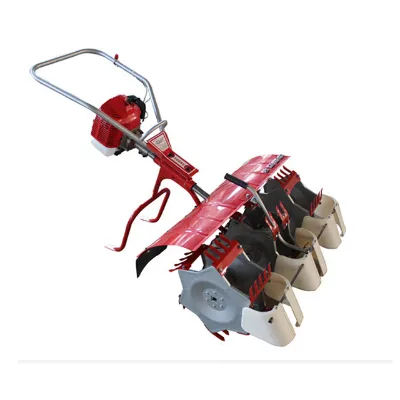
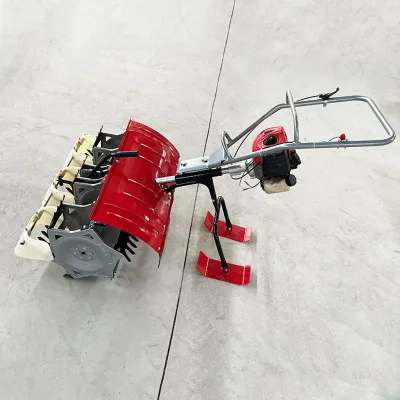
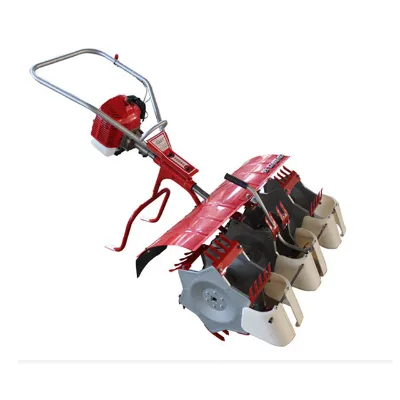
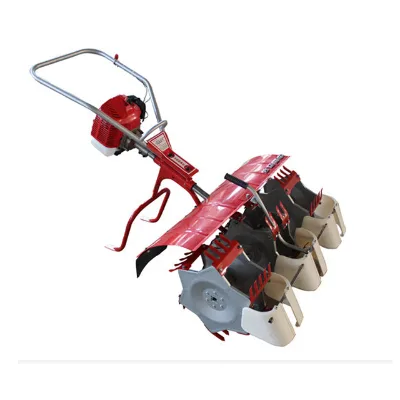


Rotary Grass Cutter Power Weeder by 7HP or 9HP Gasoline Engine for Heavy Grass
$348.00 - $398.00
MOQ: 1 Pieces

High-Quality Farm Equipment 6.5HP Gasoline Rotary Cultivator Mini Weeder
$158.00 - $168.00
MOQ: 20 Pieces


Comprehensive Sourcing Guide
Gasoline Lightweight Rice Weeder Sourcing Guide
Sourcing agricultural machinery for paddy fields requires a careful balance between mechanical efficiency and ergonomic design, particularly when selecting equipment for wetland environments. The Gasoline Lightweight Rice Weeder represents a specialized category of farm cultivators designed to reduce manual labor while maintaining high productivity in rice cultivation. Buyers must navigate a market where product attributes vary significantly across suppliers, often overlapping with general-purpose grass trimmers or multi-row cultivators. Understanding the specific technical signals and commercial terms associated with these machines is essential for securing equipment that meets the rigorous demands of paddy field operations without incurring unnecessary logistical or operational risks.
This guide provides evidence-based procurement advice for buyers evaluating gasoline-powered weeding machines. It focuses on interpreting observed listing data, verifying critical technical specifications, and establishing robust quality control measures. By adhering to the principles outlined herein, procurement teams can mitigate the risks associated with mismatched equipment, ensure compliance with safety standards, and optimize total cost of ownership. The following sections detail the necessary steps for validating supplier claims, assessing mechanical integrity, and negotiating favorable commercial terms for these specialized agricultural tools.
Product Scope and Observed Listing Signals
The observed market for gasoline lightweight rice weeders reveals a diverse range of product configurations, primarily originating from manufacturing hubs in Shandong and Henan provinces. Listings indicate a price range of $99 to $3,800 USD, reflecting significant variation in build quality, engine power, and functional scope. The minimum order quantity (MOQ) typically spans from 1 to 20 units, suggesting flexibility for both small-scale farm operators and larger agricultural cooperatives. Buyers should note that while the core keyword emphasizes "lightweight" and "rice weeder," some listings may describe similar hardware as "gasoline grass trimmers" or "farm cultivators," requiring careful scrutiny of the intended application to ensure compatibility with paddy field conditions.
Product attributes observed in the market highlight key differentiators such as engine type, weight, and working width. Common specifications include gasoline-powered engines ranging from 2 HP to 1500W, with machine weights varying from 24 kg to 45 kg. Dimensions also differ substantially, with some compact models measuring approximately 760x400x400 mm, while larger units extend to 1550x550x400 mm. These variations directly impact maneuverability and suitability for narrow paddy rows. Buyers must verify that the listed dimensions and weight align with their specific field conditions and operator capabilities, as heavier units may offer stability but reduce ease of transport, while lighter models might lack the torque necessary for dense weed growth.
Technical Specifications to Verify
Engine performance and power transmission are critical factors in determining the efficacy of a rice weeder. Buyers should verify the exact engine power rating, which may be listed in horsepower (HP) or kilowatts (kW), and confirm whether the core components include a dedicated engine or motor. For instance, some models specify a 2 HP gasoline engine, while others list 1500W or 1.46 kW, indicating potential differences in fuel efficiency and torque output. It is essential to ensure that the power type matches the operational requirements, as gasoline engines generally provide the autonomy needed for remote field work without access to electrical infrastructure. Additionally, the number of rows handled, such as 2-row or 3-row configurations, should be matched to the spacing of the rice paddies to maximize coverage and minimize missed areas.
Dimensional accuracy and structural integrity are equally important for long-term reliability. The working width, often specified as 170mm x 2, dictates the machine's capacity to clear weeds in a single pass. Buyers must verify the overall dimensions, including length, width, and height, to ensure the machine fits within storage facilities and transport vehicles. For example, models with dimensions around 1100x650x800 mm or 1350x540x890 mm require different handling protocols compared to more compact units. Furthermore, the machine type, whether classified as a rice paddy weeding machine or a general cultivator, should be confirmed to ensure that the tines or blades are designed for wetland soil conditions rather than dry land, which could lead to premature wear or inefficient performance.
Compliance and Safety Documentation
Documentation verification is a non-negotiable aspect of sourcing agricultural machinery, particularly when dealing with gasoline-powered equipment. Buyers should request machinery test reports, which are often provided by reputable suppliers, to validate the performance and safety of the engine and mechanical components. These reports should include data on vibration levels, noise emissions, and structural stress tests, ensuring that the machine meets international safety standards for agricultural equipment. Additionally, buyers must confirm that the supplier provides clear operating manuals and maintenance guides, which are crucial for training operators and preventing misuse that could lead to accidents or equipment failure.
Warranty terms and after-sales support are vital indicators of supplier confidence in their product. A standard warranty period of one year is commonly observed, but buyers should scrutinize the coverage details to understand what components are included and what voids the warranty. It is advisable to verify whether the supplier offers spare parts availability, particularly for high-wear items like engine filters, tines, and belts. Buyers should also inquire about the supplier's response time for technical support and repair services, as downtime during the planting or weeding season can have significant financial implications. Ensuring that the supplier has a robust support network in the buyer's region can mitigate risks associated with mechanical failures and extend the operational lifespan of the machine.
Cost Drivers and Commercial Terms
The total cost of ownership for a Gasoline Lightweight Rice Weeder extends beyond the initial purchase price, encompassing factors such as shipping, customs duties, and ongoing maintenance. The observed price range of $99 to $3,800 USD suggests that buyers should evaluate the cost relative to the machine's specifications, such as engine power, weight, and build quality. Lower-priced models may compromise on material durability or engine efficiency, leading to higher long-term costs. Buyers should request detailed quotations that break down the unit price, shipping costs, and any applicable taxes or duties, ensuring transparency in the final landed cost.
Commercial terms, including payment methods and delivery schedules, also play a significant role in the procurement process. Buyers should negotiate favorable payment terms, such as partial upfront payments with the balance due upon delivery or inspection, to mitigate financial risk. Lead times can vary based on production capacity and order volume, so it is essential to confirm the expected delivery date and any penalties for delays. Additionally, buyers should consider the MOQ requirements, as ordering larger quantities may offer volume discounts but increases inventory holding costs. Balancing these factors allows buyers to optimize cash flow and ensure timely availability of equipment for critical farming seasons.
Supplier Qualification and Quality Control
Supplier qualification is the first line of defense against procurement risks, requiring a thorough assessment of the manufacturer's capabilities and reputation. Buyers should verify the supplier's place of origin, with Shandong and Henan being common manufacturing regions for agricultural machinery in China. It is advisable to request business licenses, factory audits, and references from previous clients to gauge the supplier's reliability and production capacity. Suppliers that provide machinery test reports and have a history of exporting similar products are generally more trustworthy, as they have demonstrated compliance with international standards and quality expectations.
Quality control measures should be implemented throughout the production and delivery process to ensure that the received machines meet the specified requirements. Buyers should consider hiring third-party inspection services to conduct pre-shipment inspections, verifying that the machines match the agreed-upon specifications in terms of dimensions, weight, and engine performance. Random sampling and functional testing of the weeding mechanisms can identify potential defects before the goods are shipped. Additionally, buyers should establish clear communication channels with the supplier to address any discrepancies promptly, ensuring that any necessary corrections or replacements are handled efficiently to avoid project delays.
Long-Term Procurement Checks
Long-term procurement success depends on continuous monitoring of supplier performance and product reliability. Buyers should track key performance indicators such as delivery punctuality, product defect rates, and after-sales service responsiveness to identify trends and areas for improvement. Regular feedback from end-users, including farmers and field operators, is invaluable for assessing the machine's practical performance in real-world conditions. This feedback can inform future purchasing decisions, helping buyers refine their specifications and select suppliers that consistently deliver high-quality equipment.
Sustainability and adaptability are also important considerations for long-term procurement strategies. Buyers should evaluate the supplier's commitment to environmental standards, such as emissions compliance for gasoline engines, and their ability to adapt to evolving agricultural technologies. As regulations tighten and technology advances, suppliers that invest in research and development are more likely to offer improved products that meet future needs. By maintaining a strategic relationship with qualified suppliers and staying informed about industry developments, buyers can ensure a steady supply of reliable, efficient, and compliant rice weeders for their agricultural operations.
FAQs
What is the power type of the rice paddy weeder?
The machine uses gasoline as its power type. It is available in models with 2 HP or 1500 Watt engines, designed specifically for rice field cultivation and weeding tasks.
Which brands are available for this gasoline weeder?
Available brands include UNIO, fc, and BSM. These manufacturers produce lightweight and labor-saving machines suitable for farm cultivator applications in rice paddies.
How much does the rice weeder weigh?
Weights vary by model, ranging from 24 kg to 45 kg. Specific units listed include a 25 kg model, a 30 kg unit, and a 35 kg version, ensuring lightweight operation.
Can I find a weeder with a 3-row capacity?
Yes, a 3-row model is available with the model number UO-PD-1 or UO-PD-2. This configuration offers high productivity for larger scale rice field weeding operations.
What is the warranty period for the machine?
The standard warranty period is 1 Year. This coverage applies to the core components like the engine and ensures reliability for farm cultivator users.
Where are these gasoline weeder machines manufactured?
Machines originate from Shandong and Henan in China. These locations are the primary places of origin for the listed rice paddy weeding machines and cultivators.
What is the minimum order quantity for this product?
The minimum order quantity ranges from 1 to 20 units. Buyers can purchase single items or larger batches depending on their specific farm cultivation needs.