Source Gasoline Engine Oil Dipstick for Construction, Mining, and Repair
Find 30 Gasoline Engine Oil Dipstick options for construction machinery, mining equipment, and general repair applications. Compare specifications from suppliers in China and Germany, noting variations in material, certification, and origin to select the right part for your diesel or gasoline engine needs.
Key considerations
Products List


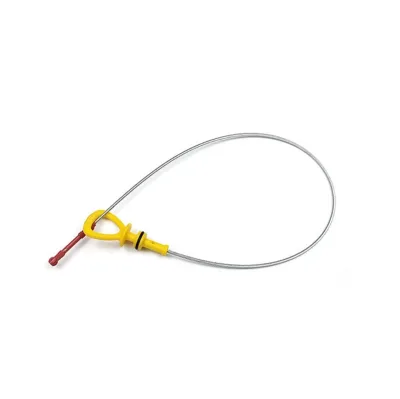

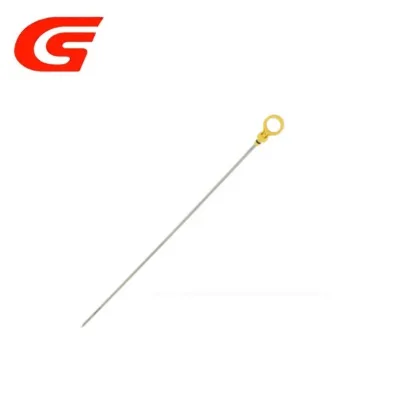
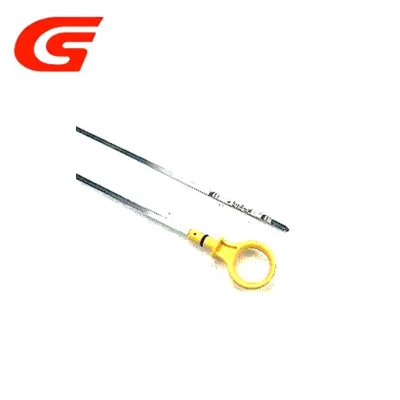
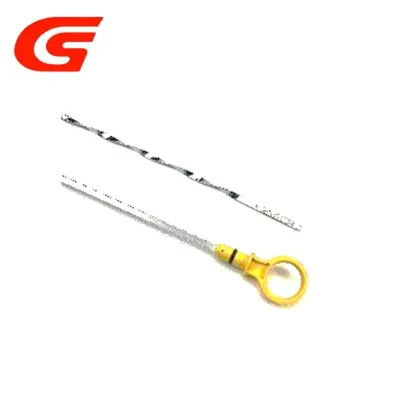
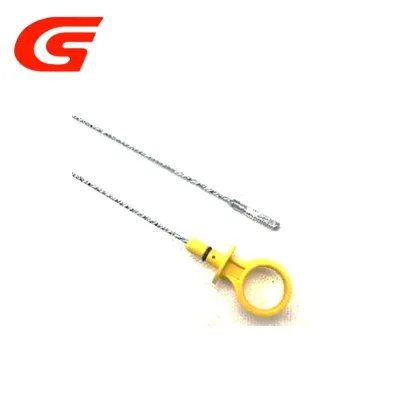
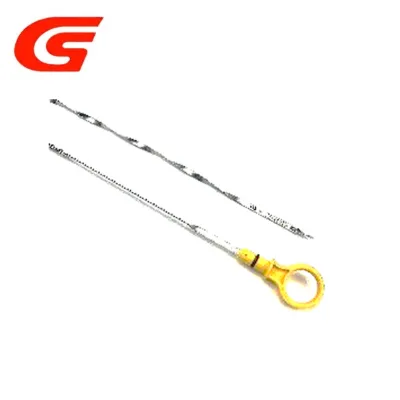
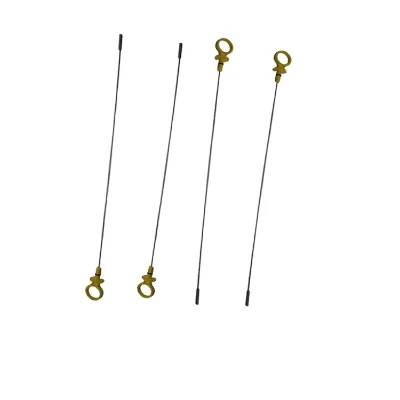
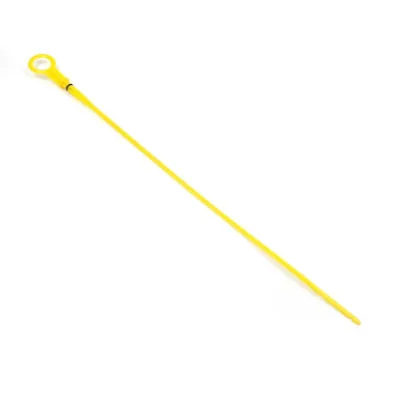


New High-Quality Hot Selling Diesel Engine Accessories Oil Dipstick 3347553
$12.00 - $15.00
MOQ: 1 Pieces

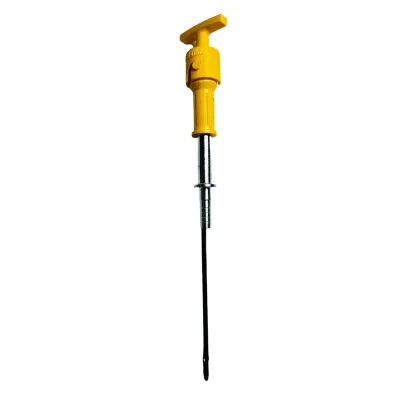
Comprehensive Sourcing Guide
Gasoline Engine Oil Dipstick Sourcing Guide
Sourcing gasoline engine oil dipsticks requires distinguishing between specific diesel and gasoline applications, as the supplied data highlights a mix of diesel engine components like the Tcd 3.6 and generic engine oil dipsticks. Buyers must carefully verify that the listed product matches the specific fuel type of their target machinery, as diesel and gasoline engines often utilize different dipstick geometries and material tolerances. The presence of multi-cylinder and specific model numbers like 1861464 suggests a broad inventory, but the fuel type remains a critical differentiator that cannot be assumed from general descriptions alone.
Procurement teams should prioritize suppliers who explicitly confirm compatibility with gasoline engines rather than relying on generic "engine oil dipstick" labels. The observed listings include components for construction and mining machinery, which often run on diesel, creating a potential mismatch for gasoline-powered equipment. To mitigate this risk, buyers must request detailed application charts that map specific part numbers to engine fuel types, ensuring that the purchased dipsticks will function correctly within the intended gasoline engine environment without causing measurement errors or sealing failures.
Product Scope and Observed Listing Signals
The market for engine oil dipsticks presents a wide variance in material composition, ranging from metal and iron to nylon and plastic injection molded parts. Buyers should expect to encounter handles made from plastic or steel tubes such as SUS 304 and 65mn, which directly impact durability and resistance to harsh operating environments. The observed production methods include both plastic injection and stamping, indicating that the final product quality depends heavily on the specific manufacturing process selected for the intended application.
Listing signals also reveal diverse packaging standards, from individual bags containing five pieces to bulk pallet shipments, which influences logistics planning and inventory management. The observed price range of 0.3 to 50 USD reflects this variability, driven by factors such as material grade, customization availability, and the complexity of the surface treatment process. Buyers must align their procurement strategy with these signals, ensuring that the selected dipsticks meet the specific mechanical and environmental requirements of their fleet or production line.
Technical Specifications to Verify
Technical verification begins with confirming the exact model number and standard component status, as listings show specific identifiers like 04125474 and 1515985 alongside universal standards. The physical dimensions and weight, such as the observed 0.014kg specification, are critical for ensuring proper fitment within the engine block and oil pan. Buyers must cross-reference these specifications against their original equipment manufacturer (OEM) requirements to avoid issues with insertion depth or reading accuracy during routine maintenance checks.
Surface treatment and connection types are equally vital, with options ranging from coated finishes to untreated surfaces and female connections. The presence of drawing force tests in the data suggests that tensile strength and resistance to pulling are key performance indicators for these components. Procurement teams should demand test results or certification of these mechanical properties to ensure the dipstick can withstand repeated insertion and removal cycles without bending or breaking, particularly in high-vibration environments common in construction and mining machinery.
Compliance and Safety Documentation
Compliance verification is essential when dealing with components that may carry certifications like IATF or ISO, as these indicate adherence to international quality management systems. The observed listings mention certifications such as IATF and ISO, which are crucial for suppliers serving automotive and heavy machinery sectors where regulatory compliance is mandatory. Buyers must request valid, up-to-date certificates to ensure that the manufacturing facility maintains the necessary quality controls and that the products meet the safety standards required for their specific market.
Safety documentation also extends to the material composition and origin of the dipsticks, with origins ranging from China to Germany and specific regions like Jinan and Guangdong. The distinction between original and copy quality, as noted in the listings, necessitates a rigorous review of material safety data sheets and origin verification. Buyers should ensure that the materials used, such as iron or nylon, do not contain hazardous substances and that the manufacturing process complies with environmental and safety regulations in the destination country.
Cost Drivers and Commercial Terms
Cost drivers for gasoline engine oil dipsticks are heavily influenced by material selection, customization options, and the complexity of the production process. The availability of customization suggests that tailored solutions will command a premium over standard off-the-shelf items, while the use of high-grade materials like SUS 304 steel will increase the base unit cost. Buyers must evaluate the total cost of ownership, considering that lower initial prices may correlate with reduced durability or higher failure rates in demanding applications.
Commercial terms such as minimum order quantities (MOQ) and lead times vary significantly, with observed ranges from 1 to 3000 units. The packaging format, whether in cartons, pallets, or bags, also impacts shipping costs and storage efficiency. Procurement teams should negotiate terms that balance volume discounts with flexibility, ensuring that the supplier can meet demand fluctuations without incurring excessive penalties or delays, particularly when sourcing from international locations with varying lead times.
Supplier Qualification and Quality Control
Supplier qualification requires a thorough assessment of their production capabilities, including their experience with casting, stamping, and plastic injection molding processes. The observed data indicates that suppliers may offer both original and copy quality products, making it imperative to verify their quality control protocols and inspection procedures. Buyers should request evidence of their ability to maintain consistent quality across large batches, especially when dealing with critical engine components where failure can lead to significant operational downtime.
Quality control checks should include verification of the drawing force test results and surface treatment consistency, as these factors directly affect the longevity and performance of the dipstick. Suppliers with a track record of serving major brands like Deutz or producing for universal applications are often better equipped to handle complex quality requirements. Buyers must establish clear acceptance criteria and conduct regular audits to ensure that the supplier consistently delivers products that meet the specified technical and quality standards.
Long-Term Procurement Checks
Long-term procurement success depends on establishing a robust relationship with suppliers who can provide consistent quality and reliable supply chain support. Buyers should implement a system for tracking performance metrics, such as defect rates and delivery timeliness, to identify potential issues before they impact production. Regular reviews of supplier performance against the agreed-upon standards and specifications will help maintain high levels of quality and ensure that the dipsticks continue to meet the evolving needs of the engine fleet.
It is also crucial to monitor changes in standards and certifications, as the industry landscape is subject to frequent updates. Buyers should stay informed about new regulations or technological advancements that may affect the design or material requirements of engine oil dipsticks. By maintaining open communication with suppliers and staying proactive about compliance and quality, procurement teams can ensure a stable and efficient supply chain that supports the long-term operational goals of their organization.
FAQs
What materials are used for gasoline engine oil dipsticks?
Gasoline engine oil dipsticks are typically constructed from metal, iron, or nylon. Some designs incorporate plastic injection and stamping processes for the handle. The material choice depends on the specific application and durability requirements, with metal and iron being common for the main shaft to withstand engine heat and oil exposure.
Can I customize the Gasoline Engine Oil Dipstick design?
Yes, customization is available for many gasoline engine oil dipsticks. Buyers can often specify dimensions, handle materials, and surface treatments like coating. This allows for tailored solutions that fit specific engine models or branding needs, ensuring the dipstick meets precise operational and aesthetic requirements for the end product.
What certifications are required for gasoline engine oil dipsticks?
Certifications such as IATF and ISO are commonly required for gasoline engine oil dipsticks to ensure quality and safety standards. These certifications verify that the manufacturing processes meet international benchmarks. Buyers should verify specific certification requirements with suppliers to ensure compliance with industry regulations and customer expectations for automotive components.
How is the Gasoline Engine Oil Dipstick packaged for shipping?
Gasoline engine oil dipsticks are typically packaged in cartons or on pallets for bulk shipping. Some smaller quantities may be packed in bags, such as five pieces per bag. The packaging method is chosen to protect the product during transit and to facilitate efficient handling and storage at the destination warehouse or factory.
What is the typical warranty period for gasoline engine oil dipsticks?
The typical warranty period for gasoline engine oil dipsticks is often 12 months. This warranty covers defects in materials and workmanship under normal use. Buyers should confirm the specific warranty terms with the supplier, as conditions may vary based on the product quality, usage, and the specific agreement between the buyer and manufacturer.
Which brands manufacture gasoline engine oil dipsticks?
Various brands manufacture gasoline engine oil dipsticks, including GAK and Deutz. These brands offer products for different engine types and applications. Buyers can choose from original or copy parts depending on their needs. The brand selection often depends on compatibility with specific vehicle models and the desired level of quality and performance.