Source Gasoline Powered Weed Straw Crusher for Livestock
Find and compare 30 Gasoline Powered Weed Straw Crusher models from Chinese manufacturers. These machines feature vertical or horizontal shafts, swing blades, and gear drives for efficient forage processing in large-scale breeding and mountain farming applications; compare the available evidence and request quotations based on your requirements.
Key considerations
Products List


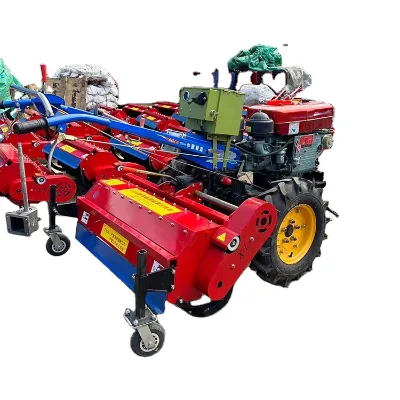
Farm Grass Cutter Straw Crusher
$245.00 - $590.00
MOQ: 1 Sets
Shandong Liying Agricultural Technology Development Co., Ltd.

Straw Crusher Mini Power Tiller Grass Crusher
$230.00 - $590.00
MOQ: 1 Sets
Shandong Liying Agricultural Technology Development Co., Ltd.

Grass Crusher Straw Crusher Farm Power Tiller
$230.00 - $590.00
MOQ: 1 Sets
Shandong Liying Agricultural Technology Development Co., Ltd.

178 Diesel Power Rotary Tiller Farm Weeder Straw Crusher
$210.00 - $720.00
MOQ: 1 Pieces
Shandong Liying Agricultural Technology Development Co., Ltd.


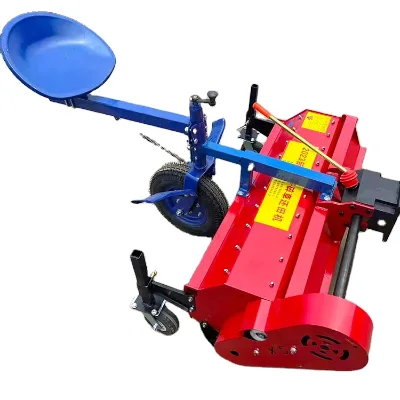


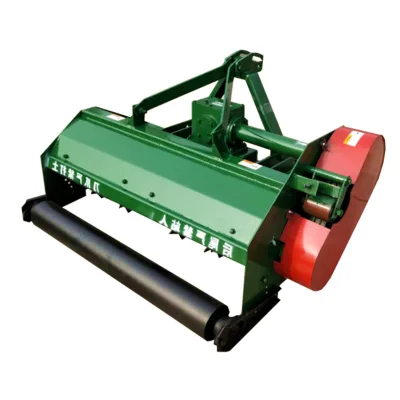
$15000.00 - $300000.00
MOQ: 1 Pieces



Comprehensive Sourcing Guide
Gasoline Powered Weed Straw Crusher Sourcing Guide
Procuring a gasoline-powered weed straw crusher requires a clear understanding of the distinct mechanical categories available in the current market. The observed product landscape reveals two primary classifications: large-scale industrial feed hammer mills designed for high-volume throughput and smaller, multifunctional pastoral management machines intended for field-level operations. Buyers must first determine whether their operational needs align with stationary, high-capacity processing units or mobile, tractor-mounted implements. This distinction is critical because the power sources, drive mechanisms, and physical footprints of these machines vary significantly, directly impacting installation requirements and operational logistics.
The decision also hinges on the specific processing technics and target application scope. While some units are optimized for crushing-before-mixing forage and straw in large-scale breeding industries, others are engineered for stubble management in mountainous or dry cultivating environments. Understanding this divergence ensures that the selected equipment matches the intended workflow, whether it involves processing livestock feed or managing agricultural residue. Misalignment between the machine’s design intent and the buyer’s actual use case can lead to inefficiencies, excessive wear, or inadequate performance in the field.
Product Scope and Observed Listing Signals
The current market listings indicate a wide variance in product specifications, with observed prices ranging from $100 to $30,000 USD and minimum order quantities typically between one and ten units. This broad range reflects the diversity of equipment, from lightweight, manual-start models weighing as little as 90 kg to heavy-duty industrial units exceeding 5,300 kg. Buyers should note that while some listings highlight high productivity and large capacities up to 20 tons per hour, others focus on portability and multifunctional pastoral management. This disparity underscores the importance of carefully reviewing the technical data sheets to ensure the selected unit meets the specific throughput and weight requirements of the project.
Key selling points frequently emphasized in listings include high productivity, customization options, and OEM acceptance, which are vital for buyers seeking tailored solutions. The presence of screen mesh in some models suggests a focus on particle size control, which is essential for consistent feed quality or uniform stubble height. Additionally, the availability of both vertical and horizontal shaft configurations indicates that buyers can select machinery based on their preferred mechanical drive and maintenance accessibility. These signals help buyers identify suppliers who are flexible and capable of adapting standard designs to meet specific operational constraints or regional regulatory requirements.
Technical Specifications to Verify
When evaluating technical specifications, buyers must prioritize the power source and drive type to ensure compatibility with existing infrastructure. While some industrial units rely on electric motors and gearboxes, smaller pastoral machines often utilize gasoline engines, such as the 9HP models observed, with manual recoil or electric starters. The drive type, whether gear drive, belt drive, or V-belt transmission, significantly affects maintenance frequency and power transfer efficiency. Verifying the engine type and transmission mechanism is crucial, as mismatched power sources can lead to operational failures or increased fuel consumption, particularly in remote or off-grid locations where electricity may not be readily available.
Physical dimensions and working parameters are equally critical for integration into the buyer’s workflow. Listings show working widths ranging from 40 cm to 100 cm, with stubble heights adjustable between 40 mm and 100 mm, allowing for precise control over crop residue management. The weight of the equipment, which can vary from 90 kg to 5,300 kg, dictates the need for additional handling equipment or structural support. Buyers should also verify the gear oil capacity and blade configuration, such as the 32 swing or serrated blades observed, to ensure the machine can handle the specific density and type of vegetation or straw being processed without excessive wear or jamming.
Compliance and Safety Documentation
Compliance with international standards is a primary concern for buyers importing agricultural machinery, particularly regarding safety and environmental regulations. Many observed listings highlight certifications such as CE, ISO, and ECE, which are essential for market access in Europe and other regulated regions. Buyers must verify that the provided certification documents are valid and correspond to the specific model being purchased, as certifications are often model-specific and not blanket approvals for all products from a supplier. Ensuring that the machinery meets the relevant safety directives for moving parts, noise emissions, and exhaust systems is critical to avoid customs delays or legal liabilities in the destination market.
Beyond formal certifications, buyers should request detailed safety manuals and operational guidelines that align with local labor laws and safety protocols. The presence of key components like gearboxes and motors requires clear maintenance schedules and safety interlocks to prevent accidental activation during servicing. Buyers should also confirm that the machine’s voltage and power requirements, if applicable, match the local electrical grid standards, even for gasoline-powered units that may have electric starter systems. Proper documentation ensures that operators can safely and efficiently use the equipment, reducing the risk of accidents and extending the machine’s operational lifespan.
Cost Drivers and Commercial Terms
The total cost of ownership for a gasoline-powered weed straw crusher is influenced by several factors beyond the initial purchase price, including customization, shipping, and after-sales support. Listings indicate that customization is available, which can increase the upfront cost but may reduce long-term operational expenses by optimizing the machine for specific tasks. Buyers should also consider the weight and dimensions of the equipment, as heavier units like the 5,300 kg industrial mills incur higher shipping and handling costs compared to lighter, portable models. Understanding these cost drivers helps buyers budget accurately and avoid unexpected expenses during the procurement and logistics phases.
Commercial terms such as minimum order quantities, payment methods, and warranty policies play a significant role in the procurement process. With observed MOQs ranging from one to ten units, buyers have flexibility to test smaller batches before committing to larger orders. However, buyers should negotiate clear warranty terms for core components like the gearbox and motor, as these are critical to the machine’s functionality. Additionally, verifying the supplier’s OEM acceptance and customization capabilities can provide leverage in negotiating better pricing or tailored support packages, ensuring that the investment aligns with the buyer’s long-term operational goals and budget constraints.
Supplier Qualification and Quality Control
Supplier qualification is a critical step in ensuring the reliability and quality of the purchased machinery. Buyers should verify the supplier’s manufacturing capabilities, particularly their ability to produce steel-based equipment with robust core components like gearboxes and motors. The observed origin of many units in Shandong, China, suggests a concentration of manufacturing expertise in this region, but buyers must still conduct due diligence to confirm the supplier’s production capacity and quality control processes. Requesting factory audits or third-party inspection reports can provide valuable insights into the supplier’s ability to maintain consistent quality standards across different production batches.
Quality control measures should extend to the final product inspection, focusing on critical attributes such as blade sharpness, shaft alignment, and engine performance. Buyers should specify acceptance criteria for key selling points like high productivity and operational stability, ensuring that the delivered machine meets these claims. Additionally, verifying the packaging standards, such as the wooden box per set observed, helps protect the equipment during transit and reduces the risk of damage. Establishing a clear quality assurance protocol with the supplier ensures that any defects or discrepancies are identified and resolved before the equipment is deployed in the field.
Long-Term Procurement Checks
Long-term procurement success depends on establishing a sustainable supply chain that supports ongoing maintenance and spare parts availability. Buyers should verify the supplier’s commitment to providing replacement parts for wear items like blades, belts, and filters, which are essential for minimizing downtime. The observed working speed and stubble height adjustments suggest that regular maintenance is required to maintain optimal performance, making a reliable spare parts supply chain crucial. Buyers should also inquire about the supplier’s technical support capabilities, including remote troubleshooting and on-site service options, to ensure that any operational issues can be resolved quickly and efficiently.
Furthermore, buyers should monitor the supplier’s ability to adapt to changing market demands and regulatory requirements. As environmental and safety standards evolve, suppliers must be able to update their products to remain compliant. Buyers should establish a long-term partnership with suppliers who demonstrate a commitment to innovation and continuous improvement, ensuring that the machinery remains relevant and effective over time. Regular performance reviews and feedback loops can help identify areas for improvement and strengthen the buyer-supplier relationship, leading to better pricing, priority service, and access to new technologies in the future.
FAQs
What is the maximum capacity of the straw bale crusher?
The maximum capacity is 20 tons per hour. This high productivity level supports large-scale breeding industry applications. The machine processes forage and straw efficiently using crushing-before-mixing technics. It is designed for heavy-duty animal and poultry feeding operations. The robust steel construction ensures durability during continuous industrial use.
Can the voltage be customized for specific power requirements?
Yes, voltage customization is available for this grinding equipment. Buyers can specify their preferred electrical standards to match local infrastructure. The machine accepts customization to ensure seamless integration into existing facilities. This flexibility supports diverse operational environments across different global markets. Contact suppliers to confirm compatible voltage options for your site.
What certifications does the straw crusher hold for safety?
The equipment holds ISO and CE certifications. These standards verify compliance with international safety and quality requirements. Some models also feature EU and ECE certifications for broader market access. These credentials assure buyers of reliable manufacturing processes and component quality. Verify specific certification documents with suppliers before finalizing procurement decisions.
How is the machine transported and packaged for delivery?
The machine is packed in a wooden box per set. This secure packaging protects the equipment during international shipping. The standard product size is 102 by 57 by 81 cm. This compact packaging facilitates efficient logistics and handling at destination ports. Ensure your freight forwarder accounts for the wooden crate dimensions.
What is the weight of the straw bale crusher unit?
The unit weighs 5300 kilograms. This substantial weight indicates a heavy-duty steel construction. The machine is designed for stable operation during high-capacity grinding. Buyers should arrange appropriate lifting equipment for installation. The weight also contributes to vibration dampening during processing forage and straw.
Is OEM service available for custom branding or specifications?
Yes, OEM services are accepted for this product. Manufacturers can accommodate custom branding and specific technical modifications. This allows buyers to align the equipment with their corporate identity. Customization extends to voltage and other operational parameters. Discuss your specific OEM requirements directly with verified suppliers.