Source Gear and Rack Elevator Leveling Sensor for Villas, Apartments, Sports Venues
Find 30 verified Gear and Rack Elevator Leveling Sensor options from Chinese manufacturers. Compare specifications like speed, capacity, and control modes to select the right leveling sensor for elevators in villas, apartments, and sports venues.
Key considerations
Products List


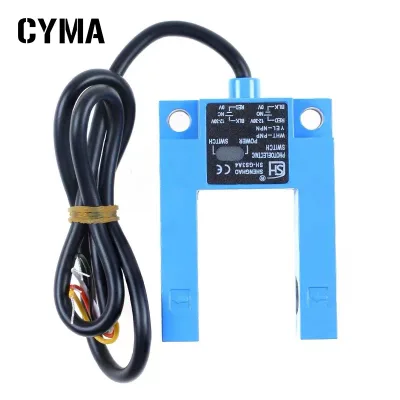


New and Original Elevator Level Inductor Elevator Load Leveling Sensor Switch
$0.99 - $9999.00
MOQ: 1 Pieces


Elevator Switch Elevator Leveling Sensor Haa21752A1 Haa21752c6 Haa21752D1
$25.00 - $35.00
MOQ: 1 Pieces


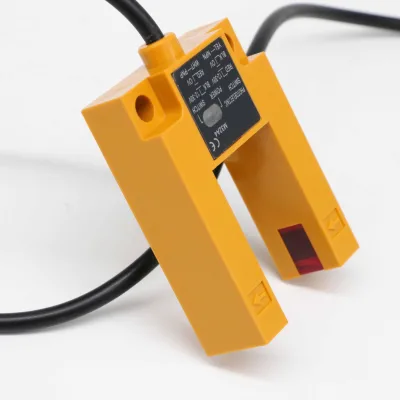


Elevator Motion Control Sensor Lift Automation Sensor for Position Detection
$700.00 - $750.00
MOQ: 50 Pieces


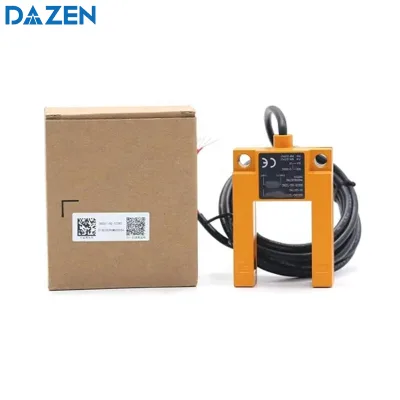
Comprehensive Sourcing Guide
Gear and Rack Elevator Leveling Sensor Sourcing Guide
Procuring a Gear and Rack Elevator Leveling Sensor requires a precise understanding of the specific mechanical environment in which the device operates. Unlike standard traction elevators, gear and rack systems often operate at lower speeds, typically ranging from 1.00 to 2.00m/s, which dictates the response time and sensitivity required for the leveling sensor. Buyers must verify that the selected sensor is explicitly compatible with the driving type of their elevator system, as the mechanical engagement between the rack and pinion creates unique vibration and alignment challenges that standard sensors may not address.
The sourcing landscape for these components includes specialized manufacturers who offer customization to match specific elevator models. Observed product listings indicate that suppliers provide various model numbers, such as the SFL12A-55 or generic designations like "elevator leveling sensor," suggesting a need for careful model matching rather than generic substitution. Procurement teams should prioritize suppliers who explicitly state their business type as a manufacturer, as this often correlates with better technical support and the ability to customize the sensor for non-standard rack geometries or control modes like group control.
Product Scope and Observed Listing Signals
When evaluating product listings, buyers should look for specific attributes that confirm the sensor's suitability for gear and rack applications. Key signals include the explicit mention of "Gear and Rack Elevator" as the driving type and the presence of a deceleration device, which is critical for the smooth stopping required in these systems. Listings that specify a speed range of 1.00 to 2.00m/s are the most relevant, as sensors designed for higher-speed traction elevators may fail to provide the necessary precision for the slower, more torque-intensive movements of rack-driven cars.
The physical characteristics and packaging of the sensor also serve as important indicators of product quality and intended use. Observed data shows that these components are often packaged in standard export packing boxes, cases, or trays, with a typical weight around 1kg and constructed from durable metal materials. Buyers should verify that the product name aligns with the function, such as "Leveling Sensor" or "Levelling Sensor Inductor," and check for the presence of specific model numbers like Fx-121 or Fx-122, which may indicate different sensitivity levels or mounting configurations suitable for various elevator door types, including center opening doors.
Technical Specifications to Verify
The primary technical verification step involves confirming the load capacity and the specific control mode compatibility of the sensor. While some elevator systems operate with a load capacity of 1000kg, the sensor itself must be rated to handle the mechanical stress of the gear and rack mechanism without signal degradation. Buyers must ensure the sensor supports the specific control mode of their installation, such as signal control or group control, as the communication protocol between the sensor and the elevator controller is critical for achieving the precise leveling accuracy required for passenger safety and comfort.
Mounting and physical dimensions are equally critical, as the sensor must fit within the confined spaces often found in gear and rack elevator shafts. Specifications such as the model number CEP or the standard dimensions of 202010 should be cross-referenced with the physical constraints of the elevator car and machine room. Additionally, the presence or absence of a computer room, which can be either without a computer room or located up, influences the cabling and signal transmission requirements, necessitating a sensor design that accommodates the specific layout of the installation site.
Compliance and Safety Documentation
Safety compliance for elevator leveling sensors is paramount, and buyers must demand documentation that aligns with international safety standards. While specific certification status should be verified on a case-by-case basis, the industry standard often references EN 81-20/50 for elevator safety. Procurement teams should request evidence that the sensor meets these rigorous safety requirements, ensuring that the device will not introduce hazards during the deceleration and leveling phases of the elevator's operation.
In addition to safety standards, environmental and material compliance is essential for long-term reliability. Buyers should verify that the sensor materials, typically metal, are treated to resist corrosion and wear in the elevator shaft environment. Certifications such as ISO9001 are frequently observed in the supply chain and serve as a baseline indicator of a manufacturer's quality management system. However, buyers should not assume compliance based solely on the presence of a certificate; they must request specific test reports or declarations of conformity that link the certification to the specific model of the leveling sensor being purchased.
Cost Drivers and Commercial Terms
The cost of a Gear and Rack Elevator Leveling Sensor is influenced by several factors, including the level of customization required and the specific technical specifications of the model. Prices in the market can vary significantly, ranging from low-cost standard units to premium customized solutions, with observed listing prices spanning a wide range. Buyers should understand that higher costs often correlate with advanced features such as enhanced durability, specific mounting configurations, or integration with complex control systems like group control.
Commercial terms, including minimum order quantities (MOQ) and payment conditions, play a significant role in the total cost of ownership. Observed MOQs typically range from 1 to 50 units, allowing for flexibility in procurement for both small repair projects and large-scale installations. Buyers should also consider the after-sales service capabilities of the supplier, such as online technical support, onsite installation, and onsite inspection, as these services can reduce long-term operational costs by minimizing downtime and ensuring correct installation.
Supplier Qualification and Quality Control
Selecting a qualified supplier is the most critical step in ensuring the reliability of the leveling sensor. Buyers should prioritize manufacturers who demonstrate a clear business type as a producer rather than a trader, as this often ensures better access to technical expertise and quality control processes. The presence of a brand name, such as CYMA, and a track record of providing project solution capabilities, including graphic design and total solutions, can indicate a supplier's ability to handle complex procurement needs and provide comprehensive support.
Quality control measures should be a central part of the supplier evaluation process. Buyers must verify that the supplier adheres to strict quality standards, such as ISO9001, and has a robust process for testing and inspecting their products before shipment. The warranty period, often observed as 2 years, is a key indicator of the supplier's confidence in their product's durability. Additionally, buyers should assess the supplier's ability to provide detailed documentation, including material specifications and performance data, to ensure the sensor meets the specific requirements of the gear and rack elevator system.
Long-Term Procurement Checks
Establishing a long-term procurement strategy requires regular performance monitoring and maintenance planning for the leveling sensors. Buyers should implement a schedule for regular inspections and testing to ensure the sensors continue to function correctly over time, especially given the mechanical stresses inherent in gear and rack systems. The availability of after-sales services, such as onsite inspection and technical support, is crucial for addressing any issues that may arise during the operational life of the elevator.
Future-proofing the procurement process involves maintaining a relationship with suppliers who can provide updates and replacements as technology evolves. Buyers should verify that the supplier offers a range of models and customization options to accommodate future elevator upgrades or changes in control systems. By maintaining a clear record of the specific model numbers, specifications, and performance data of the installed sensors, procurement teams can ensure seamless replacements and minimize the risk of compatibility issues in the future.
FAQs
What models are available for gear and rack elevator leveling sensors?
Available models include Fx-121, Fx-122, YG-20, YG-19, YG-10a, CEP, SFL12A-55, and generic leveling sensor inductors. These components are designed for precise floor leveling in gear and rack elevator systems. Manufacturers offer customization options to match specific installation requirements. The products are typically made of metal for durability and are packed in standard export boxes or cases.
Can these sensors be customized for specific elevator projects?
Yes, customization is available for these elevator leveling sensors and switches. Manufacturers provide total solution capabilities including graphic design and cross-category consolidation. This allows buyers to tailor specifications for unique elevator door types, such as side or center opening doors. The design style is modern, and the products support various control modes like signal or group control for optimized performance.
What certifications do these elevator parts hold?
These elevator parts hold ISO9001 certification, ensuring quality management standards are met. Some listings also reference CE and RoHS compliance for broader market acceptance. The manufacturer operates as a verified business type with online technical support and onsite installation services. Buyers can rely on these certifications for compliance in international procurement, though specific test results should be verified with the supplier.
Where are these elevator leveling sensors manufactured?
These products are manufactured in Zhejiang, China, with a place of origin clearly stated as China. The supplier offers global transport via air or sea, ensuring worldwide delivery capabilities. With a warranty of two years and comprehensive after-sale service, buyers receive support for onsite inspection and technical assistance. The location supports efficient logistics for international B2B transactions.
What is the typical weight and packaging for these sensors?
The typical weight for these leveling sensors is approximately 1kg per unit. Packaging options include standard export packing boxes, cases, or trays depending on the specific model and order volume. The standard specification size is noted as 20*20*10, providing a compact form factor. This lightweight design facilitates easy handling and installation within elevator shafts and control rooms.
What is the load capacity for elevators using these sensors?
Elevators utilizing these leveling sensors typically support a load capacity of 1000kg, with some configurations ranging from 500 to 1000kg. These sensors are suitable for gear and rack elevator systems with speeds between 1.00 and 3.50m/s. They are designed for applications in sports venues, villas, and apartments, ensuring smooth operation and precise floor alignment for passenger comfort and safety.