Find Gear Drive Maize Combine Harvester for Corn, Wheat, and Soybean
Source 30 verified listings for the Gear Drive Maize Combine Harvester designed for efficient corn, wheat, and soybean harvesting. Buyers can compare specifications like engine type, transmission mode, and working speed to select the right equipment for their agricultural needs.
Key considerations
Products List


Mini Corn Stalk Harvesting Maize Combine Harvester
$11350.00 - $18800.00
MOQ: 1 Sets
Shandong Liying Agricultural Technology Development Co., Ltd.


Corn Maize Harvester Machine Maize Combine Harvester Harvest Machine
$38000.00 - $40700.00
MOQ: 1 Pieces


Low Price Sale Gear Drive High-Capacity Wheat Rice Combine Harvester
$2000.00 - $4000.00
MOQ: 1 Pieces

Agricultural Machinery Maize Harvesting Machine Corn Combine Harvester
$2542.00 - $11910.00
MOQ: 1 set

Agricultural Corn Seed Harvesting Combine Tractor Wheeled Maize Harvester
$2542.00 - $11910.00
MOQ: 1 set

Agricultural Machinery Maize Combine Harvester Machine Corn Harvester for Farm
$2542.00 - $11910.00
MOQ: 1 set


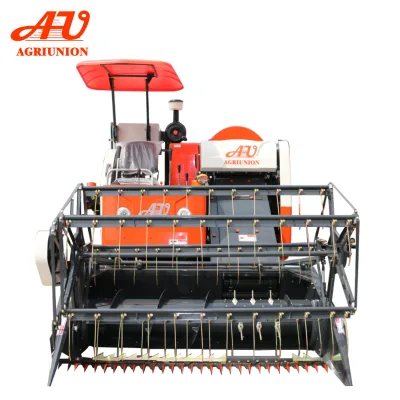


Walking Tractor Combine Wheat Maize Cultivator Harvester for Corn Harvester
$1580.00 - $3280.00
MOQ: 1 Pieces
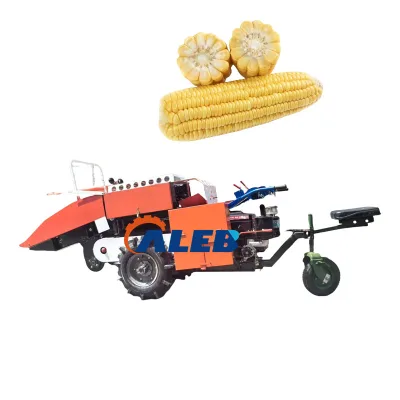
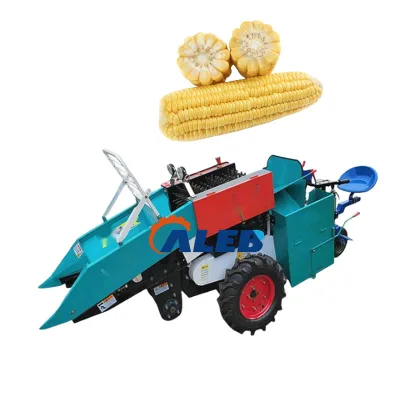
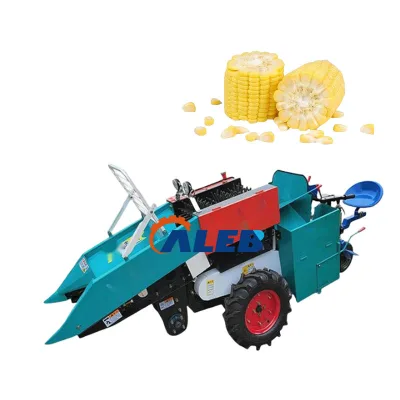
Comprehensive Sourcing Guide
Strategic Sourcing Guide for Gear Drive Maize Combine Harvesters
Understanding the Technical Architecture of Gear Drive Systems
When sourcing a Gear Drive Maize Combine Harvester, the primary differentiator lies in the transmission mechanism. Unlike belt-driven or hydraulic systems, a gear drive offers a direct mechanical connection that is essential for high-torque applications in dense corn fields. The supplied product data confirms that gear drive systems are a distinct category within portable and self-propelled harvesters. In the observed market, specific models utilize a "Gear Drive" configuration paired with "Gears" as the transmission mode. This mechanical setup is critical for maintaining consistent power delivery to the cutting and threshing mechanisms, particularly when the harvester encounters variable crop densities.
The engine selection is equally vital for the operational success of these machines. The available data indicates that power sources for these units include both diesel and gasoline options. Specifically, models are equipped with engines such as the "186fae Diesel Engine" which features an electric starting type. This engine specification is often paired with a "Gear Drive" to ensure that the rotational speed required for the cutting header matches the engine's torque curve. The working speed for these gear-driven units is observed in ranges such as 0.72-1.44 km/h for portable variants, while larger self-propelled units may operate between 0.9-6.5 km/h. Buyers must verify that the gear ratio is compatible with the specific maize variety being harvested, as different stalk thicknesses require different torque outputs to prevent jamming.
Furthermore, the structural integrity of the harvester is often defined by its drive type. The data highlights a "Gear Drive" alongside other types like "Vee belt" or "Hard Shaft." The gear drive is generally preferred for heavy-duty maize harvesting because it minimizes slippage, a common issue with belt systems under high load. The transmission mechanism in advanced models may combine "Hydraulic Stepless Transmission (HST) + Mechanical" gears, offering flexibility in speed control while retaining the robustness of the gear drive for the main harvesting functions. Understanding this hybrid or pure mechanical architecture is the first step in defining the technical requirements for a procurement request.
Compliance and Certification Verification Protocols
Navigating the compliance landscape for agricultural machinery requires rigorous verification of certifications, as these documents validate safety and quality standards. The product data explicitly lists several certifications that buyers should look for in their supplier documentation. The "CE" mark is a recurring certification in the dataset, indicating conformity with health, safety, and environmental protection standards for products sold within the European Economic Area. Additionally, the "QS" certification appears frequently, which often relates to quality management systems specific to certain regional or industry standards.
Beyond these, the "ISO9001" standard is mentioned in the context of quality management. While the data notes this as a background standard, it is a critical benchmark for suppliers to demonstrate a commitment to consistent quality control processes. Some product listings combine these certifications, such as "CE, ISO9001," suggesting a higher tier of compliance. Buyers must request physical copies of these certificates and verify their validity dates, as the presence of a logo on a product page does not guarantee current certification status.
It is also important to distinguish between product-specific certifications and general company standards. The data shows certifications linked to specific product attributes, such as "ISO9001:Color:Red" or "ISO9001:QS," which implies that the certification may cover specific production lines or product configurations. When evaluating a supplier for a gear drive maize harvester, procurement teams should ensure that the specific model being purchased is covered under the active certification scope. Failure to verify that the "Gear Drive" model specifically holds the "CE" or "ISO9001" status can lead to regulatory hurdles during import or operation in regulated markets.
Cost Drivers and Pricing Dynamics in the Harvesting Market
The pricing structure for gear drive maize combine harvesters is influenced by a complex interplay of factors, including engine type, transmission complexity, and portability features. The observed price range in the market spans from $200 to $55,000, a wide spectrum that reflects the diversity from small portable units to large self-propelled machines. This variance is not arbitrary; it correlates directly with the technical specifications and build quality of the equipment.
The primary cost driver is the power source and transmission system. Units powered by "Diesel" engines, particularly those with electric starting types like the "186fae," generally command higher prices than gasoline equivalents due to the durability and fuel efficiency of diesel powertrains. Similarly, the "Gear Drive" system adds to the manufacturing cost compared to simpler "Vee belt" systems, as it requires precision-machined gears and robust housing. The data also indicates that "Self-Propelled" units with "Crawler" structural types and "Hydraulic Automatic Grain Unloading" systems represent the high-end of the price range, often approaching the upper limit of the observed $55,000 figure.
Packaging and logistics also play a significant role in the final landed cost. The product data lists various packing methods, including "Wooden," "Wooden Box," and "Carton." Wooden packaging is typically more expensive but offers superior protection for heavy machinery during international shipping, which is crucial for maintaining the integrity of the gear drive system. The origin of the product, predominantly "Shandong, China" or generally "China," influences the base manufacturing cost, but the final price is heavily dependent on the specific configuration. Buyers should be wary of prices that seem too low, as they may indicate the use of inferior materials or the omission of critical safety certifications.
Typical Applications and Operational Scope
The versatility of gear drive maize combine harvesters is evident in their application scope. While the core keyword focuses on maize, the data reveals that these machines are often designed for multi-crop functionality. The "Application" field lists "Corn" as a primary target, but also includes "Rice," "Wheat," "Tubers," "Straw," "Soybean," "Cotton," and "Fruit." This adaptability suggests that the gear drive transmission is robust enough to handle the varying resistance and biomass density of different crops.
The "Harvest method" varies significantly across the product range, influencing the suitability for specific farming scenarios. Some units utilize "Vibration fall" methods, which are effective for certain corn varieties where the stalks are shaken to detach the ears. Others employ "Cutting" methods, which are essential for crops like wheat or rice where the entire stalk or grain head must be severed cleanly. The "Type" of harvester also dictates the application; "Portable Harvester" units, such as "Side Hanging Type" or "Backpack Type," are ideal for small plots, terraced fields, or areas inaccessible to large machinery. In contrast, "Vertical Cut Harvester" and "Horizontal Cut Harvester" models are designed for larger, open fields where efficiency and speed are paramount.
The "Working Speed" is a critical metric for application planning. Portable gear-driven units operate at speeds between 0.72 and 1.44 km/h, suitable for precision work or difficult terrain. Larger self-propelled units with "Hydraulic Stepless Transmission" can reach speeds up to 6.5 km/h, making them suitable for large-scale commercial farming. Buyers must match the machine's application profile to their farm's topography and crop mix. For instance, a farm growing a mix of corn and soybeans would benefit from a machine that supports multiple "Harvest methods" and has a transmission capable of handling the different crop densities without stalling.
Supplier Evaluation and Origin Verification
Evaluating suppliers for agricultural machinery requires a focus on origin, reputation, and the transparency of their product data. The supplied facts consistently identify the "prod_origin" as "Shandong, China" or simply "China." Shandong is a known hub for agricultural machinery manufacturing, but buyers should not assume that all products from this region meet the same quality standards. The key is to verify the specific factory's capability to produce "Gear Drive" systems with the precision required for high-torque applications.
When assessing a supplier, buyers should scrutinize the "prod_packing" and "prod_standard" details. The data shows variations in packing, from "Wooden" to "Carton," and dimensions ranging from "18208001190mm" to "16908301020mm." These details indicate the level of customization and the specific model being offered. A supplier that provides clear, consistent specifications regarding dimensions and packing is more likely to be reliable. Conversely, vague descriptions or inconsistent data points may signal a lack of quality control.
The "Customization" attribute is another vital factor. The data confirms that "Customization: Available" is a common feature. This allows buyers to tailor the harvester to specific needs, such as adjusting the "Feed Rate" or modifying the "Grain Unloading Mode." A supplier that offers genuine customization options, rather than just standard configurations, demonstrates a deeper understanding of the buyer's operational requirements. Buyers should also check the "Material" specifications, with "Iron" being a listed material, to ensure the structural components are durable enough for heavy-duty use.
Quality Control and Long-Term Procurement Considerations
Ensuring the long-term reliability of a Gear Drive Maize Combine Harvester involves rigorous quality control measures during the procurement process. The "Condition" of the product is listed as "New," but buyers must verify the manufacturing date and storage conditions to prevent degradation of components before delivery. The "Weight" of the units, such as the "165kg" for portable models, serves as a baseline for structural integrity; significant deviations from expected weights could indicate the use of substandard materials.
Maintenance and spare parts availability are critical long-term considerations. The "Gear Drive" system, while robust, requires regular lubrication and inspection of gears. Buyers should inquire about the availability of replacement gears and the technical support provided by the supplier. The "Transmission Mechanism Type" being "Hydraulic Stepless Transmission (HST) + Mechanical" in some models adds complexity to maintenance, requiring technicians with specific training.
Furthermore, the "Standard" dimensions and "Model" numbers (e.g., "4YZ-1", "4YZ-2", "4DS65") should be used as reference points for compatibility with existing farm infrastructure. Buyers should ensure that the "Working Speed" and "Feed Rate" (e.g., "6kg/S") align with their processing capacity to avoid bottlenecks. The "Grain Unloading Mode," whether "Hydraulic Automatic" or manual, also impacts the efficiency of the harvesting operation. By focusing on these technical details and verifying them against the supplier's documentation, buyers can mitigate the risks associated with long-term ownership and ensure that the gear drive harvester delivers consistent performance over its lifespan.
Final Procurement Strategy and Decision Framework
In conclusion, sourcing a Gear Drive Maize Combine Harvester requires a methodical approach that balances technical specifications, compliance, and cost. The market offers a wide range of options, from portable units with "Vibration fall" methods to large self-propelled machines with "Hydraulic Automatic Grain Unloading." Buyers must prioritize the verification of "CE" and "ISO9001" certifications to ensure regulatory compliance and safety. The "Gear Drive" transmission system is a key feature for durability, but it must be matched with the appropriate engine type, whether "Diesel" or "Gasoline," to suit the specific crop and field conditions.
By carefully analyzing the "prod_origin," "prod_packing," and "Customization" options, buyers can identify suppliers that offer genuine value and reliability. The wide price range observed, from $200 to $55,000, underscores the importance of defining clear requirements before engaging with suppliers. Ultimately, the success of the procurement lies in the ability to match the machine's technical capabilities, such as "Working Speed" and "Feed Rate," with the operational needs of the farm. This evidence-based approach ensures that the investment in a Gear Drive Maize Combine Harvester yields maximum efficiency and longevity in the agricultural sector.
FAQs
What certifications are available for gear drive maize combine harvesters?
Many units carry CE and QS certifications, with some models also meeting ISO9001 standards. Buyers should verify that the specific gear drive model holds active certification status before purchase to ensure compliance with safety and quality regulations in their target market.
Which power sources are used in these gear drive harvesters?
These machines typically utilize either diesel or gasoline engines, with diesel options like the 186fae featuring electric starting. The choice between power sources depends on the required torque for dense corn fields and the specific operational efficiency needs of the farm.
Can I customize the gear drive harvester for specific crop types?
Customization is available for these units to adapt to different crops like corn, wheat, or soybeans. Suppliers can adjust features such as the harvest method, transmission mode, or structural type to match the specific density and variety of the agricultural products being processed.
How does the gear drive system compare to belt drives for corn?
Gear drives offer a direct mechanical connection that minimizes slippage under high load compared to vee belt systems. This robust setup is preferred for heavy-duty maize harvesting as it maintains consistent power delivery to the cutting and threshing mechanisms in dense crop conditions.
What is the typical working speed range for portable gear drive models?
Portable gear drive harvesters generally operate between 0.72 and 1.44 km/h, while larger self-propelled units may reach up to 6.5 km/h. The speed depends on the transmission mechanism, such as hydraulic stepless transmission combined with mechanical gears, and the specific model configuration.
Where are these gear drive harvesters manufactured and shipped from?
Most units originate from Shandong, China, or are generally produced within China. Buyers should expect shipping from these regions, where packaging options like wooden boxes or cartons are used to protect the machinery during international transit.
What is the minimum order quantity for purchasing these harvesters?
The minimum order quantity ranges from 1 to 2 units depending on the specific supplier and model configuration. This low MOQ allows buyers to test the equipment or purchase small batches for specialized agricultural applications without committing to large inventory volumes.