Source Glass Fused Steel Enamel Tank for Water Storage, Wastewater, and Chemical Storage
Compare 28 Glass Fused Steel Enamel Tank options featuring capacities from 20 to 18,000 cubic meters. Buyers can evaluate specifications including plate thickness, coating details, and certifications like CE and ISO for industrial applications.
Key considerations
Products List

Glass Fused Bolted to Steel Tank Manufacturer Assembled Enamel Tanks
$16659.00 - $96916.00
MOQ: 1 Pieces


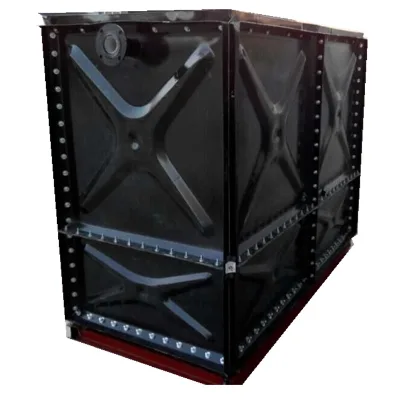


Acclaimed by Customers, Worthy of Ownership: The Reputable Choice of Assembled Enamel Tanks
$19800.00 - $98000.00
MOQ: 1 Pieces

Built to Last, Unfazed by Elements: The Robust Quality of Assembled Enamel Tanks
$19800.00 - $98000.00
MOQ: 1 Pieces

Enduring Durability, Long-Lasting Companionship: Assembled Enamel Tanks
$19800.00 - $98000.00
MOQ: 1 Pieces


Effortless Assembly, Efficient Convenience: Assembled Enamel Tanks
$19800.00 - $98000.00
MOQ: 1 Pieces

Quick Installation, Ready-to-Use: The Hassle-Free Choice of Assembled Enamel Tanks
$19800.00 - $98000.00
MOQ: 1 Pieces
Comprehensive Sourcing Guide
Strategic Sourcing Guide for Glass Fused Steel Enamel Tanks
The global demand for durable, corrosion-resistant water storage solutions has elevated the profile of glass fused steel (GFS) tanks. These structures represent a critical intersection of civil engineering and materials science, offering a hybrid solution that combines the tensile strength of steel with the chemical inertness of porcelain enamel. For procurement professionals in the water treatment, municipal infrastructure, and industrial sectors, sourcing these tanks requires a nuanced understanding of their specific manufacturing processes, certification landscapes, and long-term operational economics. This guide provides a comprehensive framework for evaluating glass fused steel enamel tanks, grounded in observed market data and technical specifications.
Technical Specifications and Material Composition
The fundamental value of a glass fused steel tank lies in its composite structure. The core material is typically an enamel steel plate, which serves as the substrate for the glass coating. This coating is applied in a specialized process where the glass powder is fused to the steel at high temperatures, creating a bond that is both chemically and mechanically robust. The resulting product is characterized by its impermeability to both gases and liquids, a critical attribute for storing potable water and aggressive industrial effluents.
Key technical parameters observed in the market include specific plate dimensions and thicknesses that dictate the structural integrity of the tank. Standard plate sizes often align with dimensions such as 1200mm by 2400mm or 1250mm by 2500mm, allowing for modular assembly. The wall thickness is a variable specification that depends on the required capacity and pressure rating, with observed ranges extending from 5mm to 12mm. For larger capacity units, such as those ranging from 20 cubic meters up to 18,000 cubic meters, the plate thickness and structural reinforcement must be carefully engineered.
The enamel coating itself is a defining feature. The coating thickness typically falls within the range of 0.25mm to 0.40mm, often applied as a double coating to ensure maximum durability. This layer provides exceptional resistance to acids and alkalis, with standard coatings effective in a pH range of 3 to 11, while special coatings can extend this range to pH 1 to 14. The hardness of the enamel surface is approximately 6.0 on the Mohs scale, contributing to its anti-stick and glossy properties, which facilitate easy cleaning and maintenance. The elasticity of the tank, often cited around 500 kN/mm, ensures that the structure can withstand thermal expansion and contraction without cracking the glass layer.
Compliance, Certification, and Safety Standards
In the B2B procurement of industrial tanks, verifying compliance with international standards is non-negotiable. The market data indicates that reputable suppliers for glass fused steel tanks frequently hold certifications such as CE and ISO. These certifications are not merely administrative hurdles but serve as evidence that the manufacturing process adheres to rigorous quality management and safety protocols. Buyers must specifically look for ISO certification, which often encompasses quality management systems, though the specific ISO standard number should be verified against the supplier's documentation.
Safety testing is another critical component of compliance. One notable test observed in the product specifications is the "Holiday Test," which checks for pinholes or defects in the enamel coating that could lead to corrosion. This test is often conducted at high voltages, such as 1500V, to ensure the integrity of the dielectric barrier. Additionally, the adhesive force of the enamel to the steel substrate is a vital metric, with observed values reaching up to 3450 N/cm. This high adhesion prevents delamination under stress.
When evaluating a supplier, procurement teams should request documentation for the Holiday Test results and adhesive force measurements. The presence of a "Hidden Type" or "Sitting Type" installation designation also suggests specific compliance with structural safety standards for different mounting scenarios. Buyers should verify that the product standard aligns with the intended capacity, as standards may vary between modular units (e.g., 2.5m x 1.25m x 3mm) and larger custom-built structures.
Cost Drivers and Pricing Dynamics
The pricing of glass fused steel tanks is influenced by a complex array of factors, ranging from raw material costs to the scale of the project. The observed price range in the market is substantial, spanning from approximately $999 to $98,000. This wide variance reflects the diversity in tank sizes, from small modular units to massive industrial reservoirs capable of holding thousands of cubic meters of water.
The primary cost driver is the capacity of the tank. Units with capacities ranging from 50 cubic meters to 5,000 cubic meters, or even larger, require significantly more steel and enamel material, as well as more complex engineering for the foundation and roof. The roof type is another significant cost variable; options include glass fused steel roofs, membrane roofs, and aluminum roofs, each with different price points and performance characteristics. The choice of foundation, whether concrete or glass fused steel, also impacts the total cost of ownership.
Customization is a major factor in pricing. While many suppliers offer standard models, the availability of customization allows for specific dimensions, colors (such as dark blue, green, or custom shades), and coating types. Custom orders typically incur higher costs due to the need for specialized tooling and production scheduling. Furthermore, the packaging method, which may involve plywood cases, iron frames, or poly-foam between plates, adds to the logistical cost, especially for international shipping.
Typical Applications and Operational Environments
Glass fused steel tanks are versatile assets deployed across a wide spectrum of industries. Their primary application is in water storage for municipal and industrial use. The tanks are particularly suited for environments where water quality must be maintained without contamination from the storage vessel. The impermeability and chemical resistance of the enamel coating make them ideal for storing drinking water, as well as aggressive wastewater and concentrated salt water.
In the wastewater treatment sector, these tanks are integral components of biological treatment processes. The observed applicable processes include Cstr (Continuous Stirred Tank Reactor), Usr (Upflow Sludge Reactor), and Uasb (Upflow Anaerobic Sludge Blanket). The tanks' ability to withstand corrosive environments ensures longevity in these demanding applications. The "Heat Preservation Water Tank" variant is specifically designed for applications requiring thermal stability, further expanding their utility in industrial heating and cooling systems.
The structural design allows for various installation types, including sitting and hidden configurations. This flexibility enables integration into existing infrastructure or new construction projects. The foundation requirements, typically concrete or glass fused steel, must be matched to the tank's weight and the soil conditions of the site. The long service life, often exceeding 30 years, makes these tanks a cost-effective solution for long-term infrastructure projects.
Supplier Evaluation and Quality Assurance
Selecting the right supplier is critical to ensuring the reliability of the glass fused steel tank. Buyers should prioritize suppliers who can demonstrate a clear track record in manufacturing and installing these specific types of tanks. The origin of the product is a relevant factor, with many suppliers based in regions like Shijiazhuang, Hebei, China, known for their industrial manufacturing capabilities. However, the location should not be the sole determinant; the quality of the manufacturing process and the robustness of the quality control measures are paramount.
Quality assurance should begin with a review of the supplier's certifications. Beyond the basic CE and ISO marks, buyers should inquire about specific quality control procedures, such as the testing of enamel adhesion and the execution of holiday tests. The supplier's ability to provide detailed technical data, including plate thickness, coating thickness, and elasticity measurements, is a strong indicator of their transparency and technical competence.
Packaging is another area where quality can be assessed. Proper packaging, such as the use of PE poly-foam between steel plates and sturdy plywood pallets, is essential to prevent damage during transit. Suppliers who offer customized packaging solutions demonstrate a commitment to protecting the product until it reaches the installation site. The minimum order quantity (MOQ) is another consideration; observed data suggests an MOQ of 1 unit, indicating flexibility for buyers of all sizes, from small projects to large-scale developments.
Long-Term Procurement and Lifecycle Management
When procuring glass fused steel tanks, buyers must look beyond the initial purchase price to the total cost of ownership. The service life of these tanks is a significant advantage, with many units designed to last over 30 years. This longevity reduces the frequency of replacement and minimizes the disruption to operations. The easy cleaning and anti-stick properties of the enamel surface further reduce maintenance costs, as the tanks require less frequent and less intensive cleaning compared to other materials.
Maintenance planning should include regular inspections of the enamel coating for any signs of damage or wear. The elasticity of the tank, which allows it to expand and contract, helps prevent cracking, but regular checks are necessary to ensure the structural integrity remains intact. The foundation should also be monitored for any settling or shifting that could compromise the tank's stability.
For buyers considering long-term procurement, the availability of spare parts and the supplier's after-sales support are crucial. The ability to source replacement plates or coatings, if necessary, ensures that the tank can be maintained throughout its lifespan. The customization options available, such as specific colors or roof types, should be considered in the context of future maintenance and aesthetic requirements. By focusing on these long-term factors, buyers can ensure that their investment in glass fused steel tanks delivers value over decades of service.
Comparative Analysis of Tank Features
To assist in decision-making, the following table summarizes key technical attributes observed in the market for glass fused steel enamel tanks. This comparison highlights the variability in specifications and helps buyers identify the features most relevant to their specific project requirements.
| Feature Category | Standard Observation | Variability / Customization Options |
|---|---|---|
| Material | Enamel Steel Plate | Glass Fused Steel, Steel Sheet |
| Plate Dimensions | 1200 x 2400 mm | 1250 x 2500 mm, Custom Sizes |
| Wall Thickness | 5mm to 12mm | 3mm to 12mm (Capacity dependent) |
| Coating Thickness | 0.25mm - 0.40mm | Double Coating available |
| Chemical Resistance | pH 3-11 (Standard) | pH 1-14 (Special Coating) |
| Hardness | 6.0 (Mohs) | Standard |
| Service Life | >30 Years | Up to 50+ Years (with maintenance) |
| Roof Options | Glass Fused Steel | Membrane, Aluminum |
| Certifications | CE, ISO | ISO, RoHS (Verify specific standards) |
| Installation Type | Sitting / Hidden | Custom Foundation (Concrete/GFS) |
This table underscores the importance of verifying specific parameters against the supplier's technical datasheets. While standard values provide a baseline, the ability to customize dimensions, coatings, and structural elements allows for tailored solutions that meet the unique demands of diverse applications. By carefully evaluating these attributes, procurement professionals can secure glass fused steel tanks that offer optimal performance, durability, and value for their specific operational needs.
FAQs
What certifications do glass fused steel enamel tanks typically have?
These tanks typically hold CE and ISO certifications. The observed data confirms compliance with ISO standards and CE marking for safety, ensuring the manufacturing process meets rigorous quality management protocols for industrial use.
How thick is the enamel coating on these steel plates?
The enamel coating thickness ranges from 0.25mm to 0.40mm. This layer is often applied as a double coating to ensure maximum durability and chemical resistance against acids and alkalis in various environments.
What is the expected service life of a glass fused steel tank?
The service life exceeds 30 years for most units. This longevity is achieved through the robust bond between the enamel and steel substrate, making them a cost-effective solution for long-term infrastructure projects.
Which installation types are available for these water storage tanks?
Available installation types include sitting and hidden configurations. These options allow for flexible integration into existing infrastructure or new construction projects depending on the specific site requirements and foundation conditions.
Can the tank capacity be customized for specific projects?
Yes, customization is available for various capacities ranging from 20 to 18,000 cubic meters. Buyers can specify dimensions and standard sizes like 1200 by 2400mm to meet unique operational needs.
What materials are used for the roof of these tanks?
Roof options include glass fused steel, membrane, and aluminum materials. The choice depends on the specific application, with glass fused steel roofs offering superior durability and corrosion resistance for harsh environments.