Source Eco Friendly Modern Coffee and Tea Set for Cafes, Offices, and Retail
Compare 30 Eco Friendly Modern Coffee and Tea Set options from verified suppliers. Explore porcelain designs with varying capacities and certifications like FDA and LFGB to find the right fit for your business needs; compare the available evidence and request quotations based on your requirements.
Updated
Key considerations
Products List


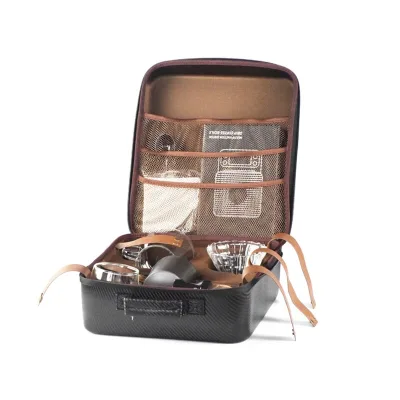
Arabic Tea and Coffee Set Glass & Metal Coffee Table Set Modern Gift for Travel Use
$24.99 - $28.35
MOQ: 100 pieces
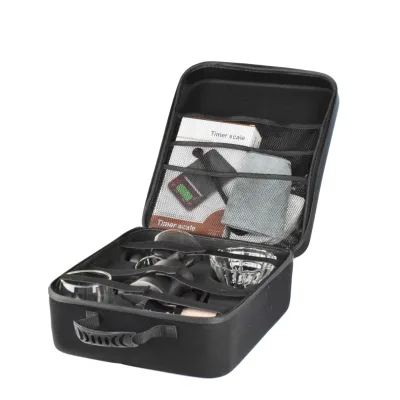
Ecocoffee TS05B 2021 New product Luxury Business Gifts coffee & tea sets L
$34.5208 - $43.5268
MOQ: 12 pieces


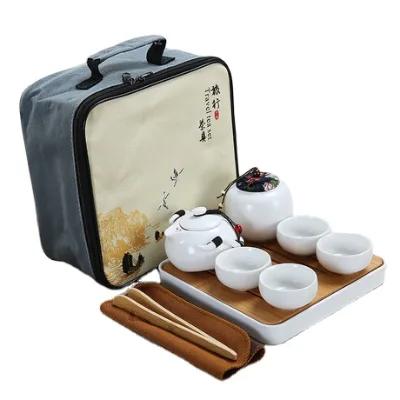
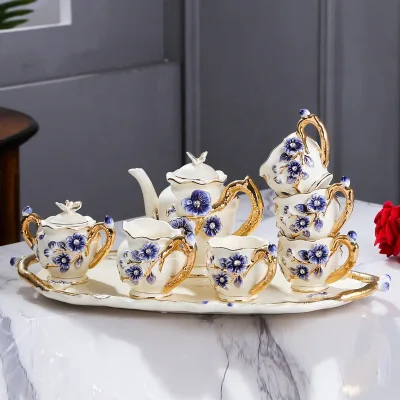


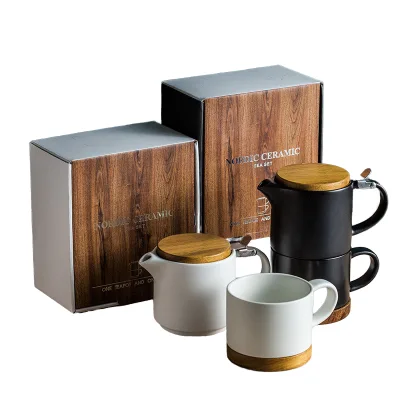
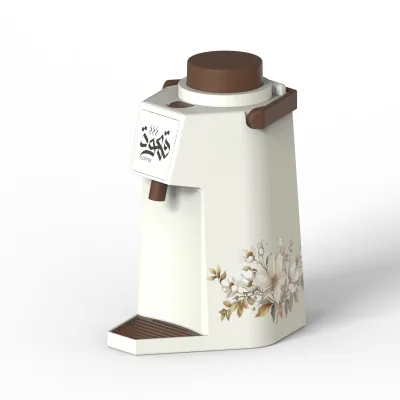


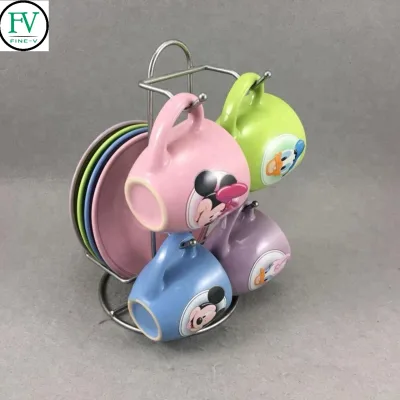
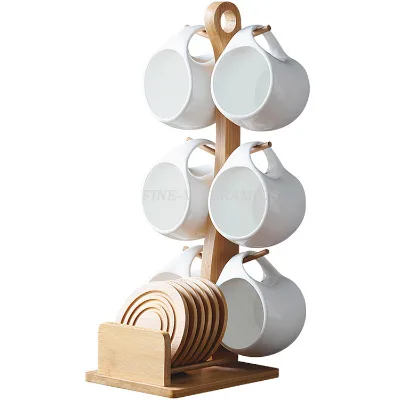

Comprehensive Sourcing Guide
Eco Friendly Modern Coffee and Tea Set Sourcing Guide
Sourcing eco-friendly modern coffee and tea sets requires a careful balance between aesthetic appeal, functional durability, and verifiable sustainability claims. Buyers must navigate a market where "eco-friendly" is often used as a marketing term without standardized definitions. The primary focus should be on materials that are naturally non-toxic and recyclable, such as high-grade porcelain, which offers a classic aesthetic while meeting modern environmental standards. Understanding the specific material composition is the first step in ensuring that the product aligns with your brand’s sustainability goals and regulatory requirements in target markets.
This guide provides a structured approach to evaluating suppliers and products based on observed market data and technical specifications. It emphasizes the importance of verifying certifications, understanding cost drivers, and establishing clear quality control protocols. By focusing on concrete evidence rather than vague marketing claims, procurement teams can mitigate risks associated with non-compliance and product failure. The following sections detail the critical factors that influence sourcing decisions, from technical specifications to long-term supplier relationships, ensuring a robust and reliable supply chain for eco-conscious tableware.
Product Scope and Observed Listing Signals
The current market for porcelain tea and coffee sets reveals a diverse range of styles, from classic decal designs to embossed royal aesthetics. Observed listings indicate a strong preference for multicolor and unicolor options, with sets often including teapots, sugar bowls, milk jugs, and cups with saucers. For instance, specific models feature teapots ranging from 1000ml to 1250ml, paired with sugar bowls and milk jugs of varying capacities. These configurations suggest that buyers are looking for complete, ready-to-use sets that cater to both individual consumption and larger social gatherings, emphasizing versatility in design and function.
Pricing and minimum order quantities (MOQs) vary significantly, reflecting the complexity of customization and production volume. Prices observed in the market range from approximately $0.50 to $98.99 per unit, with MOQs spanning from 2 to 3000 sets. This wide range indicates that suppliers offer both low-volume trial orders and high-volume wholesale options. Customization is widely available, allowing buyers to tailor logos and designs, which is crucial for branding. However, the variation in pricing and MOQs necessitates a thorough evaluation of value propositions, ensuring that the cost aligns with the expected quality and service levels.
Technical Specifications to Verify
When evaluating porcelain tea sets, verifying the material grade and physical dimensions is paramount to ensuring product quality and consistency. The observed data highlights the use of Ab Grade porcelain, a standard that suggests a balance between quality and cost-effectiveness. Buyers should confirm the exact dimensions of key components, such as saucers measuring 6 inches and cups with capacities around 200cc to 220cc. These specifications are critical for packaging efficiency and retail display, as they determine how many units can be packed into standard cartons or gift boxes, directly impacting logistics costs and shelf appeal.
Packaging methods also play a significant role in protecting the product during transit and enhancing its marketability. Common packing configurations include 6 sets per gift box or 24 sets per carton, with some suppliers offering 1 set per gift box and 8 sets per carton. These variations affect the unboxing experience and the perceived value of the product. Additionally, the shape of the items, typically round, and the style, such as decal or embossed, influence the overall aesthetic. Buyers must ensure that the packaging is robust enough to prevent breakage, especially for fragile porcelain items, and that it aligns with the eco-friendly claims by minimizing waste and using recyclable materials.
Compliance and Safety Documentation
Certifications are a critical component of sourcing eco-friendly tableware, as they provide independent verification of safety and environmental standards. The observed listings frequently mention certifications such as FDA, LFGB, CE/EU, EEC, CIQ, and SGS. These certifications indicate that the products meet specific regulatory requirements for food contact safety in major markets like the United States, Europe, and China. Buyers must request valid certificates for each batch or product line, ensuring that they are up-to-date and issued by recognized accreditation bodies. This documentation is essential for customs clearance and consumer trust, particularly in markets with strict food safety regulations.
Beyond certifications, buyers should verify the specific standards against which the products are tested. For example, SGS is listed as a standard, suggesting adherence to rigorous testing protocols. It is crucial to understand what these standards cover, such as heavy metal leaching, thermal shock resistance, and durability. Buyers should ask suppliers for detailed test reports that correspond to the certifications provided. This due diligence helps ensure that the "eco-friendly" label is backed by concrete evidence, reducing the risk of non-compliance and potential recalls. Clear documentation also facilitates smoother audits and inspections by third-party quality control agencies.
Cost Drivers and Commercial Terms
Understanding the factors that influence pricing is essential for effective budgeting and negotiation. The observed price range of $0.50 to $98.99 per unit is driven by several variables, including material quality, design complexity, and customization requirements. Embossed styles and custom logos typically incur higher costs due to additional manufacturing steps. Additionally, the grade of porcelain, such as Ab Grade, affects the base price. Buyers should request detailed cost breakdowns to understand how each component contributes to the final price, enabling more informed decision-making and negotiation strategies.
Minimum order quantities (MOQs) and payment terms are also significant commercial considerations. MOQs ranging from 2 to 3000 sets allow for flexibility, but higher volumes often result in lower unit prices. Buyers should assess their sales forecasts and storage capabilities to determine the optimal order size. Furthermore, lead times and shipping terms should be clearly defined in the contract to avoid delays and additional costs. Understanding these commercial terms helps in planning inventory levels and cash flow, ensuring that the procurement process runs smoothly and efficiently. Clear communication with suppliers regarding these terms can prevent misunderstandings and foster a more collaborative partnership.
Supplier Qualification and Quality Control
Supplier qualification is a critical step in ensuring a reliable supply chain for eco-friendly tableware. Buyers should conduct thorough due diligence, including verifying the supplier’s business license, production capacity, and past performance. Visiting the factory or hiring a third-party inspection agency can provide valuable insights into the manufacturing process and quality control measures. It is essential to assess the supplier’s ability to meet specific requirements, such as customization, packaging, and certification compliance. A qualified supplier should demonstrate a commitment to quality and sustainability, with clear policies and procedures in place.
Quality control protocols should be established before production begins to minimize the risk of defects. This includes defining clear acceptance criteria for materials, dimensions, and aesthetics. Buyers should request pre-production samples for approval and conduct in-process inspections during manufacturing. Final random inspections based on statistical sampling methods, such as AQL, should be performed before shipment. Additionally, buyers should establish a clear process for handling non-conforming products, including returns, replacements, or refunds. A robust quality control system ensures that the products meet the specified standards and reduces the likelihood of customer complaints and returns.
Long-Term Procurement Checks
Building a long-term relationship with suppliers requires ongoing monitoring and evaluation of performance. Buyers should regularly review key performance indicators (KPIs) such as on-time delivery, product quality, and responsiveness to issues. Continuous feedback and communication help identify areas for improvement and strengthen the partnership. It is also important to stay updated on changes in regulations and market trends that may affect sourcing decisions. Regular audits and reassessments of supplier qualifications ensure that they continue to meet the required standards and maintain their commitment to quality and sustainability.
Sustainability practices should be continuously evaluated to ensure alignment with evolving environmental goals. Buyers should inquire about the supplier’s efforts to reduce waste, conserve energy, and use sustainable materials. Encouraging suppliers to adopt eco-friendly practices not only enhances the product’s marketability but also contributes to broader environmental objectives. Additionally, buyers should explore opportunities for innovation and collaboration, such as developing new designs or improving packaging solutions. By fostering a collaborative and forward-thinking relationship, buyers can secure a competitive advantage and contribute to a more sustainable supply chain.
FAQs
What certifications do the porcelain tea sets hold?
The porcelain tea sets hold EEC, CIQ, LFGB, FDA, and CE certifications. These credentials ensure compliance with international safety and quality standards for food contact materials. Buyers can rely on these verified marks for regulatory approval in various global markets, ensuring product safety and trustworthiness for end consumers.
Can buyers customize the logo on these tea sets?
Yes, buyers can customize the logo on these tea sets. OEM customization is available for orders, allowing brands to imprint their specific designs or logos onto the porcelain surface. This service supports brand identity and marketing needs, making the sets suitable for corporate gifts or private label retail distribution.
What is the minimum order quantity for these sets?
The minimum order quantity varies by product, ranging from 2 to 3000 sets. Specific items like the wholesale 3-piece set require a higher MOQ of 3000 sets, while other models may accept lower volumes. Buyers should check the specific item number to confirm the exact MOQ requirement for their order.
How are the tea sets packed for shipping?
The tea sets are packed in gift boxes and cartons for secure shipping. For example, some models pack 6 sets per gift box and 24 sets per carton, while others use 1 set per gift box with 8 sets per carton. This packaging protects the porcelain during transit and simplifies retail display preparation.
Where are these porcelain tea sets manufactured?
These porcelain tea sets are manufactured in Shandong, China. The production location ensures access to established ceramic manufacturing hubs with skilled labor and raw materials. Buyers sourcing from this region benefit from efficient logistics networks and competitive pricing structures typical of major Chinese export manufacturing centers.
What styles are available for the porcelain tea sets?
Available styles include Decal and Embossed designs for the porcelain tea sets. The Decal style offers printed patterns, while the Embossed style features raised textures. These aesthetic options allow buyers to select designs that match their target market preferences, ranging from classic looks to more textured, premium appearances.