Source Gloss Black Car Roof Rack for Auto, Agri, and Furniture
Find and compare 30 listings for Gloss Black Car Roof Rack options from verified Chinese manufacturers. Buyers can evaluate specifications like load capacity, material types, and customization services to match automotive, agricultural, and furniture needs.
Key considerations
Products List


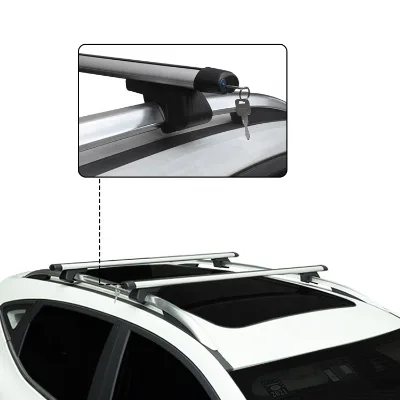
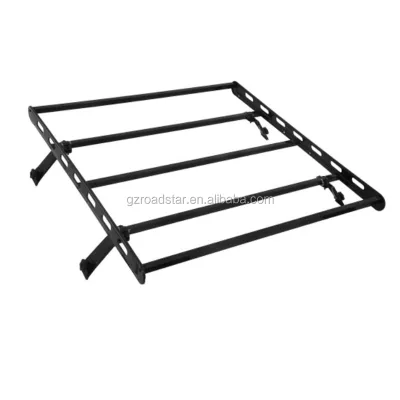

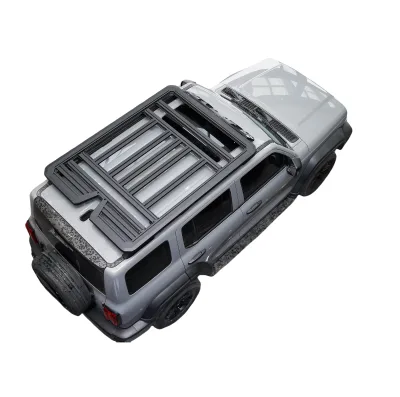


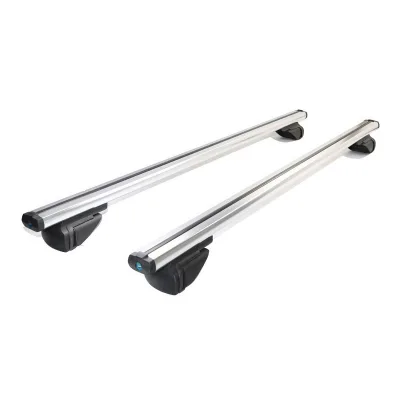


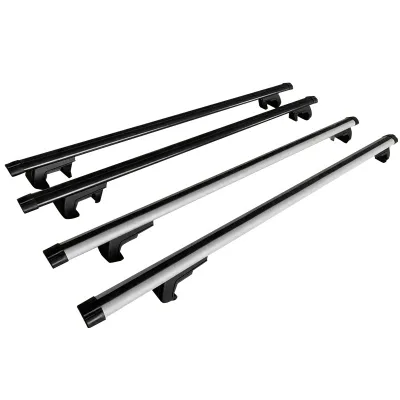
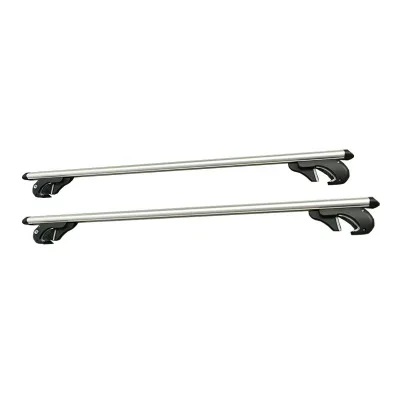

Adjustable Stainless Steel Cargo Carrier Storage Basket Roof Bars Roof Rack
$25.00 - $30.00
MOQ: 100 Pieces


High Quality Car Roof Box & Rack4X4 Racks Aluminium Rack Roof Rails for Tank
$200.00 - $270.00
MOQ: 2 Pieces

Popular Customized Car Parts 4X4 Racks Aluminium Alloy Luggage Rack Platform
$200.00 - $270.00
MOQ: 2 Pieces
Comprehensive Sourcing Guide
Strategic Sourcing Guide for Gloss Black Car Roof Rack Components
Understanding the Technical Landscape of Custom Metal Roof Racks
Sourcing gloss black car roof racks requires a deep understanding of the underlying manufacturing processes and material science that define product longevity and aesthetic finish. The core of these components often relies on advanced metal forming techniques, specifically cold stamping and deep drawing, which allow for the creation of complex geometries necessary for aerodynamic efficiency and structural integrity. In the context of modern automotive accessories, the material selection is paramount. While the final product presents a sleek, uniform gloss black appearance, the substrate is frequently composed of high-strength carbon steel or aluminum alloys. The availability of materials such as stainless steel, iron, and aluminum indicates a versatile supply chain capable of balancing weight reduction with load-bearing requirements.
The manufacturing process typically involves multi-position fine blanking and the use of multistep progressive dies. This approach ensures high precision and consistency in the final product dimensions. For buyers, the tolerance levels are a critical metric; observed capabilities in this sector often reach as tight as 0.02mm, which is essential for ensuring that roof rack components fit seamlessly with vehicle mounting points without requiring extensive field modification. The surface processing stage is equally vital for achieving the desired "gloss black" finish. Electroplating is a standard method employed to provide corrosion resistance and a smooth base for subsequent powder coating or painting, which delivers the final aesthetic appeal. The press capabilities in this domain are substantial, ranging from 16 tons to 500 tons, allowing suppliers to handle both small, intricate parts and larger, heavy-duty structural elements required for high-load applications.
Compliance, Certification, and Safety Standards
When procuring automotive accessories, particularly those designed to carry significant weight on a vehicle, compliance with safety and quality standards is non-negotiable. The supply chain for these components often adheres to rigorous international certifications. Verified suppliers in this sector frequently hold TUV and GS certifications, which serve as independent validations of product safety and quality management systems. These certifications are not merely marketing tools but are essential for liability protection and market access in regions with strict automotive regulations.
Buyers must verify that the specific batch of gloss black roof racks they intend to purchase meets the load capacity requirements specified for their target market. In the observed data, certain configurations demonstrate a load capacity of 70kg or more, which is a critical threshold for standard luggage and cargo transport. However, this figure should not be assumed as a universal standard for all products without verification. The mounting type, often described as a "combined type" or "dual side" opening, must be engineered to distribute stress evenly across the vehicle's roof rails. The structural integrity of the rack is further influenced by the material thickness and the quality of the welding or stamping joints.
Furthermore, the industry standard for these products is often customized to meet specific vehicle models or regional regulations. While general standards exist, the "customized" nature of the product model implies that buyers must request specific test reports or certification documents for the exact SKU they are ordering. The inspection process, which should occur "all the time" throughout the production cycle, is a key indicator of a supplier's commitment to compliance. This continuous monitoring ensures that every unit leaving the facility meets the specified tolerances and surface finish requirements, minimizing the risk of field failures or safety incidents.
Cost Drivers and Pricing Variables in Metal Stamping
The pricing of gloss black car roof racks is influenced by a complex interplay of factors, including material costs, manufacturing complexity, and order volume. The observed price range for such components can vary significantly, from as low as $0.20 to as high as $270, depending on the specific configuration and scale of the order. This wide disparity highlights the importance of understanding the cost drivers behind the final quote. The primary cost driver is the material used; aluminum alloys, while lighter and more corrosion-resistant, typically command a higher price point than carbon steel or iron. Additionally, the complexity of the deep drawing and fine blanking processes affects labor and machine time costs.
Order volume plays a decisive role in the final unit price. The minimum order quantity (MOQ) for these products typically ranges from 2 to 1,000 pieces, with many suppliers setting a baseline of 100 pieces for standard models. Larger orders benefit from economies of scale, particularly in the setup of multistep progressive dies, which have high initial costs but lower marginal costs per unit. The surface finishing process, including electroplating and the application of the gloss black coating, also adds to the cost. Suppliers offering custom packaging, such as carton boxes, or those providing OEM logo services may incur additional charges for these value-added services.
Payment terms and logistics are secondary but significant cost factors. Standard payment methods include Western Union, PayPal, and Telegraphic Transfer (T/T), and the choice of payment method can sometimes influence the final negotiated price. Shipping costs, whether via sea, air, or express delivery, vary based on the weight and volume of the shipment. The port of origin, often Shanghai or Ningbo for Chinese manufacturers, is a key logistical node that impacts transit times and freight rates. Buyers should request detailed breakdowns of costs to understand how much of the price is attributed to raw materials versus processing and logistics, ensuring they are not overpaying for unnecessary features.
Typical Applications and Usage Scenarios
Gloss black car roof racks are designed for a diverse range of applications, extending beyond simple luggage transport. The primary usage sectors include automotive, agriculture, furniture, and general machinery. In the automotive sector, these racks are integral to the travel and recreational vehicle (RV) markets, providing secure storage for bicycles, camping gear, and cargo boxes. The "single deck" configuration is particularly popular for standard passenger vehicles, offering a streamlined profile that minimizes wind resistance and noise.
For agricultural applications, the robust nature of carbon steel and aluminum alloy components allows these racks to be adapted for carrying tools, feed, or small equipment on utility vehicles. The high load capacity, often exceeding 70kg, makes them suitable for heavy-duty tasks where reliability is paramount. In the furniture and machinery sectors, the metal stamping capabilities allow for the production of custom brackets and supports that can be integrated into larger systems. The versatility of the "customized" product models means that suppliers can tailor the dimensions and mounting points to fit specific vehicle chassis or industrial machinery requirements.
The feature set of these products, such as "simple and easy use," is designed to enhance user experience. The dual-side opening and combined mounting types facilitate quick installation and removal, which is a critical factor for consumers who may need to switch between different vehicles or remove the rack when not in use. The capacity of the rack, often cited in the range of 400-500 liters when combined with compatible cargo boxes, underscores its utility for long-distance travel and outdoor adventures. Buyers should evaluate their specific usage scenarios to determine the optimal combination of material, load capacity, and mounting type for their needs.
Supplier Evaluation and Service Capabilities
Selecting the right supplier for gloss black car roof racks requires a thorough evaluation of their technical capabilities, service offerings, and logistical infrastructure. A key differentiator among suppliers is their in-house die-making capability. Suppliers who manufacture their own molds and dies, such as those utilizing multistep progressive dies, have greater control over the production timeline and quality consistency. This vertical integration reduces dependency on external tooling shops and allows for faster iterations and customization. The ability to offer OEM/ODM services is another critical factor, enabling buyers to brand the products with their own logos and specifications.
The sample development process is a vital step in supplier evaluation. Many suppliers offer free samples to allow buyers to assess the quality of the gloss black finish, the precision of the stamping, and the overall fit and finish. The typical sample delivery time ranges from 10 to 15 days, which is a reasonable timeframe for prototyping and validation. Buyers should also verify the file format compatibility of the supplier, ensuring they can accept CAD, Solidworks, and PDF files to facilitate the design and engineering process. The location of the supplier, often in Qingdao, China, is a significant hub for metal stamping and automotive parts manufacturing, providing access to a robust supply chain and skilled labor force.
When evaluating suppliers, buyers should also consider their inspection protocols. A commitment to "all the time" inspection indicates a rigorous quality control culture that minimizes the risk of defects. Additionally, the flexibility in packaging, such as custom requests for carton boxes, can be a deciding factor for buyers with specific branding or logistics requirements. The ability to handle large press capacities (up to 500 tons) suggests that the supplier can manage both small, high-precision components and larger, heavy-duty structures, offering a one-stop solution for diverse procurement needs.
Quality Control and Long-Term Procurement Strategy
Ensuring the long-term success of a Gloss Black Car Roof Rack procurement project hinges on a robust quality control strategy and a clear understanding of the product lifecycle. The manufacturing process, from deep drawing to electroplating, must be monitored at every stage to prevent defects such as surface imperfections, dimensional inaccuracies, or structural weaknesses. The use of high-precision tolerances (0.02mm) is a strong indicator of a supplier's ability to produce consistent, high-quality parts. However, buyers must verify that these tolerances are maintained throughout the production run and not just on initial samples.
Long-term procurement considerations include the stability of the supply chain and the supplier's ability to scale production. The availability of materials like stainless steel, carbon steel, and aluminum alloy ensures that suppliers can adapt to market fluctuations and material cost changes. The customization options, including the ability to produce different models (e.g., Merid-1699, Merid-1850, or 801006 series), allow buyers to diversify their product offerings without changing suppliers. The delivery terms, whether sea, air, or express, should be aligned with the buyer's inventory management strategy to minimize stockouts and overstocking.
Finally, the warranty and after-sales support provided by the supplier are critical for long-term satisfaction. Buyers should inquire about the supplier's policies regarding defective products and their responsiveness to quality issues. The combination of certified quality standards, in-house die-making, and a flexible service model creates a resilient procurement strategy. By focusing on suppliers who demonstrate a commitment to continuous improvement and quality assurance, buyers can ensure a steady supply of high-performance gloss black car roof racks that meet the demands of their customers and the rigorous standards of the automotive industry.
FAQs
What materials are used for gloss black car roof racks?
Suppliers typically use carbon steel, aluminum alloy, stainless steel, or iron. These materials provide the necessary strength for load-bearing while allowing for a durable gloss black finish through electroplating and surface processing.
Can I get custom Gloss Black Car Roof Rack components?
Yes, customization is available for size, material, and design. Buyers can request specific dimensions and OEM logos, with suppliers offering in-house die making to produce custom metal products tailored to unique requirements.
What is the minimum order quantity for these racks?
The minimum order quantity ranges from 2 to 1000 pieces depending on the supplier. Some standard models may require 100 pieces, while larger custom orders might have different thresholds based on the complexity of the stamping process.
How long does it take to receive samples?
Sample delivery typically takes 10 to 15 days. Free samples are often available for quality assessment, allowing buyers to verify the gloss black finish and dimensional accuracy before committing to a full production run.
Which certifications do these manufacturers hold?
Verified suppliers often hold TUV and GS certifications for safety and quality. These certifications validate that the manufacturing processes and final products meet rigorous international standards required for automotive accessories and load-bearing components.
What is the load capacity of gloss black roof racks?
Certain configurations support a load capacity of 70kg or more. This capacity ensures the racks can safely carry luggage and cargo, provided the mounting type and material strength are appropriate for the specific vehicle application.
Where are these metal stamping parts manufactured?
Manufacturing is primarily located in Qingdao, China, a major hub for metal stamping. This location provides access to advanced facilities capable of deep drawing and fine blanking with tight tolerances for high-quality automotive components.