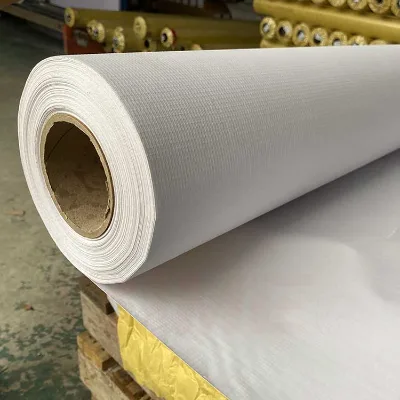
Source Gloss Banner Material for billboards, outdoor walls, and advertising
Compare 30 listings of Gloss Banner Material suitable for billboard and outdoor wall advertising. Buyers can evaluate specifications like weight, width, and coating types from verified Chinese manufacturers.
Key considerations
Products List


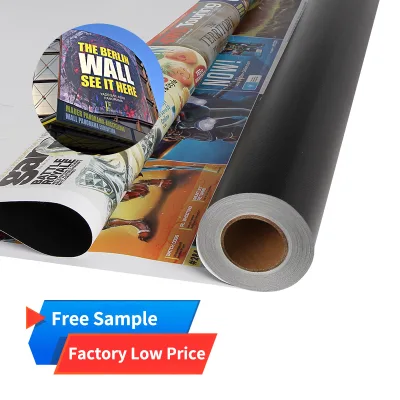
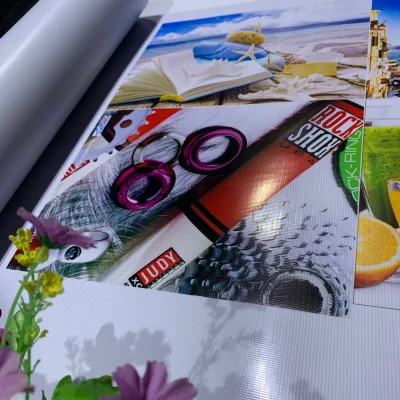
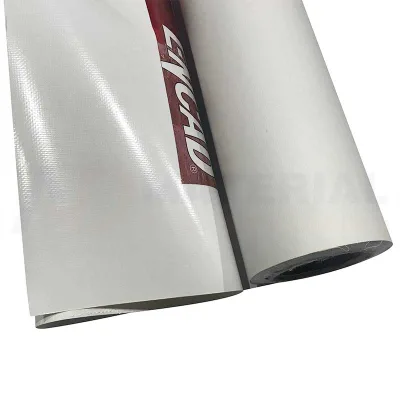
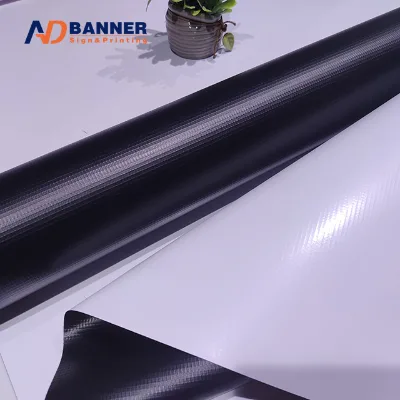
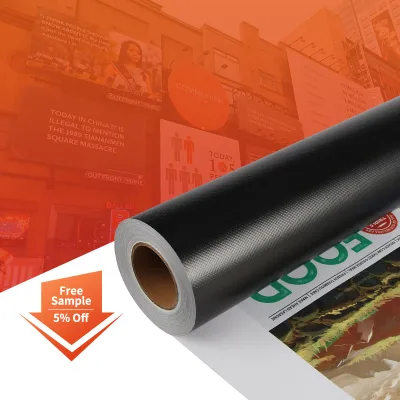
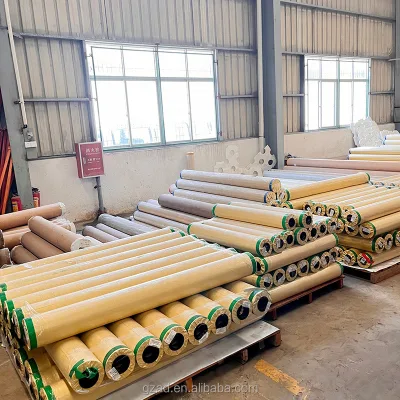


440g/510g/610g Glossy Matte PVC Flex Banner Roll Advertising Material
$0.28 - $0.49
MOQ: 100 Square Meters


Printable Glossy Matte Frontlit PVC Banner Flexible Poster Materials
$0.41 - $0.45
MOQ: 5000 Square Meters

PVC Flex Banner Roll Matte/Glossy Backlit Banner Material for Outdoor Indoor Advertising
$0.22 - $0.55
MOQ: 10 Square Meters

Black Back Flex Banner 280g Poster Board Material for Digital Printing
$0.41 - $0.45
MOQ: 5000 Square Meters

Banner PVC Material Transparent PVC Banner PVC Roll for Advertising
$0.51 - $0.65
MOQ: 5000 Square Meters


PVC Mesh Flex Banner Rolls Mesh Banner Material for Advertising Printing
$0.45 - $0.50
MOQ: 2040 Square Meters

Glossy PVC Frontlit Flex Banner for Roll Advertising Printing Material Billboard
$0.50 - $0.65
MOQ: 500 Square Meters


$0.50 - $0.70
MOQ: 1000 Square Meters

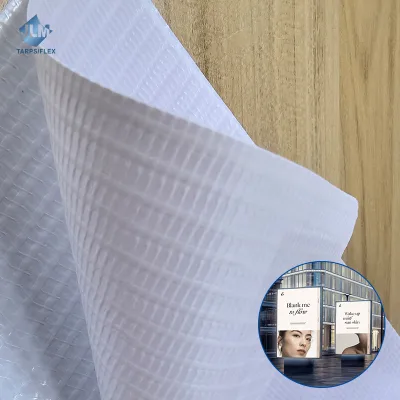
PVC Flex Banner Short-term Use, Election Campaign Poster Printing Materials
$0.26 - $0.54
MOQ: 3000 square
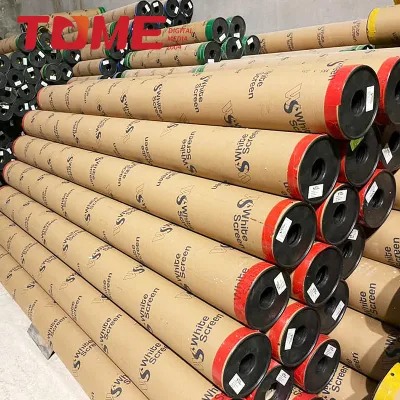
Comprehensive Sourcing Guide
Strategic Sourcing Guide for Gloss Banner Material
Understanding Technical Specifications and Material Composition
When sourcing Gloss Banner Material, buyers must first establish a clear understanding of the underlying technical architecture. The product landscape for this category is dominated by PVC-based substrates, often reinforced with specific fabric structures to ensure durability. The core material composition typically involves a blend of PVC and FRBRIC, a designation that suggests a focus on fire resistance and structural integrity. The base fabric itself is a critical determinant of the final product's performance, with common configurations including 200x300d, 300x500d, and 500x500d thread counts. These denier ratings indicate the thickness and density of the fibers, directly influencing the tensile strength and tear resistance of the final banner.
The surface finish is a primary differentiator in this market. The "gloss" attribute refers to a high-glossy or glossy surface treatment, which is achieved through specific coating processes. Buyers should note that the surface can also be matte or high-glossy, depending on the specific application requirements. The coating process itself is a vital technical consideration, with options including cold lamination and hot lamination. These processes affect the adhesion of the ink and the overall weather resistance of the material. The weight of the material is another significant specification, ranging from 230gsm to 680gsm, or equivalently from 7oz to 20oz. For applications requiring higher durability, such as outdoor billboards, heavier weights in the 340gsm to 440gsm range are often observed, providing a medium-weight balance between flexibility and rigidity.
Dimensional specifications are equally critical for procurement planning. The width of the material typically ranges from 1 meter to 3.2 meters, with maximum widths extending up to 5 meters in certain configurations. Roll lengths are generally standardized, with common offerings including 50 meters, 70 meters, and 100 meters. However, buyers must verify the exact roll length against the Technical Data Sheet (TDS), as some suppliers may offer lengths between 50 and 100 meters depending on the specific model. The single package size for these rolls varies significantly based on the weight and dimensions, with observed sizes ranging from compact 17x17x1.55 cm packages for smaller rolls to larger 60x40x50 cm cartons for bulkier inventory.
Compliance, Certification, and Safety Standards
In the realm of outdoor advertising materials, compliance with safety and environmental standards is non-negotiable. The supplied data indicates that the product features include "Fireproof" and "Eco-Friendly" attributes, suggesting that the material is designed to meet specific safety benchmarks. The presence of FRBRIC in the material composition strongly implies a focus on fire retardancy, which is essential for materials used in public spaces or indoor events. Buyers must verify the specific fire rating of the material, as "fireproof" is a broad term that can encompass various levels of flame resistance depending on local regulations.
Environmental compliance is another area requiring rigorous verification. The "Eco-Friendly" feature suggests that the manufacturing process or the material itself adheres to certain environmental standards, potentially involving the use of eco-solvent inks. The printing technology listed includes both solvent and eco-solvent options, which have different environmental impacts. Solvent inks typically contain volatile organic compounds (VOCs), whereas eco-solvent inks are formulated to reduce these emissions. Procurement teams should request documentation confirming the specific environmental certifications of the material and the inks used, ensuring alignment with the destination market's regulations.
While specific certification names are not provided in the source data, the "customised" standard mentioned indicates that the product can be tailored to meet specific client or regional requirements. Buyers should explicitly ask suppliers for test reports related to the "Cold Crack" resistance, which is noted to withstand temperatures down to -30℃. This data point is crucial for applications in colder climates, where standard materials might become brittle and fail. Additionally, the adhesion strength, observed at 6 Kg/5cm, and tensile strength, ranging from 45x45 Kg/5cm to 96x90 Kg/5cm, are key performance indicators that should be validated through third-party testing to ensure the material meets the structural demands of the intended application.
Cost Drivers and Pricing Dynamics
The pricing of Gloss Banner Material is influenced by a complex interplay of factors, including material weight, width, and the specific coating technology employed. The observed price range for these products spans from $0.19 to $20.00 per unit, a wide variance that reflects differences in quality, thickness, and order volume. The weight of the material is a primary cost driver; heavier materials, such as those in the 340gsm to 680gsm range, command higher prices due to the increased amount of raw materials and the energy required for lamination. Similarly, wider rolls, particularly those approaching the 5-meter maximum width, incur higher costs due to the specialized machinery required for production and the increased logistical challenges of handling large rolls.
Minimum Order Quantity (MOQ) is another significant factor affecting the total cost of procurement. The data indicates an MOQ range of 10 to 5,999 units, with specific mentions of 30 to 50 rolls per size for standard 3.2m width products. Buyers purchasing smaller quantities may face higher per-unit costs, while those capable of meeting higher MOQ thresholds can negotiate more favorable pricing. The packaging method also influences cost; options such as Kraft Paper, Hard Tube Packing, or Carton packaging vary in expense, with more robust packaging required for international shipping adding to the overall price.
Lead times and supply chain logistics further impact the final cost. While specific lead times are not provided in the source data, the "customised" nature of the product suggests that production times may vary based on the complexity of the order. Buyers should anticipate that custom orders involving specific weights, widths, or fire-retardant treatments may require longer production cycles compared to standard stock items. Additionally, the origin of the product, identified as China, specifically Zhejiang, implies that shipping costs and import duties will be significant components of the total landed cost. Buyers must factor in these logistical expenses when comparing supplier quotes, as a lower unit price may be offset by higher shipping or tariff costs.
Typical Applications and Performance Requirements
Gloss Banner Material is primarily designed for high-visibility outdoor applications where durability and visual impact are paramount. The most common use cases include billboard advertising, outdoor wall advertising, and large-format digital printing. The "Frontlit" and "Backlit" options indicate that the material is suitable for both standard outdoor displays and illuminated signage, where light transmission is a critical factor. The "Coating" style and "Glossy" surface finish enhance color vibrancy and contrast, making the material ideal for high-resolution digital prints that need to stand out in bright sunlight.
The technical specifications support these applications through robust performance metrics. The "Windproof" and "Water Resistant" features ensure that the banners can withstand harsh weather conditions, including strong winds and rain. The "Anti-UV" and "Anti-Mildew" properties are essential for long-term outdoor exposure, preventing the material from fading or degrading over time. The "Tear-Jerking" and "Tear Resistance" attributes, with specific test results like 10x10kg/30x30kg, indicate that the material can resist tearing during installation or from wind loads. The "Cold Crack" resistance down to -30℃ further expands the applicability of the material to colder regions, ensuring that the banner remains flexible and intact even in freezing temperatures.
The versatility of the material is further enhanced by its customization options. The "Customization: Available" attribute allows buyers to tailor the material to specific project requirements, such as unique dimensions or specialized coatings. The "Metric" items and "PVC + FRBRIC" composition provide a standardized yet flexible base for various advertising needs. Whether for temporary events or permanent installations, the combination of high tensile strength, adhesion, and weather resistance makes Gloss Banner Material a reliable choice for professional advertising campaigns.
Supplier Evaluation and Quality Control Protocols
Selecting the right supplier for Gloss Banner Material requires a rigorous evaluation process that goes beyond price comparisons. Buyers should prioritize suppliers who can provide comprehensive technical documentation, including TDS (Technical Data Sheets) and Material Safety Data Sheets (MSDS). The presence of specific model numbers, such as "ADF" or "AD Material," suggests that suppliers have established product lines with consistent quality standards. However, buyers must verify that the specific model matches their requirements, as variations in weight, width, and coating can exist even within the same product family.
Quality control should be a central component of the procurement strategy. Buyers should request samples to physically inspect the material for surface defects, color consistency, and coating uniformity. The "Glossy" finish should be free from bubbles, scratches, or uneven texture, which can affect the print quality. Additionally, the adhesion strength and tensile strength should be verified through independent testing, especially if the material is intended for high-stress applications. The "Single gross weight" and "Single package size" data points can serve as a baseline for checking the accuracy of the delivered goods against the order specifications.
Supplier reliability is also crucial. The "Place of Origin" being Zhejiang, China, indicates a concentration of manufacturing capabilities in this region. Buyers should assess the supplier's production capacity, lead time reliability, and ability to handle custom orders. The "MOQ" flexibility and the availability of stock for standard sizes (e.g., 3.2m width) are indicators of a supplier's ability to meet urgent demand. Furthermore, the "Packing" method, whether Kraft Paper, Hard Tube, or Carton, should be evaluated to ensure that the material arrives in pristine condition, free from damage during transit.
Long-Term Procurement Considerations and Sustainability
Long-term procurement of Gloss Banner Material involves considering the lifecycle of the product and its environmental impact. The "Eco-Friendly" attribute suggests that some suppliers are moving towards more sustainable practices, but buyers should verify the specific measures taken, such as the use of recyclable materials or energy-efficient manufacturing processes. The "Solvent / Eco-Solvent" printing options highlight the importance of selecting inks that minimize environmental impact, particularly for projects in sensitive areas or regions with strict environmental regulations.
Sustainability also extends to the durability and longevity of the material. A high-quality gloss banner that resists UV degradation, mildew, and tearing will have a longer service life, reducing the frequency of replacement and the associated waste. The "Anti-UV" and "Anti-Mildew" features are critical in this regard, ensuring that the banner maintains its visual quality over extended periods. Buyers should consider the total cost of ownership, including installation, maintenance, and disposal costs, rather than focusing solely on the initial purchase price.
Finally, the ability to customize the material for specific needs is a key long-term consideration. The "Customised" standard and the availability of various weights, widths, and coatings allow buyers to adapt their procurement strategy to changing project requirements. As the market evolves, suppliers who can offer innovative solutions, such as biodegradable PVC alternatives or advanced fire-retardant treatments, will be better positioned to meet the growing demand for sustainable and high-performance advertising materials. By maintaining a strategic relationship with suppliers who prioritize quality, compliance, and innovation, buyers can ensure a steady supply of reliable Gloss Banner Material for their future projects.
FAQs
What is the weight range for Gloss Banner Material?
The weight ranges from 230gsm to 680gsm, or 7oz to 20oz. Specific models like the smooth gloss PVC printing banner offer medium weight options around 340gsm to 440gsm for balanced durability.
Can the material withstand cold temperatures?
Yes, the material resists cold cracking down to -30℃. This specification ensures flexibility and structural integrity in freezing climates without becoming brittle or failing during outdoor use.
Which widths are available for gloss banner rolls?
Standard widths range from 1 to 3.2 meters, with maximum options reaching 5 meters. Custom orders can often be tailored to specific project dimensions within these manufacturing limits.
How is the material packaged for shipping?
The product is packed in cartons, kraft paper, or hard tubes. Single package sizes vary from compact 17x17x1.55 cm units to larger 60x40x50 cm cartons depending on the roll weight.
What printing technologies are compatible with this material?
The material supports both solvent and eco-solvent printing technologies. These options allow for high-quality digital prints while accommodating different environmental and safety requirements for the final application.
Is customization available for the banner material?
Customization is available for specific client requirements. Buyers can request tailored dimensions, weights, or coatings, though production times may vary compared to standard stock items like the 3.2m width rolls.