Source Glossy Chrome Iron Wine Rack for Bars, Homes, and Events
Explore 30 listings for the Glossy Chrome Iron Wine Rack, comparing options from suppliers in China. Buyers can evaluate variations in capacity, design style, and packaging to find the right storage solution for their needs.
Key considerations
Products List
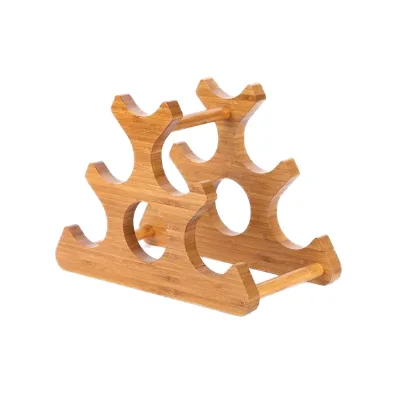
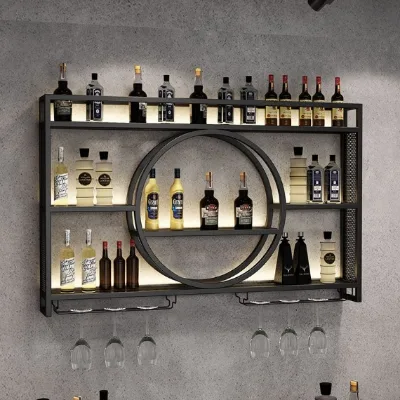
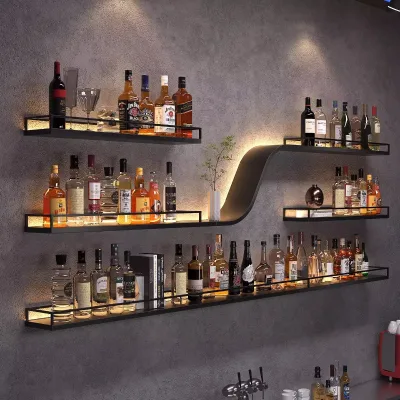
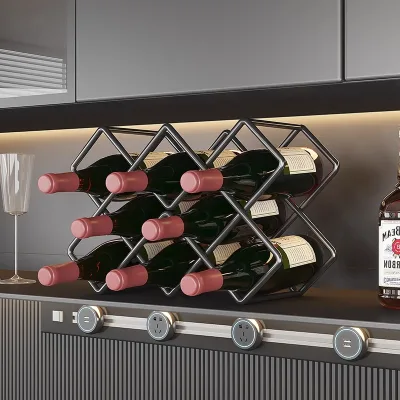
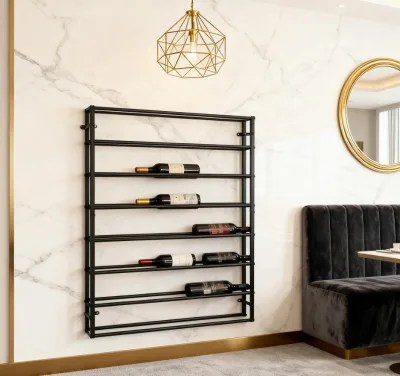
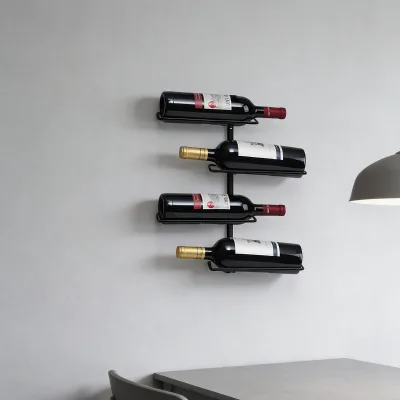


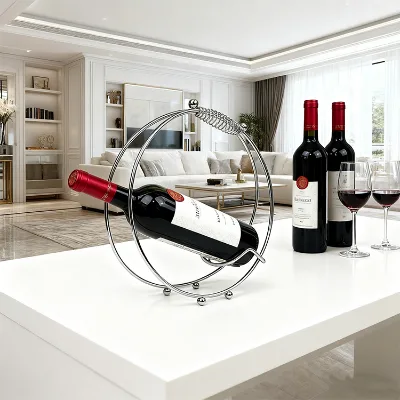


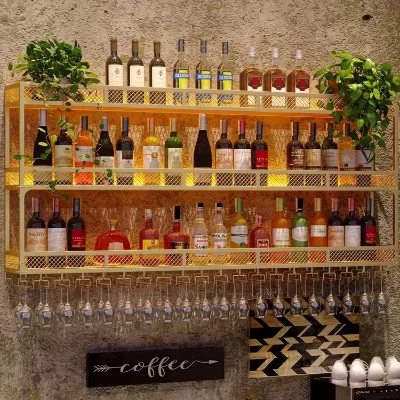


Comprehensive Sourcing Guide
Strategic Sourcing Guide for Glossy Chrome Iron Wine Racks
Understanding the Product Category and Material Composition
The core keyword "Glossy Chrome Iron Wine Rack" points to a specific subset of home living room furniture designed for the storage and display of wine bottles and stemware. Based on observed market data, these units are primarily constructed from iron, a material selected for its structural integrity and ability to support a high-gloss chrome finish. The "glossy chrome" descriptor indicates a surface treatment that provides a reflective, modern aesthetic, often categorized under contemporary or modern design styles. While some listings in the broader category mention wood or mixed materials, the specific iron-based variants are distinct in their metal type classification.
The structural design of these racks varies significantly in capacity and form factor. Observed specifications reveal that iron wine racks can range from compact units holding a few glasses to large display cabinets capable of storing between 50 and 119 bottles. The physical dimensions are equally diverse, with single package sizes recorded ranging from compact 28x25x42 cm units to substantial display cabinets measuring up to 125x40x205 cm. This variance suggests that buyers must carefully align the physical footprint of the unit with their intended installation space, whether it be a residential living room, a commercial bar, or a hospitality venue. The "glossy chrome" finish is typically applied to the iron frame, which may also include other metal components, creating a cohesive modern look that complements various interior design themes.
Technical Specifications and Design Attributes
When evaluating a Glossy Chrome Iron Wine Rack, buyers must scrutinize specific technical attributes that define the product's functionality and aesthetic appeal. The design style is predominantly contemporary, characterized by clean lines and a sleek appearance. The color palette for these iron units often includes black and gold combinations, though some variations may offer custom colors to match specific interior schemes. The "glossy" aspect of the finish is a critical visual and tactile attribute that requires a durable coating to prevent chipping or scratching, which is common in high-traffic areas.
Capacity is a primary technical differentiator. The market data indicates that these units are engineered to hold specific quantities of stemware and bottles. Some models are designed to accommodate between 5 and 9 stemware glasses, while others are built to hold between 10 and 24 glasses. For bottle storage, the capacity ranges widely, with some units holding 20 to 29 bottles and larger display cabinets supporting up to 119 bottles. The physical size specifications are equally critical; buyers should verify dimensions such as 100x15x80 cm or 200x20x80 cm to ensure the unit fits the designated area. The single package size is also a logistical consideration, with some units packaged in boxes measuring 28x25x42 cm, while larger display cabinets may require packaging up to 125x40x205 cm.
The following table summarizes the observed technical specifications for iron wine racks to assist in comparison:
| Attribute | Observed Range / Specific Values |
|---|---|
| Material | Iron, Metal |
| Finish | Glossy Chrome, Black, Gold |
| Design Style | Contemporary, Modern |
| Stemware Capacity | 5 ~ 9, 10 ~ 24, Up to 4 |
| Bottle Capacity | 20 ~ 29, 50 ~ 119 |
| Dimensions | 1001580 cm, 1201580 cm, 2002080 cm |
| Package Size | 28x25x42 cm, 125x40x205 cm |
| Usage | Home Livingroom, Display Cabinet |
Compliance, Certification, and Safety Standards
For B2B procurement, verifying compliance and safety standards is paramount, especially for furniture intended for public or commercial use. While specific certification names were not explicitly listed in the provided product data, buyers must actively verify that the iron construction meets relevant international safety standards for metal furniture. This includes checking for compliance with flammability standards, as the chrome finish and any associated coatings must not be highly flammable. Additionally, the structural integrity of the iron frame must be tested to ensure it can safely support the maximum stated bottle capacity without tipping or collapsing.
Buyers should request documentation regarding the finish durability. The "glossy chrome" coating should be tested for resistance to corrosion, scratches, and chemical exposure, particularly in environments where wine racks might be exposed to humidity or cleaning agents. If the product is intended for export to the European Union or North America, compliance with REACH regulations regarding hazardous substances in the metal and coating is essential. Furthermore, the "Eco-Friendly" feature mentioned in some product attributes suggests that buyers should inquire about the environmental impact of the manufacturing process, including the source of the iron and the toxicity of the chrome plating solution.
It is crucial to note that while some listings mention a "3 Years" warranty, this is a supplier-specific claim rather than a universal standard. Buyers must verify the terms of this warranty, including what specific defects are covered and the process for claims. The absence of explicit certification data in the general product description means that the onus is on the buyer to request third-party test reports from the supplier before finalizing any order.
Cost Drivers and Pricing Dynamics
The pricing of glossy chrome iron wine racks is influenced by several key factors, including material costs, manufacturing complexity, and logistical expenses. The primary cost driver is the iron material itself, combined with the labor-intensive process of applying a high-quality glossy chrome finish. The complexity of the design also plays a significant role; units with custom sizes, intricate shelving configurations, or mixed materials (such as wood accents) will generally command a higher price point than standard, off-the-shelf models.
Observed market data indicates a wide price range, with unit costs varying from approximately $1.08 to $174.81. This broad spectrum reflects the diversity in product scale and quality. Lower-priced items are typically smaller, simpler units with standard dimensions and limited capacity. In contrast, the higher-priced items are likely large display cabinets with custom sizes, advanced finishes, and higher bottle capacities. The "Customized" nature of many products in this category means that pricing is often negotiable and dependent on the specific order volume and design requirements.
Minimum Order Quantity (MOQ) is another critical cost driver. The observed MOQ range spans from 2 pieces to 3000 pieces. For buyers seeking small quantities, the per-unit cost may be higher due to the setup costs associated with custom manufacturing. Conversely, bulk orders can significantly reduce the per-unit cost, making the investment in custom designs more viable. Buyers should also consider the "Stocked" feature, which may offer immediate availability but potentially at a premium compared to made-to-order items.
Supplier Evaluation and Geographic Considerations
When sourcing glossy chrome iron wine racks, the geographic origin of the supplier is a significant factor in logistics and quality assurance. The observed data highlights that manufacturers are primarily located in China, with specific provinces such as Shandong, Guangdong, and Fujian emerging as key production hubs. Each region may have different specializations; for instance, some suppliers may focus on wood-based furniture, while others specialize in metal and iron products. Buyers should verify the specific place of origin to ensure the supplier has the requisite expertise in metal fabrication and chrome plating.
Supplier evaluation should extend beyond the basic product listing. Buyers must assess the supplier's capacity to handle custom orders, as many products in this category offer "Customized" sizes, logos, and designs. The ability to provide samples is a critical step in the evaluation process, allowing buyers to inspect the quality of the chrome finish, the stability of the iron frame, and the overall craftsmanship. Additionally, the "Warranty" period, such as the observed 3-year term, serves as an indicator of the supplier's confidence in their product quality.
Communication and responsiveness are also vital. Suppliers who provide detailed product descriptions, clear specifications, and transparent pricing are more likely to be reliable partners. Buyers should also check the supplier's track record for on-time delivery, as lead times can vary. While some suppliers indicate a delivery time of 7-15 days, this may not apply to all custom orders or during peak production seasons.
Quality Control and Inspection Protocols
Implementing a robust quality control (QC) protocol is essential for ensuring that the received glossy chrome iron wine racks meet the buyer's standards. The QC process should begin with a pre-production sample review, where the buyer verifies the design, dimensions, and finish quality against the agreed-upon specifications. This step is crucial for catching any issues with the chrome plating or structural integrity before mass production begins.
During production, random inspections should be conducted to monitor consistency. Key areas of focus include the uniformity of the glossy chrome finish, the stability of the frame, and the accuracy of the dimensions. For units with custom sizes, precise measurement verification is necessary to ensure they fit the intended space. The "Single gross weight" of the product, observed at 1.500 kg for some units, should also be verified to ensure the packaging and shipping costs are accurate.
Post-production, a final inspection should be carried out to check for any damage incurred during manufacturing or packaging. This includes inspecting the "Standard Packing" or "Mail Packing" (if applicable) to ensure the units are protected during transit. The "Packing" attribute, whether standard or custom, must be sufficient to prevent scratches on the chrome finish, which is a common issue with glossy surfaces.
Long-Term Procurement and Maintenance Considerations
For long-term procurement, buyers should consider the maintenance requirements of glossy chrome iron wine racks. The chrome finish, while aesthetically pleasing, requires regular cleaning to maintain its luster and prevent tarnishing. Buyers should advise end-users on the appropriate cleaning agents and methods to avoid damaging the finish. The "Eco-Friendly" attribute suggests that the product may be designed with sustainability in mind, which could be a selling point for environmentally conscious markets.
The "Convertible" feature mentioned in some product attributes indicates that these units may have modular components or adjustable shelves, offering flexibility for different storage needs. This adaptability can extend the lifespan of the product and reduce the need for replacement. Additionally, the "Stocked" availability of certain models can be advantageous for buyers who need to replenish inventory quickly without waiting for production lead times.
In conclusion, sourcing glossy chrome iron wine racks requires a careful balance of technical evaluation, supplier vetting, and quality assurance. By focusing on the specific material properties, design attributes, and compliance requirements, buyers can secure high-quality products that meet their commercial and aesthetic needs. The wide range of observed specifications and prices offers flexibility, but it also demands a diligent approach to ensure that the selected products align with the buyer's specific requirements and standards.
FAQs
What materials are used for glossy chrome iron wine racks?
These units are primarily constructed from iron or metal with a glossy chrome finish. Some variations may include wood accents, but the core structure relies on iron for structural integrity and the ability to support a high-gloss coating.
How much stemware can these racks hold?
Capacity varies significantly by model, with some units holding between 5 and 9 stemware glasses while others accommodate up to 24 glasses. Larger display cabinets may support up to 4 stemware glasses depending on the specific design configuration.
What is the typical bottle storage capacity?
Bottle storage ranges widely from 20 to 29 bottles in compact units to over 119 bottles in large display cabinets. Buyers must verify specific dimensions like 100x15x80 cm to ensure the unit fits their intended space and storage needs.
Can I find suppliers with a 3-year warranty?
Yes, some suppliers offer a 3-year warranty as a specific product attribute. This warranty is a supplier-specific claim rather than a universal standard, so buyers should verify the exact terms and coverage for defects before finalizing any order.
What is the minimum order quantity for these racks?
The minimum order quantity ranges from 2 pieces to 3000 pieces depending on the supplier and customization level. Smaller orders may incur higher per-unit costs, while bulk orders can significantly reduce the price and make custom designs more viable.
Where are these wine racks typically manufactured?
Manufacturers are primarily located in China, with key production hubs in Shandong, Guangdong, and Fujian provinces. Buyers should verify the specific place of origin to ensure the supplier has the requisite expertise in metal fabrication and chrome plating.
How long does delivery typically take?
Some suppliers indicate a delivery time of 7 to 15 days for standard orders. However, lead times can vary for custom sizes or during peak production seasons, so buyers should confirm specific timelines before placing an order.