Source Rubber Handle Ratchet Tie Down for Logistics, Transport, and Construction
Find 30 Rubber Handle Ratchet Tie Down options for cargo lashing and transport. Compare specs like EN12195-2 compliance, polyester webbing, and hook types from Chinese manufacturers to secure reliable load control solutions; compare the available evidence and request quotations based on your requirements.
Key considerations
Products List


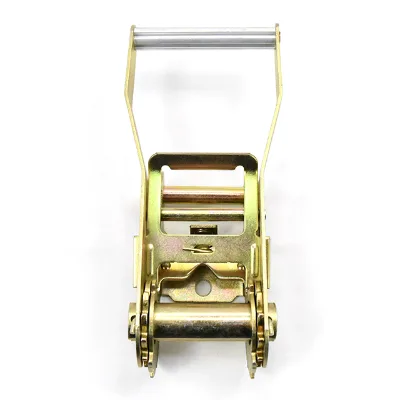
Ratchet Cargo Straps Ratchet Tie Down Straps Double J-Hook Ratchet Tie Down
$0.09 - $2.00
MOQ: 10 Pieces




Comprehensive Sourcing Guide
Rubber Handle Ratchet Tie Down Sourcing Guide
Buyers evaluating rubber handle ratchet tie downs must first distinguish between general cargo lashing tools and specialized equipment designed for heavy-duty securing. The observed market data indicates a wide range of product models, from specific webbing configurations to complete ratchet assemblies, suggesting that the core keyword often encompasses both the strap and the tensioning mechanism. Procurement teams should verify whether the supplier provides the complete assembly or if the rubber handle is an aftermarket accessory, as this distinction significantly impacts the final unit cost and compatibility with existing fleet equipment.
The presence of specific material attributes, such as 100% high tenacity polyester webbing, confirms that these products are engineered for high-strength cargo control rather than light-duty packaging. Buyers should scrutinize the listed breaking strength and working load limits to ensure the selected unit matches the specific weight class of the cargo being transported. The variation in observed working load limits, ranging from 1515kg to 4545kg, necessitates a precise match between the product specification and the safety requirements of the intended transport route to prevent equipment failure during transit.
Product Scope and Observed Listing Signals
The product listings reveal a diverse scope of ratchet strap configurations, including models with specific width specifications like 50mm and varying lengths such as 10 meters. This variability suggests that the "rubber handle" feature is often paired with different webbing widths and hook types, including DJ hooks, single J hooks, and claw hooks. Buyers must carefully cross-reference the handle material with the hook type to ensure the entire assembly is suitable for the specific cargo surface, as a rubber handle on a strap with incompatible hooks may lead to slippage or damage to the load.
Observations of color options, including yellow, blue, red, and orange, alongside custom color requests, indicate that these products are frequently used in environments requiring high visibility or specific branding compliance. The availability of customization for packing, such as shrink wrap, cartons, or pallets, further highlights the need for buyers to align packaging requirements with their logistics partners. Procurement teams should verify if the rubber handle is integrated into the ratchet mechanism or if it is a separate component, as this affects the overall durability and ease of operation in cold or wet conditions.
Technical Specifications to Verify
Technical verification must begin with the webbing material, as the data confirms the use of 100% high tenacity polyester which offers low elongation of less than 7% and UV resistance. These properties are critical for maintaining tension over long hauls and preventing strap degradation under direct sunlight exposure. Buyers should request specific test data regarding the elongation and UV resistance to ensure the product will not stretch excessively or become brittle during extended storage or transport in harsh environments.
The mechanical specifications of the ratchet mechanism, including the safety factor ranging from 5:1 to 8:1, are equally vital for ensuring operational safety. The observed breaking strength values, which can range from 500kg to 20 tons, require buyers to select a unit with a safety factor appropriate for the maximum anticipated load. It is essential to confirm that the rubber handle provides sufficient grip for the operator to achieve the necessary tension without slipping, especially when wearing gloves or working in adverse weather conditions.
Compliance and Safety Documentation
Compliance with international standards is a non-negotiable requirement for cargo lashing equipment, with EN12195-2 appearing as a key standard in the observed product data. Buyers must demand certification documents that explicitly state compliance with this standard, as it governs the design, testing, and marking of lashing devices used in transport. Without this documentation, the equipment may not meet legal safety requirements for international shipping, potentially leading to liability issues in the event of an accident or cargo loss.
In addition to standard compliance, the presence of certifications such as TUV, GS, CE, and ISO indicates a higher level of quality assurance and manufacturing rigor. Procurement teams should verify that these certifications are current and applicable to the specific model being purchased, as certifications can sometimes be generic to the factory rather than the specific product batch. The "Customized" certification status noted in some listings suggests that buyers may need to request specific testing reports for custom configurations to ensure they meet the same safety benchmarks as standard models.
Cost Drivers and Commercial Terms
The cost of rubber handle ratchet tie downs is heavily influenced by the material composition, specifically the use of high tenacity polyester and the quality of the steel components in the ratchet mechanism. The observed price range of 0.09 to 1000 USD reflects the vast difference between simple strap components and complete, heavy-duty assemblies with specialized handles. Buyers should analyze the cost per unit of working load limit rather than the absolute price to determine the true value of the product, ensuring they are not overpaying for unnecessary features or underpaying for substandard materials.
Commercial terms such as Minimum Order Quantity (MOQ) and lead times vary significantly, with observed MOQs ranging from 1 to 3000 units. This variability allows for flexibility in procurement but requires careful planning to balance inventory costs with supply chain reliability. Buyers should negotiate packaging options, such as standard cartons or custom pallets, to optimize shipping costs, as the weight and volume of the steel and webbing components can significantly impact freight charges.
Supplier Qualification and Quality Control
Supplier qualification should focus on the manufacturing location and the consistency of their quality control processes, with Taizhou, Zhejiang, China, identified as a primary origin for these products. Buyers must verify that the supplier has a robust quality management system in place, evidenced by their ISO certifications and adherence to EN12195-2 standards. It is crucial to confirm that the supplier performs regular internal testing on breaking strength and elongation to ensure every batch meets the specified technical requirements before shipment.
Quality control checks should also include a visual inspection of the rubber handles and the ratchet mechanism for defects such as cracks, misalignment, or poor stitching. The observed data indicates that some products offer custom packing and color options, which introduces additional variables that must be controlled during the manufacturing process. Buyers should request a pre-shipment inspection report that details the results of these visual and functional tests to mitigate the risk of receiving defective units that could compromise cargo safety.
Long-Term Procurement Checks
Long-term procurement success depends on establishing a reliable supply chain that can consistently deliver products meeting the same technical and safety specifications over time. Buyers should implement a periodic audit process to verify that the supplier continues to adhere to the agreed-upon standards and that the rubber handle material does not degrade in quality due to cost-cutting measures. Maintaining a relationship with a supplier who offers customization and consistent quality will ensure that the procurement team can adapt to changing cargo requirements without compromising safety.
Finally, buyers must monitor the performance of the ratchet tie downs in real-world conditions to identify any recurring issues with the rubber handles or ratchet mechanisms. Feedback from field operators regarding grip comfort, ease of tensioning, and durability under stress should be collected and used to refine future purchasing decisions. By treating product attributes as observations rather than absolute claims, procurement teams can build a data-driven strategy that prioritizes safety, compliance, and operational efficiency in the long term.
FAQs
What material is used for the webbing in these ratchet straps?
The webbing is made from 100% high tenacity polyester. This material provides excellent durability and resistance to UV degradation. It ensures the straps remain strong and reliable during long-term cargo lashing applications. The polyester construction supports the required safety factors for secure transport.
Which certifications are available for these ratchet tie downs?
These products hold TUV, GS, CE, and ISO certifications. Compliance with EN12195-2 is also standard for many models. These certifications verify that the lashing equipment meets rigorous safety and quality standards. Buyers can select options with specific certifications to match their regulatory requirements for international shipping.
Can the ratchet straps be customized for specific needs?
Yes, customization is available for these ratchet straps. Buyers can request specific colors such as yellow, blue, red, or orange. Custom lengths and packing options like shrink wrap or pallets are also supported. OEM services are available to tailor the product to unique branding or functional requirements.
What is the typical breaking strength of these straps?
The breaking strength ranges from 500kg to 20 tons depending on the model. Specific models show a breaking strength of 10000lb or 4545kg. The working load limit is often around 1515kg. This wide range allows users to select the appropriate strength for their specific cargo weight and safety factor needs.
How are these ratchet straps packaged for shipment?
Packaging options include standard packing, cartons, polybags, shrink wrap, and pallets. Buyers can request custom packing solutions to suit their logistics needs. The straps are typically packed securely to prevent damage during transit. Flexible packaging choices help optimize storage space and protect the product integrity upon arrival.
What types of hooks are included with these ratchet straps?
The straps come with various hook types including DJ hook, single J hook, claw hook, and flat hook. These hooks provide versatile attachment options for different cargo securing scenarios. The specific hook type depends on the model selected. This variety ensures compatibility with different lashing points and cargo types.