Source Glossy Carbon Fiber Antenna Trim for Cars, RVs, and Yachts
Explore 30 listings for Glossy Carbon Fiber Antenna Trim designed for automotive, marine, and recreational vehicle applications. Buyers can compare specifications like material composition, mounting types, and customization options to find the right fit for their needs.
Key considerations
Products List


C Band Carbon Fiber SMC Fiberglass Antenna 1.8m/2.4m/3.0m/3.7m Dish Antenna
$290.00 - $390.00
MOQ: 1 Pieces






Comprehensive Sourcing Guide
Strategic Sourcing Guide for Glossy Carbon Fiber Antenna Trim
Understanding Product Variants and Technical Specifications
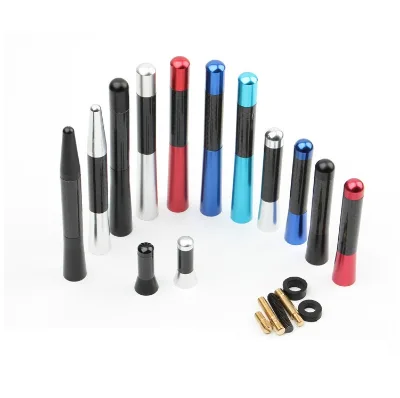
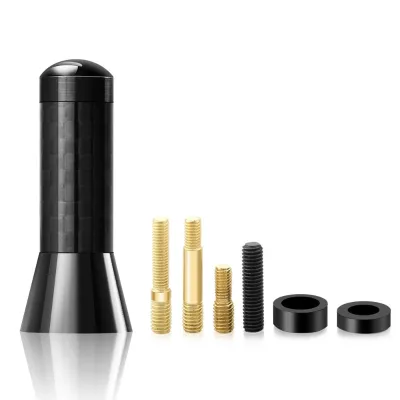
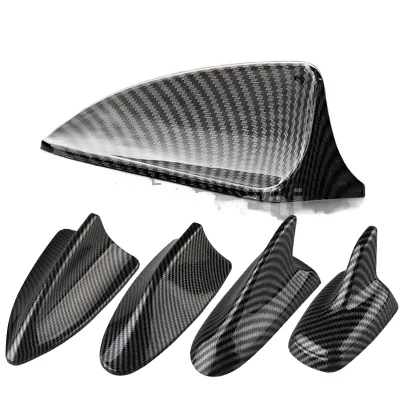
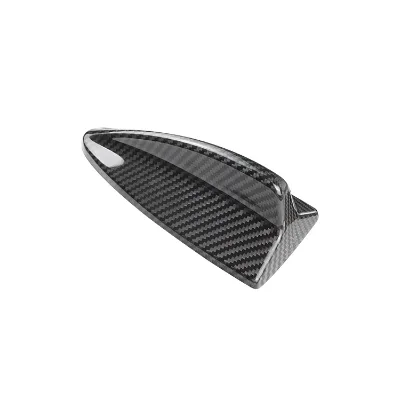
When sourcing Glossy Carbon Fiber Antenna Trim, buyers must first navigate the significant divergence in product definitions found in the current market. The term "antenna trim" often conflates two distinct categories: functional communication hardware and aesthetic automotive accessories. The supplied data reveals a complex landscape where "Car Sticker" products with "Directional Antenna" properties coexist with "Mesh Antenna" units designed for satellite reception. For a buyer specifically seeking glossy carbon fiber trim, the primary focus should be on the aesthetic and structural components that enhance vehicle appearance while potentially housing functional elements.
The technical specifications for these items vary widely based on their intended application. While some listed products are defined as "Car Sticker" types with a "Universal" car model fitment, others are explicitly "Mesh Antenna" units with specific wave ranges such as "C Wave Range Program" or "Ku Program." For the glossy carbon fiber variant, the material composition is a critical differentiator. The available data indicates that high-performance antenna structures often utilize "Carbon Fiber Tube" materials with a "3K Twill/Plain/No 3K" surface finish. This specific weave pattern is essential for achieving the desired glossy aesthetic while maintaining the structural integrity required for automotive environments.
Dimensions and physical attributes are equally critical. The market data shows antenna diameters ranging from 1.5 meters to 5.0 meters for larger satellite dishes, whereas automotive trim pieces often have specific length constraints, such as the "150cm" length noted for carbon fiber tubes. The outer diameter (OD) for such tubes is frequently standardized at "50mm," which dictates the compatibility with existing vehicle roof rails or shark fin housings. Buyers must verify that the "Surface Antenna" structure form aligns with the vehicle's aerodynamic profile. Furthermore, the "Directionality" of the antenna component must be confirmed; whether the trim is purely decorative or houses a "Directional Antenna" capable of "Protection Car Body" functions requires precise clarification with the supplier.
Material Composition and Surface Finish Standards
The core value proposition of glossy carbon fiber trim lies in its material science and surface treatment. The supplied facts highlight "Carbon Fiber Tube" as a primary material, often paired with "Aluminium/Steel" or "Steel Plates" for structural reinforcement. The "3K Twill" or "Plain" weave patterns mentioned in the data are industry standards for high-end carbon fiber applications. The "3K" designation refers to the number of filaments in a single tow, which directly influences the visual texture and mechanical strength of the final product. A glossy finish is typically achieved through specific resin formulations and polishing processes that seal the weave, creating a reflective surface that mimics high-gloss paint.
Buyers should scrutinize the surface process details. The data lists "3K Twill/Plain/No 3K" as available surface options, indicating that the visual pattern is a selectable specification. The "Black" color is the standard baseline for carbon fiber, but "Grey or Customized" options are also noted in the broader antenna market. For a glossy trim application, the finish must be uniform and free of resin pooling or weave exposure, which can degrade the aesthetic appeal over time. The "Thickness" of the carbon fiber tube is another variable; while some data points to a "1mm" thickness for steel plates, carbon fiber tubes often feature "Customized Thickness" to balance weight and rigidity.
It is crucial to distinguish between the structural material and the decorative finish. Some products listed as "Mesh Antenna" utilize "Aluminium" or "Steel" meshes, which do not possess the carbon fiber aesthetic. Buyers must explicitly request samples that confirm the "Carbon Fiber Tube" composition rather than a carbon-fiber-patterned vinyl or plastic overlay. The "Performance" attribute is listed as "High-Strength Type" in the data, suggesting that the glossy trim should not be merely cosmetic but capable of withstanding environmental stressors. The "Shape" of the product, described as a "Carbon Fiber Tube," implies a cylindrical or tubular form factor that must be integrated into the "Roof Shark Fin" position or similar automotive mounting points.
Compliance, Certification, and Quality Verification
Navigating the compliance landscape for automotive antenna trim requires a rigorous verification process, as the supplied data presents a mix of general standards and specific product certifications. The data references "SGS" as a product standard, which is a globally recognized third-party inspection and certification body. However, this standard is listed alongside satellite antenna products, and its applicability to glossy carbon fiber trim must be confirmed on a per-shipment basis. Buyers should not assume that a supplier's general SGS certification automatically covers the specific carbon fiber trim line unless explicitly stated in the product specification sheet.
In addition to third-party certifications, buyers must verify adherence to automotive industry standards. The "prod_standard" field in the data lists "20cm" and "25KG/Set," which appear to be dimensional or weight specifications rather than regulatory standards. This highlights a common confusion in B2B listings where physical attributes are mislabeled as standards. Buyers should request documentation proving compliance with relevant automotive safety and material standards, such as ISO 9001 for quality management or specific automotive material flammability ratings. The "Place of Origin" is listed as "Guangdong, China" and "Hefei, Anhui, China," indicating that suppliers operate in major manufacturing hubs. While these regions have robust industrial ecosystems, the specific factory's quality control protocols must be audited.
The "Customized" attribute appears frequently in the data, suggesting that many suppliers offer bespoke solutions. This customization capability often bypasses standard off-the-shelf certifications. When ordering customized glossy carbon fiber trim, the buyer must establish clear acceptance criteria for the "Customized Thickness" and "Customized" surface finishes. The "Standard Exported Package" mentioned in the data is a logistical requirement rather than a quality standard, but it implies that the product is prepared for international shipping, which should include protective packaging to prevent surface scratches on the glossy finish. Buyers should verify that the "Carton Box" or "Bulk" packaging includes internal cushioning to maintain the integrity of the "3K Twill" surface during transit.
Cost Drivers and Pricing Structure Analysis
The pricing for Glossy Carbon Fiber Antenna Trim is influenced by a complex interplay of material costs, manufacturing complexity, and customization levels. The observed price range in the market spans from $0.5 to $25,000, a variance that reflects the difference between simple decorative stickers and high-performance, large-diameter satellite antennas. For a specific glossy carbon fiber trim piece, the cost will likely fall within the mid-to-high range of this spectrum, driven by the expense of carbon fiber raw materials and the labor-intensive polishing required for a glossy finish.
Material costs are a primary driver. The use of "Carbon Fiber Tube" with a "3K" weave is significantly more expensive than alternative materials like "Aluminium/Steel" or plastic composites. The "Thickness" of the tube, which can be "Customized," directly impacts the amount of raw material required. Thicker tubes with higher fiber density command a premium price. Additionally, the "Surface" finish process, involving "3K Twill/Plain" weaving and subsequent resin application and polishing, adds substantial labor costs. The "High-Strength Type" performance attribute suggests that the material must meet rigorous mechanical requirements, further increasing the base cost compared to purely decorative items.
Customization is another significant cost factor. The data indicates that "Customization" and "Customized" options are available for both the product itself and its packaging. Customizing the "Color" to "Grey or Customized" or adjusting the "Diameter" and "Length" (e.g., to 150cm or specific dimensions) requires dedicated tooling and production runs. The "MOQ" (Minimum Order Quantity) ranges from 1 to 5000 units, meaning that smaller orders will incur a higher per-unit cost due to setup fees and lower economies of scale. Buyers should anticipate that a "1PCS/Carton" packing requirement for individual units may increase logistics costs compared to bulk packaging.
The "Standard Exported Package" and "Carton Box" specifications also contribute to the final landed cost. High-quality packaging is essential to protect the glossy surface, and the choice between "Bulk" and "Each in Individually" packing affects the total volume and shipping weight. Buyers must evaluate the total cost of ownership, including shipping from "Guangdong, China" or "Hefei, Anhui, China," and potential tariffs. The "25KG/Set" weight specification for certain antenna sets indicates that heavy components may incur higher freight charges, which should be factored into the budget.
Typical Applications and Integration Scenarios
The versatility of Glossy Carbon Fiber Antenna Trim allows for integration across multiple sectors, though the primary application is clearly automotive. The data explicitly lists "Usage" categories including "Protection Car Body," "Automotive," and "Roof Shark Fin." This confirms that the glossy carbon fiber trim is predominantly designed to enhance the aesthetic appeal of vehicles while potentially serving a protective function for the underlying antenna or roof structure. The "Universal" car model fitment suggests that these trims are designed to be adaptable to various vehicle makes, although the "Car Make: All Cars" claim should be verified against specific vehicle dimensions.
Beyond automotive applications, the data points to broader usage scenarios. The "Usage" field includes "Lattop, Home Theatre, Automotive, TV, Hand Held," indicating that similar antenna technologies are employed in residential and commercial settings. However, for glossy carbon fiber trim, the "Residential / General-Purpose" and "Commercial" applications are less likely to utilize the glossy aesthetic, which is primarily an automotive design language. The "Industrial" application category suggests that high-strength carbon fiber components might be used in rugged environments, but the "Glossy" finish implies a focus on consumer-facing aesthetics rather than purely industrial utility.
The "Position" of the trim is a critical factor in its application. The "Roof Shark Fin" position is a specific mounting location on modern vehicles where antenna trim is commonly installed. This position requires the trim to be aerodynamic and resistant to wind shear. The "Directional Antenna" property suggests that the trim may house a directional element, requiring precise alignment for optimal signal reception. The "Mesh Antenna" type, with its "C Band" or "Ku Program" wave ranges, is typically used for satellite communication, but the glossy carbon fiber trim is more likely to be a decorative cover for such systems or a standalone aesthetic enhancement for vehicle roofs.
Buyers should consider the "Application" context when specifying the product. For "Residential / General-Purpose" use, the "Outdoor" type designation is relevant, implying that the trim must withstand weather exposure. The "High-Strength Type" performance attribute supports this, ensuring the trim can endure rain, UV radiation, and temperature fluctuations. The "Easy Installation" feature is a key selling point for automotive applications, allowing for quick integration into the vehicle's existing roof structure without complex modifications.
Supplier Evaluation and Quality Control Protocols
Selecting a reliable supplier for Glossy Carbon Fiber Antenna Trim requires a multi-faceted evaluation strategy. The data indicates that suppliers are located in "Guangdong, China" and "Hefei, Anhui, China," regions known for their manufacturing capabilities. However, the presence of multiple origin points suggests a fragmented supply chain where buyers must verify the specific factory's capabilities. The "Customization" availability is a positive indicator of a supplier's flexibility, but it also necessitates a robust quality control process to ensure that custom orders meet the specified "Customized Thickness" and "3K Twill" requirements.
Quality control should focus on the visual and mechanical integrity of the product. The "Glossy" finish must be free of defects such as bubbles, uneven resin distribution, or visible weave patterns that deviate from the "3K Twill/Plain" standard. Buyers should request pre-production samples to verify the "Surface" finish and the "Black" or "Grey" color accuracy. The "Performance" attribute of "High-Strength Type" must be validated through mechanical testing, ensuring the "Carbon Fiber Tube" can withstand the forces expected in an automotive environment. The "Thickness" of 1mm or customized values should be measured precisely to ensure consistency across the batch.
The "prod_packing" and "prod_standard" fields provide clues about the supplier's attention to detail. The "Standard Exported Package" and "Carton Box" specifications suggest a commitment to protecting the product during transit. However, buyers should verify that the packaging includes sufficient cushioning to prevent scratches on the glossy surface. The "SGS" certification mentioned in the data is a valuable asset, but it should be confirmed that the specific product line is covered by this certification. The "25KG/Set" weight specification and "120X135cm" size dimensions should be cross-referenced with the actual product to ensure accuracy.
Buyers should also evaluate the supplier's ability to handle "Customized" orders. The "Customized" attribute appears frequently, indicating that many suppliers offer bespoke solutions. However, the ability to deliver consistent quality on custom orders depends on the supplier's internal processes. Buyers should request a detailed quality assurance plan that outlines how the supplier manages the "3K Twill" weave, resin application, and polishing processes. The "Lead Time" and "MOQ" values, ranging from 1 to 5000 units, should be discussed to ensure they align with the buyer's production schedule.
Long-Term Procurement and Supply Chain Resilience
Sourcing Glossy Carbon Fiber Antenna Trim is not just a one-time transaction but a long-term partnership that requires strategic planning. The "Customization" capability of suppliers offers flexibility, but it also introduces complexity into the supply chain. Buyers must establish clear communication channels to manage changes in design or specifications over time. The "Universal" car model fitment and "All Cars" compatibility claims should be regularly reviewed to ensure they remain accurate as vehicle designs evolve.
Supply chain resilience is critical given the global nature of the market. The "Place of Origin" in China indicates that buyers are reliant on international logistics. Disruptions in shipping, such as port delays or customs issues, can impact the delivery of "Standard Exported Package" goods. Buyers should consider diversifying their supplier base or maintaining safety stock to mitigate these risks. The "MOQ" range of 1 to 5000 units allows for flexibility in ordering, but buyers should plan for larger orders to achieve better economies of scale and reduce per-unit costs.
The "Performance" and "Material" attributes of the product must be monitored over time. The "Carbon Fiber Tube" and "3K Twill" materials are subject to degradation if not properly maintained. Buyers should work with suppliers to develop maintenance guidelines that ensure the "Glossy" finish remains intact throughout the product's lifecycle. The "High-Strength Type" performance should be validated periodically to ensure the product continues to meet safety and durability standards.
Finally, buyers should consider the environmental impact of their procurement decisions. The "Aluminium/Steel" and "Carbon Fiber" materials have different environmental footprints. Buyers may want to explore suppliers who offer sustainable manufacturing practices or recyclable packaging options. The "Standard Exported Package" and "Carton Box" specifications can be optimized to reduce waste. By focusing on long-term relationships and continuous improvement, buyers can ensure a steady supply of high-quality Glossy Carbon Fiber Antenna Trim that meets their evolving needs.
FAQs
What material is used for Glossy Carbon Fiber Antenna Trim?
The trim is constructed from Carbon Fiber Tube material with a 3K Twill or Plain weave surface. This high-strength composition ensures durability while providing the desired glossy aesthetic finish for automotive applications.
Can the antenna trim be customized for specific vehicle models?
Yes, customization is available for the product and its packaging. Buyers can request specific dimensions, such as a 150cm length or 50mm outer diameter, to ensure a proper fit for various car roof shark fin positions.
Which certifications are available for these antenna products?
Some products in the supply chain hold SGS certification as a product standard. Buyers should verify if this specific certification applies to the glossy carbon fiber trim line before placing a customized order.
How is the product packaged for international shipping?
Items are typically packed in a Carton Box with a standard exported package format. Some suppliers offer individual packing as 1PCS per carton to protect the glossy surface during transit from China.
What is the minimum order quantity for these antenna trims?
The minimum order quantity ranges from 1 to 5000 units depending on the supplier and customization level. Smaller orders may incur higher per-unit costs due to setup fees and lower economies of scale.
Where are the manufacturers of this trim located?
Manufacturers are primarily located in Guangdong, China, and Hefei, Anhui, China. These regions serve as major industrial hubs for producing automotive accessories and satellite antenna components.
What is the typical thickness of the carbon fiber tube?
The thickness can be customized to meet specific structural requirements. While some related steel components list a 1mm thickness, the carbon fiber tubes often allow for variable thickness to balance weight and rigidity.