Source Gold Finger LED TV Mainboard for Home, Hotel, and Car Use
Find 30 Gold Finger LED TV Mainboard options with varying screen sizes and smart features. Buyers can compare specifications like resolution, brightness, and connectivity for indoor or outdoor applications.
Key considerations
Products List


Amaz 65 Inch LED TV SKD/CKD Television Main Card Board LED TV Motherboard
$25.00 - $499.00
MOQ: 500 Pieces

43 Inches Smart Television High Resolution LED TV Main Board Gaming TV
$93.00 - $100.00
MOQ: 100 Pieces
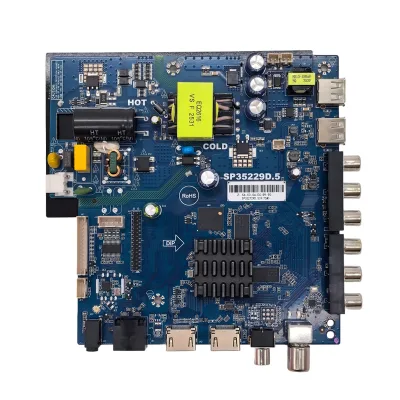
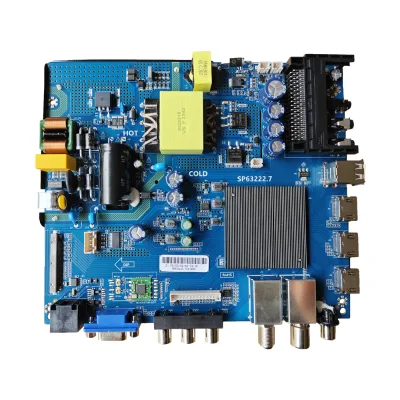


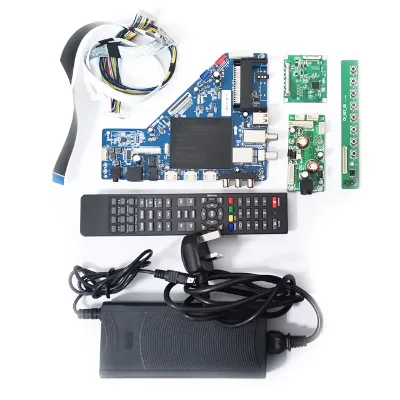
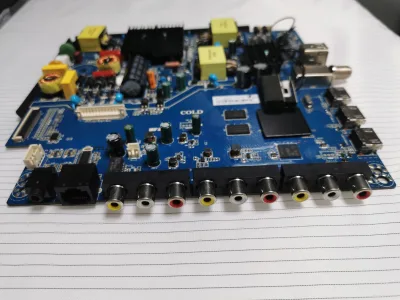
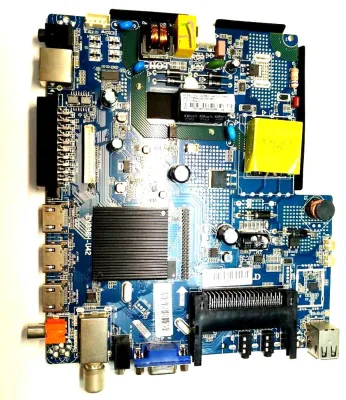


Android System Mainboard with Integrated WiFi and Bluetooth Connectivity
$53.90 - $57.80
MOQ: 2 Pieces


2020 New Model LED LCD TV 15 17 19 22 24 Inch V56 Mainboard with USB &VGA
$25.00 - $27.00
MOQ: 100 Pieces

Comprehensive Sourcing Guide
Strategic Sourcing Guide for Gold Finger LED TV Mainboards
Understanding the Core Component and Market Context
The Gold Finger LED TV Mainboard represents a critical interface component within the modern television supply chain, serving as the central processing unit that bridges the digital signal processing capabilities with the physical display panel. In the context of B2B procurement, particularly for manufacturers assembling televisions or refurbishing units, the "gold finger" designation refers to the specific edge connector plating that ensures a reliable electrical connection between the mainboard and the TV chassis or backplane. This guide synthesizes available product data to provide a disciplined framework for sourcing these components, focusing on the technical realities observed in the current market rather than speculative claims.
The market for these components is characterized by a diverse range of specifications, from standard definition to ultra-high-definition capabilities. Procurement teams must recognize that a single keyword search often yields products with vastly different internal architectures. The supplied data indicates a clear segmentation in the market based on resolution and screen size compatibility. Buyers will encounter mainboards designed for 32-inch to 55-inch screens, as well as units specifically engineered for larger displays exceeding 55 inches. This variance necessitates a rigorous initial screening process to ensure the mainboard's processing power and signal handling capabilities align with the intended display panel's resolution requirements, whether that be Full HD (1080P), UHD, or specific high-refresh-rate configurations.
Technical Specifications and Interface Compatibility
When evaluating gold finger LED TV mainboards, the primary technical differentiator is the resolution support and the associated signal processing architecture. The available product data highlights a spectrum of capabilities, ranging from standard HD resolutions to advanced UHD configurations. A critical observation from the market data is the existence of mainboards supporting "Full HD Max 1920x1080@120Hz," which suggests a specific subset of high-performance boards capable of handling higher refresh rates for smoother motion rendering. Conversely, other entries in the dataset specify resolutions up to "Max UHD (1920*2160)," indicating a potential discrepancy in standard UHD definitions (typically 3840x2160) versus the specific data provided, which requires immediate verification by the buyer.
The connectivity and signal input standards are equally vital. The data points to a robust support for multiple digital television standards, including DVB-T2, DVB-S2, DVB-C, ATSC, and ISDB-T. This versatility is essential for suppliers targeting global markets where broadcast standards vary significantly by region. Furthermore, the presence of "Optional Digital TV" attributes suggests that some mainboards may be configurable or come in variants tailored to specific regional broadcasting requirements. The color system support, listed as PAL, NTSC, and SECAM, further underscores the need for a mainboard that can adapt to legacy and modern analog and digital signal formats without requiring additional external tuners.
Power management is another critical technical specification. The observed power rating range of 110-240V indicates a wide input voltage capability, which is standard for international deployment but requires careful verification of the specific power supply unit (PSU) compatibility. The backlight value range of 35V-110V is particularly significant for the gold finger interface, as this voltage range dictates the compatibility with the LED backlight driver circuits. Mismatches in this voltage range can lead to display failures or reduced panel lifespan. Additionally, the module numbers, such as SP35229D.5 and SP63222.7, serve as unique identifiers for the internal architecture, including memory configurations like 1+8G RAM, which directly impacts the performance of smart TV functionalities.
Compliance, Certification, and Regulatory Standards
In the B2B procurement of electronic components, compliance with international standards is non-negotiable. While the provided data lists specific physical dimensions and packaging standards, such as a single package size of 15x14x1.2 cm and a gross weight of 0.150 kg, it does not explicitly confirm compliance with major safety or electromagnetic compatibility (EMC) certifications. Buyers must independently verify that the gold finger mainboards meet the regulatory requirements of their target markets, such as CE, FCC, or RoHS compliance. The absence of explicit certification data in the product listings means that relying on the supplier's word without third-party verification is a significant risk.
The data mentions a "prod_standard" of 781252CM and 1547146913, which appear to be dimensional specifications rather than regulatory standards. Procurement teams should treat these as physical constraints for packaging and shipping rather than indicators of product safety or quality certification. It is imperative to request official test reports and certification documents from the supplier before placing an order. The origin of the product, identified as Guangdong, China, places the manufacturing within a major electronics hub, but this location alone does not guarantee adherence to specific international quality benchmarks. Buyers should establish a requirement for suppliers to provide up-to-date compliance documentation for every batch of mainboards purchased.
Cost Drivers and Pricing Dynamics
The pricing of gold finger LED TV mainboards is influenced by a complex interplay of factors, including resolution capabilities, memory configuration, and the level of customization offered. The observed price range in the market spans from $0.05 to $499, a vast disparity that reflects the difference between basic mainboards and high-end, feature-rich units. The lower end of the spectrum likely corresponds to standard definition or basic HD boards with minimal memory and fewer smart features. In contrast, the higher price points are associated with UHD support, advanced processing units, and integrated smart TV functionalities like Miracast, Voice Control, and Bluetooth.
Memory configuration is a primary cost driver. The data highlights a specific module with "1+8G" memory, which is a standard configuration for modern smart TVs. Boards with higher memory capacities or faster processing speeds will command a premium. Additionally, the "Customization: Available" attribute suggests that suppliers can modify the mainboard firmware or hardware to suit specific client needs, which typically incurs additional costs. The Minimum Order Quantity (MOQ) ranges from 1 to 1000 units, indicating that buyers can source small quantities for prototyping or testing, but economies of scale will significantly reduce the unit cost for larger orders. Buyers should negotiate based on volume tiers, understanding that the cost per unit will decrease as the order quantity increases, particularly for standard models like the AL431 or AL1002-1.
Typical Applications and Functional Integration
The versatility of gold finger LED TV mainboards allows them to be deployed across a wide array of applications, from residential use to commercial environments. The data explicitly lists usage scenarios including Indoor or Outdoor, Home TV, Bathroom TV, Kitchen TV, Hotel TV, and Car TV. This broad applicability is driven by the mainboard's ability to handle various input sources and display formats. For instance, the "Bathroom TV" and "Kitchen TV" applications require mainboards that can withstand specific environmental conditions, such as humidity and temperature fluctuations, which may necessitate additional protective coatings or specialized enclosures.
Smart TV functionality is a key differentiator in modern applications. The inclusion of features like Miracast, Voice Control, and Bluetooth in the product data indicates that these mainboards are designed to integrate seamlessly with modern ecosystems. This is particularly relevant for the "Hotel TV" and "Home TV" segments, where user experience and connectivity are paramount. The "Functional Application: Smart TV" attribute confirms that these boards are not merely passive display drivers but active processing units capable of running operating systems and applications. For commercial applications like "Car TV," the mainboard must also support mobile power inputs and potentially ruggedized interfaces, although the specific power requirements for these applications should be verified against the 110-240V standard listed.
Supplier Evaluation and Quality Assurance
Evaluating suppliers for gold finger LED TV mainboards requires a multi-faceted approach that goes beyond simple price comparison. The "Brand" attribute, listing options like "Amaz" or "OEM," suggests that buyers can choose between branded components or generic OEM solutions. While OEM options may offer cost savings, branded components often come with more consistent quality control and better after-sales support. The "Panel: A Grade" and "Original A Grade" specifications indicate that the mainboards are designed to work with high-quality display panels, but the actual quality of the mainboard itself must be verified through sample testing.
Quality control should be a central part of the procurement process. Buyers should implement a rigorous testing protocol that includes visual inspection of the gold finger contacts for oxidation or damage, electrical testing to verify signal integrity and power stability, and functional testing to ensure all smart features operate correctly. The "Assemble Rate: SKD/CKD" attribute suggests that some suppliers offer Semi-Knocked Down or Completely Knocked Down options, which can impact the quality control process. SKD and CKD components may require additional assembly and testing on the buyer's end, so the supplier's ability to provide clear assembly instructions and technical support is crucial. Additionally, the "Place of Origin: Guangdong, China" should be verified to ensure the manufacturing facility meets the buyer's ethical and quality standards.
Long-Term Procurement and Supply Chain Resilience
Sourcing gold finger LED TV mainboards is not just a one-time transaction but a strategic decision that impacts the long-term viability of the buyer's product line. The "Customization: Available" feature offers flexibility for future product iterations, allowing buyers to adapt to changing market demands without completely redesigning their product. However, this customization capability must be managed carefully to avoid supply chain bottlenecks. Buyers should establish long-term agreements with suppliers that guarantee consistent quality and availability, especially for critical components like the mainboard.
The "Single package size" and "Single gross weight" data provided are useful for logistics planning, but buyers should also consider the scalability of the supplier's production capacity. The observed MOQ range of 1 to 1000 units suggests that suppliers can accommodate both small and large orders, but the lead time for larger orders should be confirmed. Buyers should also monitor the market for potential shortages of key components, such as memory chips or processors, which could impact the availability of specific mainboard models. By maintaining a diverse supplier base and regularly reviewing the technical specifications of available products, buyers can ensure a resilient supply chain that can adapt to future technological advancements and market shifts.
Conclusion
The procurement of gold finger LED TV mainboards requires a meticulous approach that balances technical specifications, compliance requirements, and cost considerations. The data provided highlights a diverse market with options ranging from basic HD boards to advanced UHD smart TV units. Buyers must carefully verify the compatibility of these components with their specific display panels and application requirements, ensuring that the gold finger interface, power ratings, and signal processing capabilities align with their needs. By adhering to a disciplined evaluation process and maintaining a focus on long-term supply chain resilience, procurement teams can secure high-quality mainboards that support the development of competitive and reliable television products.
FAQs
What resolution options are available for gold finger led tv mainboards?
Available resolutions include HD, Full HD, and UHD configurations. Specific models support Full HD Max 1920x1080@120Hz or Max UHD 1920x2160 depending on the module number selected for the display panel.
Can these mainboards support multiple digital TV standards?
Yes, optional digital TV support includes DVB-T2, S2, T, C, ATSC, and Isdbt standards. This allows the mainboard to adapt to various regional broadcast requirements without needing external tuners.
What is the power rating range for these LED TV mainboards?
The power rating supports a wide input voltage range of 110 to 240V. This ensures compatibility with international power grids and allows for versatile deployment in different geographic locations.
Which screen sizes are compatible with these gold finger mainboards?
Compatible screen sizes range from 32 inches up to 55 inches and include models for screens larger than 55 inches. Specific sizes like 43, 65, and 32 inches are listed in the product specifications.
What smart features are integrated into these LED TV mainboards?
Integrated smart features include Miracast, Voice Control, and Bluetooth connectivity. These functions enable the mainboard to operate as a functional Smart TV with modern connectivity options.
How can I customize the specifications of these mainboards?
Customization is available for specific client requirements regarding firmware or hardware. Buyers can request modifications to fit unique assembly needs or specific regional broadcast standards.