Source Gold Enamel Tie Bar and Cuff Links Set for Office, Wedding, and Gift
Explore 30 verified listings for the Gold Enamel Tie Bar and Cuff Links Set, featuring zinc alloy and brass materials with customizable logos. Buyers can compare plating colors, packing options, and MOQs ranging from 5 to 500 pieces for business and formal occasions.
Key considerations
Products List
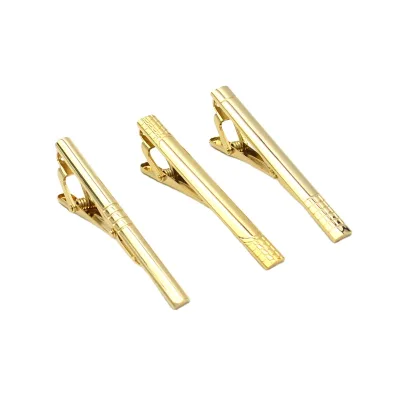


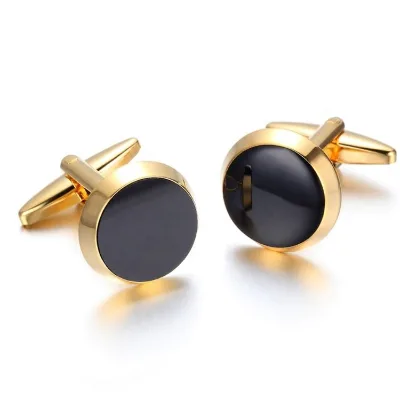


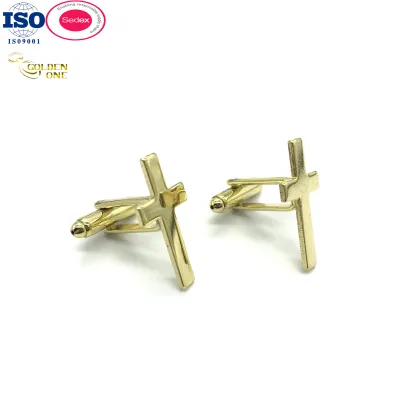
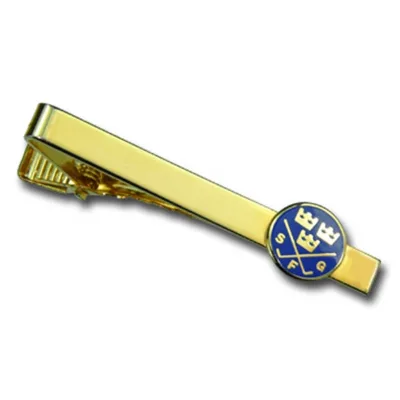
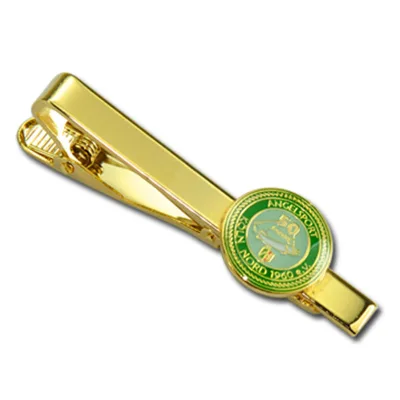


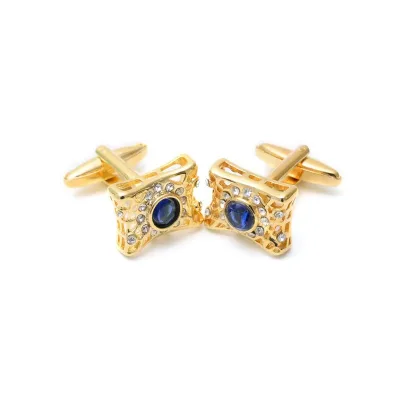
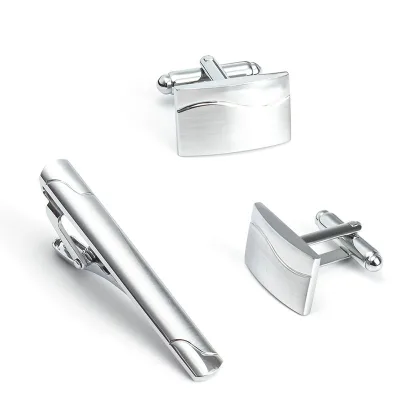
Comprehensive Sourcing Guide
Strategic Sourcing Guide for Gold Enamel Tie Bar and Cuff Links Sets
Navigating the B2B market for gold enamel tie bar and cuff links sets requires a disciplined approach to verifying product attributes, material integrity, and supplier capabilities. The core keyword implies a specific aesthetic and functional combination: a metallic finish, often gold-toned, enhanced with enamel detailing, paired as a coordinated set for formal wear. Based on the available market data, buyers must distinguish between generic alloy products and those specifically engineered for this style. The procurement process begins with a rigorous analysis of technical specifications, as the observed product landscape includes items ranging from simple brass stamps to complex zinc alloy castings. Understanding these distinctions is critical before engaging with potential suppliers to ensure the final product meets the intended design and durability standards.
Technical Specifications and Material Composition
The foundation of a high-quality tie bar and cuff links set lies in its material composition and manufacturing process. The observed market data indicates a prevalence of Zinc Alloy and Brass as primary materials. Specifically, "Zinc Alloy Casting" and "Stamped Brass" are noted production methods. For a gold enamel set, the base metal must provide a smooth surface for plating and sufficient structural integrity to hold the enamel. The data confirms that "Alloy" and "Iron" are also present in the market, though Iron is less common for high-end formal wear due to potential corrosion issues without robust plating.
The plating process is a critical specification. While the keyword specifies "gold," the observed attributes list "Plating Color: Customized Service" and "Plating: Silver." This indicates that a "gold" finish is likely a custom plating request rather than a standard stock attribute. Buyers must verify the thickness of the gold plating, typically measured in microns, to ensure it does not wear off quickly. The "Inlay Technology" observed includes "Claw Setting," which is traditionally used for stones, but in the context of enamel, it suggests a method for securing the enamel within a metal frame. However, the data also notes "Main Stone: No Stone," clarifying that the "enamel" in the keyword refers to the colored glass-like material, not gemstones.
The shape and style further define the technical requirements. Observed attributes include "Rectangular" shapes and "Totem" patterns, alongside "Elegant" and "Fashion" styles. A tie bar is typically rectangular or oval, while cuff links can vary from round to rectangular. The "Custom Design Tie Clip" attribute suggests that suppliers are open to bespoke geometries. Buyers should request technical drawings that specify the exact dimensions, as the "prod_standard" is listed as "custom size" or "custom." This flexibility allows for branding but requires precise communication to avoid manufacturing errors.
Compliance, Certification, and Safety Standards
In the B2B sector, compliance is not merely a formality but a prerequisite for market entry, particularly in regions like the US and Europe. The data highlights "Regional Feature: Us, Europe," indicating that products are often targeted at these markets. Consequently, buyers must verify that the supplier adheres to specific regional regulations regarding heavy metals and chemical content. While the provided facts do not list specific certification numbers, the "prod_standard: custom" implies that standards are negotiated per order.
Buyers should explicitly request documentation for compliance with REACH (Registration, Evaluation, Authorisation and Restriction of Chemicals) for European markets and CPSIA (Consumer Product Safety Improvement Act) for the US. These regulations govern the limits of lead, cadmium, and nickel in jewelry. The "Material Sources: Artificial" note suggests the use of man-made alloys, which must still meet safety thresholds for skin contact. Furthermore, the "Customized Logo" attribute introduces a need for intellectual property protection. Suppliers must demonstrate that they have the legal framework to handle custom branding without infringing on third-party rights.
The "Standard" field in the data is vague, listing "custom" and "custom size." This lack of a universal standard necessitates that the buyer defines the acceptance criteria in the purchase agreement. This includes tolerance levels for plating thickness, enamel adhesion, and dimensional accuracy. Without a defined standard, the risk of receiving a product that looks correct in photos but fails in physical testing increases significantly.
Cost Drivers and Pricing Dynamics
Understanding the cost structure of gold enamel tie bar and cuff links sets is essential for budgeting and negotiation. The observed price range in the market is $0.20 to $12.42 USD. This wide variance is driven by several factors, primarily the complexity of the design, the quality of materials, and the volume of the order. The lower end of the spectrum likely corresponds to simple stamped brass or iron pieces with basic plating, while the higher end reflects zinc alloy casting, intricate enamel work, and premium packaging.
The Minimum Order Quantity (MOQ) is another significant cost driver. The observed MOQ range is 5 to 500 pieces, with a specific high-confidence fact noting an MOQ of 50 PCS. Orders falling below the supplier's standard MOQ often incur higher per-unit costs or setup fees. The "Customization: Available" attribute suggests that bespoke designs will carry a premium. This includes the cost of creating new molds for casting or setting up new stamping dies.
Packaging also influences the final cost. The data lists "1PCS/Plastic Bag + Bubble Bag" and "1PC/OPP Bag" as standard options, but the keyword "Gold Enamel Tie Bar and Cuff Links Set" implies a premium presentation. The "prod_packing" attribute also mentions "box" and "Gold set (no box)," indicating that the inclusion of a branded box is a variable cost. Buyers must decide if the cost of a high-quality box is justified by the target market's expectations. For corporate gifts or high-end retail, the packaging cost is a necessary investment; for promotional use, simple OPP bags may suffice.
Typical Applications and Market Segmentation
The versatility of tie bar and cuff links sets allows them to serve multiple market segments. The observed "Occasions" include "Office Occasions," "Anniversary," "Engagement," "Gift," "Party," and "Wedding." This broad applicability means that a single product line can target different customer bases. The "Suitable Place: Office" and "Characteristic: Business" attributes highlight the primary use case: professional attire. In this context, the product must project reliability and elegance.
The "Gender: Unisex" and "Suitable for: Female, Male" attributes indicate that these sets are not strictly gendered, though the "Cuff Links or Tie Clips Type: Cuff Links" suggests a traditional association with men's formal wear. However, the "Fashion" style and "Totem" pattern suggest a potential appeal to unisex or fashion-forward demographics. The "Usage: Promotion Gift" attribute points to a significant B2B segment where companies order bulk sets for client appreciation or employee recognition. In this scenario, the "Custom Logo" feature becomes the primary value driver, with the aesthetic quality serving as a secondary but important factor.
Supplier Evaluation and Capability Assessment
Selecting the right supplier requires a deep dive into their manufacturing capabilities and track record. The data indicates that products originate from "China" and specifically "Guangdong, China," a major hub for jewelry manufacturing. Buyers should verify the supplier's specific location within this region, as Guangdong has varying levels of industrial maturity. The "Process" attributes, such as "Die Stamping" and "Zinc Alloy Casting," suggest that suppliers may have different lines for different production methods. A supplier capable of both stamping and casting offers greater flexibility for custom designs.
The "Sample Time: 5-7 days" is a critical metric for evaluating responsiveness. A supplier who can deliver a prototype within this timeframe demonstrates an efficient workflow and readiness to move quickly. However, buyers must ensure that the sample quality matches the final production expectations. The "Processing: Semi-Manual" attribute suggests that some steps are hand-finished, which can lead to slight variations in the final product. Buyers should assess whether the supplier's semi-manual process aligns with their quality tolerance.
When evaluating suppliers, buyers should request a portfolio of previous work, specifically looking for examples of "Gold set" and "Customized Logo" items. The ability to handle "Custom Design" and "Customized Service" for plating colors is a key differentiator. Suppliers who offer "Plating Color: Customized Service" are better equipped to match specific brand colors or gold tones. Additionally, the "Nickname: Tie Clip" and "Item: Custom Logo Plain Raw Brass Metal Cufflin" entries show that suppliers often have diverse inventories; buyers must ensure the supplier can pivot to the specific "Gold Enamel" requirement rather than just selling off-the-shelf items.
Quality Control and Long-Term Procurement Strategy
Quality control (QC) is paramount for jewelry products, where aesthetic flaws are immediately noticeable. The "Inlay Technology: Claw Setting" and "Process: Die Stamping" require precise inspection. Buyers should implement a QC protocol that checks for enamel chipping, plating uniformity, and the security of the clasp mechanisms. The "Main Stone: No Stone" attribute simplifies the QC process by removing gemstone verification, but it increases the focus on the enamel application and metal finish.
For long-term procurement, consistency is key. The "Customized Logo" and "Custom Design" attributes mean that the supplier must maintain the integrity of the branding over multiple production runs. Buyers should establish a "Golden Sample" that serves as the reference for all future orders. The "Standard: custom" nature of the product means that any changes in the supplier's process must be communicated and approved before production begins.
The "MOQ: 50 PCS" fact suggests that small batches are feasible, which is beneficial for testing the market. However, for long-term success, buyers should aim to consolidate orders to meet higher volume tiers, which often result in better pricing and priority production slots. The "Lead Time" is not explicitly stated in the data, but the "Sample Time" of 5-7 days implies a relatively agile supply chain. Buyers should negotiate a clear production lead time in the contract to manage inventory levels effectively.
Comparison of Product Attributes
To facilitate decision-making, the following table summarizes the key attributes observed in the market data, helping buyers compare potential product offerings against their specific requirements for a Gold Enamel Tie Bar and Cuff Links Set.
| Attribute Category | Observed Options | Relevance to Gold Enamel Set |
|---|---|---|
| Material | Zinc Alloy, Brass, Iron, Alloy | Zinc Alloy and Brass are preferred for plating and durability. |
| Plating | Customized Service, Silver, Gold (implied) | "Customized Service" is essential for achieving the gold tone. |
| Process | Die Stamping, Zinc Alloy Casting, Semi-Manual | Casting allows for complex shapes; Stamping is cost-effective. |
| Packaging | Plastic Bag + Bubble, OPP Bag, Box | Box packaging is recommended for premium sets; OPP for bulk. |
| Customization | Logo, Design, Size, Color | All are critical for branding and specific design requirements. |
| MOQ | 5, 50, 500 PCS | 50 PCS is a common entry point; lower MOQs increase unit cost. |
| Origin | China, Guangdong | Guangdong offers high manufacturing density and expertise. |
| Target Occasion | Office, Wedding, Gift, Party | Ensures the design matches the intended use case. |
Conclusion
Sourcing a Gold Enamel Tie Bar and Cuff Links Set involves a careful balance of aesthetic requirements, technical specifications, and supply chain logistics. The market data reveals a diverse landscape of materials, processes, and customization options. Buyers must prioritize suppliers who demonstrate expertise in zinc alloy casting and brass stamping, as these processes best support the complex requirements of enamel work and gold plating. The ability to provide custom plating, logos, and designs is non-negotiable for meeting the specific needs of this keyword. By rigorously evaluating suppliers based on their sample turnaround times, material sourcing, and compliance capabilities, buyers can secure a high-quality product that meets both functional and aesthetic standards. The wide price range and flexible MOQs offer opportunities for both small-scale testing and large-scale deployment, provided that quality control measures are strictly enforced throughout the procurement lifecycle.
FAQs
How can I get a customized logo on the set?
You can obtain a customized logo on the set as customization is available for this product. Suppliers offer this service to meet specific branding needs, often requiring a sample time of 5 to 7 days before full production begins.
What materials are used for these cuff links?
These cuff links are primarily made from Zinc Alloy, Brass, or Iron, with some items listed as Alloy. The material choice affects the manufacturing process, which can include die stamping or zinc alloy casting depending on the design complexity.
Which packaging options are available for bulk orders?
Standard packaging options include 1 piece per plastic bag with a bubble bag or 1 piece per OPP bag. Some listings also mention a box option, allowing you to choose between simple protective packaging or premium presentation for gifts.
Can I order a small quantity with a custom design?
Yes, you can order small quantities as the minimum order quantity ranges from 5 to 500 pieces, with some specific listings starting at 50 pieces. Custom designs are available, though they may require a specific mold setup or die stamping process.
What is the typical sample time for a new design?
The typical sample time for a new design is 5 to 7 days. This allows suppliers to produce a prototype using processes like die stamping or semi-manual processing before you approve the final bulk production run.
Which plating colors can be customized for this set?
Plating colors can be customized to match your specific requirements, including gold or silver finishes. While silver is a standard observed attribute, the service allows for varied plating colors to achieve the desired aesthetic for the gold enamel style.
What is the origin location for these jewelry products?
The products originate from China, with specific manufacturing hubs located in Guangdong. This region is known for its jewelry production capabilities, offering various processes like casting and stamping for items like tie clips and cuff links.