Source Gold Foil Crystal Meditation Beads for Jewelry, Gifts, and Decor
Find and compare Gold Foil Crystal Meditation Beads from 30 verified listings. Evaluate options for jewelry making, holiday gifts, and home decoration based on material, size, and customization availability.
Key considerations
Products List



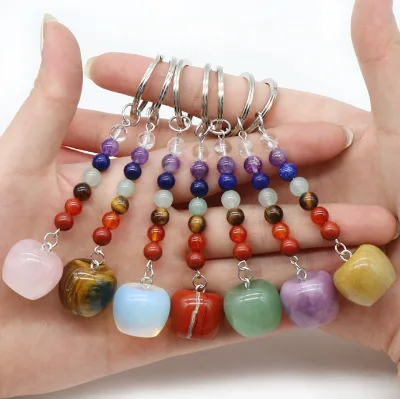
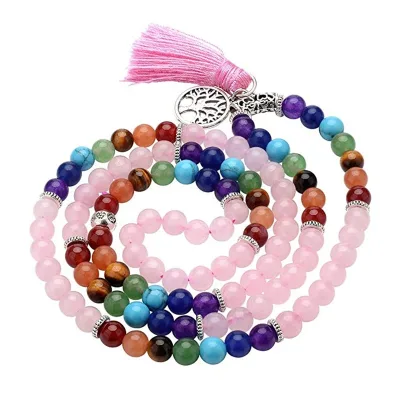
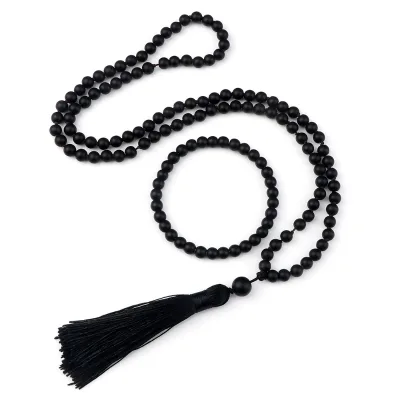
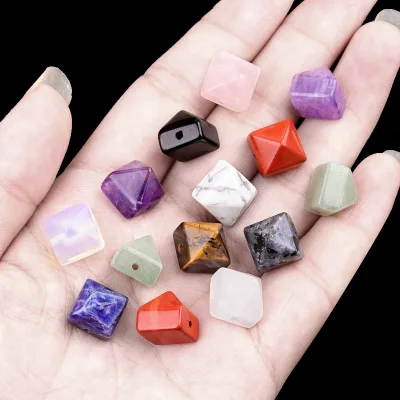
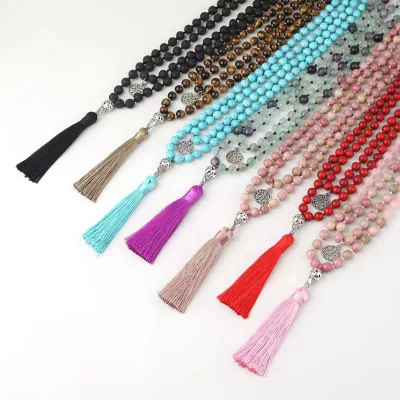
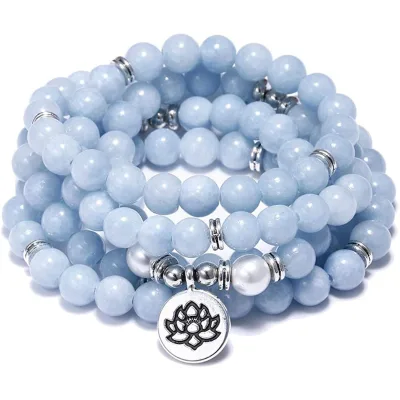


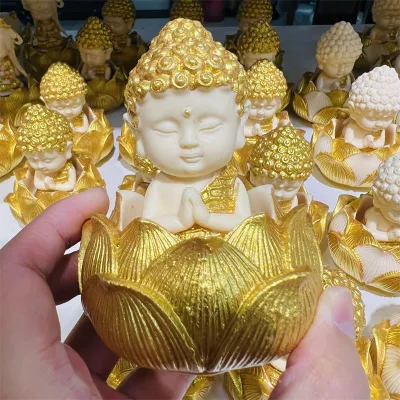
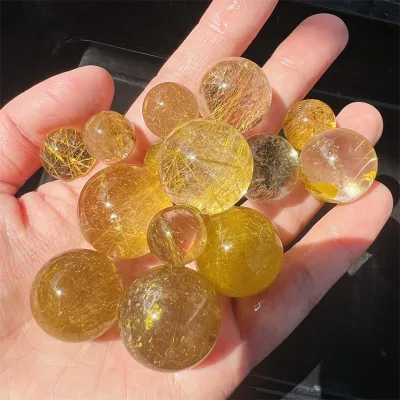
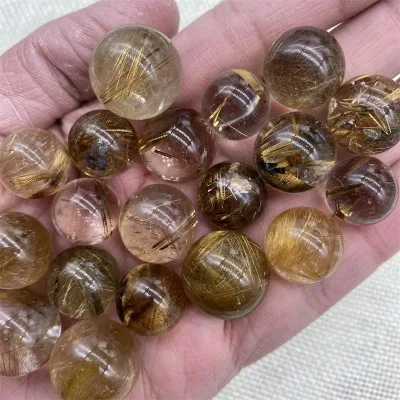
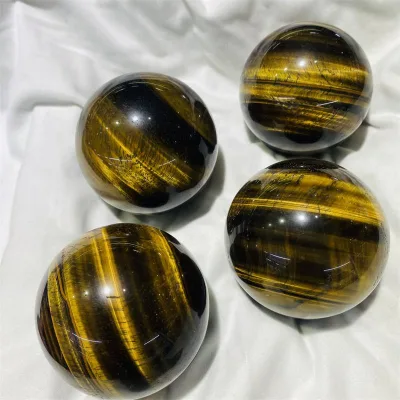
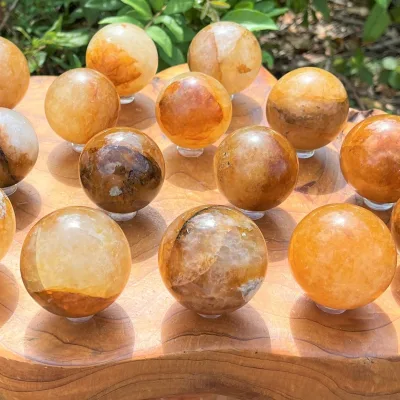


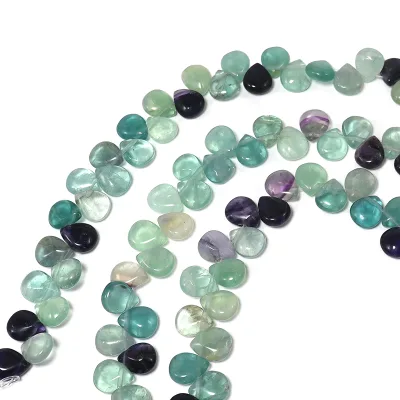

Comprehensive Sourcing Guide
Gold Foil Crystal Meditation Beads Sourcing Guide
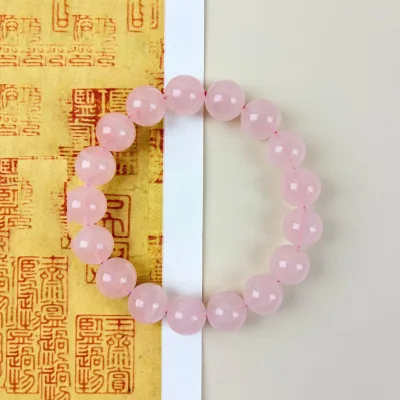
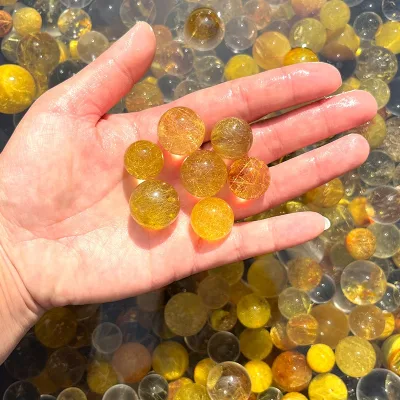
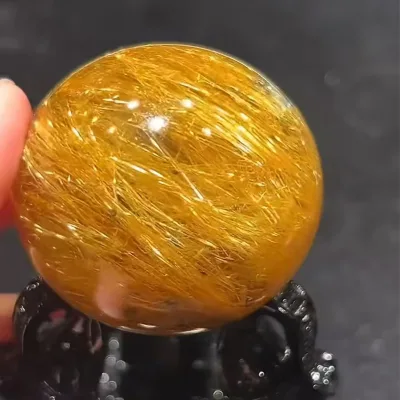
The market for Gold Foil Crystal Meditation Beads presents a unique intersection of spiritual utility and decorative craftsmanship, where the core value lies in the integration of natural stone with metallic accents. While the specific term "gold foil" often implies a specific manufacturing technique, the available product data indicates a broader category of natural crystal beads, including rose quartz, citrine, and tiger eye, which are frequently polished and customized for meditation and jewelry applications. Buyers must distinguish between products that feature actual gold leaf application and those that utilize metallic finishes or colored stones to achieve a similar aesthetic, as the supply chain often groups these under general "crystal" or "natural crystal" classifications.
Procurement for this category requires a nuanced understanding of the material composition, as the listed facts highlight a prevalence of natural materials like quartz and rose quartz rather than synthetic alternatives. The observed product range includes items specifically designed for energy amplification, spiritual growth, and energy balance, suggesting that the primary buyer demographic seeks functional spiritual tools rather than purely decorative objects. Consequently, sourcing strategies must prioritize suppliers who can verify the natural origin of the stones and demonstrate the capability to apply metallic finishes without compromising the structural integrity or the perceived energetic properties of the beads.
Product Scope and Observed Listing Signals
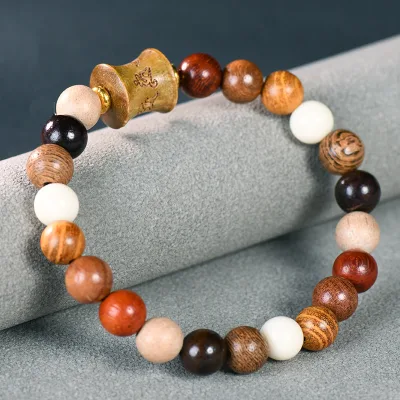
The product scope for Gold Foil Crystal Meditation Beads encompasses a diverse array of applications ranging from personal jewelry making and bracelet construction to home decoration and business gifting. The observed listings reveal that these items are frequently marketed with specific benefits such as promoting energy balance, vitality, and manifestation, which are critical selling points for the meditation and wellness sectors. Buyers should note that the "gold foil" aspect may be part of a broader customization offering, where suppliers provide options for custom shapes, colors, and specific stone types like cat eye stone or rose quartz to meet the unique aesthetic requirements of the end-user.
Listing signals indicate a high degree of flexibility in product configuration, with suppliers offering both standardized sizes and fully customized dimensions to accommodate various design needs. The data shows that products are available in multiple forms, including strands, loose beads, and finished bracelets, with packaging ranging from simple OPP bags to master cases suitable for retail distribution. This variability suggests that buyers should not assume a single product definition but rather evaluate the specific configuration that aligns with their target market, whether it be high-volume wholesale of loose beads or low-volume sales of finished, branded jewelry pieces.
Technical Specifications to Verify
When evaluating technical specifications, the bead size and hole diameter are critical parameters that directly impact the usability of the product for jewelry making and DIY projects. The observed data specifies hole sizes as small as 1mm and bead sizes ranging from 3mm to 12mm, with some products offering custom size options to fit specific design constraints. Buyers must verify that the hole size is consistent across the batch to ensure smooth threading, especially when working with delicate gold foil applications that might be prone to flaking if the bead surface is uneven or the hole is too tight.
The finish and polishing technique are equally important, as the listed facts confirm that a polished finish is standard for these natural crystal products. A high-quality polish is essential to protect the gold foil layer and ensure the beads have a smooth, lustrous appearance that enhances their spiritual and decorative appeal. Procurement teams should request samples to verify the uniformity of the polish and the adhesion of any metallic coatings, ensuring that the finish does not degrade during the stringing process or through normal wear and tear in the case of finished bracelets.
Compliance and Safety Documentation
Compliance and safety documentation for Gold Foil Crystal Meditation Beads primarily focus on material safety and the integrity of the metallic components used in the finishing process. While the provided facts do not list specific certifications, buyers should expect suppliers to provide documentation confirming that the natural crystals are free from harmful heavy metals and that any gold foil or metallic paint adheres to international safety standards for jewelry and consumer goods. This is particularly relevant for products intended for direct skin contact, such as bracelets, where the risk of allergic reactions or toxicity must be mitigated through rigorous material testing.
In addition to material safety, buyers should verify that the packaging and shipping methods comply with international regulations, especially when dealing with fragile items like polished crystals with delicate foil finishes. The observed shipping options include major carriers like DHL, UPS, and FedEx, which implies that suppliers are accustomed to handling delicate goods, but specific instructions on how to protect the gold foil during transit should be included in the supplier's quality assurance protocols. Ensuring that the packaging is robust enough to prevent crushing or abrasion is a key part of the compliance strategy to maintain product quality upon delivery.
Cost Drivers and Commercial Terms
Cost drivers for Gold Foil Crystal Meditation Beads are heavily influenced by the customization level, the specific type of natural crystal used, and the complexity of the metallic finishing process. The observed price range is extensive, spanning from $0.01 to over $2500, which reflects the difference between bulk raw materials and finished, high-value artisanal pieces. Buyers must carefully analyze the unit price against the customization requirements, as custom shapes, specific color combinations, and branded packaging can significantly increase the cost per unit compared to standard, off-the-shelf inventory.
Commercial terms such as payment methods and minimum order quantities (MOQ) are also significant factors in the total cost of ownership. The data indicates that suppliers accept various payment methods including TT, PayPal, and Western Union, and MOQs can range from as low as 2 units to 1000 units, offering flexibility for both small startups and large distributors. Buyers should negotiate terms that align with their cash flow and inventory strategy, considering that lower MOQs may come with higher per-unit costs, while larger orders might offer volume discounts but require a greater upfront capital commitment.
Supplier Qualification and Quality Control
Supplier qualification for this category requires a thorough assessment of their ability to maintain consistency in natural stone sourcing and the precision of their gold foil application. The observed data highlights that suppliers are located in regions like Guangdong and Tianjin, China, which are known for their manufacturing capabilities in jewelry and crystal products. Buyers should verify the supplier's experience with natural materials like rose quartz and quartz, ensuring they have a reliable supply chain that can provide consistent color and clarity, as natural stones can vary significantly in appearance.
Quality control processes must be robust enough to handle the delicate nature of gold foil finishes and the fragility of polished crystals. Buyers should request detailed quality control reports that include checks for surface defects, foil adhesion, and dimensional accuracy. The ability of the supplier to offer OEM/ODM services is a strong indicator of their flexibility and commitment to meeting specific buyer requirements, but it also necessitates a clear communication channel to ensure that the final product matches the design specifications and quality expectations set forth in the initial agreement.
Long-Term Procurement Checks
Long-term procurement checks should focus on the stability of the supplier's material supply and their ability to maintain product quality over repeated orders. Since the core material is natural crystal, variations in stone quality can occur between batches, and buyers must establish a protocol for regular sampling and inspection to ensure consistency. This is particularly important for products marketed with specific spiritual or energetic benefits, where the visual consistency of the beads plays a crucial role in maintaining brand reputation and customer trust.
Additionally, buyers should monitor the supplier's adaptability to market trends and their capacity to scale production as demand grows. The observed data shows a wide range of customization options and usage scenarios, indicating that the market is dynamic and responsive to consumer preferences. A reliable long-term partner will be able to adjust their production processes to accommodate new design requests, such as different bead sizes or alternative metallic finishes, without compromising on quality or delivery timelines, ensuring a sustainable and profitable sourcing relationship.
FAQs
What materials are used for these crystal beads?
The beads are crafted from natural crystal and quartz materials, including rose quartz and citrine varieties. They are polished to a translucent finish, offering a natural aesthetic suitable for jewelry making and home decoration. The products are available in multicolour options and specific shapes like round or custom designs.
Can I customize the bead specifications?
Yes, customization is available for these crystal beads. Buyers can request custom shapes and specific bead sizes ranging from 3mm to 12mm. The supplier welcomes OEM and ODM requests, allowing for tailored packaging and product models to meet specific business gift or souvenir requirements.
What are the typical bead sizes available?
Standard bead sizes range from 3mm to 12mm, with common standards including 4-12mm, 6-12mm, and 3-5mm or 5-8mm options. Custom sizes are also accepted upon request. These dimensions allow for versatile use in bracelets, necklaces, and other personal jewelry accessories.
How are the products packaged for shipping?
Products are typically packed in OPP bags and carton boxes or master cases. Customized packaging options are available to suit specific branding needs. The single package size is approximately 10x5x10 cm, ensuring safe transport for delicate crystal beads during international shipping via DHL, UPS, or FedEx.
What is the minimum order quantity?
The minimum order quantity varies, with observed values starting from 1 piece up to 1000 pieces depending on the specific product model. Some items have a low MOQ of 2, making them accessible for small businesses or individual buyers seeking samples or small batches for personal use.
Where are these crystal beads manufactured?
These crystal beads are manufactured in Guangdong and Tianjin, China. The production facilities specialize in natural crystal processing, offering polished finishes and various stone types like tiger eye and rose quartz. Buyers can expect consistent quality and customization support from these established manufacturing regions.