Source Gold Macrame Ginkgo Wall Hanging for home decor, entryways, and offices
Explore 30 listings for the Gold Macrame Ginkgo Wall Hanging to compare handmade designs, cotton materials, and pricing. Buyers can evaluate specifications like weight, package size, and customization options from verified suppliers in China.
Key considerations
Products List
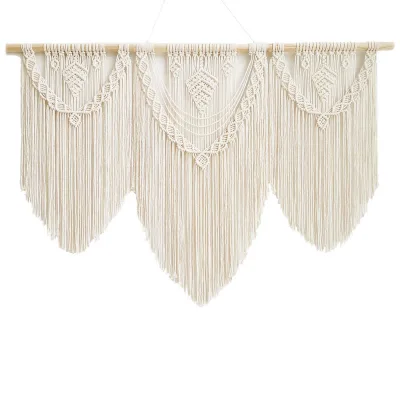
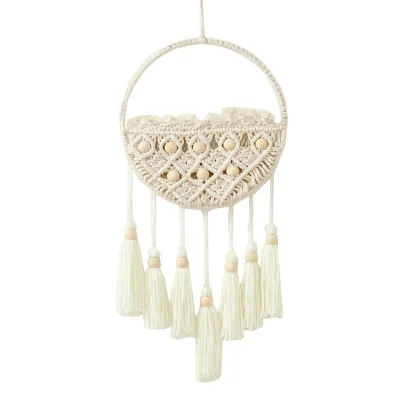
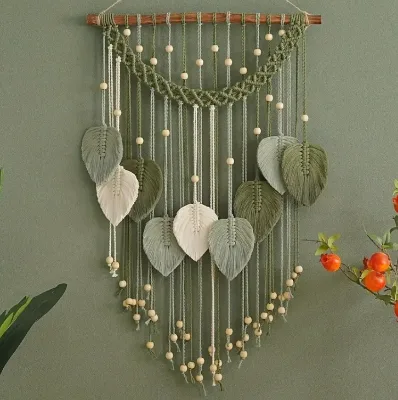
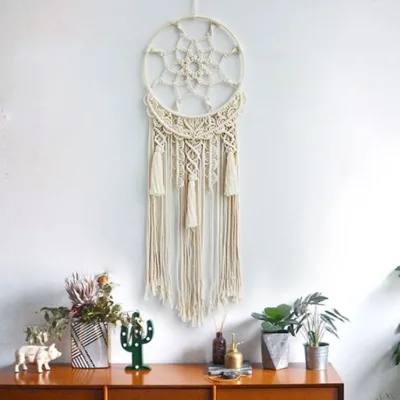
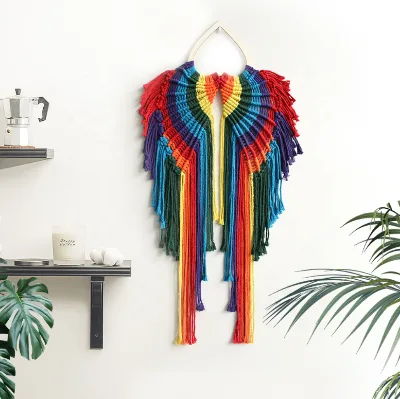


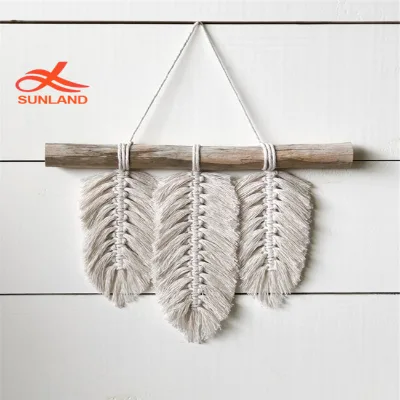
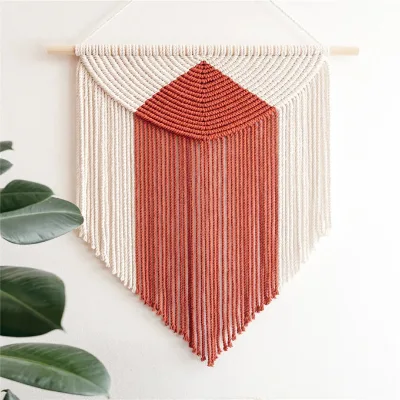
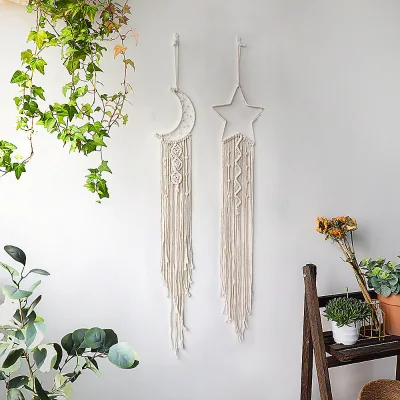
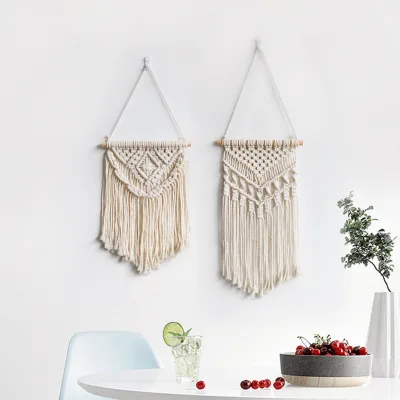
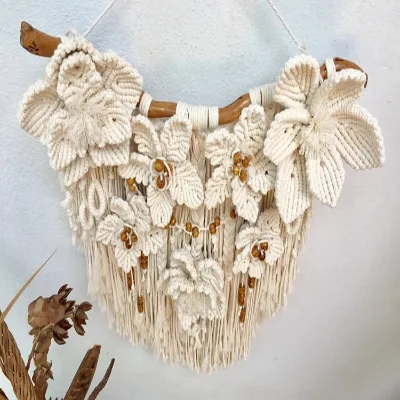
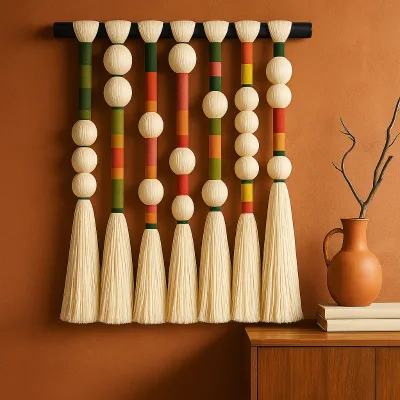
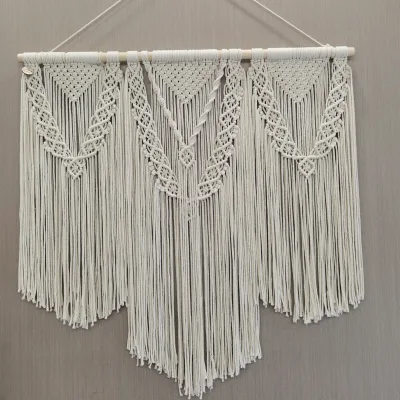
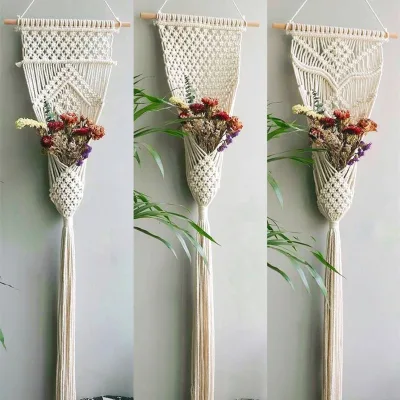
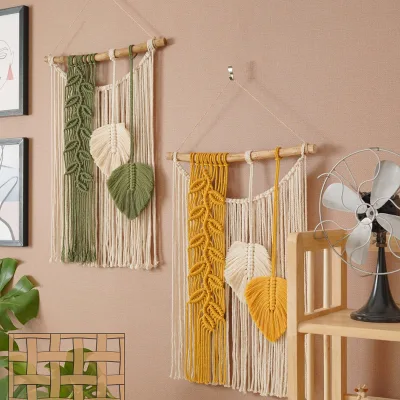
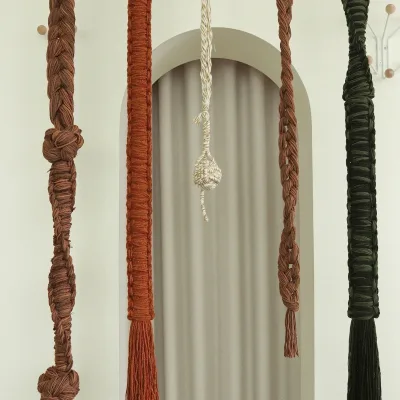


Macrame Handmade Wall Decors Mirror Boho Home Decoration for Living Room
$8.50 - $9.00
MOQ: 500 Pieces

Wall Hangings Home Macrame Wall Decor Bohemian Mini Macrame Wall Hanging
$1.20 - $1.50
MOQ: 100 Pieces


Comprehensive Sourcing Guide
Strategic Sourcing Guide for Gold Macrame Ginkgo Wall Hanging Procurement
Understanding Product Specifications and Material Composition
When sourcing a Gold Macrame Ginkgo Wall Hanging, the buyer must first establish a clear understanding of the technical specifications that define the product's physical and aesthetic characteristics. The core material composition is a primary determinant of quality and durability. Based on available market data, the predominant material for such items is 100% cotton. This natural fiber is preferred for macrame work due to its ability to hold knots securely while maintaining a soft, organic texture. The product often utilizes cotton rope or fabric as the base material, which is then dyed or treated to achieve the specific "gold" hue required by the design. It is critical to distinguish between the structural material and any decorative elements. For instance, some listings indicate that the price of a macrame item may exclude the plant it is intended to hold, meaning the buyer is purchasing the hanging structure alone.
The design style of a ginkgo wall hanging typically leans towards Bohemian or Traditional aesthetics, depending on the specific manufacturer's interpretation. The ginkgo leaf shape is a distinct geometric form that requires precise knotting techniques. The product type is generally categorized under "Other Home Decor" or specifically as a "macrame wall hanging." Weight is a significant logistical factor; observed data suggests individual units can range from approximately 0.21 kg to 1.3 kg, depending on the density of the knotting and the size of the ginkgo motif. Packaging dimensions also vary, with single package sizes observed ranging from 20x15x5 cm to 58x20x10 cm. These dimensions are essential for calculating freight costs and storage requirements. The origin of these products is frequently cited as Zhejiang, China, a region known for its textile manufacturing capabilities. Buyers should verify the specific model number, such as BSCWH21091301 or BTWH24006, to ensure they are referencing the exact design variant they intend to procure.
Compliance, Certification, and Safety Standards
In the realm of home decor and textile products, compliance and certification are often areas where buyers must exercise caution. While specific certification statuses like ISO 27001 may appear in broader industry contexts, they are not explicitly confirmed for every specific macrame listing in the provided data. Therefore, buyers should not assume that a product automatically meets international security or data management standards unless explicitly stated by the supplier. Instead, the focus should be on textile safety and material compliance. Since the primary material is cotton, buyers should inquire about the dyeing processes used to achieve the gold color. The safety of the dyes, particularly if the product is intended for residential use or environments with children, is paramount.
Buyers must verify that the cotton rope meets relevant flammability standards for textiles in their target market. In the United States, this might involve compliance with the Flammable Fabrics Act, while the European Union may require adherence to REACH regulations regarding chemical substances. The "100% Handmade" feature, often highlighted in product attributes, implies a level of artisanal quality but also introduces variability that can affect consistency in compliance testing. If the product is to be sold in retail environments, the supplier must provide documentation proving that the materials are free from harmful substances. It is advisable to request third-party test reports for the specific batch of gold macrame ginkgo hangings before finalizing a large order. The absence of a specific certification claim in the general product description does not mean the product is non-compliant, but it does mean the buyer must actively request and verify this information rather than relying on general marketing claims.
Cost Drivers and Pricing Dynamics
The pricing of gold macrame ginkgo wall hangings is influenced by several distinct factors, primarily material costs, labor intensity, and order volume. The observed price range in the market spans from $1 to $94.38 USD, a wide disparity that reflects differences in size, complexity, and brand positioning. The lower end of this spectrum likely corresponds to smaller, simpler designs or those produced with less labor-intensive methods, while the higher end may represent larger, more intricate pieces with premium finishes or established brand names like "Bosen" or "Bravo."
Labor is a significant cost driver for macrame products. The "100% Handmade" attribute indicates that each unit requires manual knotting, which is time-consuming and skilled. The complexity of the ginkgo leaf shape adds to this labor cost, as it requires precise symmetry and tension in the knots. Furthermore, the "gold" coloration may involve additional processing steps, such as specialized dyeing or metallic thread integration, which can increase the unit cost. Minimum Order Quantity (MOQ) also plays a crucial role in pricing. Data shows MOQs ranging from 1 piece to 500 pieces. Suppliers often offer tiered pricing structures where the unit cost decreases as the order volume increases. For example, an order with an MOQ of 1 piece might carry a premium price, whereas an order of 100 pieces or more could access a lower per-unit rate. Buyers should also consider the "Sample time," which ranges from 1-3 days to 3-5 days, as expedited sampling can sometimes incur additional fees. The "Note" that the price is without the plant is a critical cost clarification; buyers must budget separately for the botanical element if they intend to sell a complete set.
Typical Applications and Market Segmentation
The versatility of the Gold Macrame Ginkgo Wall Hanging allows for diverse applications across various market segments. The primary usage is identified as "Home Decoration," making it a staple for interior design enthusiasts looking to add texture and a natural element to their living spaces. The specific "Ginkgo" motif, with its fan-shaped leaves, is particularly popular in modern, bohemian, and Scandinavian interior design styles. The gold color adds a touch of warmth and luxury, making it suitable for both casual living rooms and more formal dining areas.
Beyond residential use, these items are frequently applied in "Garden" settings, particularly as hanging planters or decorative accents on patios and porches. The "Hanging Plant Basket" attribute suggests that the product is designed to support weight, allowing it to function as a planter for indoor or outdoor plants. This dual functionality expands the potential customer base to include garden centers and landscaping businesses. Additionally, the "Wall hanging" designation points to its use as a standalone art piece. The "Occasion" attributes listed, such as "Christmas," "New Year," and "Everyday," indicate that these products have seasonal relevance. During holiday seasons, the gold color and natural theme can align with festive decor trends, while the "Everyday" classification ensures year-round demand. The "Customization" option, marked as "YES" in some listings, allows for tailored applications, such as branding for corporate gifts or specific color matching for hotel chains. The "Shape: Basket Shape" and "Size: Medium" or "Free Size" options further diversify the product's adaptability to different spatial requirements.
Supplier Evaluation and Selection Criteria
Selecting the right supplier for gold macrame ginkgo wall hangings requires a rigorous evaluation process that goes beyond price comparison. Buyers should prioritize suppliers who demonstrate transparency in their production capabilities and material sourcing. The "Place of Origin" is a key indicator, with Zhejiang, China, being a prominent hub for textile and macrame manufacturing. However, the specific brand name, such as "BT" or "Bravo," should be verified to ensure it aligns with the buyer's quality expectations. A supplier's ability to provide "As shown or custom" designs is a strong indicator of flexibility and responsiveness to market trends.
When evaluating suppliers, buyers must scrutinize the "Sample time" and "Sample availability." A sample time of 1-3 days suggests a responsive supply chain, while 3-5 days may indicate a more traditional production cycle. The "MOQ" is another critical filter; a supplier requiring an MOQ of 500 pieces may not be suitable for a startup or a test market, whereas a supplier with an MOQ of 1 piece offers lower risk for initial orders. The "Feature: 100% Handmade" claim should be validated through video evidence or detailed product photography to ensure the product is genuinely artisanal and not machine-made imitations. Buyers should also assess the supplier's communication regarding the "Note: The price is without plant," ensuring there are no hidden costs or misunderstandings about the scope of the delivery. Finally, the "Brand Name" consistency across listings helps in building a reliable supply chain; a supplier with a consistent brand identity is more likely to maintain quality standards over time.
Quality Control and Long-Term Procurement Considerations
Implementing a robust quality control (QC) protocol is essential for maintaining the integrity of gold macrame ginkgo wall hangings. Given the "100% Handmade" nature of the product, inconsistencies in knot density, color saturation, and overall symmetry are potential risks. Buyers should establish clear acceptance criteria based on the "Design Style" and "Color" specifications. For instance, the color "Beige1, Beige2" or "Custom as request" must be matched precisely against the approved sample. The "Single gross weight" of 0.21 kg to 0.600 kg serves as a baseline for checking if the product is under-filled or over-packed, which could indicate quality issues.
Long-term procurement considerations involve building a sustainable relationship with the supplier. The "Customization: YES" attribute suggests that the supplier can adapt to changing design trends, which is vital for long-term success. Buyers should negotiate terms that allow for design iterations without significant cost penalties. The "Model Number" system, such as BTWH091 or BTWH24006, should be used to track specific product versions and ensure consistency across reorder cycles. Additionally, buyers should plan for the "Sample time" in their overall project timeline, as delays in sampling can impact the entire production schedule. The "Usage" category, encompassing "Home decor, Garden, Wall hanging," implies that the product must be durable enough to withstand various environmental conditions if used outdoors. Therefore, long-term contracts should include clauses regarding material durability and resistance to fading, especially for the gold coloration. By focusing on these technical and operational details, buyers can secure a reliable supply of high-quality macrame wall hangings that meet both aesthetic and functional requirements.
FAQs
What is the main material used for gold macrame ginkgo wall hangings?
The main material is 100% cotton, often used as cotton rope or fabric. This natural fiber holds knots securely while maintaining a soft texture. Some listings specify the material as fabric or cotton rope specifically for the basket shape.
Which design styles are available for these macrame wall hangings?
Available design styles include Traditional, Bohemian, and Modern. The Bohemian style is particularly common for ginkgo motifs. Buyers can also request custom designs if the supplier offers that feature, ensuring the style matches their specific decor needs.
Can I find suppliers with a minimum order quantity of one piece?
Yes, some suppliers offer a minimum order quantity of one piece. Other suppliers may require orders of 2, 100, or up to 500 pieces. Buyers should verify the specific MOQ for each supplier before placing an order to ensure it fits their budget.
How long does it take to receive samples for these products?
Sample times typically range from 1 to 3 days or 3 to 5 days depending on the supplier. This duration allows buyers to verify the handmade quality and color accuracy before committing to a larger production order. Expedited sampling may be available.
What are the typical packaging dimensions for these wall hangings?
Packaging dimensions vary, with single package sizes observed ranging from 20x15x5 cm to 58x20x10 cm. These sizes help calculate freight costs and storage requirements. Buyers should check the specific package size for the model number they intend to purchase.
Are these products suitable for Christmas and New Year occasions?
Yes, these products are suitable for Christmas and New Year occasions. They are also designed for everyday use and general home decoration. The gold color and ginkgo shape make them versatile for seasonal decor as well as year-round interior styling.
What is the origin location for these macrame wall hangings?
The place of origin is typically Zhejiang, China. This region is known for its textile manufacturing capabilities. Buyers should verify the specific origin listed for the supplier to ensure it aligns with their sourcing preferences and logistics planning.