Source Gold Lacquer Yellow Brass Trumpet for Bands, Schools, and Orchestras
Explore 30 listings for the Gold Lacquer Yellow Brass Trumpet to compare specifications like bore size, finish types, and piston materials. Buyers can evaluate intermediate and beginner models from manufacturers in China to find suitable options for musical ensembles.
Key considerations
Products List


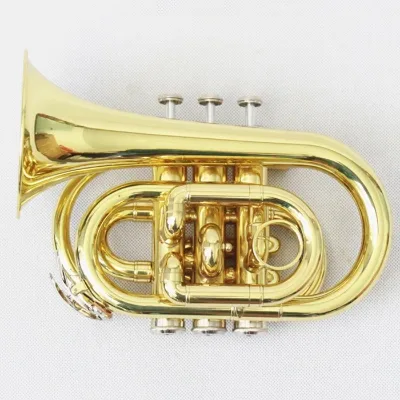
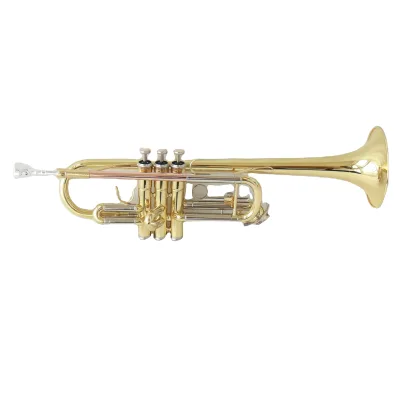
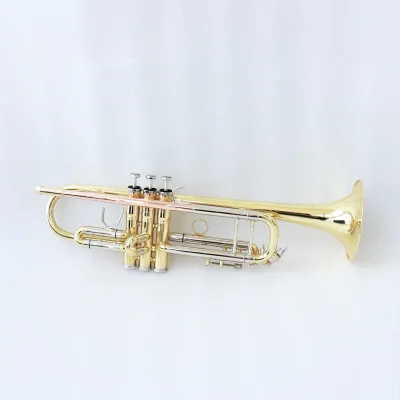
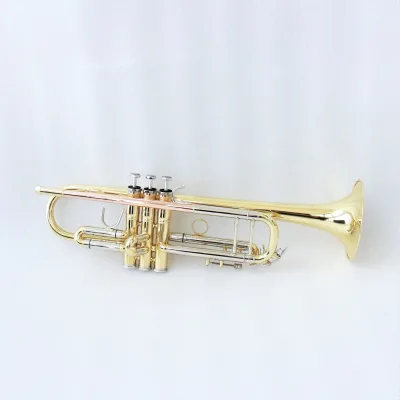
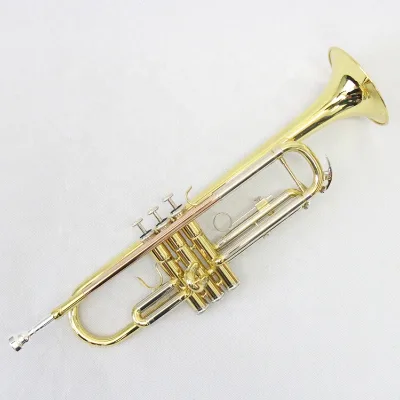


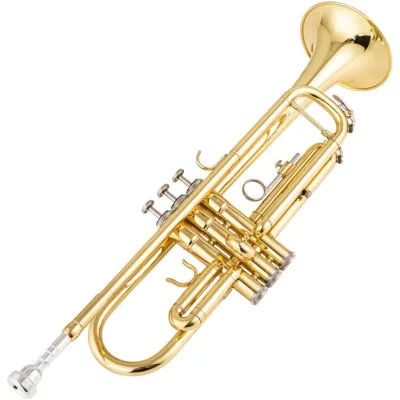
Comprehensive Sourcing Guide
Strategic Sourcing Guide for Gold Lacquer Yellow Brass Trumpets
Understanding the Core Product Configuration
The procurement of a Gold Lacquer Yellow Brass Trumpet requires a precise understanding of the material composition and aesthetic finish that defines this specific instrument category. The core material for the body of these instruments is consistently identified as yellow brass, a copper-zinc alloy chosen for its acoustic resonance and workability. The "gold lacquer" finish is a critical visual and protective attribute, applied over the brass body to provide a warm, golden appearance while offering a layer of protection against oxidation and corrosion. This finish is distinct from silver plating or raw brass, and sourcing guides must distinguish between products labeled with "Gold Lacquer" and those with "Silver Plated" or "Brass Lacquered" finishes, as these represent different manufacturing processes and cost structures.
The acoustic key of the instrument is predominantly Bb, which is the standard for most orchestral and band settings. However, buyers must verify the specific model designation, as the market includes variations such as the TP8390S, TP8590-S-1, and TSTR-803. These model numbers often correlate with specific bore sizes, bell diameters, and piston configurations. For instance, some configurations feature a bore diameter of 11.8mm or 11.6mm, while the bell diameter typically ranges between 121mm and 123mm. The choice of finish, whether gold lacquer or silver plated, directly impacts the visual identity of the instrument but the underlying acoustic properties remain tied to the brass body and the precision of the piston mechanism.
Technical Specifications and Material Verification
When evaluating a Gold Lacquer Yellow Brass Trumpet, the technical specifications serve as the primary filter for quality and suitability. The body material is a fundamental specification, often listed as "Yellow Brass" or "Phosphorus & Copper," indicating the alloy composition that affects the instrument's weight and tonal warmth. The bell material is another critical component; while the body is brass, the bell itself may be specified as silver plated or gold lacquered depending on the model. Buyers should verify the "Bell Diameter" and "Inner Tube Diameter" to ensure the instrument meets the required acoustic profile for their specific ensemble needs.
The piston mechanism is equally vital. High-quality instruments in this category typically utilize stainless steel pistons, which are described as "Vertical Stainless Steel Piston" or simply "Stainless Steel." This material choice ensures durability and smooth operation, reducing the likelihood of sticking or wear over time. The slides are often constructed from yellow brass, matching the body material, though some variations may exist. The finish type, specifically "Lacquered" or "Gold Lacquer," must be confirmed against the visual requirements of the buyer, as this affects both the aesthetic and the maintenance schedule of the instrument.
| Specification | Typical Value Range | Verification Requirement |
|---|---|---|
| Body Material | Yellow Brass / Phosphorus & Copper | Confirm alloy composition for acoustic properties. |
| Finish Type | Gold Lacquer / Silver Plated | Ensure finish matches visual order specifications. |
| Piston Material | Stainless Steel | Verify vertical piston design for smooth action. |
| Bore Diameter | 11.6mm - 11.8mm | Check against required tonal response and resistance. |
| Bell Diameter | 121mm - 123mm | Confirm size for projection and sound projection. |
| Key | Bb | Standard for most band and orchestral applications. |
| Mouthpiece | 7c Mouthpiece / ABS Case | Verify inclusion and compatibility with player. |
Compliance, Certification, and Regulatory Standards
Navigating the regulatory landscape for musical instruments involves verifying that suppliers adhere to relevant safety and quality standards. In the context of the available data, certain products are noted to meet "CE" and "SGS" standards. These certifications are crucial for international trade, particularly when exporting to European markets or regions requiring strict quality assurance. The CE mark indicates conformity with health, safety, and environmental protection standards, while SGS certification provides third-party verification of product quality and safety.
Buyers must explicitly request proof of these certifications rather than relying on general claims. The presence of "CE" and "SGS" in the product data suggests that some manufacturers in the region have undergone these rigorous assessments. However, not all listed products may carry these specific marks, and the absence of a certification in the initial listing does not necessarily imply non-compliance, but rather a need for further verification. It is essential to confirm that the specific batch of gold lacquer yellow brass trumpets being sourced includes valid, up-to-date certification documents. Additionally, the "prod_standard" field often reiterates the instrument type, such as "Bb Trumpet," which serves as a baseline for compliance with musical instrument manufacturing norms.
Cost Drivers and Pricing Dynamics
The pricing of gold lacquer yellow brass trumpets is influenced by several interconnected factors, including material costs, finishing processes, and packaging requirements. The observed price range for these instruments in the market spans from $50 to $499 USD. This wide range reflects the diversity in quality, from entry-level models intended for beginners to intermediate-grade instruments with superior craftsmanship. The "Level" attribute, often categorized as "Intermediate Trumpet" or "Beginner-Friendly," is a primary driver of price differentiation.
Material costs play a significant role, with the price of brass and the complexity of the gold lacquer application affecting the final unit cost. The "Single Gross Weight" of approximately 7.500kg for a single package indicates the substantial material usage and the associated shipping costs, which are often factored into the final price. Packaging is another cost driver; products may come in a "Medium" case or a "Normal Exporting Package," with some configurations offering "4PCS Bb Trumpet /Carton" for bulk efficiency. The "Customization" availability also impacts pricing, as bespoke finishes or modifications require additional labor and setup time. Buyers should analyze the total cost of ownership, including shipping and potential customization fees, rather than focusing solely on the unit price.
Typical Applications and User Demographics
Gold lacquer yellow brass trumpets are versatile instruments designed for a broad spectrum of applications. The "Level" attribute indicates suitability for both "Beginner-Friendly" and "Intermediate" players, making them ideal for educational institutions, school bands, and community orchestras. The "Age" specification, listed as "Adults," suggests that while they are accessible to students, they are primarily marketed toward adult musicians or advanced students who require a more robust instrument.
The "Feature" of being "Beginner-Friendly" highlights the instrument's ease of play, which is often achieved through precise piston alignment and ergonomic slide design. The "Instrument Range" of "Alto" in some listings might refer to specific configurations or marketing terms, but the primary "Key" remains "Bb," ensuring compatibility with standard band literature. The "Type" designation, such as "Bress Bell," points to specific bell designs that influence sound projection and tone quality, catering to different musical styles. These instruments are commonly used in concert bands, jazz ensembles, and marching bands, where the durability of the yellow brass body and the aesthetic appeal of the gold lacquer finish are highly valued.
Supplier Evaluation and Geographic Sourcing
When evaluating suppliers for gold lacquer yellow brass trumpets, geographic origin is a significant factor. The data indicates that the primary "Place of Origin" is "Jiangsu," with some products originating from "Shandong, China." These regions are known for their manufacturing capabilities in musical instruments. Buyers should assess the supplier's location to understand logistics, lead times, and the potential for quality consistency. The "prod_origin" field confirms the source as "China(Mainland)," which is a standard designation for these manufacturing hubs.
Supplier evaluation should also focus on the "Brand" attribute, which may be "Aileen" or "OEM." OEM (Original Equipment Manufacturer) suppliers offer the flexibility of private labeling, allowing buyers to brand the instruments under their own name. This is particularly relevant for distributors and educational institutions looking to create a proprietary product line. The "Customization" availability is a key differentiator, enabling buyers to request specific finishes, engravings, or packaging configurations. Buyers must verify the supplier's capacity to handle these custom requests without compromising the quality of the gold lacquer finish or the structural integrity of the yellow brass body.
Quality Control and Long-Term Procurement Strategy
Ensuring consistent quality in gold lacquer yellow brass trumpets requires a robust quality control (QC) strategy. The "Finish" type, whether "Silver Plated" or "Gold Lacquer," must be inspected for uniformity, adhesion, and resistance to tarnishing. The "Piston" mechanism, made of "Stainless Steel," should be tested for smooth operation and durability under repeated use. The "Mouthpiece," often a "7c Mouthpiece," should be included and verified for compatibility with the instrument's lead pipe.
Long-term procurement considerations involve establishing a relationship with suppliers who can maintain consistent quality over multiple orders. The "MOQ" (Minimum Order Quantity) range of 1-10 pieces offers flexibility for small buyers, while larger orders may benefit from bulk pricing and optimized shipping. The "prod_packing" specification, such as "Normal Exporting Package" or "4PCS Bb Trumpet /Carton," should be standardized to ensure safe transit and minimize damage. Buyers should also consider the "Single Package Size" of 60X37X31cm for logistics planning. By focusing on these technical and logistical details, buyers can secure a reliable supply of high-quality gold lacquer yellow brass trumpets that meet their specific acoustic and aesthetic requirements.
FAQs
What is the typical price range for gold lacquer yellow brass trumpets?
The observed price range for these instruments spans from 50 to 499 USD. This variation depends on the specific model, finish quality, and whether the unit is categorized as beginner-friendly or intermediate level.
Which piston material is standard for these trumpets?
Stainless steel is the standard piston material used in these instruments. This material ensures durability and smooth operation, often appearing as vertical stainless steel pistons in intermediate models.
Can buyers request customization for these trumpets?
Yes, customization is available for these instruments. Buyers can often request specific finishes or modifications, though this may affect the final unit cost and lead time depending on the manufacturer.
What is the minimum order quantity for these trumpets?
The minimum order quantity ranges from 1 to 10 pieces. This low MOQ allows small buyers to test products or purchase single items without committing to large bulk orders.
Where are these gold lacquer yellow brass trumpets manufactured?
These trumpets are primarily manufactured in Jiangsu and Shandong, China. The main origin is listed as Mainland China, with specific production hubs known for musical instrument manufacturing capabilities.
What certifications do these trumpets typically meet?
Some models meet CE and SGS standards for safety and quality. Buyers should verify specific certification documents for their chosen batch, as not all listed products explicitly display these marks in initial descriptions.
What is the bore diameter for these Bb trumpets?
The bore diameter typically ranges between 11.6mm and 11.8mm. This specification is critical for determining the acoustic profile and resistance of the instrument for different playing styles.