Source Gold Plated Stainless Steel Earrings and Necklace Set for Wedding, Gift, Party
Compare 30 listings of Gold Plated Stainless Steel Earrings and Necklace Set from verified suppliers. Buyers can review styles, materials, and customization options for anniversary, gift, and party applications.
Key considerations
Products List


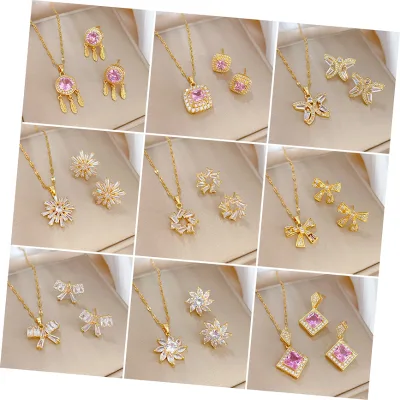
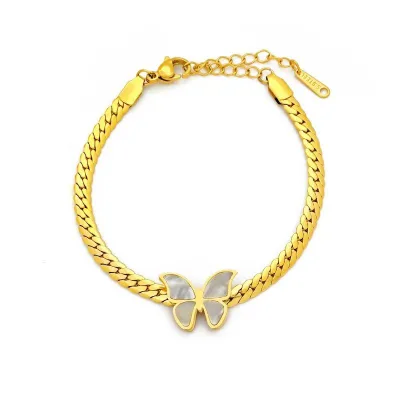


Comprehensive Sourcing Guide
Strategic Sourcing Guide for Gold Plated Stainless Steel Earrings and Necklace Sets
The global market for fashion jewelry has seen a significant shift toward durable, hypoallergenic, and cost-effective materials. For procurement professionals seeking gold plated stainless steel earrings and necklace sets, the supply chain offers a robust array of options primarily originating from manufacturing hubs in China. This guide synthesizes observed market data and technical specifications to provide a disciplined framework for sourcing these items. The focus remains on verifying material integrity, understanding customization capabilities, and ensuring compliance with third-party appraisal standards without relying on unverified marketing claims.
Material Composition and Plating Standards
The foundation of a high-quality gold plated stainless steel set lies in the substrate material and the plating process. Stainless steel is frequently cited as the primary material for these sets due to its resistance to corrosion and tarnish, making it superior to base metal alloys for long-term wear. However, the market also contains listings where "Metal Alloy" is the specified material, necessitating rigorous verification by the buyer. When sourcing, it is critical to distinguish between 304 or 316L stainless steel and lower-grade alloys, as the latter may degrade faster under the plating layer.
The plating process is equally vital. Observed data indicates a prevalence of "Gold" and "18K Gold" plating options. The "High Quality Mirror Polished" finish is a standard processing requirement that enhances the visual appeal and ensures a smooth surface for the plating to adhere to. Buyers must verify the thickness of the gold plating, as this directly correlates with durability. While specific micron measurements are not universally standardized in all listings, the presence of a "Third Party Appraisal" certificate is a strong indicator that the plating thickness and composition have been independently verified.
Furthermore, the "Stamp" attribute often appears in product specifications, with "925" or customer-required stamps being common. This refers to the hallmarking of the metal content. If a product claims to be 925 silver with gold plating, or if it is stainless steel with a specific gold stamp, the buyer must ensure the stamp matches the actual material composition. The "Customized" nature of these products allows for specific stamping requirements, but this must be clearly defined in the purchase order to avoid discrepancies between the ordered sample and the bulk production.
Technical Specifications and Product Attributes
Understanding the technical specifications is essential for aligning product selection with target market demands. The observed product range includes a variety of styles, from "Fashion" to "Simple," and shapes ranging from "Heart" to "Other" patterns. The "Jewelry Type" is predominantly categorized as "Jewelry Set," which typically implies a coordinated necklace and earring combination. This bundling is a key value proposition for retailers targeting gift markets.
Weight is a significant differentiator in this category. Listings show weights varying from 4g to 10g. A 10g set suggests a more substantial feel, often associated with higher perceived value, while a 4g set may be lighter and more suitable for daily wear or children's jewelry. The "Suitable for" attribute reveals a diverse target demographic, including "Female," "Unisex," and "Children." Procurement strategies should account for these distinctions; for instance, sets intended for children may require specific safety standards regarding earring backs and chain lengths, while unisex sets might favor simpler, gender-neutral designs.
Packaging details also play a crucial role in the final product presentation. The standard packaging observed includes "Individual OPP Bag" and "Packing Box," with some suppliers offering "Strong Carton" for bulk shipping. The "prod_packing" and "prod_standard" fields often reference "OPP Bag" or specific weight standards like "11.9g" or "4g," which serve as internal quality benchmarks. Buyers should ensure that the packaging protects the gold plating from scratches and oxidation during transit, especially since the "Mirror Polished" finish is susceptible to surface damage.
Compliance, Certification, and Quality Assurance
In the B2B jewelry sector, compliance is non-negotiable. The presence of a "Third Party Appraisal" certificate is a critical data point for verifying product claims. This certification acts as an independent validation of the material composition, plating thickness, and safety standards. Buyers should request copies of these certificates before placing large orders to ensure that the supplier's claims regarding "High Quality" and "Stainless Steel" are substantiated.
The "Certificate Type" field in the provided data highlights the importance of external validation. Without such documentation, claims about the "925" stamp or the durability of the "18K Gold" plating remain unverified assertions. Additionally, the "OEM&ODM" (Original Equipment Manufacturer/Design Manufacturer) capability is widely advertised, with suppliers "Warmly Welcome" these requests. This implies that the manufacturing process is flexible enough to accommodate custom designs, but it also requires a robust quality control protocol to ensure that custom specifications are met consistently across batches.
Quality control should extend beyond the initial sample. The "Delivery Time" of "Within 15-20 days After Getting Deposit" suggests a relatively short production cycle, which can be beneficial for agile supply chains. However, buyers must implement a pre-shipment inspection process. This should include checking the "Plating" consistency, verifying the "Weight" against the specified standard (e.g., 10g vs. 4g), and ensuring the "Packaging Details" meet the agreed-upon specifications. The "High Quality Mirror Polished" finish should be inspected for uniformity, as any imperfections can significantly reduce the product's marketability.
Cost Drivers and Pricing Dynamics
The pricing structure for gold plated stainless steel sets is influenced by several factors, including material costs, plating thickness, and customization complexity. The observed price range in the market spans from $0.79 to $17.00 USD. This wide variance reflects differences in material quality, design intricacy, and order volume. Lower-priced items in the $0.79 range likely correspond to simpler designs, lighter weights (e.g., 4g), or thinner plating layers. Conversely, items approaching the $17.00 mark may feature more complex "Fashion" styles, heavier weights (e.g., 10g), or premium "18K Gold" plating with verified third-party certifications.
The Minimum Order Quantity (MOQ) is another significant cost driver. The observed MOQ range is 1 to 100 pieces, with specific listings citing an MOQ of 30 pieces. For buyers seeking to minimize inventory risk, suppliers with lower MOQs are advantageous. However, higher order volumes often unlock better unit pricing. The "Customization" availability allows buyers to tailor products to specific niches, but this may incur additional setup costs or higher MOQs. Buyers should negotiate based on the total value of the order, balancing the unit price against the desired customization level and lead time.
Payment terms such as "T/T, Bank Transfer, Paypal" are standard in the industry. These terms offer flexibility but also require careful financial management. Buyers should align payment schedules with production milestones, such as deposit upon order confirmation and balance upon shipment or inspection. The "Shipping Way" options, including "UPS, DHL, FedEx, TNT, EMS," provide various logistics solutions, each with different cost implications and delivery speeds. Selecting the appropriate shipping method depends on the urgency of the order and the budget constraints of the procurement project.
Supplier Evaluation and Operational Capabilities
Evaluating suppliers requires a holistic approach that considers location, production capacity, and service offerings. The "Place of Origin" is consistently listed as "Guangdong, China" or "Guanghzou, China," indicating a concentrated manufacturing hub known for its jewelry production expertise. This region offers a dense ecosystem of suppliers, from raw material processors to finished product assemblers. Buyers should verify the specific factory location to ensure it aligns with their logistical preferences and compliance requirements.
The "Main Business" of suppliers often includes a broad range of categories such as "Rings, Pendant, Cufflinks, Bracelet, Necklace, Ear." This diversification suggests that suppliers have the capacity to handle mixed orders, which can be beneficial for buyers looking to source complete jewelry collections. However, it also means that buyers must ensure the supplier has dedicated expertise in "Earrings and Necklace Sets" to guarantee quality in this specific category. The "Service" attribute, which includes "OEM&Custom Design Manufacture," indicates that suppliers are equipped to handle bespoke requests, but this requires clear communication of design specifications and technical requirements.
Dropshipping capabilities are also a notable feature, with "Dropshipping: Yes" listed in the product attributes. This service model allows retailers to sell products without holding inventory, which is ideal for testing new markets or managing cash flow. However, buyers must ensure that the dropshipping process maintains the quality standards and packaging requirements expected by their end customers. The "Application" field, listing "Anniversary, Gift, Wedding, Party," highlights the versatility of these products, suggesting that suppliers are experienced in producing items for various occasions.
Long-Term Procurement and Market Alignment
Sourcing gold plated stainless steel sets is not just a transactional activity but a strategic partnership that requires long-term planning. The "Customized" nature of the products allows for continuous adaptation to market trends. Buyers should maintain open lines of communication with suppliers to stay updated on new designs, materials, and plating technologies. The "Style" attribute, ranging from "Fashion" to "Simple," indicates that the market is dynamic, and suppliers must be agile enough to pivot production to meet changing consumer preferences.
Compliance and certification should be viewed as ongoing requirements rather than one-time checks. As regulations evolve, suppliers must adapt their processes to maintain their "Third Party Appraisal" status. Buyers should regularly audit their suppliers to ensure continued compliance with safety and quality standards. The "Delivery Time" of 15-20 days is a benchmark that suppliers should consistently meet. Any deviations from this timeline should be investigated to prevent supply chain disruptions.
Finally, the "Packaging Details" and "Shipping Way" options should be optimized for the target market. For instance, if the target market is in North America, using "UPS" or "FedEx" might be preferred for faster delivery, while "EMS" could be suitable for cost-sensitive shipments. The "Individual OPP Bag" and "Packing Box" should be designed to protect the product while enhancing the unboxing experience for the end consumer. By focusing on these long-term considerations, buyers can build a resilient supply chain that delivers high-quality gold plated stainless steel earrings and necklace sets consistently.
Summary of Key Sourcing Parameters
To facilitate quick reference during the procurement process, the following table summarizes the critical parameters observed in the market for gold plated stainless steel earrings and necklace sets.
| Parameter | Observed Range / Standard | Verification Requirement |
|---|---|---|
| Material | Stainless Steel, Metal Alloy | Verify grade (e.g., 304/316L) via third-party test. |
| Plating | Gold, 18K Gold | Confirm thickness and adhesion via appraisal certificate. |
| Weight | 4g - 10g | Check against specific product model standard. |
| MOQ | 1 - 100 pcs (Common: 30 pcs) | Negotiate based on order volume and customization. |
| Lead Time | 15-20 days after deposit | Confirm timeline in purchase agreement. |
| Certification | Third Party Appraisal | Request valid certificate for material and plating. |
| Packaging | OPP Bag, Packing Box, Strong Carton | Ensure packaging protects mirror-polished finish. |
| Origin | Guangdong, China (Guanghzou) | Verify factory location for logistics planning. |
| Payment | T/T, Bank Transfer, Paypal | Align payment terms with production milestones. |
| Shipping | UPS, DHL, FedEx, TNT, EMS | Select based on destination and urgency. |
By adhering to these guidelines and maintaining a disciplined approach to verification, buyers can effectively navigate the complex landscape of gold plated stainless steel jewelry sourcing. The focus on verified data, clear specifications, and robust supplier evaluation ensures that the final products meet the highest standards of quality and customer satisfaction.
FAQs
What materials are used for these jewelry sets?
The sets are primarily made of stainless steel or metal alloy. Some listings specify gold plating while others use 18K gold plating for enhanced durability and appearance.
Can I customize the product specifications and stamp?
Yes, customization is available for specifications and stamps. Buyers can request specific stamps like 925 or other customer requirements to match their brand identity.
What is the typical delivery time for orders?
Delivery occurs within 15 to 20 days after receiving the deposit. This timeline applies to standard production cycles for verified orders from the Guangdong region.
Which certifications verify the product quality?
Products often carry a Third Party Appraisal certificate to verify material integrity. This certification helps confirm the plating thickness and composition independently of supplier claims.
How much is the minimum order quantity required?
The minimum order quantity ranges from 1 to 100 pieces depending on the supplier. Some specific listings require a minimum of 30 pieces for standard orders.
What packaging details are included with the order?
Items typically come in individual OPP bags with packing boxes. Bulk shipments may include strong cartons to ensure protection during transit.