Source Golf Swing Trainer for Racing, Entertainment, and Gift
Find 30 Golf Swing Trainer options for racing, entertainment, and gift use. Compare models like ICGAC008 and SW-03, noting materials such as plastic, steel, and rubber grips. Evaluate customization, packing, and origin details to select the right aid for skill improvement.
Key considerations
Products List


Golf Arm Corrector Wrist Gesture Guider Golf Swing Training Aid Golf Swing Trainer
$0.65 - $0.82
MOQ: 100 Pieces


Factory Wholesale Golf Training Grip Golf Swing Trainer Golf Practice Aid
$0.90 - $1.20
MOQ: 100 Pieces


Portable Golf Swing Trainer Shoulder Turn Golf Swing Training Aid Wbb21664
$12.89 - $15.47
MOQ: 100 Pieces
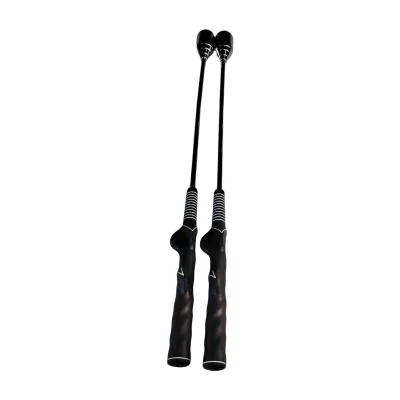
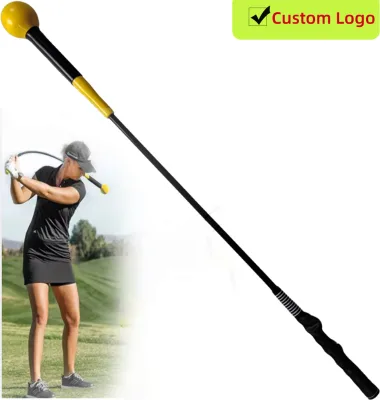
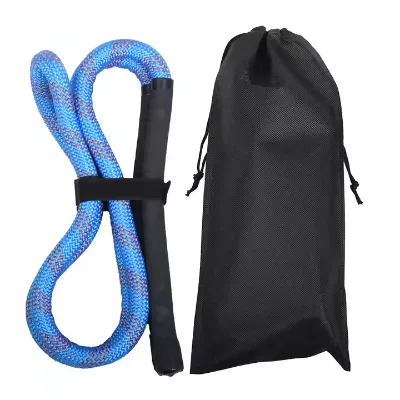
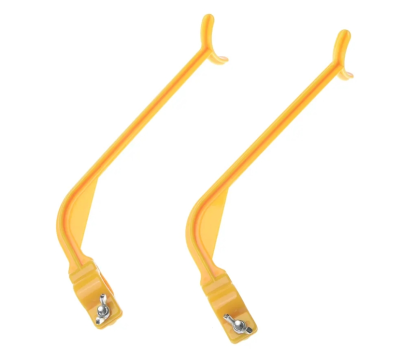
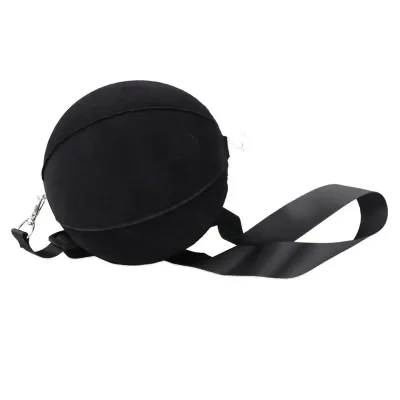
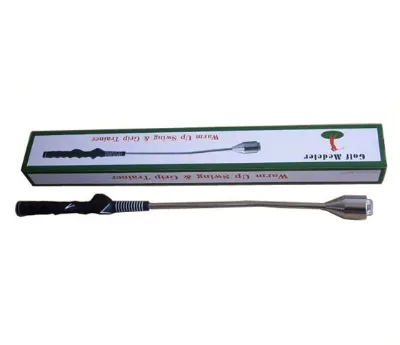
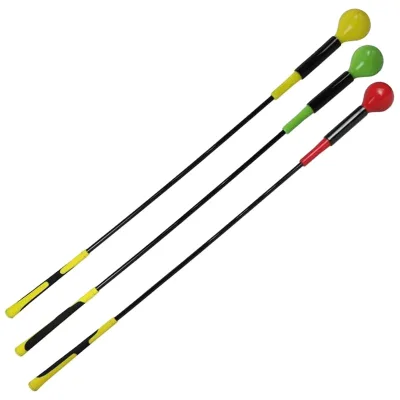


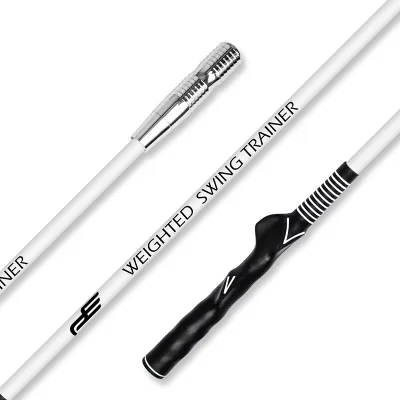


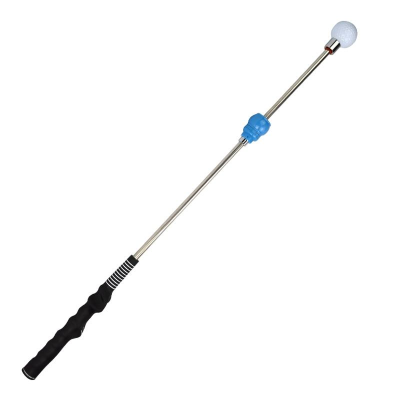


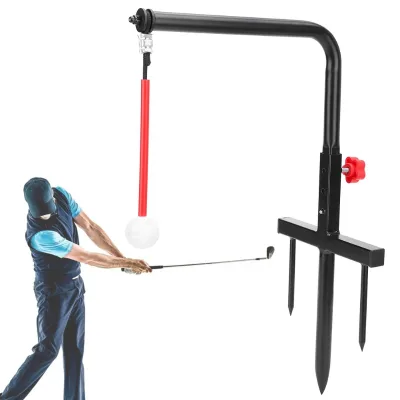


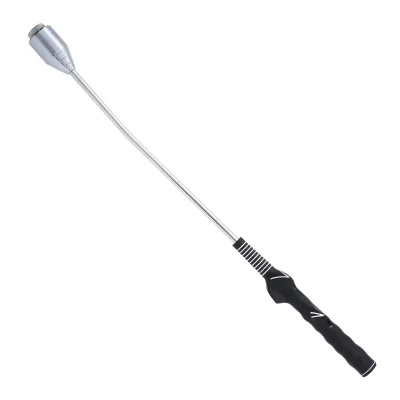
Comprehensive Sourcing Guide
Golf Swing Trainer Sourcing Guide
Buyers must first distinguish between training aids designed for specific swing mechanics and general golf clubs when evaluating listings. The observed market includes items explicitly labeled as Golf Swing Trainers and Indoor Swing Practitioners, which often feature 360-degree rotation capabilities to assist with form. These devices are frequently marketed for racing and entertainment contexts, suggesting a dual utility for professional practice and recreational use. Procurement teams should verify if the product is intended for golf newcomers or advanced players, as suitability varies significantly across the catalog.
The product scope also encompasses specialized equipment with distinct material compositions, such as plastic, zinc alloy, and fiber combinations. Some listings indicate a rubber grip material, while others specify a standard of plastic or rubber with cotton, directly impacting durability and user feel. Buyers should note that while some units are customized, others are non-customized, requiring a clear definition of branding needs before selection. Understanding these material and functional distinctions ensures the selected aid aligns with the specific training goals of the end-user.
Product Scope and Observed Listing Signals
Procurement teams should analyze the observed price range of 0.65 to 19.85 USD to understand the variance in product complexity and material quality. This wide spectrum suggests a market segment ranging from basic plastic training tools to more sophisticated units incorporating zinc alloy and steel components. Buyers must correlate the price point with the specific model number and material composition to avoid overpaying for simple items or underestimating the cost of durable, multi-material devices. The presence of different packing methods, such as PE bags versus colorful boxes, also signals differences in retail readiness and shipping costs.
Listing signals regarding customization availability are critical for brands seeking private label opportunities. While some products offer custom logos and patterns, others are strictly non-customized, limiting branding flexibility. The observed MOQs range from 1 to 1000 units, with specific models like SW-03 requiring a minimum of 50 pieces. Buyers must align their order volume with these thresholds to secure the desired unit price and ensure the supplier can meet the production schedule without incurring excessive minimum order penalties.
Technical Specifications to Verify
Verification of physical dimensions and weight is essential to ensure the training aid fits the intended user demographic and storage constraints. Observed specifications include weights ranging from 2.2 lbs to 900 grams, with sizes varying from M to L and specific dimensions like 75x5x5 cm. Buyers must confirm that the single package size and overall product dimensions match their logistical requirements, particularly for bulk shipments where cubic volume directly impacts freight costs. The standard of 75x5x5 cm for certain models indicates a need for precise dimensional checks to prevent shipping discrepancies.
Material composition and functional features require strict validation against the product description to guarantee performance expectations. The market offers items made from steel, plastic, and fiber, with some featuring rubber grips for enhanced control. Buyers should verify if the product includes specific features like easy installation or 360-degree rotation, as these directly influence the user experience. Ensuring the material standard matches the intended usage environment, whether indoor or outdoor, prevents premature wear and ensures the device delivers the promised improvement in golf skills.
Compliance and Safety Documentation
While specific certification documents are not explicitly listed in the provided data, buyers must request proof of compliance for products intended for recreational and entertainment use. The HS code 9506390000 indicates these items fall under sports equipment categories, which often require adherence to international safety standards regarding materials and construction. Procurement teams should verify that the plastic, rubber, and metal components used in the manufacturing process meet relevant safety regulations for consumer goods, particularly regarding toxicity and structural integrity.
Documentation regarding the origin of goods is equally important for customs clearance and supply chain transparency. All observed products originate from China, with specific mentions of Guangdong as a place of origin. Buyers should ensure that the supplier provides accurate country-of-origin certificates and that the manufacturing process adheres to the declared standards. This verification helps mitigate risks associated with trade tariffs and ensures that the supply chain remains compliant with international import regulations for sports training equipment.
Cost Drivers and Commercial Terms
The final landed cost is heavily influenced by the chosen packing method and the complexity of the customization requested. Products packed in PE bags may offer lower shipping costs but less protection, whereas colorful boxes or master cartons increase packaging expenses but enhance retail presentation. Buyers must calculate the total cost per unit, including the impact of the MOQ on the base price, as lower order quantities often result in higher per-unit costs. Understanding these variables allows for more accurate budgeting and prevents unexpected expenses during the final stages of the procurement process.
Commercial terms regarding lead times and production capacity must be clarified before placing an order, especially for customized items. The observed MOQ of 50 pieces for specific models suggests that smaller orders may face longer lead times or higher unit prices. Buyers should negotiate clear delivery schedules that account for the time required for custom logo application and quality inspections. Establishing these terms early ensures that the supply chain remains flexible enough to handle demand fluctuations without compromising the delivery timeline.
Supplier Qualification and Quality Control
Evaluating the supplier's ability to handle customization is a primary qualification metric for buyers seeking branded products. The market includes suppliers who accept custom logos and patterns, indicating a capacity for private label manufacturing. Buyers should assess the supplier's track record in maintaining consistency across customized batches, as variations in color or pattern can affect brand perception. Verifying the supplier's experience with specific materials like steel and rubber ensures they possess the technical expertise required for high-quality production.
Quality control protocols must be established to ensure that every unit meets the specified standards for weight, size, and material. Given the variance in observed weights and dimensions, buyers should implement pre-shipment inspections to verify that the products match the agreed-upon specifications. This is particularly important for items with complex features like 360-degree rotation, where mechanical failure could render the training aid useless. A robust QC process minimizes the risk of receiving defective goods and protects the buyer's reputation in the market.
Long-Term Procurement Checks
Sustaining a reliable supply chain requires regular audits of the supplier's production capabilities and adherence to quality standards. Buyers should schedule periodic reviews to ensure that the materials used, such as plastic and zinc alloy, remain consistent over time. This proactive approach helps identify potential issues with material sourcing or manufacturing processes before they impact the final product quality. Maintaining open communication with the supplier ensures that any changes in production methods are communicated and approved in advance.
Long-term success also depends on monitoring market trends and adapting the product portfolio to meet evolving customer needs. As the golf training market expands, buyers should stay informed about new features and technologies that could enhance their product offerings. Regularly reviewing the performance of current models, such as the Golf Swing Trainer or Indoor Swing Practitioner, allows for data-driven decisions on future procurement. This strategic approach ensures that the supply chain remains competitive and responsive to the dynamic demands of the golf training sector.
FAQs
What materials are used in golf swing trainers?
Golf swing trainers are typically constructed from durable materials such as plastic, zinc alloy, and fiber. Some models incorporate rubber with cotton for grip comfort. Steel is also used in specific structural components to ensure stability during practice sessions. These material choices balance weight and durability for effective training.
Can I customize the logo on golf swing trainers?
Yes, customization is available for many Golf Swing Trainer models. Buyers can often request custom logos or specific branding on the product. This service allows businesses to create unique promotional gifts or branded entertainment items. Check with suppliers to confirm specific customization options and any associated minimum order quantities for personalized orders.
What is the typical packaging for golf swing trainers?
Packaging varies by model but commonly includes PE bags, master cartons, or colorful boxes. Some items are packed in standard cartons for bulk shipping. The packaging is designed to protect the product during transit while maintaining a professional appearance for retail or gift purposes. Specific packing details depend on the chosen model and supplier.
Who are the target users for golf swing trainers?
These training aids are suitable for men and golf newcomers looking to improve their skills. They serve multiple purposes including racing, entertainment, and as gifts. The designs often feature easy installation and multi-color options to appeal to a broad audience. They help users practice swing mechanics effectively in various settings.
What specifications should I check when sourcing golf swing trainers?
Key specifications include model numbers like ICGAC008 or A325, dimensions, and weight. For example, some models weigh 900 grams or 2.2 lbs. Sizes may range from M to L, with specific package dimensions provided. Checking these details ensures the product meets your functional requirements and fits your logistical needs for shipping and storage.
Where are golf swing trainers typically manufactured?
Most golf swing trainers are made in China, with many originating from Guangdong province. This region is known for its manufacturing capabilities in sports equipment. Buyers can expect products to meet standard plastic or rubber specifications. Sourcing from these locations often provides competitive pricing and a wide variety of customization options for bulk orders.