Source Portable Golf Ball Organizer for Bags, Travel, and Gifts
Find 30 Portable Golf Ball Organizer options from verified suppliers. Compare materials like leather and Oxford, check customization features, and review packing details to select the right storage solution for your needs; compare the available evidence and request quotations based on your requirements.
Key considerations
Products List




Folding Golf Trolley Lightweight W/Foot Brake, Cup Holder & Scoreboard Bag
$200.00 - $295.00
MOQ: 1 Pieces


Golf Trolley Umbrella Holder W/Foot Brake, Cup Holder & Scoreboard Bag
$540.00 - $640.00
MOQ: 1 Pieces




Comprehensive Sourcing Guide
Portable Golf Ball Organizer Sourcing Guide
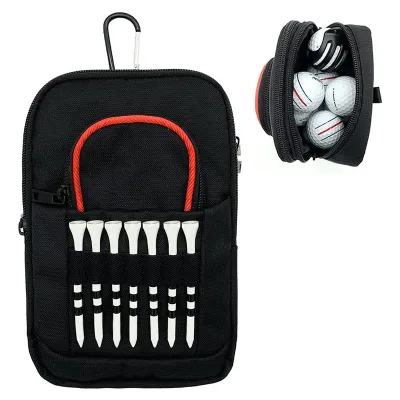
Buyers evaluating portable golf ball organizers must first distinguish between rigid storage racks and flexible pouches based on their specific course or practice needs. The market offers distinct configurations, such as the "Golf Ball Storage Rack" available in multiple colors like white, black, pink, and gray, alongside compact "Golf ball Pouch" options made from durable Oxford fabric. Understanding these form factors is essential before engaging suppliers, as the intended usage environment dictates whether a rigid structure or a soft, collapsible bag is the superior choice for transport and organization.
Procurement decisions should also account for the diverse customization capabilities observed across current listings, which range from standard packaging to fully bespoke solutions. Suppliers frequently offer options for custom logos, specific dimensions, and tailored packing requirements, such as OPP bags or cartons with precise piece counts. Buyers must clarify their branding and logistical needs early in the inquiry process to ensure the selected product aligns with their retail strategy or internal inventory management protocols, as these variables significantly impact the final unit cost and delivery timeline.
Product Scope and Observed Listing Signals
The current market for portable golf ball organizers presents a wide spectrum of product models, including specific identifiers like OFFE2211, OFFR3197, and Unique_Golf_ball_bag_20250728001, each serving different functional niches. Some listings highlight specialized applications such as racing or gifting, while others focus purely on utility with features like organizer functions for golf balls. Buyers should carefully review these model numbers and associated attributes to ensure the product matches their specific operational requirements, as the scope extends from simple storage to branded promotional items with unique design elements.
Listing signals regarding packaging and condition provide critical insights into the supplier's readiness for immediate distribution or custom fulfillment. Observed data indicates that products are typically supplied as new items with varying packaging standards, ranging from simple OPP bags to detailed carton specifications like 250PCS/CTN or 50PCS/CTN with defined weights. These signals help buyers assess the logistical complexity of the order, as the choice between bulk carton shipping and individual polybagging directly influences handling costs and the final presentation of the goods upon arrival at the destination warehouse.
Technical Specifications to Verify
When verifying technical specifications, buyers must prioritize the physical dimensions and material composition to ensure durability and fit for purpose. Product data reveals a variety of standard sizes, such as 106.1cm, 145*21CM, and larger configurations like 18x10cm, alongside materials ranging from leather to Oxford fabric. It is imperative to confirm that the selected model's dimensions align with the intended golf ball capacity and that the material choice meets the required wear resistance for the specific usage environment, whether it be a professional tournament or casual practice session.
Weight and single package metrics are equally critical for calculating shipping costs and ensuring the product remains truly portable. Listings show single gross weights as low as 0.120 kg for compact pouches, while other models may have different weight profiles depending on their construction and included accessories. Buyers should request detailed weight breakdowns for the specific model number to avoid unexpected freight charges, ensuring that the final product meets the portability expectations of the end-user without compromising the structural integrity of the organizer.
Compliance and Safety Documentation
While specific certification statuses are not universally confirmed in the provided data, buyers must proactively request safety documentation to ensure compliance with destination market regulations. The presence of a general reference to ASTM F1886-18 suggests that safety standards for golf equipment exist, but the actual compliance of a specific portable organizer model must be verified through direct supplier inquiry. Procurement teams should demand test reports or certificates of conformity that explicitly cover the materials used, such as leather or Oxford fabric, to mitigate risks associated with chemical safety and physical durability in the final product.
Documentation regarding the origin of goods is essential for navigating import tariffs and supply chain transparency. Most observed listings indicate origins in China, with specific mentions of Guangdong and Jiangsu provinces, which can influence shipping routes and potential trade duties. Buyers should verify the exact Place of Origin for each order to ensure accurate classification under Harmonized System codes, as mislabeling can lead to customs delays or penalties. Confirming the manufacturing location also helps in assessing the supplier's logistical capabilities and their familiarity with international shipping requirements.
Cost Drivers and Commercial Terms
Cost structures for portable golf ball organizers are heavily influenced by customization levels and minimum order quantities, which can vary significantly between suppliers. Observed data indicates MOQs ranging from 1 to 1000 units, with specific models requiring 300pcs/color for certain customizations. Buyers must balance the desire for lower unit prices against the need for inventory flexibility, as higher customization requests often trigger higher minimums and longer lead times, directly impacting the overall cost of goods sold and cash flow management.
Commercial terms regarding sample times and packaging details play a pivotal role in the total landed cost and project timeline. Suppliers typically cite sample times of 7-15 days, which must be factored into the product development schedule before mass production begins. Additionally, packaging details such as "Transparent Plastic Bag" versus "Carton" affect both the unit price and the protection level during transit. Buyers should negotiate clear terms that define who bears the cost of custom packaging and how sample fees are handled, ensuring that the final commercial agreement reflects the true cost of the customized solution.
Supplier Qualification and Quality Control
Supplier qualification should begin with a rigorous assessment of their production capacity and history of delivering customized orders. The availability of customization options, including custom logos and specific sizes, indicates a supplier's ability to adapt to unique buyer requirements, but this capability must be validated through past performance records. Buyers should request references or case studies demonstrating successful delivery of similar customized golf accessories to ensure the supplier can maintain quality standards while managing complex production requests.
Quality control protocols must be explicitly defined to prevent defects in materials like leather or Oxford fabric and to ensure consistent packaging. Given the variation in packing details, from simple polybags to complex carton configurations, a clear quality assurance plan is necessary to verify that the final product matches the approved sample. Buyers should insist on pre-shipment inspections that check for color consistency, structural integrity, and accurate labeling, ensuring that the delivered goods meet the agreed-upon specifications and are free from manufacturing defects that could damage brand reputation.
Long-Term Procurement Checks
Establishing a long-term procurement strategy requires regular audits of supplier performance against key metrics such as lead time adherence and defect rates. The observed sample times of 7-15 days set a baseline for expectations, but consistent delays can disrupt inventory planning and sales cycles. Buyers should implement a scorecard system to track supplier reliability over multiple orders, ensuring that the partner can scale production and maintain quality as order volumes increase, thereby securing a stable supply chain for future business needs.
Continuous monitoring of market trends and product evolution is essential to maintain a competitive edge in the Portable Golf Ball Organizer sector. As models like the Unique_Golf_Divot_Tool_20251210001 emerge, buyers must stay informed about new features and design innovations that could enhance their product offerings. Regularly reviewing the supplier's catalog for new materials, colors, and functional improvements ensures that the procurement strategy remains dynamic and responsive to changing consumer preferences, preventing obsolescence and fostering long-term growth in the golf accessories market.
FAQs
What materials are used for portable golf ball organizers?
Portable golf ball organizers are typically crafted from durable materials such as leather or Oxford fabric. These materials ensure longevity and protection for golf balls during transport. Some models may also incorporate additional structural components to maintain shape and functionality while providing a premium feel for the user.
Can I customize the logo on a golf ball pouch?
Yes, customization is available for many portable golf ball organizers. Suppliers often accept customized logos to meet specific branding requirements. This allows businesses to create unique promotional items or personalized gifts for clients, enhancing brand visibility while providing a practical storage solution for golf accessories on the course.
What is the typical MOQ for custom golf ball pouches?
The minimum order quantity for custom golf ball pouches varies by supplier but often starts around 300 pieces per color. This threshold ensures efficient production runs while allowing for color-specific customization. Buyers should verify specific MOQ requirements with manufacturers to align with their inventory needs and budget constraints effectively.
How are portable golf ball organizers packaged for shipping?
Portable golf ball organizers are commonly packaged in OPP bags, polybags, or cartons depending on the order size. Bulk shipments may use cartons containing specific counts, such as 250 or 50 pieces per carton. This packaging ensures products remain protected during transit while facilitating easy handling and storage for the buyer.
What are the standard dimensions for a golf ball storage rack?
Standard dimensions for golf ball storage racks vary, with common sizes including 14x5x21 cm or 15x5x21 cm. Some models offer customized sizes to fit specific ball quantities or bag compartments. Buyers should check product specifications to ensure the organizer fits their golf bag or storage space requirements accurately.
Where are portable golf ball organizers typically manufactured?
Portable golf ball organizers are primarily manufactured in China, with production hubs in regions like Guangdong and Jiangsu. These locations offer established supply chains for materials like leather and Oxford fabric. Buyers can source high-quality products from these regions while benefiting from competitive pricing and efficient logistics networks for global distribution.