Source Grade AAA Used Leather Shoes for Africa, Middle East, and Southeast Asia
Explore 30 listings for Grade AAA Used Leather Shoes featuring diverse styles like hip-hop and dress designs. Compare specifications including materials such as genuine leather and rubber, along with packaging options for bulk sourcing across global markets; compare the available evidence and request quotations based on your requirements.
Key considerations
Products List


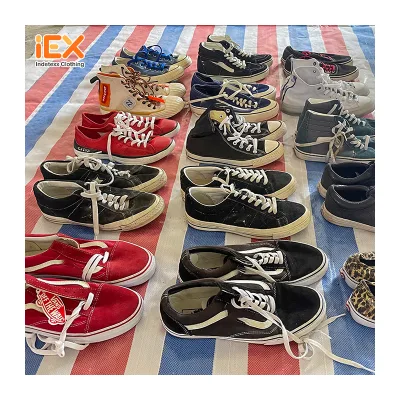
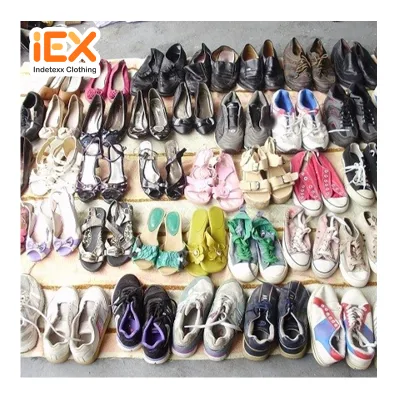
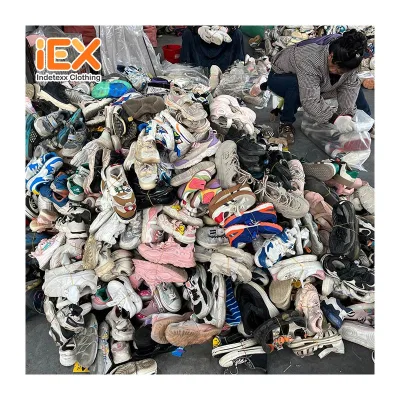
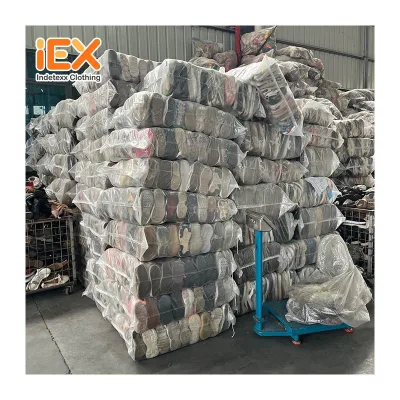

Comprehensive Sourcing Guide
Grade AAA Used Leather Shoes Sourcing Guide
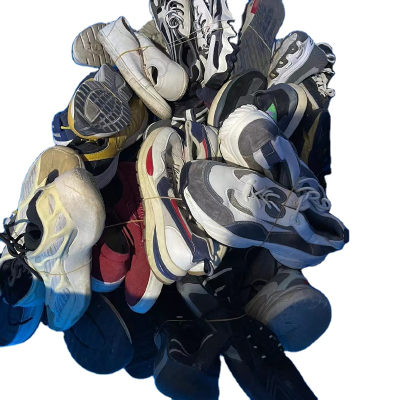
Procuring Grade AAA Used Leather Shoes requires a strategic approach to distinguish high-quality inventory from lower-grade stock, as the market often blends various conditions under broad labels. Buyers must verify that the "Grade AAA" designation aligns with specific visual and structural criteria, such as minimal wear on the upper leather and intact stitching, rather than relying solely on marketing terminology. The observed listings indicate a mix of styles ranging from classic hip-hop fashion to formal dress shoes, necessitating a clear definition of the target aesthetic before engaging with suppliers.
The sourcing landscape for these items is characterized by diverse origins, primarily from China, with products destined for markets in Africa, Southeast Asia, and South America. This global flow suggests that logistics and export packaging are critical components of the procurement process, as items are often shipped in large bales weighing between 25 to 100 kilograms. Buyers should prioritize suppliers who can provide transparent sorting data to ensure the received bales contain the expected mix of sizes and styles, minimizing the risk of receiving unsellable inventory.
Product Scope and Observed Listing Signals
The product scope for Grade AAA Used Leather Shoes encompasses a wide variety of categories, including men's casual wear, children's dress shoes, and specialized safety footwear with features like steel toes. Listings reveal distinct material compositions, such as genuine leather uppers paired with TPR or polyurethane outsoles, alongside specific design elements like square or round toes and varying heel heights. This diversity means that a single order might include items ranging from summer mesh-lined shoes to heavy-duty rubber-soled boots, requiring buyers to specify exact material and style requirements to avoid receiving mismatched goods.
Observed listing signals indicate that customization is available, yet the core inventory often consists of pre-owned items with established characteristics like "Second Hand Shoes" or "Used Shoes" labels. Buyers should note that while some products are described as hand-made, others are explicitly marked as not handmade, which impacts the perceived value and durability of the leather goods. The presence of multi-color options and specific models like FS-0026 or FS-0079 suggests that inventory is highly segmented, and successful sourcing depends on matching these specific model numbers to the intended market demand.
Technical Specifications to Verify
Technical verification must begin with the upper material, ensuring that the leather is genuine and not a synthetic substitute, as this directly affects the longevity and resale value of the shoes. Buyers should request detailed specifications regarding the lining material, which can range from mesh for breathability to goat skin for premium comfort, and confirm the insole composition, such as EVA or PU, to ensure adequate arch support. The outsole material is equally critical, with options like TPR, rubber, or straw observed in listings, each offering different levels of slip resistance and durability for various terrains.
Further verification should focus on structural features like toe shape, heel type, and specific safety attributes if the shoes are intended for industrial use. For instance, some listings specify steel toes, anti-static properties, and acid resistance, which are essential for safety footwear but irrelevant for fashion items. Buyers must also confirm the size range, typically spanning from 41 to 46 in the observed data, and ensure that the packaging standards meet export requirements to prevent damage during long-distance shipping.
Compliance and Safety Documentation
Compliance for used footwear often centers on hygiene and safety standards rather than new manufacturing certifications, though buyers should still request documentation proving the shoes have been sanitized and treated for pests. While specific certification statuses like OEKO-TEX are mentioned in background data, they should not be assumed without direct verification from the supplier, as the primary focus for used goods is on the absence of hazardous materials and structural integrity. Buyers must ensure that any safety features, such as puncture resistance or insulation, are backed by test results or manufacturer declarations to meet the regulatory requirements of the destination market.
Documentation should also cover the origin and condition of the goods, particularly when shipping to regions with strict import regulations regarding used textiles. Suppliers should provide clear records detailing the sorting process that led to the "Grade AAA" classification, ensuring that no damaged or unsanitary items are included in the shipment. For specialized footwear like steel-toed boots, additional safety compliance documents may be necessary to prove that the protective elements meet local occupational health and safety standards.
Cost Drivers and Commercial Terms
Cost drivers for Grade AAA Used Leather Shoes are heavily influenced by the quality of the leather, the complexity of the design, and the volume of the order, with observed prices ranging from $0.50 to $1600 per unit. The minimum order quantity (MOQ) varies significantly, from single units to 7000 pieces, allowing buyers to scale their procurement based on their specific market needs and storage capacity. Buyers should be aware that higher-grade items with premium materials like cowskin or crystal uppers will command a higher price point compared to standard rubber or nylon constructions.
Commercial terms must address the unique challenges of bulk shipping, as products are typically packed in large bales weighing up to 100 kilograms. The packaging standard, often described as "Used Shoes Standard Export Packaging," is designed to protect the goods during transit but requires careful handling to prevent crushing or moisture damage. Buyers should negotiate clear terms regarding lead times and shipping methods, as the global nature of the trade means that delivery schedules can vary based on the destination market and current logistics conditions.
Supplier Qualification and Quality Control
Supplier qualification should prioritize vendors who demonstrate a consistent track record of sorting used shoes into accurate grade categories, as the "Grade AAA" label can be subjective without strict internal controls. Buyers must verify that the supplier has a robust quality control process to inspect each pair for defects, ensuring that the leather is not cracked, the soles are not separated, and the overall appearance meets the agreed-upon standard. The observation that some items are hand-made while others are not suggests that buyers should clarify production methods to ensure consistency across the order.
Quality control checks should extend to the packaging and labeling of the goods, ensuring that the bale contents match the invoice and that the export packaging is secure. Suppliers should be willing to provide pre-shipment photos or samples to verify the condition of the shoes before the full order is dispatched. Given the diverse markets served, including Africa and the Middle East, suppliers must also demonstrate an understanding of the specific preferences and durability requirements of these regions to ensure the goods are suitable for their intended use.
Long-Term Procurement Checks
Long-term procurement success relies on establishing a reliable supply chain that can consistently deliver Grade AAA Used Leather Shoes that meet evolving market demands. Buyers should conduct periodic audits of their suppliers to ensure that the quality of the inventory remains stable and that the sorting criteria have not been relaxed over time. Building a relationship with suppliers who offer customization options can also help buyers adapt to changing fashion trends, such as the shift between hip-hop styles and classic dress shoes.
Continuous monitoring of market trends in target regions like Southeast Asia and South America is essential to adjust procurement strategies and maintain a competitive edge. Buyers should track the performance of different shoe models, such as the FS-0026 or FS-0079, to identify which styles sell best and adjust future orders accordingly. By maintaining open communication with suppliers and staying informed about industry standards, buyers can mitigate risks and ensure a steady flow of high-quality used footwear for their customers.
FAQs
What materials are used in Grade AAA Used Leather Shoes?
These shoes typically feature genuine leather uppers, such as cowskin, paired with TPR or polyurethane outsoles. The insoles often use EVA or PU for comfort, while linings may include mesh or goat skin. Some styles incorporate fur or rubber for specific seasonal or functional needs, ensuring durability and breathability for adult wearers.
Can I customize the packaging for bulk orders?
Yes, customization is available for bulk purchases. Standard export packaging is commonly used, with bales weighing between 25 to 100kg. Buyers can often specify packing requirements to suit logistics needs, ensuring the used shoes are protected during international shipping to markets in Africa, Southeast Asia, or the Middle East.
Which sizes are available for these used leather shoes?
Standard sizing typically ranges from US 41 to 46. These sizes cater to adult male consumers, with styles ranging from classic to hip-hop fashion. Buyers should verify specific model availability, as some items may have limited size runs or specific toe shapes like square or round designs depending on the style.
What quality grade do these used shoes meet?
They are classified as Grade AAA used shoes, indicating high-quality pre-owned condition. This grade suggests minimal wear and good structural integrity. The products are sourced from various markets and are suitable for resale in regions like South America or Europe, offering a cost-effective alternative to new footwear with reliable durability.
Are these shoes suitable for summer wear?
Yes, many styles are designed for summer use. Features like mesh linings and breathable materials ensure comfort in warm weather. Some models also offer waterproof capabilities, making them versatile for various conditions. The open depth and lightweight construction further enhance suitability for seasonal wear, catering to leisure and fashion-oriented adult consumers.