Source Top Clean Mixed Used Clothing for Resale, Thrift, and Recycling
Explore 21 listings for Top Clean Mixed Used Clothing sourced from China. Compare options ranging from Grade A to Grade B, with packaging sizes from 38kg to 100kg per bale. Ideal for wholesale buyers seeking diverse styles and seasonal apparel for global markets.
Key considerations
Products List

$700.00 - $1500.00
MOQ: 10 Tons


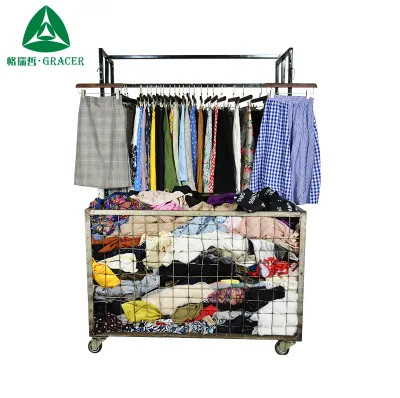
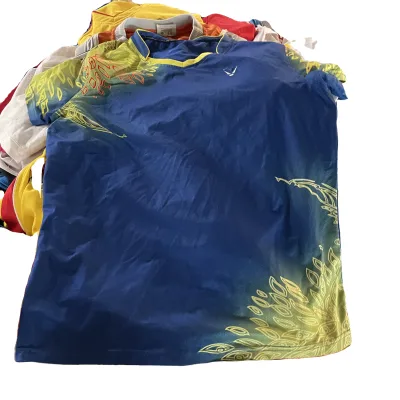
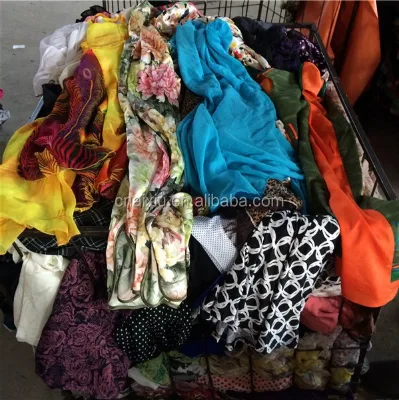
Comprehensive Sourcing Guide
Top Clean Mixed Used Clothing Sourcing Guide
Procuring Top Clean Mixed Used Clothing requires a strategic approach to navigating a market defined by high variability in condition and origin. Buyers must first distinguish between general second-hand inventory and specifically graded "top clean" items, which typically indicate a higher percentage of wearable garments with minimal defects. The observed listings suggest a product range that includes mixed sizes and colors, catering to diverse demographics from adults to children, yet the exact composition of each bale can vary significantly between suppliers.
Sourcing decisions should prioritize suppliers who explicitly define their grading standards, such as "Grade A" or "Top Clean," to ensure consistency in the received merchandise. While some listings mention a 90% to 95% clean condition, buyers must verify these claims through sample inspection before committing to large orders. Understanding the distinction between factory-direct wholesale models and intermediary traders is essential, as the former often provides more transparent access to the original sorting and cleaning processes.
Product Scope and Observed Listing Signals
The market for mixed used clothing encompasses a wide array of styles, including European, American, Korean, and ethnic designs, often categorized under leisure, fashion, or hip-hop themes. Listings indicate that products are available in mixed sizes and colors, with some suppliers offering specific branded items alongside general assortments. Buyers should note that while some entries specify "Second Hand Clothes Branded," others refer to generic used clothing, necessitating a clear definition of the desired mix to avoid receiving unwanted inventory types.
Commercial signals in the market reveal a broad price range and flexible packaging options, with bales weighing between 38kg and 100kg or sacks containing specific piece counts. The observed data suggests that suppliers offer customization for logos and packaging, allowing buyers to tailor the product presentation to their local market needs. However, the variability in annual output and material capacity implies that supply stability can fluctuate, requiring buyers to confirm production capabilities before finalizing volume commitments.
Technical Specifications to Verify
Technical verification begins with confirming the physical dimensions and weight of the packaging, as listings cite standards ranging from 38cm by 30cm by 70cm to specific weight classes like 45kg or 100kg per bale. Buyers must ensure that the specified packing weight aligns with their logistical constraints and that the "mixed size" claim translates to a usable distribution of adult and children's sizes. It is critical to validate whether the "full range sizes" mentioned in some listings are truly inclusive or if they represent a skewed distribution that could limit resale potential.
Condition grading is another vital technical parameter, with some suppliers claiming "Top Clean" status while others specify a 90% or 95% clean condition. Buyers should request detailed breakdowns of the condition percentages to understand the ratio of wearable items to potential waste or repair needs. Additionally, verifying the material capacity of the supplier, which some listings suggest can reach 6000 tons per month, helps assess whether the vendor can sustain the volume requirements of a long-term procurement contract without compromising quality.
Compliance and Safety Documentation
While the provided data does not explicitly confirm specific certifications like GOTS or OEKO-TEX, buyers must treat the absence of such documentation as a risk factor requiring immediate clarification. In the used clothing sector, compliance often hinges on the hygiene standards applied during the cleaning and sorting process rather than just the origin of the garments. Procurement teams should demand proof of sanitation protocols, such as washing records or disinfection certificates, to ensure the merchandise meets the health and safety regulations of the target export market.
Documentation regarding the origin of the goods is equally critical, with some listings specifying "China First-Tier Cities" as the source. Buyers need to verify that the supply chain does not involve restricted or ethically questionable sources, as this can impact customs clearance and brand reputation. Establishing a clear audit trail for the cleaning and sorting stages is essential, as this documentation serves as the primary evidence of product safety and compliance with international trade standards for second-hand textiles.
Cost Drivers and Commercial Terms
Cost structures in this sector are heavily influenced by the container size and the specific grading of the goods, with minimum orders often set at one full 20ft or 40ft container. The observed payment terms, such as a 40% deposit and 60% balance before loading, indicate a high level of financial commitment required upfront, which buyers must factor into their cash flow planning. Understanding the competitive pricing dynamics is essential, as the "competitive price" claim in listings often masks significant variations based on the quality grade and the specific mix of brands included.
Logistics and shipping costs represent another major variable, with some suppliers offering worldwide shipping services and specific rental periods for containers. Buyers should analyze the total landed cost, including the 7-15 day production time and the specific shipping lines mentioned, to determine the true cost per kilogram or per piece. Negotiating favorable shipping terms, such as rent-free periods, can significantly impact the overall profitability of the venture, making it a key area for commercial discussion during the sourcing process.
Supplier Qualification and Quality Control
Supplier qualification should focus on verifying the "Factory Direct Wholesale" status to ensure direct access to the source and reduce the risk of middleman markups. Buyers must assess the supplier's annual output capacity, which some listings claim can reach 3000 containers, to confirm their ability to meet large-scale demand without delays. Establishing a relationship with a supplier who offers customization for packaging and logos can also provide a competitive edge in the local market, provided the customization does not compromise the integrity of the product.
Quality control measures must be rigorous, given the inherent variability in second-hand goods. Buyers should implement a sampling protocol that tests the "Grade A" and "Grade B" claims against actual received inventory to ensure the stated condition percentages are accurate. Regular third-party inspections or on-site audits are recommended to verify that the cleaning standards and sorting processes remain consistent over time, preventing the receipt of substandard batches that could damage the buyer's reputation.
Long-Term Procurement Checks
Sustaining a successful procurement relationship requires ongoing monitoring of the supplier's ability to maintain consistent quality and delivery schedules. Buyers should regularly review the supplier's material capacity and production output to ensure they can adapt to fluctuating market demands without compromising the "top clean" standard. Establishing clear communication channels for reporting any discrepancies in condition or packaging is vital for maintaining trust and ensuring that issues are resolved promptly before they escalate.
Long-term checks should also include periodic re-evaluation of the supplier's compliance documentation and export market performance. As regulations in target markets like Africa, South America, and the Middle East evolve, buyers must ensure their suppliers remain up-to-date with changing import requirements. Building a diversified supplier base can mitigate risks associated with single-source dependency, allowing for greater flexibility in sourcing strategies and ensuring a steady supply of high-quality mixed used clothing.
FAQs
What quality grades are available for Top Clean Mixed Used Clothing?
Top Clean Mixed Used Clothing is typically available in Grade A and Grade B. Grade A items are usually clean with a condition rating of 90% to 95%. These garments are sorted by style, gender, and season to ensure high resale value for buyers seeking premium second-hand inventory.
How is the packaging weight determined for used clothing bales?
Used clothing bales are packed in various weights to suit different logistics needs. Standard options range from 38kg to 100kg per bale. Buyers can choose specific weights like 45kg, 65kg, or 75kg. Each bale is compressed to standard dimensions of 38cm by 30cm by 70cm for efficient shipping.
Can buyers customize the logo and packaging for bulk orders?
Yes, customization is available for bulk orders of used clothing. Buyers can request specific logo printing and tailored packaging solutions. This service allows businesses to brand their second-hand inventory effectively. Customization options help distinguish products in competitive markets while maintaining the core quality and condition of the garments.
What is the minimum order quantity for importing used clothes?
The minimum order quantity is typically one full 20-foot container. Some suppliers accept orders starting from 1000 pieces or one 40-foot container. This MOQ ensures efficient shipping and handling for international buyers. Buyers should confirm specific container requirements with suppliers to align with their storage and distribution capabilities.
Which export markets receive the most Top Clean Mixed Used Clothing?
Top Clean Mixed Used Clothing is primarily exported to Africa, South America, the Middle East, and South Asia. These regions have high demand for affordable, quality second-hand apparel. Suppliers in China source materials from first-tier cities to meet this global demand. The product is suitable for both adults and children across all seasons.
How long does production and shipping take for used clothing orders?
Production time for used clothing orders generally takes 7 to 15 days. Shipping times vary by destination but often include a 21-day rent-free period for containers. Buyers should plan logistics carefully to avoid storage fees. Direct factory wholesale ensures faster processing compared to intermediary suppliers, streamlining the import process.