Source Mixed Branded Used Clothing for Retail, Thrift, and Resale
Explore 27 listings for Mixed Branded Used Clothing from Chinese factories. Buyers can compare grades, packaging options, and container MOQs to find suitable wholesale bales for retail, thrift stores, and resale operations; compare the available evidence and request quotations based on your requirements.
Key considerations
Products List


Vintage Bulk Second Hand Clothes Women Branded Used Second Hand Clothing
$3.00 - $6.00
MOQ: 1000 Pieces


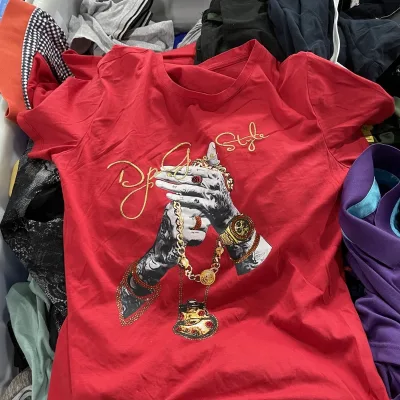
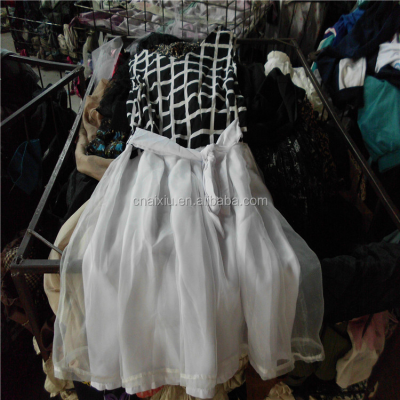
Comprehensive Sourcing Guide
Mixed Branded Used Clothing Sourcing Guide
Procuring Mixed Branded Used Clothing requires a strategic approach that balances cost efficiency with brand authenticity and quality consistency. Buyers must navigate a complex supply chain where items are sourced from first-tier cities, often resulting in a heterogeneous mix of styles ranging from European and American fashion to Korean and hip-hop trends. The primary challenge lies in defining clear acceptance criteria for condition and brand representation, as the term "mixed" can imply varying degrees of brand visibility and garment integrity. Establishing precise specifications before engaging suppliers is essential to avoid receiving inventory that does not align with target market expectations or retail pricing strategies.
The sourcing landscape is characterized by factory-direct wholesale models that offer significant volume discounts but demand rigorous verification processes. Suppliers typically operate with high material capacities, processing thousands of tons per month, which allows for substantial annual outputs measured in container loads. However, this scale necessitates strict quality control protocols to ensure that the "Grade A" or "Grade B" classifications are accurately represented. Buyers should focus on understanding the customization options available, such as logo placement and packaging variations, to differentiate their offerings in competitive markets while maintaining the inherent value of the second-hand branded inventory.
Product Scope and Observed Listing Signals
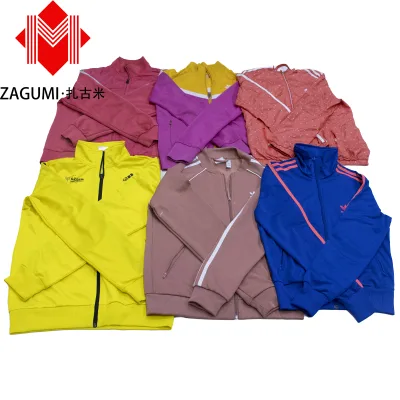
The product scope for Mixed Branded Used Clothing encompasses a wide array of styles, including leisure, fashion, ethnic, and hip-hop designs, catering to unisex demographics across all seasons. Listings often highlight specific conditions, such as "clean" garments with 90% to 95% newness, indicating that items have been pre-sorted and cleaned before export. The variety in styles suggests that buyers can curate collections that appeal to diverse consumer segments, from vintage enthusiasts to those seeking contemporary branded apparel. This diversity allows for flexible merchandising strategies, enabling retailers to mix high-end branded pieces with more accessible fashion items to maximize shelf appeal and customer interest.
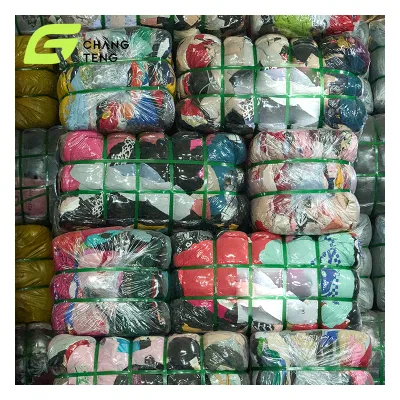
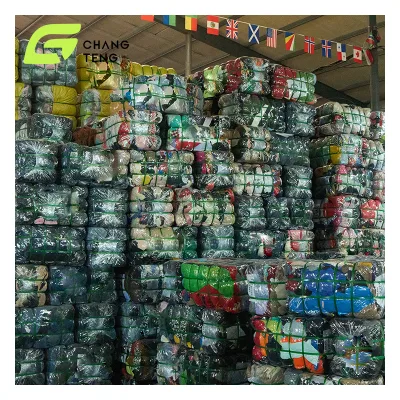
Observed listing signals reveal significant variability in packaging and unit counts, which directly impacts logistics and retail preparation. Bales may contain 40, 50, or 100 pieces, with weights ranging from 38kg to 100kg per bale, depending on the supplier’s standard packing methods. Some listings specify mixed sizes and colors, while others emphasize full-range sizing to ensure inclusivity for end consumers. These signals indicate that buyers must carefully review packing details to calculate landed costs accurately, including freight and handling expenses. Understanding these packaging norms is crucial for planning warehouse storage and determining the optimal retail display configuration for different market channels.
Technical Specifications to Verify
Verifying technical specifications is critical to ensuring that the purchased inventory meets operational and retail requirements. Buyers should confirm the exact composition of materials, noting that some listings specify high cotton content, such as 90% cotton, which affects durability and comfort. It is essential to verify the size distribution within each bale, as mixed sizes can range from small to extra-large, impacting the ability to serve specific customer demographics. Additionally, checking the standard dimensions of packed bales, often around 38cm by 30cm by 70cm, helps in planning container loading efficiency and storage space allocation in distribution centers.
Condition grading must be explicitly defined to avoid disputes over product quality. Suppliers may classify items as Grade A or Grade B, with Grade A typically representing top-quality, nearly new items with minimal wear. Buyers should request detailed photos or samples to validate these claims, as visual inspection is the most reliable method for assessing cleanliness and structural integrity. Furthermore, verifying the presence of original brand tags and labels is vital for maintaining the "branded" value proposition. Clear documentation of these specifications in the purchase order ensures that both parties have a shared understanding of the expected product attributes and quality standards.
Compliance and Safety Documentation
Compliance and safety documentation form the backbone of ethical and legal procurement practices in the second-hand clothing industry. Buyers must ensure that suppliers provide necessary export certificates and proof of hygiene treatments, such as cleaning and sterilization, to meet international health standards. While specific certification names may vary by region, the requirement for documented cleanliness is universal, especially for garments intended for direct consumer wear. Verifying that the supplier adheres to local and international regulations regarding the trade of used textiles helps mitigate legal risks and protects the buyer’s brand reputation from associations with unsafe or unhygienic products.
Additionally, buyers should investigate the supplier’s adherence to labor and environmental standards, as these factors increasingly influence consumer perception and regulatory scrutiny. Although specific environmental certifications may not always be listed, understanding the supplier’s waste management and recycling practices is important for sustainable sourcing initiatives. Documentation regarding the origin of the goods, particularly if sourced from first-tier cities, can also provide insights into the supply chain’s transparency. Ensuring that all necessary paperwork is in order before shipment facilitates smoother customs clearance and reduces the risk of delays or confiscations at destination ports.
Cost Drivers and Commercial Terms
Cost drivers in the Mixed Branded Used Clothing market are influenced by volume, quality grade, and logistical complexity. Buyers can often negotiate better prices by committing to larger orders, such as full 20ft or 40ft containers, which leverage the supplier’s high monthly material capacity. The condition of the goods, whether Grade A or Grade B, significantly impacts the unit price, with higher grades commanding premium rates. Additionally, customization options, such as specific packaging or logo printing, may incur extra charges. Understanding these variables allows buyers to forecast costs accurately and identify opportunities for savings through volume commitments or adjusted quality specifications.
Commercial terms typically involve structured payment schedules to manage risk for both parties. Common arrangements include a deposit followed by the balance before loading, ensuring that the supplier is compensated for production and preparation costs while protecting the buyer’s interests. Lead times for production and shipment can range from 7 to 15 days for processing, with additional time required for ocean freight, which may offer rent-free periods for certain shipping lines. Buyers should clarify these timelines and payment conditions in writing to avoid misunderstandings and ensure that inventory arrives in time for seasonal retail demands.
Supplier Qualification and Quality Control
Supplier qualification involves assessing the operational capacity and reliability of potential partners in the second-hand clothing trade. Buyers should prioritize suppliers with substantial material processing capabilities, such as those handling thousands of tons per month, as this indicates a robust supply chain and consistent inventory availability. Verifying the supplier’s business type, whether factory direct or trading company, helps determine the level of control over quality and pricing. Direct factory relationships often offer better margins and more direct communication, facilitating quicker resolution of issues and more flexible customization options for packaging and branding.
Quality control measures must be implemented throughout the procurement process to maintain product standards. Buyers should establish clear acceptance criteria and conduct pre-shipment inspections to verify that the goods match the agreed-upon specifications for condition, brand representation, and packaging. Implementing a sampling process before full container orders can help identify potential quality issues early. Additionally, maintaining open communication with the supplier regarding any discrepancies ensures that corrective actions can be taken promptly. Regular audits and performance reviews of suppliers help build long-term partnerships based on trust and consistent quality delivery.
Long-Term Procurement Checks
Long-term procurement checks focus on sustaining supply chain stability and adapting to market changes. Buyers should regularly review supplier performance metrics, including on-time delivery rates, quality consistency, and responsiveness to issues. Building a diversified supplier base can mitigate risks associated with single-source dependencies, ensuring continuity of supply even if one partner faces operational challenges. Monitoring market trends and consumer preferences allows buyers to adjust their sourcing strategies, such as shifting focus towards specific styles or brands that are gaining popularity in their target markets.
Continuous improvement in procurement processes is essential for maintaining competitiveness and profitability. Buyers should invest in training their teams on the nuances of second-hand clothing sourcing, including how to identify quality issues and negotiate effectively. Leveraging technology for inventory management and supplier communication can enhance efficiency and reduce errors. Furthermore, staying informed about regulatory changes and industry best practices ensures that procurement activities remain compliant and ethical. By adopting a proactive approach to supplier management and market analysis, buyers can secure a reliable supply of Mixed Branded Used Clothing that meets evolving customer demands.
FAQs
What is the minimum order quantity for Mixed Branded Used Clothing?
The minimum order quantity is one 20-foot container, though some listings accept 100 pieces. Buyers can choose between bulk bale orders or smaller piece-based purchases. Factory direct wholesale options are available for larger volumes. This flexibility supports both small retailers and large distributors seeking mixed branded inventory.
How is the quality of second hand clothes graded?
Quality is typically graded as Grade A or Grade B. Grade A items are often described as clean with 90-95% condition. Mixed brand clothes come in various conditions, ensuring buyers can select the appropriate tier for their resale market. This grading helps manage expectations for used apparel quality.
Can the packaging and logo be customized for bulk orders?
Yes, customization is available for both packaging and logos. Buyers can choose bale weights ranging from 38kg to 100kg per sack. Standard dimensions are approximately 38cm by 30cm by 70cm. This allows businesses to tailor the presentation of used clothing bales to their specific distribution needs.
What styles are included in the Mixed Branded Used Clothing?
Styles include Europe and America, Korean, England, Ethnic, Leisure, Fashion, and Hip-Hop. The collection features mixed colors and sizes to suit diverse consumer preferences. These varied styles ensure a broad appeal for retailers targeting different fashion segments in the global second-hand clothing market.
What is the production lead time for custom orders?
The product time is typically 7-15 days for processing orders. This timeframe applies to the preparation and packing of used clothing bales. Buyers should account for shipping duration, which may involve a 21-day rent-free period for certain carriers. Early planning ensures timely delivery for seasonal retail demands.
Which payment terms are accepted for wholesale transactions?
Payment is accepted via T/T with a 40% deposit and 60% balance before loading. This standard term secures the order before shipment. Buyers should arrange the final payment to avoid delays in container loading. This method ensures secure transactions for high-volume Mixed Branded Used Clothing purchases.