Source Sports Waist and Chest Bag for Travel, Running, and Gym
Explore 30 verified options for Sports Waist and Chest Bag designs including waterproof and non-waterproof models. Buyers can compare materials like PVC and nylon, customization options, and MOQs from manufacturers in China; compare the available evidence and request quotations based on your requirements.
Key considerations
Products List


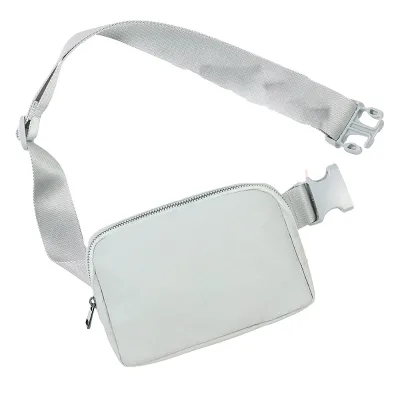


Chest Bag Men′ S Small Backpack Trendy Shoulder Bag Sports Crossbody
$2.00 - $3.00
MOQ: 100 Pieces


Comprehensive Sourcing Guide
Sports Waist and Chest Bag Sourcing Guide
Procuring sports waist and chest bags requires a nuanced understanding of material performance and ergonomic design, as these items serve distinct functional roles in active lifestyles. Buyers must distinguish between products designed for high-intensity running, where minimal bounce and secure closure are paramount, and those intended for casual travel or outdoor camping, where capacity and organizational features take precedence. The observed market data indicates a wide variance in product attributes, ranging from waterproof PVC constructions to breathable nylon and canvas options, each offering different trade-offs in durability, weight, and cost. Understanding these material distinctions is critical for aligning product selection with the specific end-user requirements and environmental conditions of the target market.
Furthermore, the customization landscape for these accessories is highly flexible, with many manufacturers offering OEM and ODM services to tailor products to brand specifications. This includes options for custom colors, such as candy tones or solid blacks, and specific sizing standards that cater to both small pouches and larger multi-functional bags. Buyers should leverage this flexibility to create differentiated product lines, but must carefully manage the complexity introduced by varied customization requests. Establishing clear technical specifications early in the sourcing process helps mitigate risks associated with production errors and ensures that the final goods meet the intended aesthetic and functional standards for the brand.
Product Scope and Observed Listing Signals
The current market landscape for sports waist and chest bags reveals a diverse array of product types, including dumpling-style waist bags, horizontal square designs, and multi-functional sport models. Observed listings highlight key attributes such as waterproof capabilities, zipper closures, and unisex styling, which are essential for broad market appeal. For instance, some products are explicitly marketed as waterproof with soft PVC materials, while others prioritize simplicity and sports utility with canvas or nylon constructions. These variations indicate that buyers should not assume a one-size-fits-all approach, but rather segment their sourcing strategy based on the specific performance needs of their target customer base, whether that be runners, travelers, or everyday users.
Additionally, the observed data shows significant variation in packaging and origin, with many products originating from manufacturing hubs like Quanzhou, China. Packaging methods range from standard PP bags to customized solutions, reflecting the importance of brand presentation and logistics efficiency. Buyers should pay close attention to these logistical details, as they can impact shipping costs and product protection during transit. The presence of specific model numbers and size specifications, such as 3215cm or 4078cm, underscores the need for precise communication with suppliers to ensure that the ordered items match the exact dimensions and features required for the product catalog.
Technical Specifications to Verify
When evaluating technical specifications, buyers must prioritize the verification of material composition and structural integrity, as these factors directly influence product longevity and user comfort. The observed data indicates the use of various materials, including PVC, polyester, nylon, and canvas, each with distinct properties regarding water resistance, flexibility, and weight. For example, PVC offers superior waterproofing, while nylon and canvas provide better breathability and durability for heavy-use scenarios. Buyers should request detailed material specifications and test reports to confirm that the chosen material aligns with the product’s intended use, ensuring that it can withstand the expected wear and tear without compromising performance.
Hardness, shape, and closure mechanisms are also critical technical aspects that require careful verification. Products may feature soft or elastic materials, dumpling or horizontal square shapes, and zipper or other closure types, each affecting the bag’s functionality and aesthetic. Buyers should ensure that the closure mechanism is secure and reliable, particularly for sports applications where items must remain safely stored during movement. Additionally, verifying the internal structure, such as the presence of polyester lining or elastic components, can help assess the bag’s capacity and organizational capabilities. Clear communication of these technical details with suppliers is essential to avoid discrepancies between the ordered product and the final delivered goods.
Compliance and Safety Documentation
Compliance and safety documentation are vital for ensuring that sports waist and chest bags meet international regulatory standards and ethical manufacturing practices. The observed data mentions certifications such as SGS, BSCI, CE, and RoHS, which indicate adherence to quality, social responsibility, and environmental safety standards. Buyers should verify the validity and scope of these certifications with the supplier, ensuring that they cover the specific products being sourced. This verification process helps mitigate risks associated with non-compliance, which can lead to product recalls, legal liabilities, and damage to brand reputation in regulated markets.
Furthermore, buyers should inquire about the supplier’s quality management systems and production processes to ensure consistent compliance with safety standards. This includes verifying that materials used in production are free from harmful substances and that manufacturing processes adhere to ethical labor practices. Requesting copies of relevant test reports and audit certificates can provide additional assurance of the supplier’s commitment to quality and safety. By prioritizing compliance and safety documentation, buyers can build trust with their customers and ensure that their products meet the highest standards of quality and ethical responsibility.
Cost Drivers and Commercial Terms
Cost drivers for sports waist and chest bags include material selection, customization complexity, and order volume, all of which significantly impact the final unit price. The observed data shows a wide price range, reflecting the diversity in materials and features offered by suppliers. Buyers should analyze these cost drivers to identify opportunities for cost optimization without compromising quality. For instance, selecting standard materials and designs can reduce costs, while custom features may incur additional charges. Understanding these dynamics allows buyers to negotiate more effectively and align their procurement strategy with their budget constraints.
Commercial terms, such as MOQ, sample time, and lead time, also play a crucial role in the sourcing process. The observed data indicates MOQs ranging from 1 to 1000 pieces, with sample times typically between 5 to 15 days. Buyers should consider these terms when planning their inventory and production schedules, ensuring that they can meet market demand without overstocking or facing delays. Negotiating favorable commercial terms, such as flexible MOQs or expedited sample production, can enhance supply chain agility and responsiveness. Clear communication of these terms with suppliers helps establish a transparent and efficient procurement process.
Supplier Qualification and Quality Control
Supplier qualification is a critical step in ensuring the reliability and consistency of Sports Waist and Chest Bag production. Buyers should conduct thorough due diligence to assess the supplier’s manufacturing capabilities, quality control processes, and financial stability. This includes verifying the supplier’s factory status, production capacity, and experience in producing similar products. The observed data indicates that many suppliers are factory producers, which can offer advantages in terms of cost control and quality management. Buyers should request site visits or third-party audits to gain firsthand insight into the supplier’s operations and ensure that they meet the required standards.
Quality control measures should be implemented throughout the production process to minimize defects and ensure product consistency. Buyers should establish clear quality standards and inspection protocols, including pre-production, during-production, and pre-shipment inspections. These inspections should cover aspects such as material quality, stitching integrity, zipper functionality, and overall aesthetics. By implementing robust quality control measures, buyers can reduce the risk of receiving substandard products and maintain high customer satisfaction. Regular communication with suppliers regarding quality issues and improvements helps foster a collaborative relationship focused on continuous improvement.
Long-Term Procurement Checks
Long-term procurement checks involve continuous monitoring of supplier performance, market trends, and product quality to ensure sustained success in the Sports Waist and Chest Bag market. Buyers should establish key performance indicators (KPIs) to track supplier reliability, on-time delivery, and product quality over time. Regular performance reviews help identify areas for improvement and address any emerging issues promptly. By maintaining a proactive approach to supplier management, buyers can build a resilient supply chain that adapts to changing market conditions and customer demands.
Additionally, buyers should stay informed about emerging trends in materials, design, and technology to remain competitive in the market. This includes monitoring innovations in waterproofing, lightweight materials, and ergonomic designs that enhance user experience. By integrating these trends into their product offerings, buyers can differentiate their brands and attract new customers. Regularly updating product specifications and sourcing strategies based on market insights ensures that the procurement process remains aligned with business goals and customer expectations, fostering long-term growth and profitability.
FAQs
Can I customize the Sports Waist and Chest Bag design?
Yes, customization is available for these bags. You can request specific materials like PVC or Nylon, adjust dimensions such as 32*15cm or 40*78cm, and choose styles ranging from fashion to sports. OEM and ODM services are acceptable, allowing you to tailor the product to your brand requirements effectively.
What is the typical MOQ for these waist bags?
The standard MOQ is 500 pieces for most models. Some suppliers may accept orders starting from 1 piece for samples, but bulk production usually requires a minimum of 500 PCS. This threshold ensures efficient factory production while allowing buyers to secure competitive pricing for larger quantities.
How long does sample production take?
Sample production typically takes 5 to 7 days. Some manufacturers may require 7 to 15 days depending on complexity. This lead time allows for quality checks and customization adjustments before bulk manufacturing begins, ensuring the final product meets your specific design and material expectations.
What materials are used for these waist bags?
Common materials include PVC, Nylon, Canvas, and Polyester for the inside lining. PVC options are often soft and waterproof, while Nylon and Canvas provide durability for sports and travel. The choice depends on whether you need waterproof features or a simpler, lightweight design for everyday use.
Are these bags suitable for unisex use?
Yes, many models are designed as unisex waist bags. They feature versatile styles like horizontal squares or dumpling types, suitable for men and women. Colors range from black and blue to green and candy colors, making them appropriate for sports, camping, travel, and student use.
What certifications do these bags have?
Some products hold SGS, BSCI, CE, and RoHS certifications. These standards ensure quality and safety for international markets. Buyers should verify specific certifications with suppliers, as not all models may carry every listed standard, especially when customizing materials or designs for specific regional requirements.